Tag Archives: nutrition

School gets out, weight goes up. Why now is the time to focus on preventing childhood obesity.

Obesity is a major concern for adults, linked to several leading causes of death and numerous other health problems. What you may not know is that obesity is also a serious health issue for children. It is troubling to note that nearly one-third of school-aged children and teenagers are over a healthy body weight and nearly 20% are considered obese. Remarkably, 10% of infants, toddlers, and preschoolers, are also considered obese.

This is important because the common combination of poor nutrition, physical inactivity, and obesity has physical, psychological, and social consequences for children that frequently persist into adulthood. There are many reasons why childhood obesity occurs and much that can be done to prevent it. Now that school is almost out for the summer, this is a critical time of year to focus on good nutrition and activity to help prevent unhealthy weight gain in kids. This is the topic of my Health & Fitness column in the Aiken Standard this week.

Childhood obesity cartoon


Overweight and obese children are at increased risk for type 2 diabetes, high blood pressure, heart disease and even stroke – conditions usually associated with adulthood. Even if an overweight child does not have these conditions now, he or she is likely on that path. Many experts predict that children born today will be the first generation in history to have a shorter lifespan than their parents due to obesity-related diseases that begin in childhood.

Children who are overweight are also more likely to suffer other consequences including lower self-esteem, social functioning, and academic performance. Overweight children are also less likely to play sports or participate in other forms of physical activity. Considering that the consequences of obesity are made worse by low levels of activity, this creates a cycle leading to poorer and poorer health.

There are numerous potential causes of obesity in children, but the most likely suspects are too little activity and excessive calorie intake, largely because of added sugars. Fewer than half of all kids meet the minimum recommendation of 60 minutes of activity each day and many children spend as much time watching television or playing video games as they do in school. We shouldn’t be surprised that we have a childhood obesity problem!

While poor nutrition and a lack of activity in schools is thought to contribute to the problem, many children get more activity and eat better at school than they do at home. A recent report suggests that children gain more weight over the summer than during the rest of the year. Furthermore, for many kids, fitness gains made during the school year are frequently lost over the summer. Since summer vacation is rapidly approaching, this is a critical time to help our children stay fit and healthy.

The good new is there is much we can do. Ensuring that children get plenty of healthy foods such as fruits and vegetables, reducing the consumption of added sugars, and eating appropriate portion sizes will go a long way to addressing the diet aspect of obesity. Making sure that kids of all ages have opportunities to be active while limiting time spent sitting, especially in front of a screen, are equally important.

Since children don’t make most of the decisions about their activity and diet, it is important to recognize the role that parents, grandparents, and other caregivers play. More often than not, obesity is a family issue. This means that  solving the problem is a family issue, too. Adults should model healthy behaviors by making diet and activity changes themselves. A good place to start is by turning off the TV and going outside to play or for a walk. It’s something all of us—adults and children—will benefit from.
Exercise, like all prescriptions, only works if you use it as directed.

Earlier this week  I wrote about the Exercise is Medicine initiative and why physicians should prescribe exercise to all of their patients.

Despite the widely-known benefits of exercise, many physicians—and people in general—believe that chronic health conditions should be managed using medications, not  proper nutrition and physical activity. This is a misguided approach considering that weight gain and health conditions related to weight gain  accumulate over a period of years, resulting from eating too much combined with low levels of activity.

One reason that physicians are hesitant to prescribe exercise (and, similarly, good nutrition) is that in their experience, it doesn’t work. What they mean is that the results they see after recommending lifestyle modifications are typically not sufficient. So the assumption made by doctors and patients is that lifestyle modifications don’t work. But this is not necessarily the case

This debate comparing lifestyle modification with medical management of chronic diseases is familiar. Consider statins, the popular lipid-lowering medications that are currently among the most-prescribed drugs (examples include Lipitor, Zocor, Crestor and Vytorin). The effect of statin drugs on lowering blood lipids is significant in most patients. This, together with clever marketing to both patients and physicians, explains why they are so widely used.

It is possible to lower blood lipids as much as statins by carefully controlling diet and regular exercise, but it is difficult. How difficult depends on the individual, but everyone would agree that successful lifestyle modification takes more effort and dedication than taking a pill. In order for any treatment to work, it has to be followed. A patient who doesn’t follow their diet or exercise program is no different from a patient who doesn’t take their medication as directed. In both cases, the response to the treatment will fall short of expectations.

If someone didn’t take their statin medication and their blood cholesterol didn’t go down, no one would label the drug a failure. The medication may well have worked if the patient took it. But people routinely claim that diet and exercise don’t work, when the real problem is that these treatments aren’t followed. This could be because the patients weren’t provided with appropriate and actionable information or because they didn’t faithfully follow the instructions they were given.

The problem isn’t that lifestyle modification isn’t effective, it’s that people don’t implement healthy changes for the long-term. Whereas a statin drug results in rapid changes, the benefits of behavior change are realized more slowly. This can lead to the incorrect conclusion that diet and exercise aren’t working, even though they are.

In reality, medication can be part of a treatment plan, but should not be the only prescription.  Long-term health benefits come from changing eating and activity patterns. Medications should be used as a  “jump start” to treating a condition, with a goal of developing a new way of eating and regular activity as the long-term treatment.

For example, medications like statins can lower cholesterol quickly. Then, lifestyle changes can keep the cholesterol down, reducing the need for the drug. Since side effects depend on the dose and duration of treatment, this approach would reduce the risk of potentially dangerous side effects.

For many patients, lifestyle changes are effective on their own, meaning the medication isn’t necessary. And consider this: maintaining a healthy body weight, proper nutrition, and regular exercise has been proven to be the best—and at this point, only—way to prevent most of the health problems most of us will face. Good nutrition and physical activity really are the best medicine!

Skip the smoothie, have a burger? Fast food for exercise recovery.

Many athletes use specialized supplements before, during, and after exercise to improve performance and enhance strength and endurance gains from training. Many non-athletes also use similar supplements, even though they may not need them. And a recent study suggests that fast food, literally meals from McDonald’s, can work as well as more expensive sports supplements for promoting muscle recovery following intense exercise. I try to make sense of all of this in my Health & Fitness column in the Aiken Standard this week.


SONY DSC

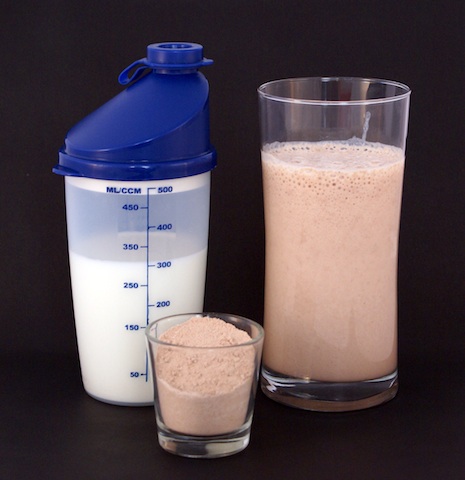
After exercise, many athletes consume specialized beverages and foods that supply nutrients to help their muscles recover. These recovery drinks generally contain some combination of carbohydrates (sugar) and protein and come in liquid, shake, or smoothie form. There are also energy bars specifically formulated for use after exercise. Research shows that these carbohydrate-protein recovery drinks and foods enhance muscle recovery and adaptations to training in some athletes. Even if you aren’t an athlete, you may consume these products after you work out. Let’s explore when and for whom these recovery products might be useful.

Intense endurance exercise—think of a distance runner, cyclist, or triathlete—uses muscle glycogen as a fuel. Muscle glycogen is a storage form of glucose, sugar that the muscle converts into energy. During prolonged exercise sessions that last at least 60–90 minutes, muscle glycogen levels can be severely depleted. Resynthesizing that muscle glycogen is a priority following exercise.

Athletes who are engaging in intense resistance training to build muscle and strength may also benefit from a recovery drink. Weight training stimulates protein synthesis in the muscle, so it makes sense that consuming additional protein would be beneficial. As new muscle protein is formed, both strength and muscle size are increased.

It has also been shown that combining the carbohydrates with protein results in more rapid muscle glycogen replenishment and increases muscle protein synthesis. This is why many specialized recovery drinks and foods include a combination of carbohydrates and protein. The best time to consume carbohydrates to restore muscle glycogen levels is immediately following exercise. Similarly, the muscle is most responsive to extra protein immediately after a resistance training session.

Perhaps these recovery drinks, bars, and shakes aren’t even necessary. Sports nutritionists have long recommended conventional foods and beverages for athletes after exercise. Research shows that chocolate milk is just as effective as more expensive supplements for replenishing muscle glycogen and promoting muscle protein synthesis. Remarkably, according to a study published last week, fast food may work just as well!

In this study cyclists were fed either commercial recovery aids or food from McDonald’s including pancakes, sausage, juice, a burger, fries, and soda after they completed an intense exercise session. Importantly, the meals contained equal amount of calories and nutrients. It turns out that there was no significant difference in how quickly muscle glycogen was replenished or in performance in a subsequent exercise bout between the two conditions. While the authors don’t recommend eating more fast food, this study suggests that foods not typically thought of as sports nutrition products can be effective for muscle recovery following vigorous exercise.

But what about people who engage in regular exercise to improve fitness or lose weight? The benefits of recovery drinks in athletes exist because the intense training causes changes in the muscle that allow the extra carbohydrates and protein to have a positive effect. Training at a lower intensity is unlikely to create this stimulus in the muscle, so these nutrients would not have a significant benefit. Simply put, most people don’t train hard enough to need a recovery drink.

The bottom line is that these recovery aids are not always necessary and you can get the same benefits from regular food. Something else to keep in mind is that these supplements, especially in shake or smoothie form, can be high in calories. It is entirely possible to consume more calories in a recovery beverage than you burn during exercise. This could diminish the effect of exercise on weight loss and may actually lead to weight gain. For most of us, a sensible diet with regular exercise is the key to meeting fitness and weight loss goals.

Driving yourself to the doctor.

Have you ever thought about how much time you spend in your car? On average, Americans face a 50-minute round-trip drive each day just for their jobs, and nearly thee-quarters of commuters drive alone. In suburban and metropolitan areas the commute can be much longer. Even in Aiken the average commute time is about 23 minutes. When you include driving to work, taking the kids to school, and doing errands, sitting in a car can easily account for an hour or more each day.

You can find the average commute time in your area using this really cool interactive map from WNYC.

You are probably very aware of the time you spend in the car. What you may not know is that sitting in your car can also have negative effects on your health and happiness. This is the conclusion of several studies that examined the relationship between commuting time and indicators of health. One of these studies suggests that vehicle miles traveled is a strong predictor of obesity. In another study, commuting a greater distance was associated with lower levels of physical activity and fitness as well as a higher waist circumference and blood pressure.

This makes sense because spending more time sitting in your car means you have less time to dedicate to being physically active, something we know is good for your health. Add to that the fact that driving is sedentary. There is accumulating evidence that spending more time sitting in the car, at work, or at home is a predictor of poor health, regardless of how active you are the rest of the day.

It gets worse. Many people eat in their cars during long commutes. Much of the time these “meals” consist of fast food and other prepackaged foods—not many people eat salads while they drive! Since these foods are typically of questionable nutritional quality and high in calories, this alone can contribute to obesity and poor health. The combination of inactivity and eating behind the wheel can easily shift the balance toward weight gain. Plus, eating while you drive is dangerous!

Beyond the direct impact on health through eating and activity behaviors, commuting alone in a car is a form of social isolation. Research suggests that this can lead to depression, itself an important factor leading to poor health.

The problems with long commute times are well established and easy to appreciate. Unfortunately, the solutions are not. Most people can’t move in order to have a shorter commute and relying on public transportation isn’t practical or even possible for many people, especially in our area. Replacing driving a car with active modes of transportation simply isn’t practical.

Aside from the time requirement—imagine how long a 25 minute drive would take on a bike or on foot!—our environment doesn’t adequately support active travel. Being able to walk or bike requires access to safe bike lanes and sidewalks that connect people’s homes to work, school, and other destinations. Even public transportation increases activity over driving and enhances social connections. Sadly, this infrastructure doesn’t exist in most communities, which were built to support cars, not people.

But we can take steps to undo some of the damage that so much driving can cause. Making activity at other times of the day a priority is a good start. This could include exercise at the gym, going for a walk, or even yard work or housework. When possible, replace car trips with walking or biking. Planning these activities with others can strengthen social connections as well as improve health and fitness. Finally, act as an advocate for changes in the community that will make active transportation more realistic.

More confusing food labeling, from people who should know better!

Since I am thinking about the topic of confusing food labeling this week, I wanted to share another example that I read about recently.

The Academy of Nutrition and Dietetics, formerly the American Dietetic Association, announced the first food to bear their “Kids Eat Right” label. This is a big deal, because the label is a sort of endorsement from the professional organization that represents nutritionists and dietitians. It follows that these foods would be among the healthiest choices for kids.

Unless they aren’t.

It turns out that the first food to bear this label is Kraft American Singles cheese “product.” It’s not even real cheese. Or even real food for that matter. Obviously, there is more going on here than helping consumers identify healthy foods for their kids. Hint: it involves money!

Nutritionist, professor, and author Marion Nestle provides some excellent commentary about this on her blog, Food Politics. Check it out…she is an excellent resource for all things nutrition.

When it comes to making good food choices, knowledge is power.

My Health & Fitness column in the Aiken Standard this week is about making smart food choices and how the nutrition information we are provided with can complicate that process.


Making smart decisions about what you eat is an important step in losing weight, feeling better, and preventing and treating a host of health conditions. But doing so requires that you have the knowledge to make those healthy decisions. Unfortunately, most people don’t have a good education in nutrition, forcing them to rely on information provided to them.

Some of this information comes from reputable sources and is based on research and experience. More often, though, nutrition information is provided by food manufacturers whose interests may not be consistent with providing smart recommendations. The end result is that consumers (that’s us) may not understand the information they get or know how to use it to make healthy choices.

A good example is the health claims about whole grains found on many food packages, including breakfast cereals. “A good source of whole grains,” is a common claim. Most people would reasonably interpret as a sign that the food inside is healthy, or at least is healthier than similar foods that don’t contain whole grains.

These types of claims are allowed by the FDA, but they refer only to what is in the food, not whether it is healthy or not. Many of the foods bearing this claim probably are healthy choices, but this isn’t always the case.

For example, Lucky Charms cereal contains whole grains. In fact, whole grains are the first ingredient, as the claim on the box indicates. Sounds good, right? But, when you read the Nutrition Facts panel on the side of the box you will find that the second ingredient is marshmallows! Does that sound like a healthy breakfast? (Hint: It’s not!)

Lucky_Charms package


This is the problem. If you are like most people, you won’t take the time to read the ingredients or the nutrition information on the back of the package. And even if you do, you may find that information to be confusing. Even if you wanted to make healthy choices, you might not have the knowledge to interpret and apply the available nutrition information.

This general lack of knowledge we have about nutrition has led to situations in which some foods are restricted or banned. Recently, the city of Berkeley, California voted to impose a tax on soda and other sugary drinks in an effort to keep people from consuming too much sugar and too many calories.

This effort, and others like it, have contributed to a vigorous debate about personal choice and freedom for people to make their own decisions about what to eat and drink. One argument against these types of restrictions is that if people have the nutrition information about soda (or any other food) they can make informed choices.

This is a nice idea, but it simply isn’t fair to expect people to make good decisions if the information isn’t available or is not easy to understand. Worse, misleading information can lead to making bad decisions.

Help may be on the way. The FDA is working on a redesigned Nutrition Facts panel that should help us make better food choices. In particular, the amount of sugar added to foods will be listed. This change alone will help identify foods that may appear to be healthy, like Lucky Charms which contain whole grains, but are actually high in added sugar. Additional changes include more realistic serving sizes and better information about fat content.

It is unclear when the updated nutrition facts panel will be implemented. In the meantime, do your best to read labels and use common sense as your guide: The addition of marshmallows does not make any food any healthier, no matter how much whole grain it contains!

The attack of our toxic food environment. And how to fight back!

The term “toxic environment” was popularized by Kelly Brownell, an obesity and weight loss researcher, years ago to refer to conditions that promote the consumption of high-calorie, unhealthy food and encourage being physically inactive. This combination is thought to be a major factor that contributes to obesity and other chronic diseases, so understanding both aspects deserves our attention. Hy Health & Fitness column in the Aiken Standard this week  focuses on our toxic food environment. (Next week I will explore our toxic activity environment)


Fastfood One characteristic of the toxic environment is that food is available almost everywhere. Gas stations have evolved into convenience stares that happen to sell gas, tempting you as you enter to pay. Displays of candy, soda, and other snacks are present at nearly every checkout lane in nearly every store, even stores that have nothing to do with food. You can find vending machines that sell candy and soda most places you go, even hospitals and schools. Many workplaces have a common area where you can typically find a candy dish or a break room with vending machines. Even going to a meeting at work may mean sitting around a table with a plate of donuts in the center. Sure, you don’t have to buy a soda when you pay for gas or take a donut from the plate, but resisting can be difficult. The more you are around food, the more likely you are to eat it, even if you aren’t hungry. Whether your goal is to eat less food or to eat healthier food, the world we live in makes it difficult. It’s not just willpower, either. We are all susceptible to marketing, whether done by a store, restaurant, or a friend with a plate of freshly baked brownies. The power of marketing, combined with the fact that most of us don’t really understand food or nutrition, is difficult to overcome. It gets worse. It turns out that much of the food we are continually exposed to is of poor nutritional quality. Convenience foods such as candy, snacks, and drinks tend to be high in calories, mostly from added sugar and/or fat, and low in nutrients like vitamins, minerals, and fiber. Many restaurant meals, both fast food and casual dining, are similar in this way. Even prepackaged meals that you eat at home tend to be high in calories and low in healthy nutrients. So, not only are we almost always around food, much of that food is unhealthy. It also turns out that these unhealthy, calorie-dense foods come in portions that contain a shocking number of calories that can contribute to weight gain. Think about soda, for example. It used to be that you could buy a soda in a 12 oz. can or a 16 oz. bottle. Now 20 oz. bottles are common and even larger sizes are almost always an option. The same is true for candy and snacks, like chips. As portions increase, so do the calories we consume. To be fair, there isn’t necessarily anything wrong with having so many foods and drinks available to us. We don’t need to eat these foods, right? But, all too often, we do. And when the excess calories from all of this food are combined with a low level of physical activity, a “perfect storm” is created that almost always leads to weight gain. Changing our food environment is difficult, maybe even impossible. But we can change the way we interact with our environment. This includes being more mindful of what, when, and why we are eating. Being aware of internal signals like hunger and external forces like advertising and peer pressure can help us make smarter decisions within our toxic food environment.

Much ado about nothing: Supplement-free dietary supplements

Dietary supplements, including vitamins, minerals, and herbs, are used by millions of people every day. In fact, over 50% of Americans regularly take dietary supplements. Maybe you are one of them. If so, you should be aware of some recent news that once again raises concerns about supplement use.

This is the topic of my Health & Fitness column in the Aiken Standard this week.


Miracle cure pill bottle

The most common reason people report taking dietary supplements is to improve or maintain their health in general, but many take them for specific reasons such as bone health or weight loss. Anecdotal evidence suggests that people who take supplements are healthier than people who don’t. However, supplement users are more likely to eat better, exercise, and not smoke, all of which contribute to good health. [more details here.]

Given the claims made by supplement manufacturers, you may be surprised to learn that there is very little evidence to suggest that taking dietary supplements can improve your health. In fact, no scientific organization recommends the routine use of dietary supplements. Among the few exceptions is folic acid supplementation for women who are or who may become pregnant to prevent neural tube defects in the developing fetus. There aren’t many others.

While there is support for using vitamin or mineral supplements to address individual deficiencies, there is no reason to believe that taking supplements will do much to make a healthy person healthier. The fact that all supplements contain the statement, “This product is not intended to diagnose, treat, cure, or prevent any disease,” should tell you something. At best, taking dietary supplements will cause few, if any, benefits; at worst, they may do harm.

There have long been concerns about the safety and efficacy of dietary supplements. Ironically, this is by design. According to the 1994 Dietary Supplement Health and Education Act (DSHEA) manufacturers do not need to prove that their products are effective, only that they are safe. That said, there are instances in which the safety of dietary supplements has been questioned. [you can find tips for using dietary supplements safely here] Some can interfere with the way that other prescription and over-the-counter drugs work. Others may make certain health problems, like high blood pressure or diabetes, worse. And there is a concern that people might use dietary supplements to treat a condition rather than seeking medical help.

You may have seen in the news recently that the New York Attorney General is taking action against four major chain retailers for selling fraudulent and contaminated dietary supplements. DNA analysis showed that many of the supplements examined were completely lacking the active ingredient and contained other ingredients not listed on the label. In one case, a sample of St. John’s Wort contained no actual St. John’s Wort extract, but did contain the extract of a common house plant!

Some supplements undergo quality testing by independent labs, including U.S. Pharmacopeia and NSF International, and have labels which suggest that you are purchasing the actual substance. Keep in mind that this does not guarantee that the supplement will be safe or effective, just that it has been tested for purity.

Despite these questions about supplement purity, safety, and health benefits, there is nothing necessarily wrong with taking dietary supplements. If you choose to take supplements be aware of potential health risks, know that you may not be getting what you pay for, and don’t expect any miracles. And always make sure you tell your doctor which supplements you take to avoid any adverse reactions with other medications.

Finally, remember that no amount of dietary supplements can match the health benefits of good nutrition and regular physical activity.

Numbers you need to know to prevent and treat heart disease.

February is American Heart Month, an ideal time to assess your risk of heart disease and take steps to improve your health. When it comes to heart disease, there are several numbers, including your blood pressure, cholesterol, and glucose, you (or your doctor) may be monitoring. But there is another set of numbers that are equally important for preventing and treating heart disease that you may not be familiar with: 0, 5, 10, 25, and 30.

What these numbers mean and why they are so important is the topic of my Health & Fitness column in the Aiken Standard this week.


Blood test results

0 is for no smoking. Cigarette smoking more than doubles your risk of heart disease and stroke, is by far the leading cause of lung cancer and other lung diseases, and is responsible for over 400,000 deaths per year. If you smoke, quitting now is one of the most important things you can do to improve your health. Nicotine replacement therapy in the form of gum, lozenges, and patches as well as prescription medications can help, but quitting really does require serious dedication. It’s well worth the effort and some benefits of quitting can be realized almost immediately.

5 is for eating five fruits and vegetables each day. A healthy diet is one important aspect of good health. While there is no one single measure of a healthy diet, adequate fruit and vegetable consumption is widely considered to be essential for good health. Fruits and vegetables contain vitamins, minerals, and fiber and most are low in calories. At a minimum, you should eat five servings per day with an emphasis of fresh fruits and vegetables. Your real goal should be to include fruits and vegetables in all meals and snacks, but five servings per day is a good start.

10 is for 10,000 steps per day. Regular physical activity is essential for good health. Almost any activity counts, and a good goal is to be as active as possible throughout the day. You can track your physical activity using a pedometer (step counter) or an app on your phone. A target of 10,000 steps per day is a commonly cited goal, but you should try to take as many steps as possible. You can do this by minimizing the time you spend sitting, taking the stairs instead of the elevator, and walking instead of driving when possible. More steps are better, even if you don’t get to 10,000.

25 is for maintaining a healthy body weight, or a body mass index (BMI) of less than 25. The BMI is a measure of weight relative to height. A BMI of 18–25 is considered healthy, 25–29 is considered overweight, and 30 and higher is considered obese. The risk of health problems like diabetes, heart disease, and some cancers goes up with BMI, so maintaining a healthy body weight is good for your health. If you are overweight you should lose weight, even if you don’t achieve a BMI of less than 25.

30 is for 30 minutes of exercise per day. In addition to being as active as possible throughout the day, you should dedicate a minimum of 30 minutes for exercise or other activity. Considerable research shows that as little as 30 minutes of moderate to vigorous activity leads to improved fitness and health with greater benefits coming from longer duration or higher intensity activity. This can include exercise—a brisk walk or jog, lifting weights, or other aerobic exercise—as well as other activities like housework and yard work. Your goal should be to sit as little as possible, move as much as possible, and make time each day to be active.

Is chocolate healthy? The depends on what you mean by chocolate. And what you mean by healthy.

With Valentine’s Day quickly approaching, you may be planning to get something sweet for someone special. Traditionally, this typically includes a box of chocolates. While candy isn’t really a healthy option, eating certain types of chocolate has been linked to some health benefits.

The idea that chocolate may be healthy is no doubt welcome news for chocoholics. But it may leave you wondering if eating chocolate really is healthy. The answer depends on what you mean by chocolate and what you mean by healthy.

ChocolateA

First, it is worth understanding what it is about chocolate that may promote health. The health benefits of chocolate have to do with the fact that it comes from a plant, the cacao tree. Like many plant-based foods including fruits and vegetables, chocolate contains phytochemicals, plant-derived compounds that have health benefits. Indeed, chocolate does contain antioxidant flavonoids that have been shown to affect a variety of physiological systems. These flavonoids are also found in a wide variety of fruits and vegetables as well as coffee, tea, and wine. The beneficial effects include dilation of blood vessels, improved blood clotting, and reduced inflammation, all of which can reduce the risk of cardiovascular diseases including heart attack and stroke. Additionally, these flavonoids may lower blood pressure, regulate insulin levels, and reduce stress.

The chocolate that we eat contains two main components from the cacao plant, cocoa and cocoa butter, in addition to added sugar and other ingredients. Cocoa is the non-fat component of the cocoa bean and cocoa butter is mostly fat. The flavonoids are found in the cocoa, so chocolate that is richer in cocoa, like dark chocolate, contains more of these beneficial compounds. For example, dark chocolate may contain 70% cocoa, compared to 25% cocoa in milk chocolate. These flavonoids also give dark (sometimes called semi-sweet) chocolate more of a bitter flavor than milk or white chocolate. This is also because dark chocolate may contain less sugar than milk chocolate, but this isn’t always true.

Milk chocolate contains more of the cacao butter along with other additives, usually milk. White chocolate is made exclusively from the cocoa butter and contains no cocoa, so none of the beneficial phytochemicals. Even though the fat in cocoa butter is mostly healthier monounsaturated and saturated fats, it still contains calories. Sugar, milk, and other ingredients also add calories, so chocolate is certainly something to enjoy in moderation.

One thing to keep in mind is that some of the research into the health benefits of chocolate was conducted in animals, not humans. And some of the research in humans used isolated extracts from the cacao plant, not chocolate. And when subjects were given chocolate it was dark chocolate that is high in cacao. The point is that the evidence for chocolate being healthy was not based on eating more Hershey’s bars!

But given the potential benefits, eating dark chocolate instead of other sweets such as cakes, cookies, and other candy is probably a good idea. Simply eating more chocolate in addition to other sweets will not make you any healthier, and the extra calories could lead to weight gain. Look for chocolate that contains at least 70% cocoa (sometimes listed on the label as cacao or cocoa solids) and remember that a small amount is enough.

Also keep in mind that many fruits contain the same antioxidants as chocolate, so a serving of berries, for example, is a better choice. And finally, achieving good health requires more than simply changing one aspect of what you eat, so include dark chocolate as a part of a diet that includes real food balanced by daily physical activity.