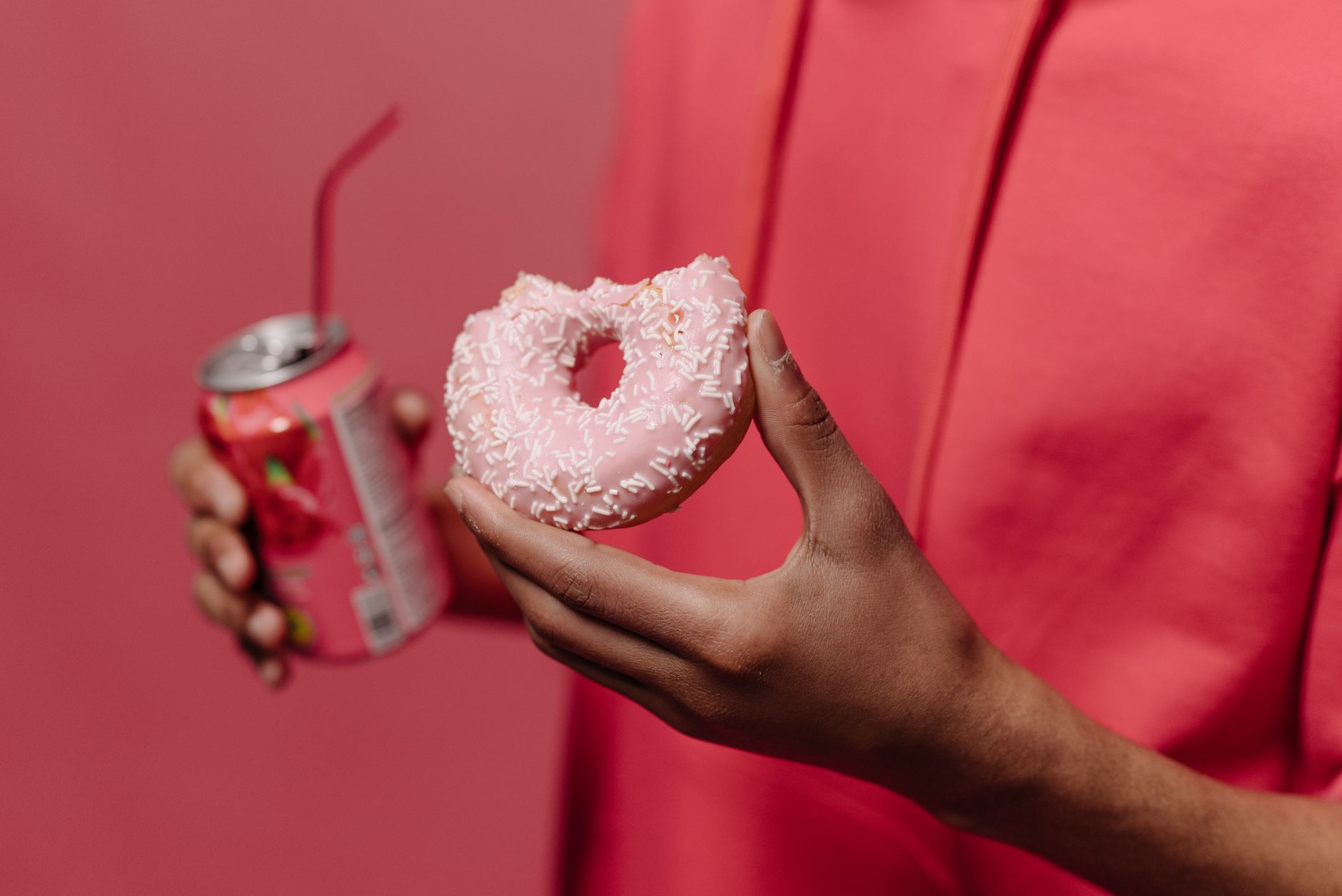
Boo! Since Halloween is this week, it’s a good time to think about what makes this holiday so scary. But it’s not the ghosts, witches, or zombies that come to your door on Halloween night that you should be afraid of. In fact, you don’t even need to wait until dark to get spooked. Some of the scariest costumes may be hiding on your breakfast table—candy and soda dressed up as healthy foods!
While parents may worry about how much candy their children collect on Halloween, they often overlook the candy-like foods their kids eat every day. I share three examples in my Health & Fitness column in the Aiken Standard this week.
Since this is Breast Cancer Awareness Month, many local and national organizations are promoting breast cancer awareness, sharing information about the disease, raising money to support research, and celebrating survivors. This represents the most visible part of a year-round effort to educate about, screen for, and hopefully cure this devastating disease. Of course, these are all worthy goals that deserve our attention and support.
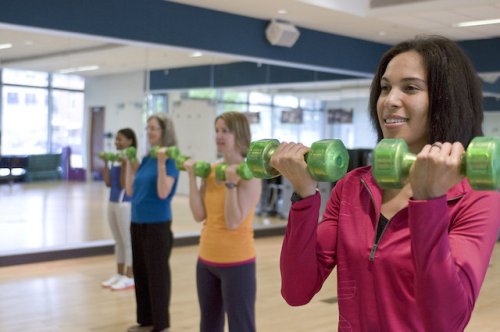
What is often missing, though, are the steps women—especially young women—can take to reduce their risk for, or even prevent, breast cancer. The role of exercise in breast cancer prevention and treatment is the topic of my Health & Fitness column in the Aiken Standard this week.
Approximately 1 in 8 women will develop breast cancer. The American Cancer Society estimates that around 300,000 new cases of breast cancer are diagnosed and about 40,000 women die from this disease each year. Breast cancer can occur in men, but these cases are rare, so the focus is rightfully on women.
Much attention is given to genetic factors that increase the risk of breast cancer, in particular certain gene mutations, including BRCA1 and BRCA2, as well as family history. A woman who has a first-degree relative (mother, sister, or daughter) who has had breast cancer has nearly twice the risk of being diagnosed herself.
Considering that most women diagnosed with breast cancer have no family history, it is also important to try to reduce other modifiable risk factors. This involves making health behavior changes that are probably familiar to most people. Among these is regular exercise.
Regular activity and exercise can lower breast cancer risk by as much as 30%, according to a study of over 3,000 women. The intensity of the activity didn’t seem to matter, so participation in light activity such as housework and gardening was as effective as walking. What did matter was the amount of time spent being active. Women who reported even low amounts of activity showed a 6% reduction in breast cancer risk, but the greatest benefits was seem in women who were active for over 10 hours per week.
Women who exercise regularly also have a lower chance of recurrence of breast cancer. As many as 1 in 5 of breast cancer survivors experience a recurrence within 10 years. Even relatively low levels of exercise may reduce this risk, and women who do exercise have greater rates of survival . The amount of exercise needed to realize these benefits is equivalent to 45–60 minutes of brisk walking five days per week.
Exercise is effective for reducing breast cancer risk because it lowers levels of the hormone estrogen. This is important because estrogen is linked with the majority of breast cancers and is especially relevant for women with estrogen receptor-positive cancers.
Exercise can also reduce the risk of breast cancer by helping with weight control. Excess body fat increases levels of estrogen, resulting in a higher risk of breast cancer diagnosis and recurrence. Regular physical activity is essential for losing weight and keeping it off. Exercise can also help reduce the increased risk of breast cancer that comes with weight gain, something that is common as women get older.
Women who have been active their whole lives have the lowest risk of breast cancer, but it is never too late to start. Women who exercise also tend to handle breast cancer treatment better than women who aren’t active. In fact, post-cancer exercise programs are becoming more common as a way to help women recover from cancer treatment and prevent recurrence.
Other lifestyle changes that can reduce the risk of breast cancer include maintaining a healthy body weight, consuming alcohol in moderation, not smoking, and eating a diet rich in fruits and vegetables. The good news is that these changes will also help you reduce your risk of other cancers, cardiovascular disease, and most other chronic diseases, too.
Now that the extreme heat of our seemingly endless summer weather is behind us, being active outdoors is more enjoyable. October is a great time to get outdoors and go for a walk! That is the spirit of Walktober, an initiative adopted by health organizations, companies, and communities around the globe.
Walking is a great way to be active to help you control your weight, increase your fitness, and improve your health. The most common form of exercise for most people is walking, and for good reason: walking doesn’t require any special equipment (beyond comfortable shoes) or skills, and you can do it almost anywhere. This is the topic of my Health & Fitness column in the Aiken Standard this week.
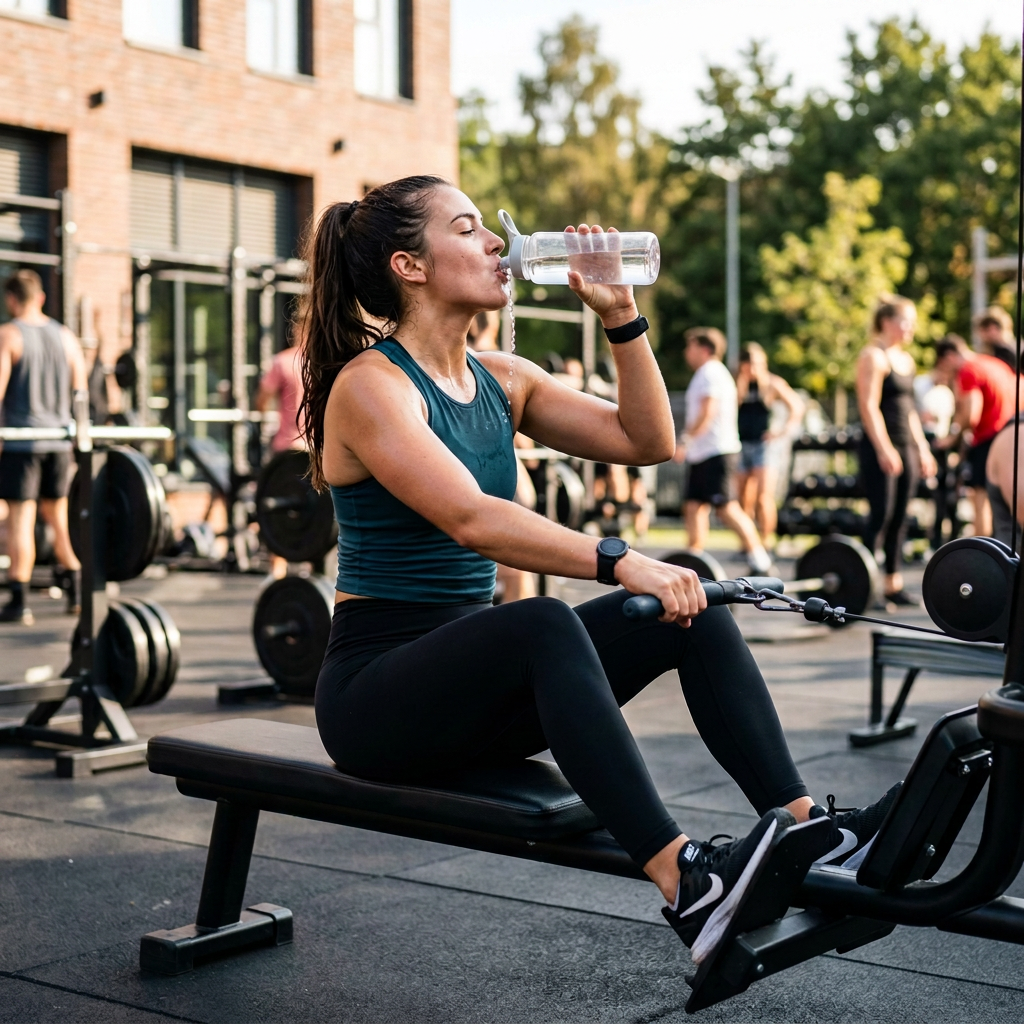
Even though summer is winding down, its still hot, so it’s a good time to talk about a health habit that’s easy to overlook but essential to daily well-being: staying hydrated. You’ve likely heard that drinking water is important, but most of us don’t give it the attention it deserves. Proper hydration supports everything from energy levels to brain function—and when it comes to staying hydrated, plain water is still the best.
This is the topic of my Health & Fitness column in the Aiken Standard this week.
Our bodies are composed of roughly 60% water, and almost every system relies on it. Water helps regulate body temperature, cushions joints, protects organs, and carries nutrients throughout the body. Even mild dehydration—just a 1–2% loss of body weight from fluid—can impact mood, concentration, and physical performance. If you’ve ever felt sluggish, lightheaded, or unusually tired, there’s a chance you are dehydrated and simply needed more water.
While thirst is a natural signal, it’s not always the most reliable indicator. By the time you feel thirsty, you may already be slightly dehydrated. That’s why regular, consistent hydration is a smarter approach, especially for children, older adults, athletes, and people working in hot or physically demanding environments. So, what should you drink to stay hydrated?
In an age of seemingly endless beverage options—energy drinks, sports drinks, juices, sodas, and infused waters—it’s easy to get distracted by promises of vitamins, flavor, or performance. But the reality is, for most people, nothing beats water.
Water is calorie-free, sugar-free, and contains no artificial additives. It hydrates quickly and efficiently, making it the most effective and healthiest beverage choice. Unlike many commercial drinks, it doesn’t contribute to tooth decay, weight gain, or blood sugar spikes. It’s also affordable, widely available, and environmentally friendly, especially when consumed from reusable bottles.
Some people believe that sports drinks are better for hydration, especially during exercise. While those drinks can help during prolonged, intense workouts (think marathon running or other intense exercise), they’re unnecessary for the average person’s daily routine or an exercise session. Most sports drinks contain added sugars that the typical person doesn’t need and may even want to avoid.
Caffeinated beverages like coffee and tea can contribute to your daily fluid intake, but they also have diuretic effects that can cause you to lose fluids. Sugary sodas and fruit juices, while hydrating in theory, often contain more sugar than your body needs. In contrast, water works with your body, not against it.
Staying hydrated doesn’t mean guzzling gallons at once—it’s about consistency. The “eight glasses a day” rule is a helpful general guide, but individual needs vary based on activity level, age, climate, and health conditions. Looking for an easy way to track you hydration? Check your urine. Pale yellow usually means you’re well hydrated; dark yellow or amber suggests you need more fluids.
Making water a daily habit can be simple. Start your day with a glass of water, keep a refillable bottle nearby, and choose water with meals. Add a slice of lemon, cucumber, or fresh mint if you want some variety without the sugar. And remember, fruits and vegetables also help contribute to your fluid intake.
In a world of complicated health advice and ever-changing trends, water remains a timeless solution to a basic need. Prioritizing hydration—especially through water—is one of the simplest ways to support your energy, focus, and long-term health.
So, the next time you reach for a drink, skip the sugar and bubbles. Go for what your body really wants: a cold, refreshing glass of water.
The newly released 2026 American Fitness Index ranks the 100 largest U.S. cities based on the health of their residents and the ways their communities support active living. Commonly called “America’s Fittest Cities,” the annual report from the American College of Sports Medicine looks beyond exercise habits to consider factors such as chronic disease, park access, walkability, recreation facilities, and local policies that make physical activity easier. Beyond the rankings, the report provides guidance for all cities that want to enhance the health and wellbeing of their residents.
The new rankings and what they mean for Aiken is the topic of my Health & Fitness column in the Aiken Standard this week.
The index ranks cities in two broad categories. Personal Health measures residents’ behaviors and health outcomes, including physical activity, diet, sleep, smoking, obesity, diabetes, cardiovascular disease and mental health. Community and Environment evaluates the conditions that support—or discourage—healthy living. These include walkability and bikeability, public transportation, air quality, park access, trails, recreation facilities, and policies such as Complete Streets and school physical education requirements.
Cities receive points for favorable results and lose points for less favorable ones. The combined score is intended to show how successfully a community supports an active, healthy lifestyle.
Arlington, Virginia, ranked first for the ninth consecutive year, followed by Washington, D.C., Minneapolis, Seattle, and Denver. San Francisco, Irvine, Atlanta, Madison and Boston completed the top 10. Arlington led the Personal Health category, while Washington ranked first for Community and Environment.
The report also suggests of a divide in the health of our communities. Higher-ranked cities generally have lower obesity and chronic disease rates, more residents meeting activity guidelines, and stronger walking and biking systems. Still, rankings can change: Richmond, Charlotte, and Virginia Beach made some of this year’s largest gains.
The important lesson is that the healthiest cities make activity part of ordinary life. Residents are more likely to walk, bike, or use public transportation, not necessarily as a workout, but to reach work, school, stores and other destinations. They also have access to parks, trails, and recreation facilities where activity is safe, affordable and appealing.
In other words, being active requires personal responsibility, but our surroundings influence how easy that responsibility is to fulfill. Telling people to exercise is less effective when neighborhoods lack sidewalks, roads feel unsafe for bicycles, parks are difficult to reach, or recreation programs are unaffordable.
Aiken, like many small cities, is not ranked, but the findings still offer a useful guide to make our city “fitter.” We can continue connecting neighborhoods, schools, parks, businesses, and downtown with safe sidewalks, crossings, and bicycle routes. Complete Streets policies can ensure that road projects consider pedestrians, cyclists, older adults, and people with disabilities—not only automobiles. Parks and trails should be well maintained, shaded where possible, and accessible to residents throughout the community.
We can also expand low-cost recreation, support physical education and after-school activity, improve access to healthy food, and provide indoor options during extreme heat or poor weather. Because access alone does not guarantee use, programs and facilities should reflect what residents actually want and need.
Individuals have a role, too. We can use local parks and trails, participate in recreation programs, walk short trips when practical, and speak up when community plans affect opportunities for activity.
The Fitness Index reminds us that a fit city is not simply a place filled with fit people. It is a place intentionally designed to help more people become active and healthy. Aiken may never appear in this particular ranking, but it can still become a community where movement is a normal, safe, and enjoyable part of everyday life.
After a relatively cool start to the summer, the temperature and humidity are up in our area. This is a good time to revisit some commonsense guidelines to make exercise, work, and play outdoors in the summer heat safe and enjoyable for your entire family. This is the topic of my Health & Fitness column in the Aiken Standard this week.
Drink plenty of fluids
When it’s hot you have to sweat to lose heat and maintain your body temperature. High humidity makes sweating less effective, so you sweat even more. Losing lots of water through sweating can lead to dehydration. At the very least, you probably will feel fatigued but in more severe cases dizziness, low blood pressure, and fainting can occur.
For this reason, it is important to drink plenty of fluids before, during and after your outdoor activity. As a general rule, a cup (8 oz.) of water every 15–20 minutes is sufficient for most people. Thirst is a good indicator of fluid needs, but you should take frequent breaks to rehydrate.
Make sure to remind kids to take breaks since they can get so busy playing that they forget. Water, juice, sports drinks, and other soft drinks are equally effective, so pick something you and your kids will drink.
Take breaks
The longer you are active the hotter you will get and you may feel more fatigued because of the heat. Taking frequent breaks will give you a chance to rest, cool down, and get something to drink.
Seek out shade
Being in the sun means that you will feel even hotter because you gain heat from the sun’s rays. Spending as much time as you can in the shade will help you stay cool. While this isn’t always practical for all activities, look for shady spots to take breaks.
Keep in mind that shady areas at will change throughout the day, so plan your trip to the park accordingly. Also be aware that direct sunlight can make outdoor surfaces, like playground equipment, very hot. This is another reason to find shady areas to play.
Pick cool clothes
Lighter colored clothing will reduce heat gain from the sun. Synthetic fabrics that wick sweat from the skin can help keep you feel cooler, too. Some clothing is more resistant to UV rays than others, so look for a higher ultraviolet protection factor (UPF). Obviously, you need to find a balance between protecting your skin and allowing sweat and heat loss to keep you cool.
Wear sunscreen
Sun exposure is the leading cause of skin cancer, and outdoor activity can increase the risk. Always use a broad-spectrum (both UVA and UVB rays) sunscreen with an SPF of 30 or higher and apply—and reapply—it according to the instructions. You should also protect your eyes by wearing a hat or sunglasses.
Avoid the hottest times of the day
Try to plan your outdoor activity in the morning or evening to avoid the hottest times of the day. Keep in mind that the highest temperatures often occur in the late afternoon or early evening, so right after work may not be the best time for outdoor activities. Early in the morning is probably the best time since it tends to be cooler and less humid.
You may not be able to plan all of your activities in the shade or when it is cooler. This is especially true for people who work outdoors. In these cases, drinking plenty of fluids and taking frequent breaks is particularly important. By taking the right precautions, though, you can still enjoy your favorite outdoor activities all summer long.
It’s hot! Whether you are swimming laps or splashing in a lake, swimming is a great way to stay cool and fit this summer. Swimming is also an excellent exercise for improving your fitness and helping with weight loss.
This is the topic of my Health & Fitness column in the Aiken Standard this week.
Many kids are spending at least part of their summer at a camp. Summer camps are more than just a break from school. They play a crucial role in shaping children’s physical activity levels, overall health, and wellbeing. In our increasingly digital world, where sedentary behaviors among children are on the rise, summer camps offer a vital opportunity to counteract this trend and foster active lifestyles. This is the topic of my Health & Fitness column in the Aiken Standard this week.
Summer camps provide a structured environment where children engage in various physical activities throughout the day. This is important because structured physical activity programs during childhood are essential for developing fundamental motor skills, coordination, and cardiovascular fitness.
Camps offer a diverse range of activities such as swimming, hiking, team sports, and outdoor games, which not only keep children physically active but also expose them to different forms of exercise they may not experience otherwise. This variety helps in developing a lifelong interest in physical fitness and encourages children to explore their physical capabilities.
Additionally, regular physical activity during childhood is linked to numerous health benefits, including reduced risk of obesity, cardiovascular diseases, and improved mental health. Summer camps play a pivotal role in addressing these health concerns by providing opportunities for children to meet recommended physical activity guidelines.
Centers for Disease Control and Prevention recommends that children and adolescents engage in at least 60 minutes of moderate to vigorous physical activity daily. Summer camps often exceed this recommendation through structured sessions and active play, contributing significantly to children’s physical health.
Beyond physical health, summer camps also support children’s overall wellbeing. Engaging in outdoor activities and spending time in nature have been associated with lower stress levels and improved mood. Camp experiences foster social connections and teamwork, which are essential for emotional development and building resilience. The camp environment encourages positive peer interactions and helps children develop interpersonal skills, empathy, and self-confidence. These social and emotional benefits contribute to a holistic sense of wellbeing among camp participants.
Furthermore, summer camps serve as a platform for promoting lifelong habits of healthy living. The skills and habits children learn at camp, such as teamwork, sportsmanship, and the enjoyment of physical activity, can translate into sustained behaviors beyond the camp environment.
Research suggests that early exposure to enjoyable physical activities increases the likelihood of continued participation in adulthood. By instilling a positive attitude towards physical activity and health at an early age, summer camps play a preventative role in combating sedentary lifestyles and associated health risks later in life.
Summer camps are important for promoting children’s physical activity, health, and overall wellbeing. Through structured activities, exposure to outdoor environments, and fostering social connections, camps create a conducive environment for children to thrive physically, emotionally, and socially. Research underscores the importance of such experiences in laying the foundation for a healthy lifestyle and reducing the risk of chronic diseases.
Therefore, investing in summer camps and ensuring access to quality programs is not only beneficial for individual children but also for public health initiatives aimed at combating childhood obesity and promoting wellbeing. Summer camps represent more than just a recreational opportunity; they are a cornerstone in nurturing active, healthy, and resilient children.
The school year ends soon for kids in our area. Long summer days to play, sleep in, and relax are an important part of growing up. But many educators and health professionals are concerned about what gets lost, and what gets gained, when kids are away from school. It’s also the topic of my Health & Fitness column in the Aiken Standard this week.
Summer learning loss is a real concern. It is estimated that children lose, on average, two months of reading skills and one month of overall learning over summer break. Those losses must be made up when school starts again in the fall, so teachers spend about six weeks re-teaching material that was covered in the previous grade. That is six weeks that children are not learning at grade level, which certainly has an impact on achievement over time.
Not all kids are affected equally. Much of the disparity in summer learning losses falls along socioeconomic lines. Some children have more opportunities than others to continue learning over the summer through formal educational programs and camps and informal encouragement to read.
To address this issue, many institutions implement summer “school” through classes, on-line learning programs, and encouraging reading at home. Some target the students who need them the most while other programs are instituted for all children. In fact, all three of my kids completed online learning programs last summer.
Learning losses are not the only concern with an extended break from school. Many children gain more weight over the summer than during the rest of the year. Furthermore, fitness gains made during the school year are frequently lost over the summer.
While poor nutrition and a lack of activity in schools is a real concern, many children get more exercise and eat better at school than they do at home. Being at home over the summer can lead to poor eating habits—too much unhealthy food or not enough food in general—and lack of chances to be active.
This is important because the combination of poor nutrition, physical inactivity, and obesity has physical, psychological, and social consequences for children that frequently persist into adulthood. Overweight and obese children, especially those who are inactive, are at increased risk for type 2 diabetes, high blood pressure, heart disease, and even stroke – conditions usually associated with adulthood.
Even if an overweight child does not have these conditions now, he or she is likely on that path. In fact, many experts predict that children born today will be the first generation in history to have a shorter lifespan than their parents due to obesity-related diseases that begin in childhood.
Children who are overweight are also more likely to suffer other consequences including lower self-esteem, social functioning, and academic performance. Overweight children are also less likely to play sports or participate in other forms of physical activity, which creates a cycle leading to poorer health and, potentially, poorer academic success.
Now that school is almost out for the summer, this is a critical time of year to focus on good nutrition, physical activity, and continued reading and learning to help prevent a summertime slump in health and academics.
Schools can only do so much, so adults should model good diet, activity, and reading behaviors themselves. A good place to start is by turning off the TV and reading a book or going outside to play. It’s something all of us—adults and children—will benefit from.
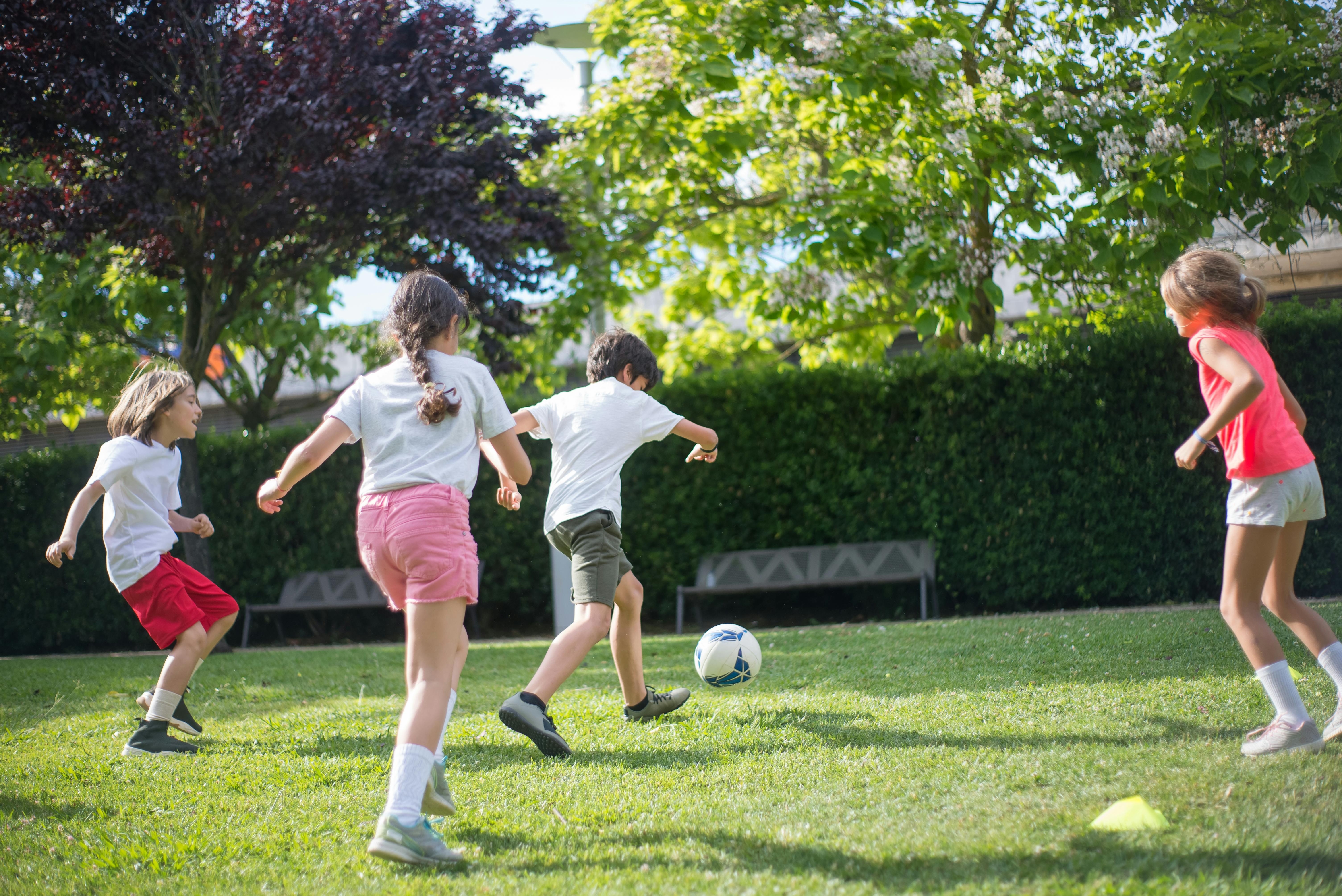
Since May is National Physical Fitness and Sports Month, it’s a good time to think about the vital role of youth sports in promoting fitness and health. This is the topic of my Health & Fitness column in the Aiken Standard this week.