Tag Archives: nutrition

Follow the new Dietary Guidelines for Americans? Would if I could.

The most recent update to the Dietary Guidelines for Americans was released earlier this month. This is the latest attempt to provide us with information about what we should eat—and not eat—to stay healthy. The new guidelines, and why they may be difficult for many people to follow, are the topic of my Health & Fitness column in the Aiken Standard this week.

Good food display


Like past updates, there is some debate about the recommendations in the current guidelines. Uncertainly about the role that specific foods and nutrients (saturated fat, for example) play in promoting health and political influence from segments of the food industry are causes for criticism of these guidelines.

Despite the controversy, the guidelines do provide some good advice for us to follow. For example, they recommend that we eat a variety of fruits and vegetables, something that almost everyone agrees is healthy. Refined and processed grains should be limited in favor of whole, unrefined grains. Furthermore, added sugars should be avoided. There is good support for these recommendations, and the distinction is a welcome one. The recommendations for fat are a bit less clear, but the guidelines steer us toward “healthier” fats from plants, including nuts and seeds.

No doubt, everyone could experience some health benefits from eating more fruits and vegetables, favoring whole grains over refined, and limiting the consumption of processed foods containing added sugars. In my mind, the problem isn’t the recommendations themselves (although I might make some changes), it’s the fact that following them is challenging, if not impossible, for many people.

First, access to fresh fruits and vegetables is limited for many people, either by availability or by cost. The well-meaning advice to shop the perimeter of the grocery store avoids many of the unhealthy processed foods that are found in the center aisles of most stores, but it also results in a cart filled with more expensive produce, dairy, and meat. Many people simply can’t afford or shop this way, so the prepackaged, processed foods and meals are practically a necessity.

Second, making smart decisions in the grocery store and in restaurants requires that you have some nutrition knowledge. At the very least, reading food labels is essential. Unfortunately, the “label language” used to make nutrition claims on the front of packages and the less-than-complete information on the Nutrition Facts panel makes this challenging. Claims like “fat free” and “no high-fructose corn syrup” may seem to indicate a healthier choice, when in reality these foods are often no better than the alternatives on the next shelf.

Even though interpreting and following the new Dietary Guidelines for Americans can be challenging, it is still important to try. Making real food, as opposed to processed, prepackaged “food,” your first choice whenever possible will go a long way toward making your diet healthier. This will certainly involve putting more thought into what you eat, and you may find yourself preparing more meals at home rather than eating out.

And try not to worry too much about the debate about which foods and nutrients are the healthiest. If you select food that is as close to its natural state as possible you are likely to make good choices. For example, choose plain beef, poultry, and fish as opposed to flavored, cured meats. The same is true for dairy products like yogurt—watch out for lots of added sugar!

Regardless of what the current and future Dietary Guidelines say, you should strive to follow advice of author Michael Pollan: Eat food, not too much.


Nutrition, exercise, and health information can be confusing. 
But it doesn't have to be that way.
What can I help you with?
 drbrianparr@gmail.com | http://twitter.com/drbrianparr


How washing your hands, going for a walk, and getting enough sleep can make this a healthy New Year!

Now that the holiday season is behind us and 2016 is underway we can focus on our goals and resolutions for the new year. Staying healthy is essential for achieving these goals, whatever they may be. Unfortunately, the natural spread of cold and flu viruses at this time of year can interfere with your plans. The good news is, there is much you can do to reduce your risk of getting sick, which I explain in my Health & Fitness column in the Aiken Standard this week.

sneeze


For starters, getting a flu vaccine is the most important thing you can do to prevent seasonal influenza (flu). And it’s not too late if you haven’t gotten your flu shot yet. You can also protect yourself by not touching your eyes, nose, or mouth and by washing your hands frequently with soap and water or using an alcohol-based hand sanitizer. You have probably been doing it wrong, so you may want to learn this song.

Exercise can have a positive effect on your immune system. People who exercise on a daily basis have fewer and less severe colds and have up to 50% fewer sick days than those who aren’t regularly active. Research in animals and humans shows that exercise increases the activity of certain immune cells called helper T cells. This makes the immune system response to viruses, like the cold and flu, more robust. The strongest evidence is seen when the exercise is moderate in intensity and duration, such as a 30–60 minute walk or jog each day.

More exercise isn’t always better, though. Very vigorous and prolonged exercise can have the opposite effect. Athletes who engage in long, intense training tend to be more susceptible to upper respiratory infections. Research shows that immune function is depressed in the weeks leading up to and after running a marathon, resulting in an increased risk of becoming sick. The bottom line is that while exercise improves your immune system, very vigorous exercise may not.

Regular exercise also enhances the immune system response to the influenza vaccine. This means that the flu vaccine can be more effective in people who exercise. If you don’t exercise already, you can still benefit: one study showed that a single 45 minute exercise session can improve the immune response to the flu vaccine. You can get this benefit by going for a brisk walk before your flu shot.

Good nutrition is also important for optimal immune system function. Deficiencies of certain nutrients can have a negative effect on immune function, so eating a balanced diet is essential. That said, there is no support for “boosting” the immune system by taking high doses of vitamins, minerals, or other supplements, despite the claims made by supplement companies. In fact, one supplement company paid $23 million to settle a class action lawsuit regarding false claims that it prevented colds.

You can get benefits from two more common-sense recommendations: getting adequate sleep and reducing stress. Poor sleep habits are associated with suppressed immunity and more frequent illness. Sleep deprivation can also reduce the positive immune response to a vaccine. Another study showed that sleep following a vaccination enhanced the effectiveness of that vaccine. High levels of stress increase susceptibility to colds and the flu and can lead to more sick days from work or school. Stress and poor sleep habits tend to occur together, creating a double negative effect on the immune system.

In order to have your best chance of staying healthy this year you should exercise every day, eat a healthy diet, manage your stress, and get enough sleep in addition to following the traditional advice to get a flu shot, wash your hands frequently, stay away from people who are sick, and stay home yourself if you are ill. As a bonus, many of these habits will also help you lose weight and reduce your risk of diabetes, heart disease, and some cancers along with keeping you healthy this cold and flu season.


Nutrition, exercise, and health information can be confusing. 
But it doesn't have to be that way.
What can I help you with?
 drbrianparr@gmail.com | http://twitter.com/drbrianparr

The truth about restaurant salads

If you are looking for a healthy option for lunch or dinner at a restaurant, especially if you are trying to lose weight, chances are you will consider a salad. It turns out that at most fast-food and casual dining restaurants, salads may not be the low-calorie or low-fat choice you were expecting. However, ordering a salad can still be a healthy option, as I explain in my Health & Fitness column in the Aiken Standard this week.

Big salad


We think of salads as being a healthy choice because they contain lots of vegetables which are low in calories and high in vitamins, minerals, and fiber. But most restaurant salads are more than just vegetables. At a minimum, you would add salad dressing and many salads also include nuts, fruit, chicken, bacon, or cheese, all of which add fat and calories.

Salad dressing alone can add hundreds of calories. Creamy dressings like ranch and blue cheese tend to be higher in both calories and fat than vinaigrettes. In many cases the salad has more calories than the sandwich or entree you would have ordered instead.

As an example, consider the Premium Bacon Ranch Salad with Crispy Chicken at McDonald’s. This popular salad contains 490 calories and 29 grams of fat. Compared to a Big Mac, which has 540 calories and 29 grams of fat, this salad doesn’t seem like such a healthy option. You could improve the salad by switching from fried chicken to grilled chicken and save 180 calories and 15 grams of fat.

The real problem is the ranch dressing—one packet contains 200 calories and 17 grams of fat. You could skip the dressing altogether, but a more reasonable approach is to switch to the Low-Fat Balsamic Vinaigrette, with only 35 calories and 1.5 grams of fat. Want to really cut calories? The salad with the vinaigrette dressing and no chicken has only 230 calories, almost 300 fewer than the version with crispy chicken with ranch dressing or the Big Mac!

Despite the fact that many restaurant salads have calorie and fat content similar to burgers and other entrees, it doesn’t make them a bad choice. The salad does contain several cups of vegetables, which means it is higher in vitamins, minerals, and fiber than a burger. The salads at McDonalds have about twice as much fiber as most sandwiches.

Think of it this way: the salad may be equivalent to a burger as far as fat and calories go, but it comes with a serving (or more) of vegetables. And the salad is even healthier when you consider that the sandwich would undoubtedly come with fries! One more point: I use McDonald’s as an example here, but the same holds true for salads at other fast food and casual dining chain restaurants.

What if you are at a restaurant and want to order a salad? What can you do to make it healthier? You could order a side salad. Given the huge portions at most restaurants, this smaller serving might be enough. You can also limit the toppings, especially meat and cheese, and choose a lower-calorie dressing. Another tried and true option is to ask for the dressing on the side so you can add just as much as you want. And don’t forget, you can always share one of the large salads with a friend or save half for another meal.

The bottom line is that salads at restaurants can be as high in calories and fat as other “unhealthy” menu items, but they do provide a serving of vegetables you might otherwise miss. And by making a few choices, you can create a salad that is a healthy, low-calorie option.


Nutrition, exercise, and health information can be confusing. 
But it doesn't have to be that way.
What can I help you with?
 drbrianparr@gmail.com | http://twitter.com/drbrianparr


Forget about low-carb, go smart carb.

Nutrition advice tends to be complicated and contradictory, making simple answers to the question, “What should I eat?” anything but simple (but you still need to do it!). This is particularly true when it comes to carbohydrates. On one hand, current recommendations call for carbohydrates to be the major part of your diet. On the other hand, low-carbohydrate diets are at odds with these recommendations but are still very popular.

For example, the Atkins diet restricts all carbohydrates, including refined grains and sugars. The Paleolithic diet emphasizes minimally processed foods that may have been consumed by our ancient ancestors including lean meat, eggs, fruit, and vegetables while restricting the consumption of grains and added sugars. Both have been shown to promote weight loss better than traditional low-fat diets.

Proponents of low-carbohydrate diets claim that restricting carbohydrates promotes fat loss and eating carbohydrates leads to fat storage and weight gain. It is also likely that people who follow low-carbohydrate diets find them easier to stick to than other diets, so they may actually end up eating fewer calories.

But the problem may not be carbohydrates in general, it might be eating too few of the right carbohydrates. Given that September is Whole Grains Month, this seems like a good time to explore the benefits of going smart-carb instead of low-carb. This is the topic of my Health & Fitness column in the Aiken Standard this week.

Food grains


Sources of carbohydrates include whole grains (such as whole wheat bread), refined grains (white bread), and sugars. Both refined grains and sugars tend to raise blood glucose rapidly, called the glycemic index, which leads to an increase in certain hormones, including insulin. Insulin stimulates the uptake of nutrients into cells, including the storage of fat in adipose tissue. This is one reason why carbohydrates are linked to fat gain and why restricting carbohydrates leads to fat loss.

But carbohydrates from whole grains don’t raise either blood glucose or insulin as much. This “low and slow” response has several benefits, including improved blood glucose regulation, lower triglycerides, and, potentially, reduced fat storage. For these reasons, complex carbohydrates from whole grains are called “good carbs,” in contrast to refined grains and sugars, known as “bad carbs.”

Considering that the typical American diet contains too much carbohydrate from sugars and refined grains and not enough whole grains, restricting carbohydrates may have some benefits. But there is another approach: be smart about your carbohydrate choices. Instead of cutting out all carbohydrates, focus on reducing refined grains and sugars and emphasizing whole grains.

You can meet this goal by limiting your intake of sugars, especially added sugars, and refined grains while increasing your consumption of whole grains, fruits, and vegetables that are high in fiber. When comparing food labels, look for foods that contain whole grains (the first ingredient should be something like “whole wheat flour”) and higher levels of fiber. But be aware that some foods, like many breakfast cereals, contain whole grains but are also high in added sugar. The best advice is to get the majority of your carbohydrates from real food, including vegetables, fruits, whole grains, and legumes, rather than from processed foods.

Something to keep in mind is that although low-carbohydrate diets are associated with weight loss and good health, they are not the only way to achieve these benefits. Indeed, people who are considered to be fit and healthy have a wide range of eating patterns, from vegetarian and low-fat diets to extreme low-carbohydrate diets and everything in between. The one factor they have in common is that they are active. It may be that regular exercise is just as important as what you eat when it comes to promoting health.


Nutrition, exercise, and health information can be confusing. 
But it doesn't have to be that way.
What can I help you with?
 drbrianparr@gmail.com | http://twitter.com/drbrianparr

It’s not your fault, but it is your responsibility.

Eating well and being physically active are two of the most important things you can do to promote good health. But knowing you should do these things does not always mean it is easy to actually do them.

Despite the simplicity of the message “eat healthy and exercise,” many people struggle with knowing exactly what to do and how to do it. This is largely due to the complicated and ever-changing nature of nutrition and exercise information and the fact that most people receive no education in these areas.

You may even feel like the information you read and hear is designed to confuse you. That may be true, considering that much of the nutrition information we get comes from food companies that are trying to convince us to buy their products. Even scientific research can yield conflicting results, challenging even the most knowledgeable professionals, myself included, to make sense of it. And even if you do decide to make eating or activity changes, the “best” diet or exercise program claims may make you wonder if you made the right choice.

Given this, it’s not your fault if you struggle to understand basic health information and recommendations. But it is your responsibility to learn as much as you can to make the best choices for you and your family.

This is the topic of my Health & Fitness column in the Aiken Standard this week

Man shopping in supermarket

This won’t be easy, of course. The popular media, as well as social media, promote confusion and false promises about nutrition by making claims that some foods are “toxic” while others are “superfoods.” The old good carb, bad carb or good fat, bad fat arguments have been given a new life as eat this, not that lists. The problem is that many of these claims are not supported by science. The research that is done often yields complicated or conflicting results that aren’t explained in a way that actually helps people make good decisions.

The same is true for exercise. No one doubts that exercise and physical activity are essential for good health, but there are conflicting claims about specific benefits of exercise and what the best form of exercise really is. This can lead to the idea that if you aren’t doing the right exercise, it doesn’t count. Nothing could be further from the truth! While there are reasons why some athletes might want specific types of training, the majority of people can benefit from simply spending less time sitting and going for a walk each day.

So, what can you do? Given the confusing and changing nutrition recommendations it’s best to focus on what hasn’t changed. That is, to focus on eating real food rather than processed, prepackaged foods. Planning meals and snacks to include fruits, vegetables, whole grains, nuts, legumes, lean meat, eggs, and dairy should give you plenty of healthy fats, carbohydrates, and proteins.

Instead of worrying about the “perfect” exercise, make it your goal to do something active for at least 30 minutes every day.  Beyond that, dedicating time for aerobic, strength, and flexibility exercise will bring greater benefits. Remember, the best exercise for you is the one you will do! Seek advice from people you trust and credible professionals, but remember that if it sounds too good to be true, it probably is.

Your responsibility isn’t to understand all of the nutrition, exercise, and health information you hear. It’s to make an effort to make a few simple, healthy choices despite that confusing information: Sit less, move more, and eat real food.


Nutrition, exercise, and health information can be confusing. 
But it doesn't have to be that way.
What can I help you with?
 drbrianparr@gmail.com | http://twitter.com/drbrianparr

How much protein do you need?

Recently I wrote about carbohydrates, fats, and protein, the major sources of energy in our diet. Getting sufficient amounts of these nutrients is essential to promote good health and exercise performance. Given the current trend of low-carbohydrate diets and an emphasis on protein for everything from fitness to weight loss, many people have wondered about how much protein they should eat. This is the topic of my Health & Fitness column in the Aiken Standard this week.


Good food display

As you might expect, protein needs vary from person to person for a variety of reasons. For example, an athlete who is working out to add muscle or training for a triathlon needs more protein than a person who does less strenuous exercise. Despite these individualized protein needs, there are some broad recommendations that apply to most people.

There are two ways to estimate the amount of protein a person needs, both of which you may be familiar with. One is to recommend a certain amount of protein, in grams, based on body weight. The RDA, the amount that meets the needs of almost all healthy adults, is 0.8 grams of protein per kilogram of body weight (g/kg) per day. You can calculate your protein requirement by multiplying your body weight by 0.4, so a 200 lb. person would require about 80 g protein per day. (You can also use an online calculator, like this one)

Meeting this protein requirement isn’t very difficult. A four-ounce serving of meat contains about 30 grams of protein, an egg has 6 grams, and a cup of milk has 8 grams. Plants contain protein, too—whole grain bread and cereal has about 4 grams per serving, and one cup of cooked beans contains about 15 g. Getting enough protein is important, but there is little benefit to eating more protein than you need and excessive intake could cause health problems.

In general, most adults get enough protein but children, women who are pregnant, and older adults should make an extra effort to eat protein-rich foods. Vegetarians and vegans, especially athletes, need to carefully plan meals to get enough protein and the right balance of amino acids to meet health and performance requirements.

The other way to estimate protein needs is based on the number of calories you eat. According to the Institute of Medicine, the acceptable range for protein is between 10–35% of total calories. If you eat 2,000 calories each day, this would equal 50 to 175 grams of protein each day. For someone who weighs 200 lbs, this would be between 0.5 and 2.0 grams of protein per kilogram. Notice that the RDA fits within this range, which accounts for the protein requirements of nearly everyone, including people who have very high protein needs.

While the RDA is sufficient for most healthy people, even those who exercise regularly, it may be too low for athletes engaged in strenuous endurance or strength training. The protein requirement for endurance athletes, including runners, cyclists, and triathletes, is 1.2–1.4 g/kg per day. Athletes who are training to add muscle mass and strength—think football players in the offseason—need even more protein: 1.2–1.7 g/kg per day. This should meet both energy needs to fuel training sessions and provide adequate protein for muscle repair and growth.

For most of us, though, the focus should not be on eating more protein but to get our protein from healthy sources. For starters, several servings of protein-rich lean meat, eggs, and dairy as well as whole grains, legumes, and vegetables should meet protein needs. The emphasis should be on real food rather than processed foods with added protein. After all, no amount of granola bars with added protein will make you healthier!


Nutrition, exercise, and health information can be confusing. 
But it doesn't have to be that way.
What can I help you with?
 drbrianparr@gmail.com | http://twitter.com/drbrianparr
Know your nutrients: Protein

For the last two weeks, I have written about carbohydrates and fats. This week in my Health & Fitness column in the Aiken Standard I am covering protein, another essential macronutrient in your diet.

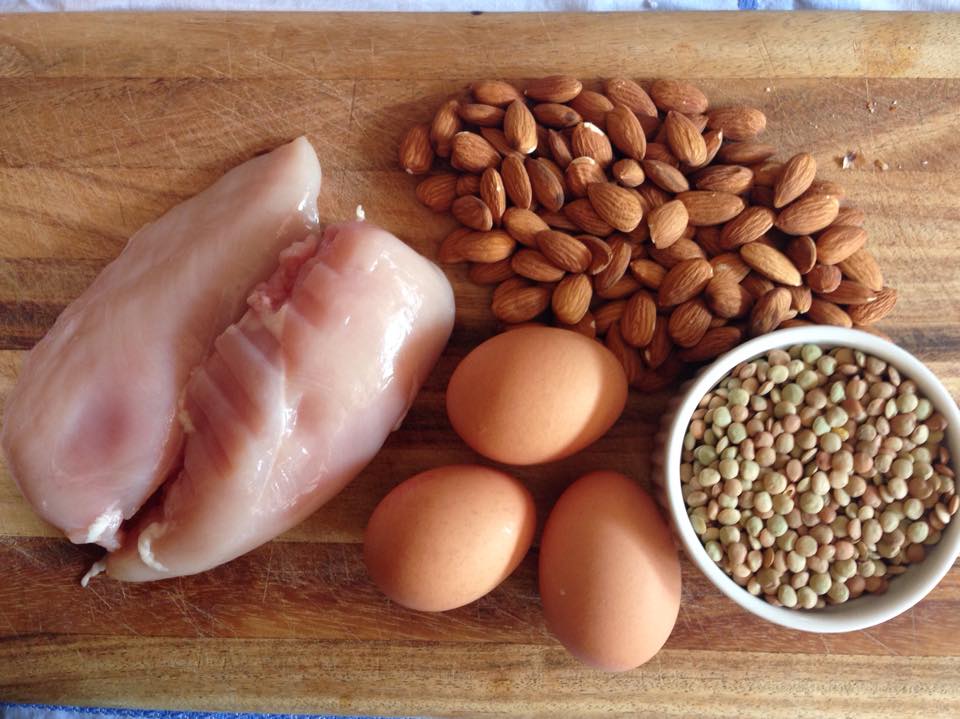
Protein-rich_Foods


Protein is part of all cells and is the main component of muscles. Proteins are made up of building blocks called amino acids. The human body requires 20 amino acids for the synthesis of its proteins. Your body can produce some of these amino acids, so they are called non-essential because you do not need to get them from your diet. There are nine essential amino acids that cannot be made by the body and are obtained only from food. If the protein in a food supplies enough of the essential amino acids, it is called a complete protein. An incomplete protein is one that does not supply all the essential amino acids.

All meat and other animal products are sources of complete proteins. These include beef, lamb, pork, poultry, fish, shellfish, eggs, milk, and milk products. Protein in plant foods (such as grains, legumes, nuts, fruits, and vegetables) are either low in or lack one or more of the essential amino acids. These food sources are considered incomplete proteins. One exception is soy protein, which contains all of the essential amino acids.

Plant proteins can be combined to form a complete protein. This is called complementing. Examples of complementing plant proteins are food combinations such as rice with beans or black-eyed peas, beans with corn or wheat tortillas, and hummus, which combines chick peas with sesame paste. Since plant sources of protein are lower in fat and higher in fiber than meat, there are health benefits from getting more protein from plants.

A diet low in protein could lead to poor growth in children or result in muscle loss. For this reason, many people, especially athletes, are concerned about their protein intake. The typical diet for most people contains more than enough protein, so this concern is often unwarranted. People who follow vegetarian or vegan diets do need to pay extra attention to their protein intake. This is especially true for vegetarian athletes.

The amount of recommended daily protein depends on age, medical conditions, and activity level. The recommended intake for protein is 0.8 g protein per kg of body weight (or about 0.4 g protein per pound), so a 200 lb. person would require about 80 g protein per day. In general, two to three servings of protein-rich food will meet the daily needs of most adults. For example, four ounces of meat contains about 40 g protein, one cup of cooked beans contains about 15 g protein, and two slices of whole wheat bread have about 6 g protein.

Protein needs are higher for children, pregnant women, and athletes. That said, the average American’s protein intake is sufficient for most of these special situations. While athletes who are training to add muscle require much more protein than the typical adult, the average intake of most athletes is sufficient to meet these needs. In cases when it is not, the recommendation is to get extra protein from food, not supplements.

Since you probably get enough protein in your diet already, you should focus on healthier sources of protein. Select lean meat, poultry without skin, fish, lentils, and legumes often. Also try adding soy protein to your diet by eating tofu, soy milk, and soy beans (edamame) since soy protein contains beneficial compounds called phytochemicals. As always, you should get your protein by eating naturally protein-rich foods rather than through supplements or processed foods with added protein.


Nutrition, exercise, and health information can be confusing. 
But it doesn't have to be that way.
What can I help you with?
 drbrianparr@gmail.com | http://twitter.com/drbrianparr
Aside

We have known for a long time that kids who spent more time watching TV were more likely to be obese. This was thought to be due to the fact that sedentary time in front of the television replaced physical … Continue reading →

Know your nutrients: Carbohydrates

Nutrition and healthy eating are common themes in my writing, so it seems appropriate to provide more information about the major nutrients in our diets: carbohydrates, fats, and protein. These nutrients provide nearly all of the calories we eat and have a large impact on our health. Given the importance of these nutrients, there tends to be much confusion about the different forms they come in and how much of each we should eat.

In my Health & Fitness column in the Aiken Standard this week I  begin with carbohydrates. If this looks familiar, there is good reason: I have written about this topic in the past. Considering that I am asked basic questions about carbohydrates (and fat and protein) frequently, it is worth revisiting. Plus, it’s summer vacation so I am giving myself a bit of a break!


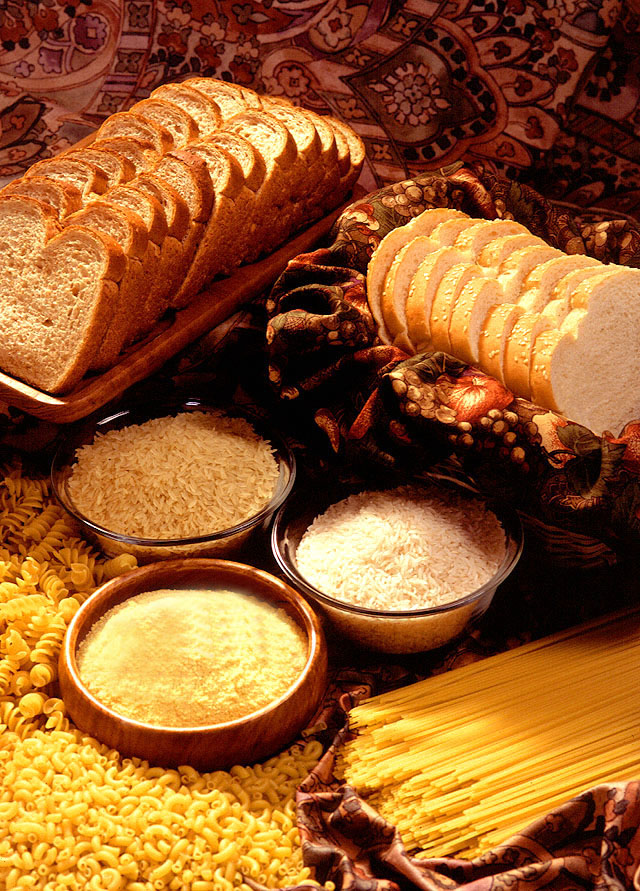
Starchy-foods

Carbohydrates are an important energy source in your diet. All carbohydrates contain four calories per gram. Grains, fruits, and vegetables are good sources of carbohydrates. Carbohydrates include starches, naturally occurring and added sugars, and fiber.

Carbohydrates are produced as a result of photosynthesis in plants and are stored as complex carbohydrates or starches in grains and many vegetables and as simple sugars in other vegetables and fruits. When you eat carbohydrates, your body breaks down the starches and converts the sugars to glucose, or blood sugar, which is used for energy.

The extent to which a food affects blood glucose is called the glycemic index, or GI. Refined carbohydrates, like white rice, pasta, and flour, and sugars typically have a high glycemic index, meaning they cause spikes in blood glucose. Whole grains, like whole wheat, whole oats, and brown rice, have more of a “low and slow” effect on blood glucose. This can help with blood glucose control and may affect appetite. For these reasons, low GI foods like complex carbohydrates from whole grains are called “good carbs,” in contrast to high GI refined grains and sugars, known as “bad carbs.” In reality, the glycemic index can provide a guide for selecting carbohydrates in the diet, but is no guarantee you are making healthy choices.

Carbohydrates also include fiber, the nondigestible portion of plants. Whole grains, fruits, and vegetables are rich sources of fiber while refined grains and sugars contain little, if any, fiber. Fiber comes in two forms, soluble and non-soluble. Non-soluble fiber, also called roughage, promotes good digestive health. Soluble fiber, like that found in oats, may help lower blood cholesterol. Studies show that diets higher in fiber tend to promote weight loss over time.

You should make an effort to reduce your intake of sugars, especially added sugars, in your diet. Even though all sugars have the same number of calories, foods and beverages containing added sugars should be avoided. Look for “corn syrup” and “high fructose corn syrup” on the label to identify added sugars. You may be surprised how much added sugar you consume! Fruits or 100% fruit juices are a healthy choice since they are rich in vitamins and minerals, even though they contain sugar.

Carbohydrates should be the major part of your diet. Current recommendations call for 45–65% of your daily calories to come from carbohydrates, so a person who eats 2000 calories per day should consume about 300 grams of carbohydrate. Sugars should be limited to less than 10% of calories, so the majority should be complex carbohydrates.

You can meet this goal by reducing your intake of sugars, especially added sugars, and refined grains while increasing your consumption of whole grains, fruits, and vegetables that are high in fiber. When comparing food labels, look for foods that contain whole grains (the first ingredient should be something like “whole wheat flour”) and higher levels of fiber. But be aware that some foods, like many breakfast cereals, contain whole grains but are also high in added sugar.

The best advice is to get the majority of your carbohydrates from real food, including vegetables, fruits, whole grains, and legumes, rather than from processed foods.


Nutrition, exercise, and health information can be confusing. 
But it doesn't have to be that way.
What can I help you with?
 drbrianparr@gmail.com | http://twitter.com/drbrianparr


Affordable care acts

The Affordable Care Act is in the news again, this time because the U.S. Supreme Court recently ruled on the legality of subsidies offered to help people afford health insurance. Health care has long been an important and contentious topic in both political and social circles. Given the importance that accessing quality health care has for everyone, it is unfortunate that promoting good health has turned into a political debate.

In addition to expanding access to health care, the Affordable Care Act should also make it easier for people to get preventive care. This is important since preventable chronic diseases including diabetes and heart disease, are among the leading causes of disability and death as well as contributing to high health care costs. It turns out that adopting some simple lifestyle modifications can go a long way toward making you and your family healthier, as well as saving money.

This is the topic of my Health & Fitness column in the Aiken Standard this week.

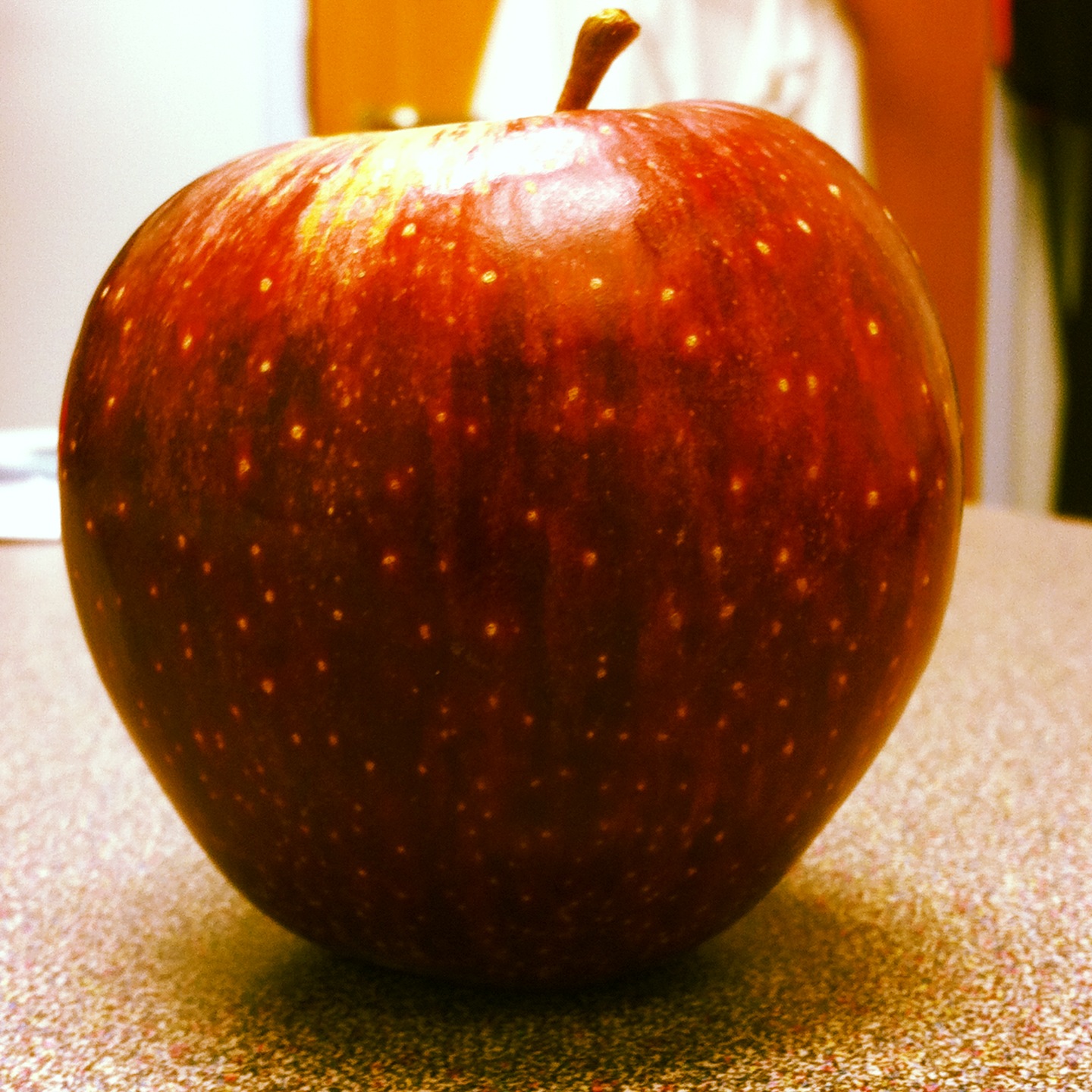
2013-10-24 15.59.46


Here are a few affordable care acts you can implement today:

1. Move more

Significant health benefits, including weight loss and improved fitness, can be achieved with as little as 30 minutes of activity per day, but more is better. The activity doesn’t have to be “exercise.” It can include walking the dog, yard work, or house work. Research shows that sitting too much is just as unhealthy as not exercising. Spending less time sitting at work, home, or in the car is another easy way to improve health. And getting up and moving for even a few minutes is better than staying seated for long periods of time. Every little bit of activity really does count.

2. Eat smart

Making dietary changes can be difficult, but a few simple changes can lead to big benefits. Eating more real food including fruits, vegetables, whole grains, and lean meats and less added sugar is a good place to start. Fresh fruits, vegetables, and whole grain bread, pasta, and cereals are rich in vitamins, minerals, and fiber and most are low in calories. Eating less added sugar in sweets and processed foods can help you cut down on calories and lead you toward healthier food choices. Controlling portion sizes plays as big of a role in weight gain and loss as the types of food you eat, so pay attention to how much you eat, especially when you eat out. Chances are, it is more than you think!

3. Chill out.

Reducing and managing stress is essential for good health. Uncontrolled stress can lead to high blood pressure, poor immune function, and weight gain. Daily exercise will help, as will using stress management techniques like progressive relaxation. When you can, avoiding stressful situations is wise. Taking time to do something you enjoy each day is a good idea, too. Getting enough sleep (most adults require 7–9 hours) is also important for good physical and mental health.

4. Don’t smoke

Cigarette smoking more than doubles your risk of heart disease and stroke, and is by far the leading cause of lung cancer and other lung diseases. If you smoke, quitting now is one of the most important things you can do to improve your health—and the health of those around you. Nicotine replacement therapy and prescription medications can help, but quitting really does require serious dedication. It’s well worth the effort and the benefits of quitting can be realized almost immediately.

Regular activity, quitting smoking, managing stress, and the types of dietary changes described here can have a profound effect on preventing and treating many health problems. Best of all, these affordable care acts are basically free to implement and can lead to both health and financial savings now and in the future.


Nutrition, exercise, and health information can be confusing. 
But it doesn't have to be that way.
What can I help you with?
 drbrianparr@gmail.com | http://twitter.com/drbrianparr