Turning back time with exercise

My Health & Fitness column in the Aiken Standard this week is about the benefits of exercise…again. This time I focus on how exercise can improve strength, endurance, and bone density that tend to decline with age. Best of all, the benefits can be realized at any age—it’s never too late to start!


The benefits of regular exercise for everyone from childhood through old age are well-known. Children who are physically active establish healthy habits and do better in school than their peers who are more sedentary. Young adults who exercise are more likely to be active as they age, reducing their risk of heart disease, cancer, and other chronic diseases.

Older adults can maintain their memory, cognitive function, and ability to complete everyday activities by improving their fitness. At all ages, physical activity helps people maintain a healthy body weight.

Ideally, people would be active throughout their entire lifespan. What is more common, though, is that activity in childhood and young adulthood is replaced by a lifestyle that becomes increasingly sedentary over time. This can lead to a pattern of weight gain and declining fitness.

For many people the consequences may not be immediate, so there is no clear sign that the lack of exercise is having negative effects. But make no mistake, the health effects of inactivity accumulate over time eventually leading to conditions like obesity, heart disease, and osteoporosis.

Aside from the risk of chronic disease, years of inactivity can result in poor strength, endurance, and flexibility. This can lead to increased risk of injury and difficulty completing work and leisure activities. This is particularly true in older adults who are more likely to experience falls, broken bones, and prolonged disability due to poor strength and balance.

It is well-known that strength and endurance decline with age. Fitness decreases about 10% per decade, so that a 70 year-old has lost about half of the exercise capacity they had at 20 years of age. It turns out that this decline in fitness is due more to decreasing activity, not age itself.

Resistance training can lead to improvements in strength at all ages, but the biggest gains occur in the elderly. Beyond the impact on activities of daily living—carrying bags of groceries, for example—strength training can improve bone density. This is of particular concern for women.

Bone density peaks about age 25, so women who exercise achieve greater bone density when they are young. This means they can lose more bone mass as they age before they experience problems. Middle-age and older women can also reduce age-related bone loss by participating in regular exercise. In fact, exercise is essential for the effective treatment for osteoporosis.

There is good news for those who haven’t been exercising. You probably know that people who exercise now are less likely to suffer poor health in the future, provided they stay active. But research also shows that people who are out of shape now but improve their fitness also experience a reduced risk of many common health conditions like diabetes and heart disease.

It doesn’t matter when someone becomes active—the benefits can be realized at any age. In fact, one study showed that older men who begin a vigorous exercise program can improve their fitness to the level they were at 30 years ago. And these changes can occur in as little as six months.

The bottom line is that exercise can turn back time by reversing many effects of aging. Best of all, it is never too late to start. If you have fallen into a pattern of inactivity you can benefit from regular exercise no matter how old you are. So, what are you waiting for?
 

Keep your cool this summer.

It’s that time of year again… time for my annual Health & Fitness column in the Aiken Standard about being active safely in the summer heat.


No doubt about it, summer is here. The kids are out of school, sports camps are underway, the playground is calling, and the lawn needs to be mowed. And it’s hot! But the high temperature and humidity doesn’t have to keep you from taking part in your favorite outdoor activities. By taking a few precautions, outdoor activities in the summer heat can be safe and enjoyable for your entire family.

1. Drink plenty of fluids

When it’s hot you have to sweat to lose heat and maintain your body temperature. High humidity makes sweating less effective, so you sweat even more. Losing lots of water through sweating can lead to dehydration. At the very least, you probably will feel fatigued but in more severe cases dizziness, low blood pressure, and fainting can occur.

For this reason it is important to drink plenty of fluids before, during and after your outdoor activity. As a general rule, a cup (8 oz.) of water every 15 minutes is sufficient for most people. Thirst is a good indicator of fluid needs, but you should take frequent breaks to rehydrate.

Make sure to remind kids to take breaks since they can get so busy playing that they forget. Water, juice, sports drinks, and other soft drinks are equally effective, so pick something you and your kids will drink.

2. Take breaks

The longer you are active the hotter you will get and you may feel more fatigued because of the heat. Taking frequent breaks will give you a chance to rest, cool down, and get something to drink.

3. Seek out shade

Being in the sun means that you will feel even hotter because you gain heat from the sun’s rays. Spending as much time as you can in the shade will help you stay cool. While this isn’t always practical for all activities, look for shady spots to take breaks.

Keep in mind that shady areas at will change throughout the day, so plan your trip to the park accordingly. Also be aware that direct sunlight can make outdoor surfaces like playground equipment very hot. This is another reason to find shady areas to play.

4. Pick cool clothes

Lighter colored clothing will reduce heat gain from the sun. Synthetic fabrics that wick sweat from the skin can help keep you feel cooler, too. And having more skin exposed will allow you to lose more heat.

5. Wear sunscreen

Sun exposure is the leading cause of skin cancer. Always use a broad-spectrum (both UVA and UVB rays) sunscreen and apply—and reapply—it according to the instructions. You should also protect your eyes by wearing a hat or sunglasses.

6. Avoid the hottest times of the day

Try to plan your outdoor activity in the morning or evening to avoid the hottest times of the day. Keep in mind that the highest temperatures often occur in the late afternoon or early evening, so right after work may not be the best time for outdoor activities. Early in the morning is probably the best time since it tends to be cooler and less humid.

You may not be able to plan your activities in the shade or when it is cooler. This is especially true for people who work outdoors. In these cases, drinking plenty of fluids and taking frequent breaks is particularly important.

These tips should help you and your family safely enjoy spending time outdoors this summer. And never underestimate the cooling power of a popsicle on a hot summer day!

There’s an app for that!

There are hundreds of health and fitness applications currently available for smartphones and other mobile devices. Among the most popular are health and fitness apps that allow you to track what you eat, your weight, and your activity. Some apps can measure how intense you exercise by using the GPS and accelerometer features of the phone itself or by syncing with a wearable bracelet or belt clip.

There are some concerns about the accuracy of some of these apps and potential dangers of using unregulated health evaluation tools. In general, though, these mobile applications are thought to be safe when used for health and fitness purposes, even though they have not been independently tested.

One of the most popular health and fitness apps is Instant Heart Rate by Azumio, Inc. It works by using the camera on your smartphone. When the app is opened, the flash of the camera comes on and stays lit. Placing the tip of your index finger over the camera allows the app to measure your heart rate, and after approximately 30 seconds a reading registers on the screen.

This is useful because heart rate is widely used to monitor and prescribe exercise intensity. It is traditionally measured by palpation (feeling your pulse), which can be difficult, or by wearing a chest strap monitor, which tend to be expensive.

The Azumio Instant Heart Rate app gives smartphone users an easy way to measure their heart rate. But the question remains, is it accurate? According to research presented by my students Ashton Celec and Sam LaMunion at the American College of Sports Medicine annual meeting last week, it is.

This is the topic of my Health & Fitness column in the Aiken Standard this week.

Sam and Ashton compared the heart rate measured at rest and during light, moderate, and vigorous exercise using the Instant Heart Rate app and a Polar heart rate monitor, the “gold standard” in our lab. They measured the heart rate of 40 young men and women at rest and while they walked on a treadmill at light, moderate, and vigorous intensity.

The results showed that there were no significant differences between the Instant Heart Rate app and the Polar monitor. In fact, on average the two values were between 2-3 beats per minute! This suggests that the app accurately measures heart rate. (More details in the abstract)

They did notice something interesting, though. The instructions for using the app show that you should hold the phone in one hand, and place the index finger of the other hand over the camera lens. This worked well at rest and during light exercise, but not during more vigorous walking.

It seems that arm and hand movement made making good contact between the finger and camera lens challenging. The readings were still accurate, but the measurements took much longer that the usual 30 seconds. This problem was solved when subjects held the phone in the same hand they used for the measurement.

It would be impossible to evaluate every health and fitness app available. Frequent updates and improvements could also mean that the app you download today may be different from the first version from several months ago. But it is likely that most are accurate enough for general use.

This research suggests that at least one of these apps—Azumio Instant Heart Rate—app is as accurate as equipment we use in our lab. There is a free version of the app for Apple and Android devices, so it’s worth checking out. At the very least, you can marvel at the fact that your camera can measure your heart rate!

Stretch it out.

My Health & Fitness column in the Aiken Standard this week is about stretching and flexibility. This is one aspect of  a comprehensive exercise program that you might be missing. Here’s why that is a problem and what you can do to start improving your flexibility.


The benefits of regular exercise include increased endurance, strength, and flexibility along with increased energy expenditure for weight loss and weight maintenance. These benefits will vary depending on the type of exercise you perform.

Endurance (aerobic) exercise will improve your cardiorespiratory fitness and endurance. These improvements allow you to exercise at a higher intensity or for a longer duration. Aerobic exercise like walking or jogging is also the most effective at burning calories.

Resistance training (weight lifting) will improve your muscular strength. The practical benefit is that you will have an easier time completing physical tasks at work or at home, something that is increasingly important as you get older.

Ideally, your exercise program will include a combination of endurance and resistance training. But there is another type of exercise that you should also include—stretching.

Stretching is an important and often overlooked part of an exercise program. Stretching exercises improve your flexibility and range of motion. This can help reduce back pain and muscle stiffness, improve your posture, and may reduce your risk of injury when you are active.

Here are some key points to keep in mind as you add stretching to your exercise routine:

  • Target major muscle groups. When you’re stretching, focus on your calves, thighs, hips, lower back, neck and shoulders. Also stretch muscles and joints that you routinely use at work or play.
  • Warm up first. The idea that stretching is a good warm-up before exercise is outdated. Stretching muscles when they’re cold increases your risk of injury, including pulled muscles. Warm up first by exercising at low intensity for five minutes or, better yet, stretch after you work out.
  • Hold each stretch for at least 15 seconds. It takes time for the muscles to stretch and lengthen. That can seem like a long time, so keep an eye on the clock or your watch. Then repeat the stretch on the other side. For most muscle groups, a single stretch is often sufficient if you hold it long enough.
  • Don’t bounce. While it might seem that bouncing would give you a better stretch, the opposite can be true. In extreme cases you could even damage the muscle making you less flexible and more prone to pain.
  • Focus on a pain-free stretch. You should expect to feel the stretch, but it shouldn’t cause pain. If it hurts, you’ve gone too far. Back off to the point where you don’t feel any pain, then hold the stretch.
  • Relax and breathe freely. Don’t hold your breath while you’re stretching. This is especially important if you are doing a workout that emphasizes stretching, like yoga.

Yoga is one example of an exercise that results in improved flexibility as well as promoting stress relief. There are different types of yoga, some of which improve strength and endurance along with flexibility. Yoga classes can be modified to accommodate even the least flexible participants, so don’t be afraid to try it.

You may want to start by stretching at two to three times a week to improve and maintain flexibility. Exercises that target the major muscle groups should take less that 10 minutes to complete, so this can easily fit into other activities.

As with any exercise, doing more can yield better results. If you have a problem area, such as tightness in the back of your leg, you might want to stretch more often. And keep in mind that you can stretch anytime, anywhere — in your home, at work, or when you’re traveling.


(almost) Everything you need to know about hypertension

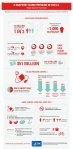
In the spirit of my previous post this week about National High Blood Pressure Education Month, here is pretty much everything you need to know about hypertension in one infographic:

mh_bp_infographic

Blood pressure info graphic from the CDC

Feeling the pressure

May is National High Blood Pressure Education Month, a time to raise awareness about the diagnosis, health effects, and treatment of high blood pressure, also called hypertension. This is important because approximately 70 million U.S. adults have hypertension. Of those, almost 40% don’t even know it, which means they are not seeking treatment.

Another 30% have prehypertension, blood pressure that is above normal but does not meet the criteria for hypertension. Prehypertension is appropriately named since most people with this diagnosis eventually develop hypertension—unless they take steps to lower their blood pressure.

High blood pressure is a contributing factor to many heart attacks and strokes and is associated with type 2 diabetes, heart failure, and kidney disease. Hypertension is called the “silent killer” because it often has no symptoms yet it leads to serious health outcomes.

Here are some steps to help you celebrate National High Blood Pressure Education Month:

1. Know your numbers

Your blood pressure includes two numbers, both measured in millimeters of mercury (mmHg). The top number, systolic, is the pressure in your arteries while your heart is contracting and pumping blood. The bottom number is the diastolic pressure, which occurs between beats when the heart is relaxed. Both numbers are important for assessing your risk of health problems.

Normal blood pressure is less than 120 mmHg systolic and less than 80 mmHg diastolic. Blood pressure that is 140 mmHg and higher or 90 mmHg and higher is considered hypertension. If your blood pressure is between 120–139 mmHg systolic or 80–89 mmHg diastolic, you have prehypertension.

2. Get it down

If your blood pressure is above normal you should take treatment seriously. Lifestyle changes including eating a healthy diet, regular physical activity, weight control, and quitting smoking are all effective and essential for lowering blood pressure.

There are also several good medications that your doctor can prescribe to lower your blood pressure. Take them as directed and don’t forget that they are designed to work with healthy lifestyle habits.

3. Keep it down

The aim, of course, isn’t simply to reduce your blood pressure using drugs. Your ultimate goal should be to keep your blood pressure low without relying on medications, all of which have at least some negative side effects.

The best way to maintain a normal blood pressure is through daily exercise, eating a healthy diet, losing weight if you are overweight, and quitting smoking. A good place to start is the DASH diet, which is high in fruits, vegetables, and fiber and low in sodium and added sugar.

The DASH diet has been shown to lower blood pressure and lead to weight loss. It is also consistent with recommendations to prevent and treat many other health problems, including diabetes and high cholesterol.

Since blood pressure tends to increase with age, even if you have normal blood pressure you should take steps to prevent high blood pressure in the future. Adopting a lifestyle that includes daily physical activity, healthy eating habits, managing stress, and not smoking is essential for preventing high blood pressure.

Additionally, these same health habits will help you prevent most other chronic disease including diabetes, heart disease, and many cancers. It turns out that celebrating National High Blood Pressure Education Month can also help you celebrate good health in general.

Yesterday was National Chicken Dance Day. And that is good news for your health.

I can’t believe I missed it!

Yesterday was National Chicken Dance Day! Aside from being a favorite of children and wedding DJs, doing the chicken dance can help you meet physical activity goals to improve your health.

According to the 2011 Compendium of Physical Activities, doing the chicken dance could burn as many calories as participating in an aerobic dance class.

Chicken dancing isn’t  specifically listed in the compendium, but it probably falls under category code 03031: general dancing (e.g., disco, folk, Irish step dancing, line dancing, polka, contra, country).

This type of dancing is listed at 7.8 METS, which is a geeky exercise scientist way of saying that you could burn about 10 calories per minute doing the chicken danceNote: This is a rough estimate, of course. The actual amount depends on your body weight and how vigorously you do the dance.

That may not seem like much, but it’s a lot more than you would burn sitting at your desk at work or on the couch watching TV at home. So, why not celebrate (belatedly) National Chicken Dance Day by getting up and shaking your tail feather during breaks at work and TV commercials at home!

The physical activity report card is in. We pretty much failed.

The spring semester just ended at the university where I teach. Which means my colleagues and I have been busy evaluating our student’s progress and submitting grades.

About this time, another report card came in from the National Physical Activity Plan evaluating physical activity in U.S. children. The results aren’t good. In fact, we pretty much failed! This is the topic of my Health & Fitness column in the Aiken Standard this week.


It’s probably no surprise that the majority of Americans are not active enough. Only about half of adults meet even the minimum recommendation for physical activity of 30 minutes per day, five days per week. Compounding this problem is the fact that many people spend much of their time at work and home being sedentary—some spend over 12 hours per day sitting!

Low levels of physical activity is associated with an increased risk of heart disease, stroke, some cancers, and, of course, obesity in adults. Becoming more active is probably the most important change a sedentary person can make to improve their health. The impact is similar to a smoker who quits.

What may be surprising is that this is a problem for children, too. Less than half of children ages 6–11 are active for 60 minutes per day. Among teenagers, it is less than 10%! The health effects of too little activity in kids is similar to that of adults.

The combination of inactivity and obesity can lead to “adult” diseases such as type 2 diabetes in young people. For this reason, some experts predict that this generation of children may be the first ever to die at a younger age than their parents.

Current recommendations call for children under the age of 18 to attain at least 60 minutes of moderate-to-vigorous activity at least five days per week. In younger kids this can be achieved through active play. In teens it is more likely to include organized sports and games.

The National Physical Activity Plan is a set of recommendations, programs, and initiatives designed to promote an active lifestyle at work, school, and home for all Americans. It was established by an alliance of health professionals and researchers.

This group recently released a report card on physical activity for children and youth that graded the success of efforts to promote activity in several areas. The results show that we are failing to meet even minimum goals and recommendations. Here is a summary of that report card:

Overall physical activity: D-Only 42% of 6–11 year old children and just 8% of kids ages 12–15 meet the 60 minutes per day activity goal.

Sedentary behaviors: D. About half of all children spend more than the recommended upper limit of two hours of screen time, which includes TV, computer, and video games, per day.

Active transportation: F. Just over 10% of children walk or bike to school regularly.

Physical education in school: C-Only about half of children attend at least one PE class per week.

Based on these grades, American children are not getting enough physical activity. But it isn’t fair to say that our children are earning these grades—it’s the adults who are failing! Most children are at the mercy of parents, teachers, and other adults who decide how they will spend their time at school and at home.

The report card shows that we are either not allowing our kids to be active enough or limiting opportunities for them to move and play. This isn’t necessarily a conscious effort, but is likely a consequence of the physical activity habits of adults that our children adopt.

Given the importance of regular activity for growth, development, health, and even academic success, getting our kids to be more active should be among our highest priorities. This requires both individual action and organized community efforts to make physical activity and exercise a part of every child’s day.

And while we are at it, we (the adults) should make this same effort. Perhaps the failing grades on the recent report card will motivate us.

Stealthy Healthy Eating

My Health & Fitness column in the Aiken Standard this week is about the many processed foods that include added nutrients, primarily vitamins, minerals, and fiber, to make them healthier. While this seems like a good thing—helping people get enough essential nutrients, even if they eat a poor diet—there are drawbacks to using these foods instead of eating actual food that contains these nutrients.


What if there was a way to get the benefits of eating vegetables without having to eat any vegetables? This may be a dream for millions of American children and adults who don’t eat enough vegetables.

Thanks to creative food processing, the healthy components of vegetables can be added to many foods, including soda, candy bars, and other sweets. Books and websites contain recipes for adding pureed vegetables to brownies and other baked goods. There is even a new line of prepackaged pureed vegetables to use!

The recommended intake of vegetables ranges from one cup per day for young children to 3 cups for adults. A simpler guideline is to fill half of your plate with fruits and vegetables at each meal. The goal should be to eat a variety of vegetables throughout the week.

There are plenty of good reasons for people to eat vegetables. Most vegetables are a low-calorie source of essential vitamins and minerals. The dietary fiber found in vegetables (and fruits and whole grains) plays a role in maintaining a healthy body weight, lowering cholesterol, and reducing the risk of some cancers.

Fiber is increasingly added to processed foods including granola bars and energy bars. It is possible to get up to half of your daily recommended intake of fiber by eating a single Fiber One bar. That is the equivalent of a cup or more of most vegetables! Considering that many of these snacks are essentially candy bars, they are a tasty way to get fiber.

Vitamins and minerals have long been available as supplements and added to certain foods, including products made from grains like pasta and bread. But now you can get vitamins in many soft drinks, many of which have as much sugar as soda. And calcium is added to a variety of foods from breakfast cereals to snacks.

There are, of course, some benefits of doing this. People who don’t eat a healthy diet can get enough essential nutrients through these products. Some of these foods are low in calories so they can help people who are trying to lose weight.

While these “hidden” nutrients may seem like a good solution for people who don’t eat enough vegetables, this form of stealthy healthy eating may have some negative consequences.

These processed foods may be high in sugar, fat, and calories which could contribute to weight gain. The fact that these foods are designed to taste good—many include chocolate—may lead people to overeat. Aside from excess calories, eating far too much fiber could cause GI discomfort or other health problems.

More concerning, though, is the fact that these foods set an expectation that healthy foods should be sweet. This is particularly problematic in children, who may avoid eating vegetables (and other healthy foods) in favor of sweet drinks and snacks that contain the same nutrients.

Additionally, getting vitamins, minerals, and fiber through processed foods keeps people from learning how to make healthy choices and prepare real food. This has consequences for developing healthy eating habits in both children and adults.

Focusing on getting individual nutrients over eating a variety of healthy foods is thought to be an important cause of the current obesity epidemic. Relying on processed foods with added vitamins, minerals, and fiber may be doing more harm than good to your health.

The bottom line is that you should get your nutrients from real food and balance what you eat with daily physical activity. Remember, good health comes from making smart choices, not from a bottle or a box!

Worried about low T? Lose some W!

I heard a story on Morning Edition on NPR on my way to work on Monday about low testosterone levels in men.

Low T,” as it is called, seems to be increasingly common in men. This has led to a huge increase in the sale of prescription drugs and non-prescription supplements designed to increase testosterone levels in men, whether they need it or not. To be sure, some men do need testosterone therapy, but it seems that many more don’t, but use it anyway. Testosterone therapy is not without risks and can increase the risk of heart attack.

Back to the NPR story…The doctor quoted in the story, Dr. Ronald Tamler, said that,“the most common reason for low testosterone in my practice, I find, is obesity.”  He goes on to explain that excess fat can alter the balance of hormones, reducing testosterone and increasing estradiol. His research shows that weight loss (via surgery) is the most effective way to treat “low T.”

So maybe the solution to low T isn’t to (always) worry about replacing T. Many times the answer may be to lose some W!