Category Archives: Health & Fitness

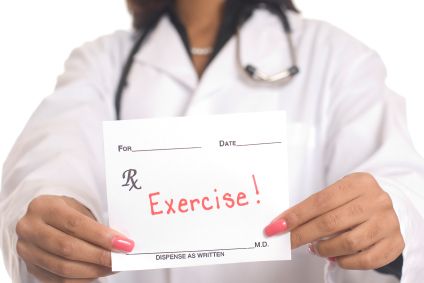
If exercise is medicine, why didn’t your doctor give you a prescription?

What if I told you that there is a prescription your doctor could give you that would prevent and treat high blood pressure, high cholesterol, and diabetes as well as lowering your risk of heart attack, stroke, and most cancers. It can also decrease depression, improve memory and cognitive function better than any other available treatment, and reduce your risk of developing Alzheimer’s disease. And it can help you maintain a healthy body weight, increase your strength, and help you live longer. You would insist your doctor prescribe this for you, right?

The good news is that this prescription exists. The bad news is your doctor may not tell you much about it. This is because it isn’t a drug or other medical treatment—it’s exercise!

exercise-rx

Continue reading

Diagnosis and treatment of heart disease explained.

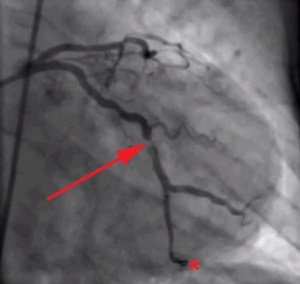
Coronary artery disease or heart disease is caused by atherosclerosis, a process which involves the accumulation of cholesterol plaques in the arteries that supply blood to the heart. These plaques can narrow the blood vessels and reduce blood and oxygen delivery to the heart, leading to symptoms like chest pain (ischemia). The plaques can also rupture and form a blood clot, blocking oxygen delivery and causing a myocardial infarction—a heart attack.

Coronary_angiography_of_a_STEMI_patient,_showing_partial_occlusion_of_left_circumflex_coronary_artery

Continue reading

What you need to know about your heart.

February is American Heart Month, with a focus on encouraging all of us to make heart-healthy choices to reduce cardiovascular disease risk. I thought that sharing some information about the heart, how it works, and how to keep it healthy would be an appropriate way to celebrate. This is also the topic of my Health & Fitness column in the Aiken Standard this week.

19425560_694589314066343_8862663786935353344_n

Continue reading

It’s not about the diet. What you really need for successful weight loss.

If you are starting out 2019 by trying to lose weight, you are probably interested in finding the “best” diet. Unfortunately, there is no best diet for everyone, but there are some characteristics that you should look for in a diet. For example, a weight loss diet should be low (but not too low) in calories, reduce added sugar and excess carbohydrates, restrict portion sizes, emphasize healthy foods like fruits and vegetables, and promote healthy eating habits.


Real weight loss success depends on more than selecting the right diet. In fact, as long as your diet is low in calories, you will lose weight. However, this weight loss may be temporary and you, like many others, will gain it back later. There are factors beyond the specific diet you follow that are critical for losing weight and keeping it off. Since successful weight loss requires regular exercise, these same factors apply to exercise behaviors, too.

Continue reading

Focus on flexibility: why stretching should be part of your workouts.

The benefits of regular exercise include increased endurance, strength, and flexibility along with increased energy expenditure for weight loss and weight maintenance. These benefits will vary depending on the type of exercise you perform.

Endurance (aerobic) exercise will improve your cardiorespiratory fitness and endurance. These improvements allow you to exercise at a higher intensity or for a longer duration. Aerobic exercise like walking or jogging is also effective for burning calories.

Resistance training (weight lifting) will improve your muscular strength. The practical benefit is that you will have an easier time completing physical tasks at work or at home, something that is increasingly important as you get older.

Ideally, your exercise program will include a combination of endurance and resistance training. But there is another type of exercise that you should also include—stretching. This is the topic of my Health & Fitness column in the Aiken Standard this week.

runner stretching

Continue reading

The not-so-sweet truth about sugar and your health.

You are probably aware that eating too much sugar is bad for your health. Excessive sugar intake causes hormonal changes and inflammation that can lead to obesity, diabetes, heart disease, and cancer. For decades an emphasis was placed on lowering fat intake, especially saturated fat and cholesterol, to reduce the risk of obesity and heart disease.

Unfortunately, much of this advice was misguided and while fat intake went down, sugar consumption in processed and prepared food increased. This is now seen as a primary cause of the current obesity and diabetes epidemic. The impact of sugar on health and steps you can take to reduce sugar intake are the topic of my Health & Fitness column in the Aiken Standard this week.

Sugar cubes

Continue reading

Lose big by not winning! Why weight loss competitions probably won’t help you lose weight and what to do instead.

There are numerous community and workplace weight loss competitions and fitness challenges underway in our area right now. These programs are a popular way to start making health improvements with friends or coworkers. Many people find the competition aspect of these programs to be motivating. Even those who are reluctant to start a diet or exercise program are more likely to give it a try. But this raises the question, are “biggest loser” type weight loss programs effective at promoting lasting weight loss? This is the topic of my Health & Fitness column in the Aiken Standard this week.

weight in

Continue reading

Get out of debt—health debt—in 2019.

Getting out of debt is a worthwhile goal and a common New Year’s resolution. This almost always means financial debt, which is a burden for millions of Americans. Many individuals and families have gotten themselves into debt by spending too much and not saving enough. For most, this situation has been years in the making, has no simple solution, and will have an impact lasting years into the future. Reducing this debt is essential for achieving financial health.

This is not the only type of debt we face—many people are also in health debt. Poor eating habits and increasingly sedentary lifestyles have led to an obesity epidemic. The problem is widespread, since most Americans are overweight, fewer than half of US adults meet minimum recommendations for physical activity, and about one in six adults smoke. Alone and especially in combination, these poor health habits are the major causes of the most common, and preventable, diseases including diabetes, heart disease, and some cancers.

Even if we have not been diagnosed with diabetes or heart disease or other health problems, our lifestyle has put us on that path. Small changes in what we eat or how active we are have added up over the years to create a condition of poor health. And our overall health and potential complications get worse year after year, so the longer we are overweight and inactive, the worse our health is likely to be in the future. That is our health debt. This is the topic of my Health & Fitness column in the Aiken Standard this week.

Continue reading

When it comes to assessing your health, honesty is the best policy.

Have you ever justified your weight by saying you are “big-boned”? What about your eating and exercise habits? How often do you really eat out? How many days did you actually get to the gym last month? Are you being honest with yourself when it comes to your health? And are you asking others to be honest with you?

Being honest about your health is the topic of my Health & Fitness column in the Aiken Standard this week. This is particularly important if you are making New Year’s resolutions, so it’s just in time!


Being honest with yourself is essential for initiating health behavior changes and setting good goals. For example, someone who tells themselves they need to lose “a few pounds” may really need to lose much more and may not take their weight loss as seriously as they should. Convincing yourself that you are doing more exercise than you really are may mean that you won’t see the fitness or weight loss results you were expecting.

This type of self-deception is easy to do. Take body weight for example. The current standard for determining if you are at a healthy weight is body mass index (BMI), calculated from your weight and height (kg/m2). It requires a bit of math, so using a mobile app or online calculator is a good idea.

A BMI between 18.5 and 24.9 is considered normal, 25-29.9 is overweight, and if your BMI is 30 or higher, you are classified as obese. To put this in perspective, a BMI of 30 is equivalent to about 25–30 pounds of excess fat.

Let’s say your BMI puts you in the obese category, suggesting you should lose weight. But then you think about an article you read about how BMI isn’t accurate because you can be considered obese if you have excess muscle, not fat. And then there was the story on the news suggesting that it is okay to be obese as long as you are physically fit. So, maybe you don’t need to worry about your weight!

See how easy it is to tell yourself that you don’t really need to lose weight? In reality, BMI is an accurate method of assessing your body fatness; the inaccuracies reported in the news almost always involve athletes or people with lots of muscle mass developed through physical labor. Be honest…is that really you? It’s also true that people who are fit and fat can be healthier than people who are thin and sedentary, but it requires a lot of exercise to reach that level of fitness. Again, are you really that fit?

Probably the best test is to take a good look in the mirror and be honest about what you see. Try to “pinch an inch” of fat around your belly. One inch isn’t necessarily a problem, but take notice if you can pinch a handful of fat. Measuring your waist circumference (or looking at your pants size) can give you the same information. People who have a high BMI because of extra muscle, like athletes, have thin waists. If your waist circumference is greater than 35 inches ( women) or 40 inches (men), you have excess fat.

This honesty also applies to others, including your doctor. Many physicians are reluctant to discuss weight and weight loss with their patients, and many patients don’t want to hear what they interpret as a personal attack. Don’t be one of those patients! Ask your doctor for an honest assessment about your weight and the impact it might have on your health.

This is a real problem. According to one report, only 39 percent of obese people surveyed had ever been told by a health care provider that they were obese.     To help combat this problem, the American Medical Association has developed resources to help physicians better communicate with patients about their weight.

Making changes to diet and activity habits is a difficult process, to be sure. Telling yourself that you don’t need to make them only delays getting started and can lead to poor health in the meantime. When it comes to your health, honesty is the best policy!


Santa’s annual fitness report

Since Christmas is this week our attention is naturally focused on one person: Santa Claus. Have you ever wondered how Santa gets in shape for his yearly sleigh ride to deliver gifts to good boys and girls around the globe? Like many elite athletes, Santa does not publicly discuss his training or his fitness. There are certainly no published studies that report his one repetition maximum strength or his maximal oxygen uptake. Given this lack of information, I attempted to make an educated guess about Santa’s training, fitness, and health. This is the topic of my Health & Fitness column in the Aiken Standard this week.

santa


Continue reading