Sometimes kids do get good activity and nutrition education in school. Here are two examples.

Earlier this week I wrote about the fact that most children will miss any meaningful education about nutrition, activity, and health when they head back to school. But this isn’t always the case. Some schools include health education in the curriculum, but most don’t. But others do promote healthy eating and exercise elsewhere in the curriculum (daily PE, for example), opportunities for activity throughout the day (recess, letting kids move around in the classroom), and providing healthy meals and snacks.

This is critically important, since good nutrition and physical activity are necessary prerequisites for children to learn and grow.

kids playing


Sometimes I hear about schools that have implemented robust health education programs and individual teachers who make an effort to add activity and nutrition to the “testable” subjects they teach. I am also familiar with two educators who have made nutrition and physical activity a priority both inside on outside the classroom.

One is my brother (@mrkevinparr), a fourth grade teacher in Washington state. Several years ago he decided to address the childhood obesity problem he saw among his students by teaching about healthy eating. Since there was no room in the curriculum for this topic, he created a way to do it while teaching math. This inspired the students to think beyond their class and organize a community health fair.

The other is a longtime friend who was a principal of an elementary school (now district superintendent) in Michigan. He made physical activity a priority through several initiatives including implementing a walking school bus, installing a track around the playground, and encouraging teachers and students to exercise before, during, and after school. (Check out this video!)

So…it can be done, even in the context of an environment that doesn’t support teaching healthy habits. This isn’t to say that parents don’t play an important role in teaching their children healthy habits. But many parents don’t (or don’t know how). Considering the importance of healthy eating and activity for achievement in school and in life in general, schools are a natural place to address these topics.


Nutrition, exercise, and health information can be confusing. 
But it doesn't have to be that way.
What can I help you with?
 drbrianparr@gmail.com | http://twitter.com/drbrianparr

Back to school 2015: What kids will STILL be missing!

My Health & Fitness column in the Aiken Standard this week is about the experience of heading back to school. But it’s really about what most kids won’t experience when they are in school—any meaningful education about nutrition, activity, and health.

walking school bus


It’s back to school time for kids in our area. Students, parents, and teachers are starting another school year filled with opportunities for children to learn and grow through math and science, reading and writing, and art and music. To be sure, this is time well spent since these subjects help kids build a strong foundation that will help them succeed in school and beyond, something that is widely understood and appreciated.

But children should also learn about good nutrition and physical activity, since both good health and good education are essential for lifelong happiness and success. In most schools, though, most kids won’t experience much meaningful education about nutrition, activity, and health. In fact, opportunities for children to be active in school, either through formal physical education or more informal play and recess, has declined over the years. And good nutrition isn’t likely to get much classroom time at any level and the food served in most schools hardly sends a positive message about healthy eating. These are missed opportunities!

The message that children need to eat breakfast before school is well-known and many schools offer breakfast for kids who don’t get it at home. Similarly, lunch is an important part of the school day. In addition to providing energy to support growth and learning, these meals also present an opportunity to teach children about healthy eating since formal nutrition education isn’t part of the curriculum at most schools.

The same is true for physical activity. Research shows that activity can positively affect several factors that are related to academic performance. These include skills (attention, concentration, and memory), behaviors (classroom conduct and homework completion), and academic achievement (test scores and grades).

The effect of physical activity on brain may be due to physiological adaptations that are associated with enhanced attention, better information processing and recall, and improved attitudes. And it doesn’t seem to matter if the activity is delivered through physical education classes, classroom activity, recess (especially outdoors), or extracurricular activity—it’s the movement that matters!

The point is that good nutrition and physical activity support academic success and including them in schools is a natural fit. Research and practical experience shows that nutrition and physical activity have a positive effect on learning. In many ways, health education is just as important as reading and math, topics schools don’t trust parents to teach on their own, to future success.

Some argue that parents, not schools, should be responsible for promoting physical activity and good nutrition. I disagree! Since nutrition and activity improve academic performance, schools are the perfect place to teach about healthy lifestyles. There is also no guarantee that children will have opportunities to eat well or be physically active when they go home, so school may be the best chance for many kids to get these benefits.

Given that most children will get only limited opportunities for physical activity and good nutrition school, these topics necessarily become “homework.” Since most of us could stand to be more active and eat healthier ourselves, we should start by modeling good habits for our children and grandchildren.

Going for a walk in the neighborhood, going to the playground, or doing yard work along with preparing healthy meals and snacks is a good start. Parents and community members should also express their concerns to lawmakers and administrators in an effort to get more health education included in the school day. We should treat nutrition and activity like we treat other subjects. How would you feel if your child’s school wasn’t teaching math?

This isn’t new, of course. I have written about the both the importance of physical activity for growth and learning for children (and adults, too) and the impact of these missed opportunities before. And I’m certainly not the only one to take notice. Probably the most widely known advocate in this area is Jamie Oliver, and his efforts made nutrition and health in schools topics for discussion among parents, teachers, administrators, and politicians alike.


Nutrition, exercise, and health information can be confusing. 
But it doesn't have to be that way.
What can I help you with?
 drbrianparr@gmail.com | http://twitter.com/drbrianparr
More about the benefits of outdoor exercise.

You probably know that exercise is good for you and that going for a daily walk is associated with improved health. A lower risk of weight gain, diabetes, heart disease, and some cancers are among a long list of positive health effects of physical activity. Lesser known benefits include improved mental health, cognitive function, and greater feelings of wellbeing.

What you may not know is that where you exercise matters and that exercise outdoors, especially in nature, can be particularly beneficial. This is not surprising given that being active in a natural environment has been shown to have an impact on mental health.

Indeed, activity outdoors leads to enhanced feelings of energy and diminished fatigue, anxiety, anger, and sadness compared to similar activity conducted indoors. Additionally, some research suggests that outdoor activity may improve attention in adults and children.

I have written about outdoor exercise in the past, but recent media reports on the topic make this a good time to share new research and revisit some the benefits of being active in nature. Which I do in my Health & Fitness column in the Aiken Standard.

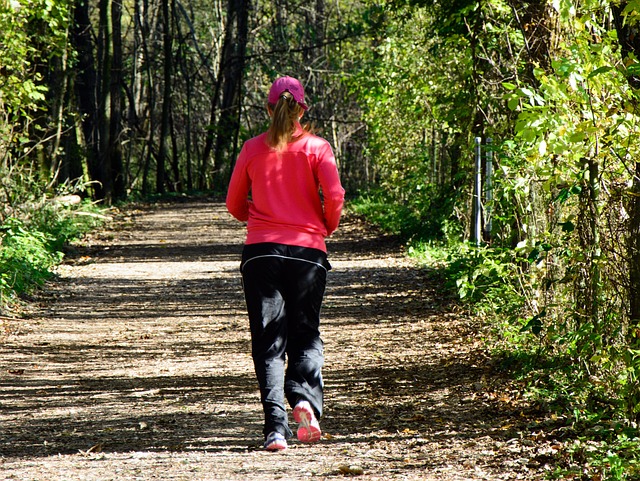
jogger in woods


A couple of recent studies, widely reported by the media, highlight some additional benefits of simply going for a walk outdoors in nature as well a possible explanation as to why. In these studies, participants who went for a walk in a quiet, tree-lined area experienced greater improvement in mood—they felt happier—than those who walked along a busy street in an urban area. The researchers also completed brain scans to determine that the difference in mood was related to changes in blood flow in the brain. The finding that being active in a natural environment caused physiological changes that led to psychological benefits is exciting!

Another advantage of exercising outdoors is that you might get a better workout. This is mostly due to the fact that you will likely walk or run faster outdoors, but other factors like wind resistance add to your effort. Research shows that even though people tend to exercise at a higher intensity outside, they don’t necessarily feel it. In fact, ratings of effort are lower outdoors for the same exercise.

This because the pleasant visual stimuli outdoors distracts you from unpleasant sensations of effort during exercise. This is the same reason that listening to music makes exercise more enjoyable and why fitness centers have televisions on the walls or built into exercise equipment. Think of the outdoors as a really big TV screen!

Almost any indoor exercise can be moved outdoors. While walking, running, and cycling are most obvious, resistance training exercises using body weight and many high-intensity interval training workouts can be modified for outdoors. Yoga and aerobics classes in the park are also great ways to promote both the physical and psychological benefits of exercise.

Much of the psychological benefit of outdoor exercise occurs in the first five minutes, so even short bouts of activity are meaningful. It also means that going for a short walk outside when you have a break at work or walking instead of driving short distances can have positive effects. At home, taking the dog for a walk, playing outside with the kids, or doing yard work are good ways to be active and reap the benefits of being outdoors.

Every little bit of activity you do outdoors will have both physical and psychological benefits to help you become and feel healthier. So, get outside and go for a walk!


Dive in to aquatic exercise.

There is nothing that feels better on a hot summer day than going for a swim. But beyond being a fun way to cool down, swimming is a great way to get in shape, build muscle, and to help you lose (and maintain) weight. Lap swimming is about as aerobically demanding and burns as many calories as land-based exercise such as walking or jogging. (Obviously, it depends on the stroke you use and how fast you swim). Swimming is also an excellent exercise for injury rehabilitation or for people with conditions like arthritis.

The health and fitness benefits of swimming and aquatic exercise is the topic of my Health & Fitness column in the Aiken Standard this week.

Aqua_Aerobics


The fitness benefits of swimming are well established. Since swimming is a whole-body exercise it uses all of your major muscle groups, building strength, endurance, and aerobic fitness. Highly trained swimmers have VO2max values, considered the best measure of aerobic fitness, that are similar to runners and cyclists. If you have doubts about the fitness benefits of swimming, think back to the last Olympics and how muscular and lean the swimmers looked.

Depending on the stroke and speed, swimming ranges between 5 to 10 METs. (METs are units used to measure the intensity of activity; one MET is equivalent to sitting at rest) For example, doing the backstroke at a moderate speed is about 5 METs while swimming laps freestyle with vigorous effort is about 10 METs.

This range is similar to walking at 4 mph up to jogging at a 9 minute per mile pace. What if you are just spending time in the pool or lake rather than swimming laps? Swimming leisurely is 6 METs, still a decent workout.

Swimming is a great way to burn calories, too. Even at a moderate pace, swimming laps for 30 minutes can burn over 200 calories. The exact energy expenditure depends on the stroke (butterfly is highest, backstroke is lowest) and the speed, but for most people swimming will burn as many calories as spending the same amount of time exercising on land.

There are two major reasons for this. First, water is more dense than air, so you need to expend more energy to move your body through the water. Second, swimming is a whole-body exercise which requires more muscle activity compared to walking or jogging which mostly involve the legs.

You may be surprised to learn that novice swimmers expend more energy per lap than elite swimmers. For example, one study showed that competitive swimmers expend only 280 calories to swim a mile, while less experienced swimmers burn about 440 calories to cover the same distance. The reason for this is that experienced swimmers are more efficient, so they expend less energy.

Aquatic exercise is popular for both therapeutic and fitness purposes, especially for people who don’t tolerate exercise on land well. When you are submerged up to your waist, 50% of your weight is supported; when you are up to your chest, about 75% is supported. This reduces the impact of exercise in the water, perfect for people who have arthritis, osteoporosis, severe obesity, or who are recovering from injuries.

Exercise in the water doesn’t have to mean swimming laps. Water aerobics, aqua walking or jogging, and resistance training using foam “weights” or webbed gloves offer safe ways to increase strength and endurance for almost everyone. Most fitness facilities that have a pool offer group aquatic exercise classes and you can find instructions online for exercises that you can do in your own pool.

If you are interested in using your pool for exercise, you can find information about aquatic exercise in general here and links to suggested exercises here. You can learn more about aquatic exercise specifically for arthritis and fibromyalgia, too.

The hot summer weather makes swimming and other water exercise appealing. But even if you don’t use the time for exercise, spending time playing in the pool or lake can still burn as many calories as going for a walk and is a great way to have fun and cool down!


Nutrition, exercise, and health information can be confusing. 
But it doesn't have to be that way.
What can I help you with?
 drbrianparr@gmail.com | http://twitter.com/drbrianparr

Know your nutrients: Protein

For the last two weeks, I have written about carbohydrates and fats. This week in my Health & Fitness column in the Aiken Standard I am covering protein, another essential macronutrient in your diet.

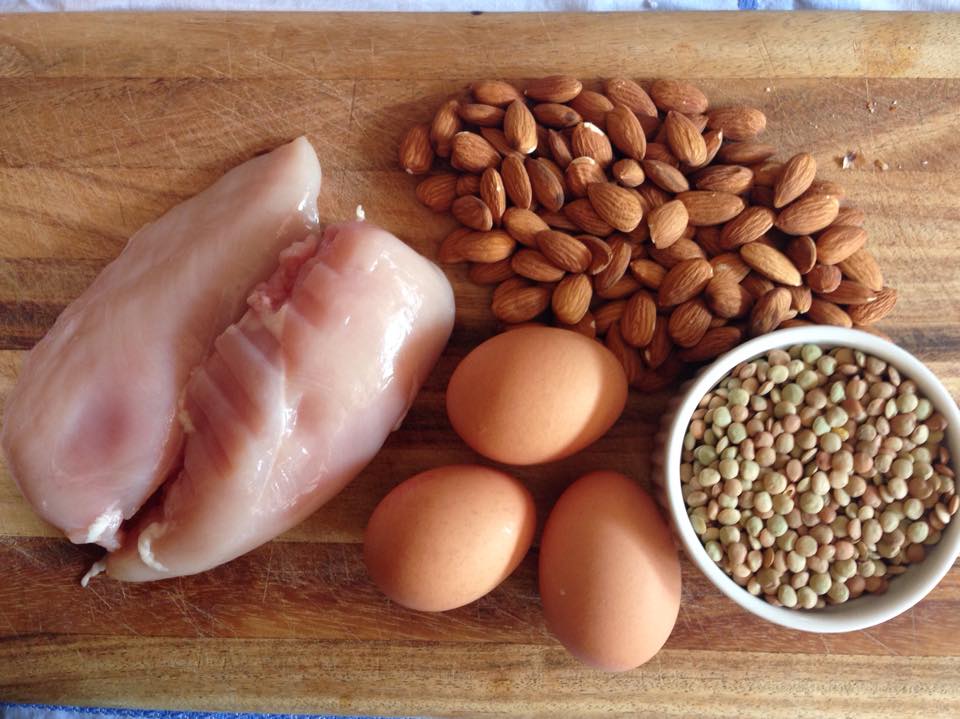
Protein-rich_Foods


Protein is part of all cells and is the main component of muscles. Proteins are made up of building blocks called amino acids. The human body requires 20 amino acids for the synthesis of its proteins. Your body can produce some of these amino acids, so they are called non-essential because you do not need to get them from your diet. There are nine essential amino acids that cannot be made by the body and are obtained only from food. If the protein in a food supplies enough of the essential amino acids, it is called a complete protein. An incomplete protein is one that does not supply all the essential amino acids.

All meat and other animal products are sources of complete proteins. These include beef, lamb, pork, poultry, fish, shellfish, eggs, milk, and milk products. Protein in plant foods (such as grains, legumes, nuts, fruits, and vegetables) are either low in or lack one or more of the essential amino acids. These food sources are considered incomplete proteins. One exception is soy protein, which contains all of the essential amino acids.

Plant proteins can be combined to form a complete protein. This is called complementing. Examples of complementing plant proteins are food combinations such as rice with beans or black-eyed peas, beans with corn or wheat tortillas, and hummus, which combines chick peas with sesame paste. Since plant sources of protein are lower in fat and higher in fiber than meat, there are health benefits from getting more protein from plants.

A diet low in protein could lead to poor growth in children or result in muscle loss. For this reason, many people, especially athletes, are concerned about their protein intake. The typical diet for most people contains more than enough protein, so this concern is often unwarranted. People who follow vegetarian or vegan diets do need to pay extra attention to their protein intake. This is especially true for vegetarian athletes.

The amount of recommended daily protein depends on age, medical conditions, and activity level. The recommended intake for protein is 0.8 g protein per kg of body weight (or about 0.4 g protein per pound), so a 200 lb. person would require about 80 g protein per day. In general, two to three servings of protein-rich food will meet the daily needs of most adults. For example, four ounces of meat contains about 40 g protein, one cup of cooked beans contains about 15 g protein, and two slices of whole wheat bread have about 6 g protein.

Protein needs are higher for children, pregnant women, and athletes. That said, the average American’s protein intake is sufficient for most of these special situations. While athletes who are training to add muscle require much more protein than the typical adult, the average intake of most athletes is sufficient to meet these needs. In cases when it is not, the recommendation is to get extra protein from food, not supplements.

Since you probably get enough protein in your diet already, you should focus on healthier sources of protein. Select lean meat, poultry without skin, fish, lentils, and legumes often. Also try adding soy protein to your diet by eating tofu, soy milk, and soy beans (edamame) since soy protein contains beneficial compounds called phytochemicals. As always, you should get your protein by eating naturally protein-rich foods rather than through supplements or processed foods with added protein.


Nutrition, exercise, and health information can be confusing. 
But it doesn't have to be that way.
What can I help you with?
 drbrianparr@gmail.com | http://twitter.com/drbrianparr
Know your nutrients: Fats

This month I am writing about the major nutrients in our diets. Last week I provided information about carbohydrates, the major energy source in our diets. This week the topic of my Health & Fitness column in the Aiken Standard  is fats, including saturated fats, unsaturated (monounsaturated, polyunsaturated, and trans) fats, omega-3 fats, and cholesterol.

High_Fat_Foods


Fats tend to get a bad reputation since they are higher in calories than carbohydrates and protein and have traditionally been associated with obesity and heart disease when eaten in excess. In reality, some dietary fats are detrimental to your health, while others have health benefits. These consequences are partly linked to the effect of the fats on the LDL (“bad”) and HDL (“good”) cholesterol in your blood and partly to other factors, including blood clotting and inflammation.

Traditionally, cholesterol and saturated fats have been linked to heart disease because they raise levels of LDL cholesterol. Cholesterol is only found in animals, whereas saturated fats are in animals and tropical oils such as palm and coconut oil. This is why you may have heard that you should avoid foods that contain these fats, including red meat and eggs.

It turns out that the link between saturated fat, cholesterol, and heart disease isn’t what we long believed, so these dietary recommendations are being revisited. There has been much discussion in the media and scientific literature about the basis for our current recommendations leading to spirited debate among nutritionists and other health professionals.

If you are interested in learning more about the history and science behind the cholesterol-saturated fat-heart disease relationship, the recent book The Big Fat Surprise by Nina Teicholz,  an interview with the author on The People’s Pharmacy public radio radio show, and  the article Ending the War on Fat in Time magazine are good, user-friendly places to start. Keep in mind that there are many scientists who disagree and research to support the health benefits of reducing saturated fat—and fat in general—in the diet. But there is growing support for the notion that maybe fat isn’t as bad as we initially believed.

Unsaturated fats are found in plant oils. Polyunsaturated fats tend to lower both LDL and HDL cholesterol. Monounsaturated fats are associated with lower LDL but they do not lower HDL cholesterol–this is better. Oils high in polyunsaturated fats include corn and soybean oil while olive and canola oils are rich in monounsaturated fats.

Trans fats are found mostly in modified oils which are hydrogenated to make them more solid and have a longer shelf life. For example, when corn oil (unsaturated fat) is partially hydrogenated it becomes more trans and is more solid—margarine. Trans fats are used in baked and fried foods and can be identified on food labels (most of the time) or by the words “hydrogenated” or “partially hydrogenated” in the ingredient list. Trans fats have the effect of raising LDL while lowering HDL cholesterol, a bad combination!

There are three essential omega-3 fats in the diet: ALA, EPA, and DHA. Two of these, EPA and DHA, are primarily found in fish and are associated with reduced risk of heart attack due to their beneficial effects reducing inflammation and blood clotting. Other sources of omega-3 fats include flax seeds, which are high in ALA. The evidence is strongest for beneficial health effects of EPA and DHA, so eating fish or taking fish oil supplements is a common recommendation.

Dietary fat should account for 20–35% of your total calories. The typical American diet is a bit too high in total fat, mostly from unhealthy sources. Your goal should be to make food choices that will shift your intake of fat away from unhealthy sources (trans fats) to more healthy sources (monounsaturated and omega-3 fats). Keep in mind that “fat-free” foods aren’t necessarily healthy options.

Fortunately, trans fats are less common now than they were even a few years ago, but staying away from fried foods and checking the labels on prepackaged snacks will help you avoid trans fats. Switching to olive or canola oil to increase your consumption of monounsaturated fats and eating fish 2–3 times per week can help you get enough omega-3 fats.

Just as with carbohydrates, you should get your dietary fats from real food (like butter), not processed foods (margarine). If you do that, you won’t need to worry so much about the types of fats you eat. And don’t forget that all fat contains calories, so don’t overeat even the healthier fats, especially if you are trying to control your weight!


Nutrition, exercise, and health information can be confusing. 
But it doesn't have to be that way.
What can I help you with?
 drbrianparr@gmail.com | http://twitter.com/drbrianparr
Aside

We have known for a long time that kids who spent more time watching TV were more likely to be obese. This was thought to be due to the fact that sedentary time in front of the television replaced physical activity. This shifted the balance towards eating more and moving less, leading to weight gain. Add to that the fact that advertisements influenced eating habits by promoting high-calorie foods.

Now the term “screen time” is used because it includes time spent in front of a wide range of electronic devices including computers, video players, and tablets. Since these devices can be used almost anyplace, they create opportunities for sedentary time far beyond the couch. 

But the impact of screen time goes far beyond physical inactivity, as a recent article in the New York Times explains. Given the accessibility of these devices, we are sure to hear more about how they can impact children’s health, behavior, and learning. As a parent, I know it is something I will be paying close attention to. 

Screen Addiction is Taking a Toll on Children | via New York Times 

Know your nutrients: Carbohydrates

Nutrition and healthy eating are common themes in my writing, so it seems appropriate to provide more information about the major nutrients in our diets: carbohydrates, fats, and protein. These nutrients provide nearly all of the calories we eat and have a large impact on our health. Given the importance of these nutrients, there tends to be much confusion about the different forms they come in and how much of each we should eat.

In my Health & Fitness column in the Aiken Standard this week I  begin with carbohydrates. If this looks familiar, there is good reason: I have written about this topic in the past. Considering that I am asked basic questions about carbohydrates (and fat and protein) frequently, it is worth revisiting. Plus, it’s summer vacation so I am giving myself a bit of a break!


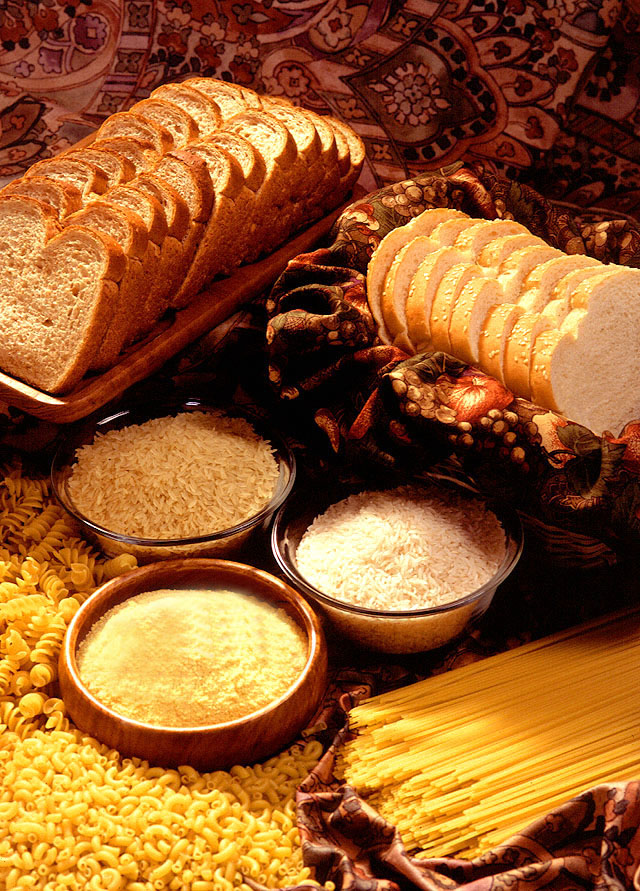
Starchy-foods

Carbohydrates are an important energy source in your diet. All carbohydrates contain four calories per gram. Grains, fruits, and vegetables are good sources of carbohydrates. Carbohydrates include starches, naturally occurring and added sugars, and fiber.

Carbohydrates are produced as a result of photosynthesis in plants and are stored as complex carbohydrates or starches in grains and many vegetables and as simple sugars in other vegetables and fruits. When you eat carbohydrates, your body breaks down the starches and converts the sugars to glucose, or blood sugar, which is used for energy.

The extent to which a food affects blood glucose is called the glycemic index, or GI. Refined carbohydrates, like white rice, pasta, and flour, and sugars typically have a high glycemic index, meaning they cause spikes in blood glucose. Whole grains, like whole wheat, whole oats, and brown rice, have more of a “low and slow” effect on blood glucose. This can help with blood glucose control and may affect appetite. For these reasons, low GI foods like complex carbohydrates from whole grains are called “good carbs,” in contrast to high GI refined grains and sugars, known as “bad carbs.” In reality, the glycemic index can provide a guide for selecting carbohydrates in the diet, but is no guarantee you are making healthy choices.

Carbohydrates also include fiber, the nondigestible portion of plants. Whole grains, fruits, and vegetables are rich sources of fiber while refined grains and sugars contain little, if any, fiber. Fiber comes in two forms, soluble and non-soluble. Non-soluble fiber, also called roughage, promotes good digestive health. Soluble fiber, like that found in oats, may help lower blood cholesterol. Studies show that diets higher in fiber tend to promote weight loss over time.

You should make an effort to reduce your intake of sugars, especially added sugars, in your diet. Even though all sugars have the same number of calories, foods and beverages containing added sugars should be avoided. Look for “corn syrup” and “high fructose corn syrup” on the label to identify added sugars. You may be surprised how much added sugar you consume! Fruits or 100% fruit juices are a healthy choice since they are rich in vitamins and minerals, even though they contain sugar.

Carbohydrates should be the major part of your diet. Current recommendations call for 45–65% of your daily calories to come from carbohydrates, so a person who eats 2000 calories per day should consume about 300 grams of carbohydrate. Sugars should be limited to less than 10% of calories, so the majority should be complex carbohydrates.

You can meet this goal by reducing your intake of sugars, especially added sugars, and refined grains while increasing your consumption of whole grains, fruits, and vegetables that are high in fiber. When comparing food labels, look for foods that contain whole grains (the first ingredient should be something like “whole wheat flour”) and higher levels of fiber. But be aware that some foods, like many breakfast cereals, contain whole grains but are also high in added sugar.

The best advice is to get the majority of your carbohydrates from real food, including vegetables, fruits, whole grains, and legumes, rather than from processed foods.


Nutrition, exercise, and health information can be confusing. 
But it doesn't have to be that way.
What can I help you with?
 drbrianparr@gmail.com | http://twitter.com/drbrianparr


Affordable care acts

The Affordable Care Act is in the news again, this time because the U.S. Supreme Court recently ruled on the legality of subsidies offered to help people afford health insurance. Health care has long been an important and contentious topic in both political and social circles. Given the importance that accessing quality health care has for everyone, it is unfortunate that promoting good health has turned into a political debate.

In addition to expanding access to health care, the Affordable Care Act should also make it easier for people to get preventive care. This is important since preventable chronic diseases including diabetes and heart disease, are among the leading causes of disability and death as well as contributing to high health care costs. It turns out that adopting some simple lifestyle modifications can go a long way toward making you and your family healthier, as well as saving money.

This is the topic of my Health & Fitness column in the Aiken Standard this week.

2013-10-24 15.59.46


Here are a few affordable care acts you can implement today:

1. Move more

Significant health benefits, including weight loss and improved fitness, can be achieved with as little as 30 minutes of activity per day, but more is better. The activity doesn’t have to be “exercise.” It can include walking the dog, yard work, or house work. Research shows that sitting too much is just as unhealthy as not exercising. Spending less time sitting at work, home, or in the car is another easy way to improve health. And getting up and moving for even a few minutes is better than staying seated for long periods of time. Every little bit of activity really does count.

2. Eat smart

Making dietary changes can be difficult, but a few simple changes can lead to big benefits. Eating more real food including fruits, vegetables, whole grains, and lean meats and less added sugar is a good place to start. Fresh fruits, vegetables, and whole grain bread, pasta, and cereals are rich in vitamins, minerals, and fiber and most are low in calories. Eating less added sugar in sweets and processed foods can help you cut down on calories and lead you toward healthier food choices. Controlling portion sizes plays as big of a role in weight gain and loss as the types of food you eat, so pay attention to how much you eat, especially when you eat out. Chances are, it is more than you think!

3. Chill out.

Reducing and managing stress is essential for good health. Uncontrolled stress can lead to high blood pressure, poor immune function, and weight gain. Daily exercise will help, as will using stress management techniques like progressive relaxation. When you can, avoiding stressful situations is wise. Taking time to do something you enjoy each day is a good idea, too. Getting enough sleep (most adults require 7–9 hours) is also important for good physical and mental health.

4. Don’t smoke

Cigarette smoking more than doubles your risk of heart disease and stroke, and is by far the leading cause of lung cancer and other lung diseases. If you smoke, quitting now is one of the most important things you can do to improve your health—and the health of those around you. Nicotine replacement therapy and prescription medications can help, but quitting really does require serious dedication. It’s well worth the effort and the benefits of quitting can be realized almost immediately.

Regular activity, quitting smoking, managing stress, and the types of dietary changes described here can have a profound effect on preventing and treating many health problems. Best of all, these affordable care acts are basically free to implement and can lead to both health and financial savings now and in the future.


Nutrition, exercise, and health information can be confusing. 
But it doesn't have to be that way.
What can I help you with?
 drbrianparr@gmail.com | http://twitter.com/drbrianparr
Vocabulary lesson: Exercise, activity, and fitness

When I write about health-related issues I routinely use terms like exercise, activity, and fitness. Some people have asked why I use these different words since they all have a similar meaning. That is an excellent question, since these terms are related they have different applications for health and wellness.

Physical activity (PA) is defined as any movement produced by muscles that expends energy. Physical activity can be classified as occupational, what you do at work, and leisure-time, what you do in your free time. Occupational PA can vary greatly depending on the job, but it is low for most of us who spend much of our work day sitting. Leisure-time PA is all activity outside of work. This is of great interest to researchers since it reflects how we chose to spend our discretionary time. Physical activity can be measured by questionnaires or using devices such as pedometers, which count the steps you take, or accelerometers, which measure how much you move.

Exercise is a type of physical activity that involves planned, structured, and repetitive movement to improve or maintain physical fitness. Physical fitness, then, is a set of attributes that relate to the ability to perform physical activity and exercise. The components of physical fitness include endurance, strength, and flexibility. Basically, participation in physical activity and exercise improves your fitness and the greater your fitness, the better able you are to participate in physical activity. This is true for completing occupational tasks as well as traditional exercise, such as jogging or lifting weights.

The good news is that both physical activity and exercise have health and fitness benefits. Physical activity can vary in intensity, from light (slow walking), moderate (brisk walking), or vigorous (exercise like running). The 2008 U.S. Physical Activity Guidelines recommend that, at a minimum, all adults participate in moderate-intensity physical activity for 2 hours and 30 minutes per week or vigorous activity for 1 hour and 15 minutes per week along with strengthening exercises at least 2 days per week. You can meet this recommendation by going for a brisk walk for 30 minutes on 5 days per week or running for 25 minutes on 2 days per week or some combination of the two. Additional benefits come from doing more, either higher intensity or longer duration activity.

Vigorous exercise is the best way to improve fitness while moderate-intensity activity is strongly linked to health benefits. Fitness benefits result from adaptations in the heart and muscles, which get stronger and become better able to resist fatigue. These changes also lead to health benefits including lower blood pressure, cholesterol, and glucose as well as helping with weight loss and weight control.

Recent research suggests that health and fitness benefits also result from light-intensity or intermittent activity, especially if it replaces sitting. At home or at work, the more time you spend sitting, the poorer your health, even if you exercise every day. A recent study shows that getting off the couch and stepping in place during TV commercials results in nearly 25 minutes of activity per hour and burns about 150 calories, compared to 80 calories just sitting the entire time. You won’t get in great shape doing this, but it will increase your overall activity.

With this is mind, a good recommendation is to reduce sitting time in favor of light activity—stand while you read the paper or walk around while you talk on the phone—and participate in moderate or vigorous activity each day by going for a brisk walk or doing other exercises, including strength training.