Tag Archives: nutrition

Trick or treat? More like getting tricked by treats! Watch out for candy and soda dressed up as healthy food.

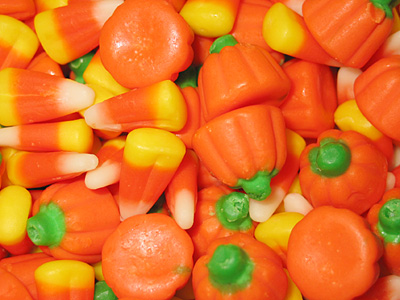
Boo! Since Halloween is this week, it’s a good time to think about what makes this holiday so scary. It’s not the ghosts or zombies that come to your door in the evening seeking candy that you should be scared of, though. In fact, you don’t even need to wait until dark to get spooked. You are likely to see the scariest “costumes” on your breakfast table on Halloween morning—candy and soda dressed up as healthy food! Here are three common examples:
candy corn


Fro-yo dressed as healthy yogurt

Most people would consider yogurt to be a healthy breakfast. And it is, provided you aren’t getting tricked! Low-fat and fat-free flavored yogurt is almost always sweetened with sugar. This is true for the yogurt tubes that kids love and much of the Greek yogurt that is so popular. Sure, it contains protein and beneficial bacteria, but the added sugar makes it equivalent to frozen yogurt or ice cream in terms of calories and sugar. Some of these yogurts even come with toppings, like bits of chocolate, just like fro-yo!

A healthier alternative is plain yogurt with real fruit. Sure, it’s not as sweet, but you will be getting the benefits of eating yogurt without all the added sugar.

Soda dressed as fruit juice

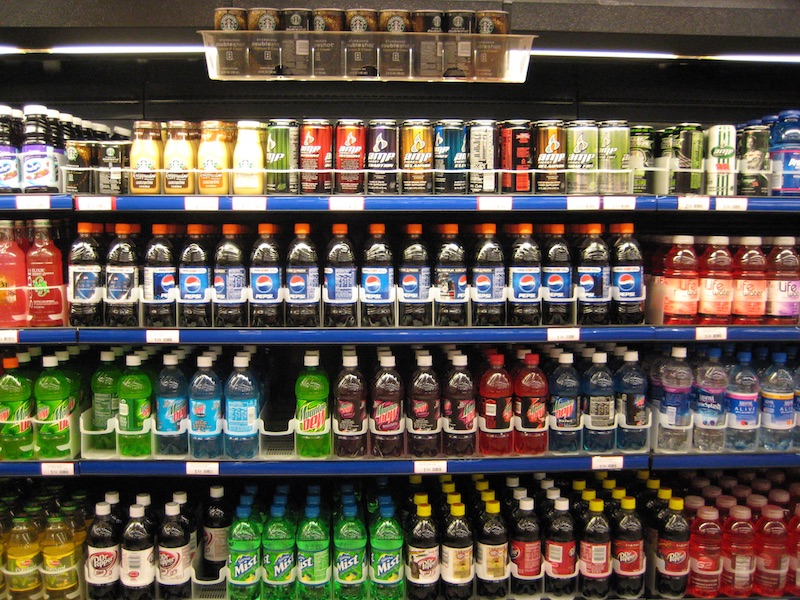
Many “fruit” drinks contain less than 5% juice but plenty of added sugar, so they are essentially soda without bubbles. For example, the orange drinks like Hi-C or Sunny D are a popular substitute for orange juice, but they are far from a nutritional equivalent. The same is true for other drinks, including juice boxes and pouches, which are commonly part of breakfast, lunch, or snacks. Even scarier is the fact that these drinks are much sweeter than real fruit. Children may develop an expectation that oranges or orange juice should taste as sweet as soda and prefer the sugar-sweetened version over the real fruit.

A better choice is to make real fruit and fruit juice, not soda disguised as juice, a part of meals and snacks

Candy bars and cookies dressed as cereal and breakfast bars

Many popular breakfast foods targeted at children include sugar-sweetened cereals, pastries, and bars. Some breakfast bars and cereals that seem healthy are really candy bars in disguise. Some even skip the disguise and actually look like candy or dessert. Pop Tarts and some granola bars are covered in chocolate or frosting, and favorite cereals often contain marshmallows or are shaped like cookies. No surprise that these foods are as high in calories and sugar as cookies or some candy bars. Worse, a child who is used to breakfast or snack foods that taste like candy or cookies may resist real food when it is offered. Now that’s scary!

When you think you are eating something healthy but it’s really not—I call this Candy and Soda for Breakfast. And it’s not just breakfast, it happens at every meal.

While the focus here is on food for kids, it really isn’t much different for adults. Breakfast foods like donuts and pastries are almost always topped with icing and it would be difficult to distinguish many muffins from cupcakes. For many people, coffee isn’t just coffee anymore, but a drink that contains as much sugar and as many calories as a milkshake, sometimes with whipped cream on top. What’s really scary is that this is how many people eat every day.

The good news is that you can make your breakfast healthier without too much effort. While there is much debate about what constitutes a healthy breakfast, there is agreement about what it doesn’t include—lots of added sugar! Look for cereals that are low in added sugars and high in fiber. Include real fruit, fruit juice, and milk (or soy milk) whenever possible. If you have time, eggs are an excellent source of protein and healthy fats. Yogurt is good, too, but watch out for added sugars in flavored yogurt. Whole grain toast or a bagel with peanut butter makes a good alternative to Pop Tarts or breakfast bars.

As a general rule, steer clear of foods that look like dessert. Frosting, marshmallows, chocolate chips, and sprinkles simply aren’t part of a healthy meal!

If you are worried about the big bags of candy that get brought home on Halloween night, keep this in mind.  While eating a lot of candy is never healthy, a typical Halloween candy binge lasts a few days, after which time the candy is gone or the kids are literally sick of eating it.  The long-term effects on your kid’s health (and teeth) can be offset by a good diet, regular activity, and diligent brushing and flossing. The same applies to you, too, if you find yourself digging into the big bowl of candy that is inevitably left over.


drparrsays blog footer

The importance of summer camp for health, fitness, and FUN!

Many kids are spending at least part of their summer at a camp. Summer camps are more than just a break from school. They play a crucial role in shaping children’s physical activity levels, overall health, and wellbeing. In our increasingly digital world, where sedentary behaviors among children are on the rise, summer camps offer a vital opportunity to counteract this trend and foster active lifestyles.  This is  the topic of my Health & Fitness column in the Aiken Standard this week.

kids-jumping

Summer camps provide a structured environment where children engage in various physical activities throughout the day. This is important because structured physical activity programs during childhood are essential for developing fundamental motor skills, coordination, and cardiovascular fitness.

Camps offer a diverse range of activities such as swimming, hiking, team sports, and outdoor games, which not only keep children physically active but also expose them to different forms of exercise they may not experience otherwise. This variety helps in developing a lifelong interest in physical fitness and encourages children to explore their physical capabilities.

Additionally,  regular physical activity during childhood is linked to numerous health benefits, including reduced risk of obesity, cardiovascular diseases, and improved mental health. Summer camps play a pivotal role in addressing these health concerns by providing opportunities for children to meet recommended physical activity guidelines.

Centers for Disease Control and Prevention recommends that children and adolescents engage in at least 60 minutes of moderate to vigorous physical activity daily. Summer camps often exceed this recommendation through structured sessions and active play, contributing significantly to children’s physical health.

Beyond physical health, summer camps also support children’s overall wellbeing. Engaging in outdoor activities and spending time in nature have been associated with lower stress levels and improved mood. Camp experiences foster social connections and teamwork, which are essential for emotional development and building resilience. The camp environment encourages positive peer interactions and helps children develop interpersonal skills, empathy, and self-confidence. These social and emotional benefits contribute to a holistic sense of wellbeing among camp participants.

Furthermore, summer camps serve as a platform for promoting lifelong habits of healthy living. The skills and habits children learn at camp, such as teamwork, sportsmanship, and the enjoyment of physical activity, can translate into sustained behaviors beyond the camp environment.

Research suggests that early exposure to enjoyable physical activities increases the likelihood of continued participation in adulthood. By instilling a positive attitude towards physical activity and health at an early age, summer camps play a preventative role in combating sedentary lifestyles and associated health risks later in life.

Summer camps are important for promoting children’s physical activity, health, and overall wellbeing. Through structured activities, exposure to outdoor environments, and fostering social connections, camps create a conducive environment for children to thrive physically, emotionally, and socially. Research underscores the importance of such experiences in laying the foundation for a healthy lifestyle and reducing the risk of chronic diseases.

Therefore, investing in summer camps and ensuring access to quality programs is not only beneficial for individual children but also for public health initiatives aimed at combating childhood obesity and promoting wellbeing. Summer camps represent more than just a recreational opportunity; they are a cornerstone in nurturing active, healthy, and resilient children.


drparrsays blog footer

Summer gains and losses: Maintaining good health and academic success over summer vacation.

The school year has ended for kids in our area. Long summer days to play, sleep in, and relax are an important part of growing up. But many educators and health professionals are concerned about what gets lost, and what gets gained, when kids are away from school. This is especially true in a year when many kids missed at least some opportunities due to the coronavirus pandemic. It’s also the topic of my Health & Fitness column in the Aiken Standard this week.

kids-jumping


Summer learning loss is a real concern. It is estimated that children lose, on average, two months of reading skills and one month of overall learning over summer break. Those losses must be made up when school starts again in the fall, so teachers spend about six weeks re-teaching material that was covered in the previous grade. That is six weeks that children are not learning at grade level, which certainly has an impact on achievement over time.

Not all kids are affected equally. Much of the disparity in summer learning losses falls along socioeconomic lines. Some children have more opportunities than others to continue learning over the summer through formal educational programs and camps and informal encouragement to read.

To address this issue, many institutions implement summer “school” through classes, on-line learning programs, and encouraging reading at home. Some target the students who need them the most while other programs are instituted for all children. In fact, all three of my kids completed online learning programs last summer.

Learning losses are not the only concern with an extended break from school. Many children gain more weight over the summer than during the rest of the year. Furthermore, fitness gains made during the school year are frequently lost over the summer.

While poor nutrition and a lack of activity in schools is a real concern, many children get more exercise and eat better at school than they do at home. Being at home over the summer can lead to poor eating habits—too much unhealthy food or not enough food in general—and lack of chances to be active.

This is important because the combination of poor nutrition, physical inactivity, and obesity has physical, psychological, and social consequences for children that frequently persist into adulthood. Overweight and obese children, especially those who are inactive, are at increased risk for type 2 diabetes, high blood pressure, heart disease, and even stroke – conditions usually associated with adulthood.

Even if an overweight child does not have these conditions now, he or she is likely on that path. In fact, many experts predict that children born today will be the first generation in history to have a shorter lifespan than their parents due to obesity-related diseases that begin in childhood.

Children who are overweight are also more likely to suffer other consequences including lower self-esteem, social functioning, and academic performance. Overweight children are also less likely to play sports or participate in other forms of physical activity, which creates a cycle leading to poorer health and, potentially, poorer academic success.

Now that school is almost out for the summer, this is a critical time of year to focus on good nutrition, physical activity, and continued reading and learning to help prevent a summertime slump in health and academics.

Schools can only do so much, so adults should model good diet, activity, and reading behaviors themselves. A good place to start is by turning off the TV and reading a book or going outside to play. It’s something all of us—adults and children—will benefit from.


drparrsays blog footer

Don’t get juiced! Whole fruits and vegetables are healthiest.

Nutrition information is often confusing and conflicting, making healthy food choices a challenge. Fortunately, there are some recommendations that are consistent. Among these is eating more fruit and vegetables. Depending on how you consume these foods, you may be missing some of the nutrients that make them so healthy. This is the topic of my Health & Fitness column in the Aiken Standard this week.

Continue reading

Valentine’s Chocolate—Healthy or Not?

Valentine’s Day is this week, so you may be the lucky recipient of a box of chocolates. Hopefully you enjoy it! Of course, eating too many sweets, including chocolate, isn’t a good idea. But eating certain types of chocolate has been linked to some health benefits.

The idea that chocolate may be healthy is no doubt welcome news for chocoholics. But it may leave you wondering if eating chocolate really is healthy. The answer depends on what you mean by chocolate and what you mean by healthy. This is the topic of my Health & Fitness column in the Aiken Standard this week.

chocolate hearts

Photo by RODNAE Productions from Pexels

Continue reading

How to stay healthy at work.

Many people are trying to create a healthier lifestyle by eating healthier, making time for exercise or other activity, and reducing stress. Frequently, the focus is on what they can do at home, from prepping meals to joining a gym or going to yoga class.

But many people spend a major part of their day at work, where healthy options are often limited. From the box of donuts at a morning meeting to a quick fast food lunch, eating well at work can be difficult. And for people who have office jobs, it also likely means lots of time sitting at a desk.

Fortunately, there are things you can do to make your time at work a little less damaging to your health. Even better, these steps can also make you more productive and feel better throughout the day. This is the topic of my Health & Fitness column in the Aiken Standard this week.

Parr at desk 2-11-16

Continue reading

Give thanks for a healthy meal this Thanksgiving

Happy Thanksgiving week! While this Thanksgiving may different when it comes to gathering together with family and friends, food will certainly be a part of the holiday. Even though many of our favorite dishes are not the healthiest choices, they make an appearance on the table each year. For many of us, Thanksgiving dinner is a day marked by overindulgence and poor nutrition choices.

In an effort to make Thanksgiving dinner healthier, recommendations for modifying or replacing traditional dishes are a common theme in magazines, on the morning TV shows, and on the web. While these suggestions are meant to be helpful, I’m not sure they actually serve to make a significant impact on health. In fact, the foods we eat and the way we eat them may be the healthiest part of a traditional Thanksgiving dinner. This is the topic of my Health & Fitness column in the Aiken Standard this week.


Photo by Karolina Grabowska from Pexels

Continue reading

Healthy Back to School for the Whole Family

This week marks the beginning of another school year for many children in our area. Students, parents, and teachers are starting another year filled with opportunities for children to learn and grow through math and science, reading and writing, and art and music. 

But children should also learn about good nutrition and physical activity, since both good health and good education are essential for lifelong happiness and success. In most schools, though, most kids won’t experience much meaningful education about nutrition, activity, and health. 

To be clear, this is not the fault of teachers or individual school leaders, who are limited in what they can do by local, state, and federal requirements. These topics necessarily become “homework,” and the responsibility of parents and other caregivers. 

Here are a few suggestions from my Health & Fitness column in the Aiken Standard to help make everyone happier and healthier this school year.

Make sure everyone in the family is active every day. Physical activity is critical for good health for everyone. Importantly, it can improve your immune system, helping you fight viruses of all kinds. Beyond that, being active can help you perform better at work and school and make it easier to do things you enjoy in your leisure time. Adults should be active for a minimum of 30 minutes per day. Everything from taking the dog for a walk to a fitness class at the gym counts. For children, the goal is 60 minutes per day through PE class, sports, and play. As a bonus, you can do at least some of the activity together to make activity a family event!

Make healthy eating a family project. There is a lot of confusion about what makes a healthy diet, but there are a few guidelines almost everyone agrees on. First, eat more fruits and vegetables. At a minimum, eat at least five servings each day, but try for twice that. Second, limit added sugars and salt. This is tricky since salt, sugar, and other sweeteners are added to most processed foods. Eating too much sugar is known to contribute to obesity, heart disease, and some cancers, so this is among the smartest nutrition moves you can make. Salt, by itself, isn’t necessarily harmful, but less salt almost always means less processed food and more “real” food. Finally, be mindful of portion sizes. Super-sized servings and second (and third) helpings are the primary reason why people gain weight over time.

Plan to eat at least one meal together each day. Most experts agree that family dinners are important for promoting good communication and healthy eating habits. Given that our days are busy with work, school, and other activities, eating dinner together every night is unrealistic for many families. So, start with planning at least one family dinner at home each week. This is also a good opportunity to teach children about food and cooking, so it is even better if you prepare the meal together.

Make getting enough sleep a priority. Many American adults and children don’t get enough sleep. Many American adults and children don’t get enough sleep. Lack of sleep can affect children’s growth, development, and learning.  It can also have an impact on an adult’s productivity at work. The effect of chronic stress on health is well known and we should recognize a lack of sleep as a form of stress. A good goal for adults is 7–9 hours of sleep each night. School-aged children need 8–12 hours, with younger kids requiring more. As difficult as it may be, earlier bedtimes can benefit everyone in the family. Limiting screen time (TV, computer, tablet) before bed can help improve sleep, too.

Obviously, these ideas are easier read than done, especially for busy families. But moving more, eating better, and getting more sleep—especially if it is done together—can help your family enjoy a happier and healthier year.

That’s not coffee! It’s your morning milkshake.

Breakfast is often thought of as the most important meal of the day, for good reason. Eating a healthy breakfast provides energy to start the day and can be helpful for weight control. In children, a healthy breakfast is essential for proper growth and development and is linked to improved attention and learning in school. Unfortunately, many common breakfast foods are more like candy and soda than a healthy meal to start the day.

This is also true for breakfast drinks, including coffee drinks. Many popular coffee drinks are more similar to a milkshake than to actual coffee! This is the topic of my Health & Fitness column in the Aiken Standard this week.

Take, for example, the grande (16 oz) Mocha Frappuccino blended coffee drink from Starbucks. This drink has 410 calories, 15 grams of fat, 61 grams of sugar, and 5 grams of protein. To put this in perspective, 61 grams of sugar is more than most people should have in an entire day!

You could order this drink with nonfat milk and no whipped cream. That’s a good idea, but it will still have 270 calories, 1 gram of fat, and 59 g sugar. That’s still a lot of sugar!

Let’s compare that to a small (16 oz.) McCafe Mocha Frappé from McDonald’s, which is essentially a coffee milkshake. It has 500 calories, 20 grams of fat, 66 grams of sugar, and 8 grams of protein.

Sure, the calories and sugar in the coffee drink aren’t quite as outrageous as the milkshake, but it’s close. This is especially clear when you compare the coffee drink to actual coffee. A grande (16 oz.) Pike Place Roast from Starbucks has 5 calories and no fat or sugar. If you like cream and sugar in your coffee, that adds 5 grams of sugar, 3 grams of fat, and about 50 calories, still way less than either “coffee” drink.

If you don’t want plain coffee a better choice might be a grande Starbucks Cappuccino, which has 140 calories, 7 g fat, and 10 g sugar. Get one with nonfat milk and you cut out 60 calories from fat. If you are worried about how much sugar you consume and how many calories you drink (you probably should be!), this is a much better coffee drink choice than a milkshake!

This isn’t specific to Starbucks. A medium (16 oz.) iced coffee at Dunkin’ Donuts has 130 calories and 28 grams of sugar. And that doesn’t include a donut.

Does this mean you can’t enjoy a delicious coffee drink? Of course not. But don’t try to fool yourself by calling it coffee. Depending on what you order, it may essentially be a milkshake! I think we can all agree that is not part of a healthy breakfast.

I call this idea that unhealthy food makes its way onto our breakfast table Candy & Soda for Breakfast. Foods like donuts and pastries are often topped with icing and it would be difficult to distinguish many muffins from cupcakes. Many “fruit” drinks contain little to no juice but plenty of added sugar, so they are essentially soda without bubbles.

And it’s not just breakfast, either. Lunch, dinner, and snacks frequently include foods that look like a healthy choice—yogurt, nuts, and granola bars are a few examples—but really are candy and soda in disguise.


Your heart health action plan

February is Heart Month, an ideal time to assess your risk of heart disease and take steps to improve your health. This is important because heart disease, sometimes called coronary artery disease, is the leading cause of death among adults in the United States. It is responsible for nearly 600,000 deaths each year, mostly from heart attacks. Millions more are at increased risk because of certain biological and behavioral risk factors.

Some of these risk factors cannot be changed, such as age, sex, and family history, while others can be altered to reduce risk. These modifiable risk factors include smoking, high blood pressure, high cholesterol, diabetes, obesity, stress, and physical inactivity. While your doctor can play an important role in treating these conditions, there is much you can do on your own to improve your heart health. This is the topic of my Health & Fitness column in the Aiken Standard this week.

The first step is to get a good assessment of your heart health. If you haven’t done so recently, you should see your doctor to have your risk factors evaluated. This includes tests for blood glucose and blood lipids (including total, LDL, and HDL cholesterol and triglycerides), measurement of your blood pressure and body weight, and an assessment of other health factors such as your family history, whether you smoke, and your level of physical activity.

The next step is to treat the risk factors that you have. Depending on the severity and your own personal health history your doctor may prescribe medications to lower your blood pressure, blood glucose, or blood lipids. These medications are most effective when combined with lifestyle changes including good nutrition, exercise, and weight loss. In some cases, poor diet and lack of activity can counteract the beneficial effects of these drugs. Furthermore, these healthy habits may help you reduce the dosage, and limiting the side effects, or stop taking the medications altogether.

The other risk factors—obesity, inactivity, and smoking—really must be treated through lifestyle management. While there are medications that can help with smoking cessation and weight loss, being successful requires making lasting behavior changes. These habits can be difficult to change, and many people have tried before without success. Keep in mind, though, that everyone who is successful at quitting smoking, losing weight, or sticking to an exercise program has experienced their share of difficulty. The difference is that those people kept trying until they were successful. You can be successful, too.

Even small changes can have a big impact. Take exercise, for example. The benefits of as little as 30 minutes of physical activity per day are well established and impact heart disease risk in a multitude of ways. Physical activity helps with weight control, lowers blood pressure, improves blood lipids, and prevents and treats diabetes. Think of this as a great health “deal.” By modifying one risk factor—inactivity—you can also promote beneficial changes in four others—obesity, hypertension, high cholesterol, and diabetes. There is no other treatment, drugs included, which can have such a broad impact on reducing heart disease risk!

Knowing which risk factors are most concerning can help you and your doctor make effective treatment decisions. Quitting smoking, increasing your physical activity (and reducing sedentary time), and eating a healthier diet can lead to improvements in heart disease risk factors and reduced heart attack risk. The best news is that these same changes can also reduce your risk of other serious health problems including many types of cancer, stroke, and lung disease.