Tag Archives: exercise

Fun and fitness on your active summer vacation

If you intend to take a vacation this summer, now is the time to start planning. If your vacation will involve activities like hiking, cycling, or swimming, you need to make sure you are ready for that level of activity. Even sightseeing and visiting theme parks can require far more activity than most people are accustomed to.

Unfortunately, many people find out the hard way—sore feet and achy legs, for example—that they weren’t prepared. The good news is that regular exercise now can prepare you for your next vacation so you can focus on having fun. This is the topic of my Health & Fitness column in the Aiken Standard this week.

Family beach vacation


There is good reason to choose an active vacation. Spending time outdoors can reduce stress and walking on the beach or snorkeling in the ocean seems like fun, not exercise. The end result is that being active on your vacation adds to the restorative effect of taking time away from your usual routine. In one study, people who had a physically active vacation reported that they felt mentally and physically fitter, felt more balanced and relaxed, could concentrate better during work, were in a better mood, and felt more recuperated than those who took it easy.

Even if you don’t choose a vacation to participate in a specific exercise, you will likely spend time being active. At the very least, you will be on your feet a lot more than usual.

It is not uncommon for visitors to Disney World to be on their feet for 12 hours and walk 10 to 15 miles in a single day. Most people don’t do that much walking in a typical week! This can lead to blisters, muscle soreness, and fatigue, limiting what you can do and, at the very least, making your time less enjoyable.

If you spend much of your time sitting at work and home, you should try limit your sitting and spend more time standing and moving around. This will help you get ready for long days on your feet. If your vacation will include cycling, hiking, or other vigorous exercise, you should make an effort to build up your endurance through longer exercise sessions. And be sure to break in new hiking or walking shoes before your trip!

Your travel plans may require spending time on planes and in airports. This usually means a lot of sitting, but it doesn’t have to. Airports, especially large airports, are built for walking. You can easily walk long distances while you wait for your flight. If you have enough time, you can take a walk around the entire airport, giving you an active way to pass the time.

Passageways that showcase art, shopping, or other information make walking through the airport a more pleasant experience. If you are traveling with children, many airports have areas that allow kids to move and play. You can always get at least a few minutes of activity by taking a short walk rather than sitting in the gate area waiting for your flight to board. Once you are on the plane you can usually get out of your seat to stand up, stretch, and walk around a bit.

Your goal should be to enjoy your vacation and the extra activity it will likely include. In addition to the numerous other health benefits, improving your fitness through regular physical activity will help you appreciate your vacation time more with less stress, meaning you can return home relaxed and ready to take on your usual routine.


drparrsays blog footer

Golf for fun, fitness, and health

Now that spring has arrived and the Masters just ended, lots of people in our area are talking about, and playing, golf. Over 25 million Americans played golf last year, making it one of the most popular sports to participate in. In fact, golf is the most popular sport played by adults over the age of 55.

Often perceived as a leisurely activity for retirees or business executives, golf offers a wide range of health benefits that make it an excellent form of physical activity for individuals of all ages. Playing golf can improve cardiovascular health, enhance muscle strength and endurance, increase flexibility, improve balance and coordination, and reduce stress levels. This is the topic of my Health & Fitness column in the Aiken Standard this week.

pexels-jopwell-1325681


According to one study, which measured heart rate in golfers not using an electric cart on a hilly cart, the intensity of a round of golf is consistent with moderate-intensity aerobic exercise. Considering that the average golfer plays for about three hours per round, this accounts for a substantial amount of recommended weekly physical activity. A golfer who walks the course could burn up to 1,000 calories over 18 holes. Of course, the activity level and health benefits are reduced when riding in a motorized cart, but even that level of activity is associated with health benefits.

Playing golf can improve muscle strength and endurance. Golf requires the use of multiple muscle groups, including the core, legs, arms, and shoulders. Swinging a golf club strengthens the muscles of the upper body, while walking uphill and downhill on the golf course strengthens the leg muscles. Carrying the golf bag on the shoulders or pushing a golf cart can further enhance the benefits of the exercise.

Golf can also enhance flexibility, which is crucial for maintaining a healthy range of motion and reducing the risk of injuries. The swinging motion of the golf club requires a full range of motion of the shoulders, back, hips, and wrists. Additionally, the walking and bending involved in playing golf also contribute to improving flexibility. Together, enhanced strength and flexibility  can aid in the prevention of back pain, joint stiffness, and muscle soreness.

Playing golf can also improve balance and coordination, which is essential for performing daily activities and maintaining stability. Golf requires a high level of hand-eye coordination, as well as coordination between the upper and lower body. The ability to maintain balance while swinging the golf club and walking on uneven terrain can help prevent falls and injuries, especially in older adults.

Lastly, playing golf can reduce stress levels and improve mental health. Most golfers play in a group, so golf offers social interaction in addition to activity. Furthermore, outdoor activity is known to have substantial benefits on mood and feelings of well-being, meaning that golf can be good for mental health as well as physical health.

In conclusion, golf is an excellent form of physical activity that offers numerous health benefits. The aerobic, strength, flexibility, balance, and coordination involved in playing golf can enhance overall fitness and reduce the risk of chronic diseases. Furthermore, golf can provide a peaceful and relaxing environment that can reduce stress levels and improve mental health. So, next time you think of golf, remember that it is not just a sport but also a way to stay fit and healthy.


drparrsays blog footer

Exercise during allergy season

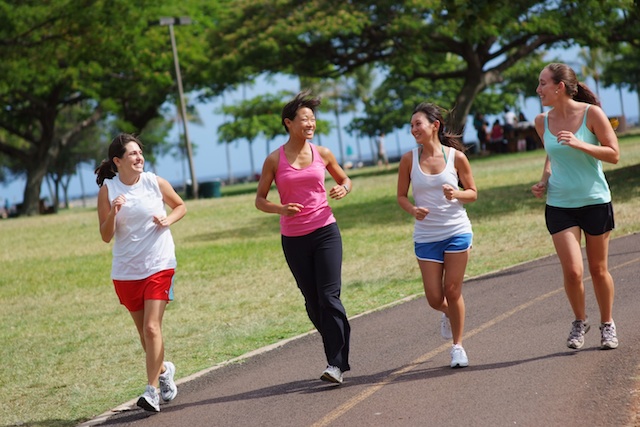
The arrival of spring in our area has brought warmer weather, blooming flowers, green grass, and, for many, seasonal allergies. If you suffer from seasonal allergies, you may want to know if it is safe to exercise outdoors. The short answer is yes, provided you take the right precautions. This is the topic of my Health & Fitness column in the Aiken Standard this week.

Jogging-poster

Continue reading

Diagnosis and treatment of heart disease explained.

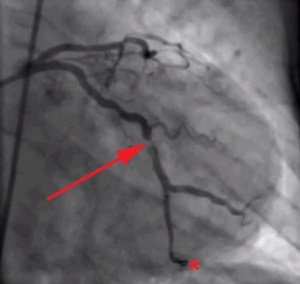
Heart disease, sometimes called coronary artery disease,  is caused by atherosclerosis, a process which involves the accumulation of cholesterol plaques in the arteries that supply blood to the heart. These plaques can narrow the blood vessels and reduce blood and oxygen delivery to the heart, leading to symptoms like chest pain (ischemia). The plaques can also rupture and form a blood clot, blocking oxygen delivery and causing a myocardial infarction—a heart attack.

Coronary_angiography_of_a_STEMI_patient,_showing_partial_occlusion_of_left_circumflex_coronary_artery

Continue reading

How to stay healthy at work.

Many people are trying to create a healthier lifestyle by eating healthier, making time for exercise or other activity, and reducing stress. Frequently, the focus is on what they can do at home, from prepping meals to joining a gym or going to yoga class.

But many people spend a major part of their day at work, where healthy options are often limited. From the box of donuts at a morning meeting to a quick fast food lunch, eating well at work can be difficult. And for people who have office jobs, it also likely means lots of time sitting at a desk.

Fortunately, there are things you can do to make your time at work a little less damaging to your health. Even better, these steps can also make you more productive and feel better throughout the day. This is the topic of my Health & Fitness column in the Aiken Standard this week.

Parr at desk 2-11-16

Continue reading

Tips for Making Healthy Resolutions That Last

Have you made your New Year’s resolutions yet? If not, there is still time. Among the most common resolutions are changes to improve health, including quitting smoking, losing weight, and starting an exercise program. Making a resolution is one way to get yourself started on a journey toward better health.

However, it’s important to approach your resolutions with a clear and realistic mindset, as this can increase the chances of success and make the process more enjoyable. This is the topic of my Health & Fitness column in the Aiken Standard this week.

pexels-breakingpic-3237


Here are seven tips for sticking to your New Year’s resolutions:

  1. Set specific goals: Instead of resolving to “eat healthier,” try setting a specific goal such as “eat at least five servings of vegetables per day.” This makes it easier to track progress and celebrate small victories along the way.
  2. Make a plan: It’s important to have a clear plan in place to achieve your goals. This could include things like meal planning, finding a workout buddy, or scheduling time for self-care activities.
  3. Start small: It can be overwhelming to try to make too many changes at once. Instead, try focusing on one or two small goals and gradually build from there. This can help prevent burnout and increase the chances of success.
  4. Be realistic: While it’s important to challenge yourself, it’s also important to be realistic about what you can accomplish. Consider your current lifestyle and time commitments and set goals that are achievable given these constraints.
  5. Seek support: It can be helpful to have someone to share your journey with, whether it’s a friend, family member, or professional coach. Having someone to hold you accountable and offer encouragement can make all the difference.
  6. Be kind to yourself: It’s important to remember that setbacks and setbacks are a normal part of the process. Don’t get too hard on yourself if you don’t see progress as quickly as you’d like, or if you slip up. Instead, try to focus on the progress you have made and continue working towards your goals.
  7. Stay motivated: It can be easy to lose motivation as the year goes on. To keep yourself motivated, try setting small rewards for yourself as you reach specific milestones, or find ways to make your goals more enjoyable.

Making healthy New Year’s resolutions is a great way to improve your overall well-being and quality of life. By setting specific, achievable goals, making a plan, starting small, and seeking support, you can increase your chances of success and make the process more enjoyable. Remember to be kind to yourself and stay motivated, and you’ll be well on your way to a healthier new year!


Too fat to fly! A North Pole weight loss plan that will work anywhere.

There is a problem at the North Pole! Santa’s reindeer are unable fly, putting his Christmas plans in jeopardy. It turns out that the reindeer are suffering from a common problem, one that you might be dealing with, too. Fortunately, Santa has a solution that can help his reindeer and save Christmas. This is the topic of my Health & Fitness column in the Aiken Standard this week.

toofattofly


According to the children’s book Too Fat to Fly by Doreen Belleville, Santa’s reindeer have gained weight in the “off season.” Too much sitting around and too many snacks and treats have resulted in weight gain to the point where the reindeer simply can’t do their job. Sound familiar?

Whether it comes during the holidays or gradually throughout the year, weight gain is common for many people. And, like the reindeer, it often goes unnoticed until it is too late—trying to fit into your old suit or favorite dress, for example.

It’s not just the weight that is the problem. The long, lazy vacation has allowed the reindeer to become unfit. They simply aren’t strong enough and don’t have the endurance to pull Santa’s sleigh. Again, a decline in fitness over time is something many of us experience and we may not notice it until we do something strenuous that makes it clear we are out of shape.

In the book we learn that the solution is both simple and well-known. Santa charges his elves with getting the reindeer back in shape, in terms of both fitness and fatness. The snacks are replaced with healthy meals containing lots of fruits and vegetables. And days spent lying around are now spent in the gym and going for walks outdoors.

Like many of us, the reindeer have a tough time adjusting to their new exercise routine. The treadmills are tricky for them, until they get the hang of it. For many of us, exercise equipment and new types of exercise can be intimidating. But with some guidance from the elves (or a personal trainer) you may find that trying new forms of exercise can really help you, just like it did for the reindeer.

The reindeer followed a diet that emphasized fruits and vegetables. Despite the controversy over which diet is the best, almost everyone agrees that more fruits and vegetables and fewer calories from added sugars will help you lose weight. These foods are lower in calories than many other options, contain fiber to help you feel full, and replace less healthy foods you might otherwise pick. Carrots and apples, what the elves picked for the reindeer, are excellent choices, but pretty much any fruits and vegetables will work. Of course, you should eat other foods in moderation, too, including whole grains, meat, and dairy.

The good news is that the diet and exercise program helped the reindeer lose weight and get back in shape in time for Christmas can work for you, too. While you may not see such rapid results, if you are careful with what you eat and dedicate time every day for exercise, you can lose weight relatively quickly. It’s not easy for people or for reindeer, but weight loss and improved fitness are achievable.

Looking forward, continuing to eat a healthy diet and exercising regularly can save you the trouble of trying to lose weight next year at this time. It is always easier to maintain weight and stay fit than it is to lose weight and get back in shape. I’m sure that’s a lesson Santa will teach his reindeer!


New reasons why it is so easy to gain weight. And what you can do to stop it.

If you have been gaining weight or find it more and more difficult to maintain your weight, you are not alone. According to current statistics, one-third of U.S. adults are obese and two-thirds are considered overweight. Being overweight is now the norm in America, since only about 3 in 10 people are at a healthy body weight.

This is consistent with other reports that show that the waistlines of Americans are expanding. One study looked at the percentage of adults who had a high waist circumference (over 35 inches for women and over 40 inches for men). Overall, the average American added over one inch to their waist circumference over the past decade. As of 2012, over half of U.S. adults meet the criteria for abdominal obesity. This is bad news, since excess fat, especially around the waist, increases the risk of type 2 diabetes, hypertension, and heart disease.

It wasn’t always this way. As recently as the 1980s the prevalence of obesity was much lower, around 15%. There has been much interest in figuring out why this widespread weight gain has occurred. While there is no single cause, there are a host of factors that contribute to the obesity epidemic. This is the topic of my Health & Fitness column in the Aiken Standard this week.

Obesity


Among the forces that seem to be working against you are your genetics and our environment, specifically as it relates to eating and activity behaviors.  Over the past several decades our “food environment” has changed so that now low-quality, high-calorie food is readily accessible and more nutritious food is harder to find and more expensive. Our “activity environment” has changed, too. For most of us, the physical activity that was common at work and home years ago has been replaced by lots of sitting. While there are genes that influence our eating and activity behaviors, these genes have not changed enough over time to explain the obesity epidemic.

A practical explanation for weight gain, both for individuals and the population as a whole, is that we are eating more and expending less energy through activity. Indeed, even small changes in energy balance can add up to increased weight over time . One study, however, suggests that there may be other factors that may have contributed to the rise in obesity beyond eating and activity.

Among these factors are exposure to certain chemicals in the environment, the use of prescription drugs that cause weight gain, and how our current diet has changed the bacteria in our intestines, that we now know regulate our physiology in surprising ways. For example, bisphenol A (BPA), still found in some plastics, food containers, and receipts, alters normal hormone activity in a way that may increase fat storage.

There is some good news, though. Eating a healthy diet and being active everyday can help you lose weight and maintain a healthy weight. This is true whether your concern is changes in your own eating and activity habits or these other potential causes of weight gain. Indeed, regular exercise may help treat many conditions, like depression, for which prescription medications that may cause weight gain are often used. And a diet rich in fruits, vegetables, and whole grains and low in added sugar may help restore more normal gut bacteria which might help with weight control.

Until we know otherwise, eating smart and moving more is still your best approach to weight control and good health.


drparrsays blog footer

Celebrate Walktober by going for a walk outdoors.

Now that cooler fall weather is finally here (at least in our area), being active outdoors is more enjoyable. October is a great time to get outdoors and go for a walk! That is the spirit of Walktober, an initiative adopted by health organizations, companies, and communities around the globe.

Walking is a great way to be active to help you control your weight, increase your fitness, and improve your health. The most common form of exercise for most people is walking, and for good reason: walking doesn’t require any special equipment (beyond comfortable shoes) or skills, and you can do it almost anywhere.

You can meet basic physical activity recommendations by walking briskly for 30 minutes most days of the week. Even this amount of walking can lead to a lower risk of diabetes, heart disease, and some cancers as well as improved mental health, cognitive function, and greater feelings of well being.

father and son walking in woods

Continue reading

Healthy Back to School for the Whole Family

This week marks the beginning of another school year for many children in our area. Students, parents, and teachers are starting another year filled with opportunities for children to learn and grow through math and science, reading and writing, and art and music. 

But children should also learn about good nutrition and physical activity, since both good health and good education are essential for lifelong happiness and success. In most schools, though, most kids won’t experience much meaningful education about nutrition, activity, and health. 

To be clear, this is not the fault of teachers or individual school leaders, who are limited in what they can do by local, state, and federal requirements. These topics necessarily become “homework,” and the responsibility of parents and other caregivers. 

Here are a few suggestions from my Health & Fitness column in the Aiken Standard to help make everyone happier and healthier this school year.

Make sure everyone in the family is active every day. Physical activity is critical for good health for everyone. Importantly, it can improve your immune system, helping you fight viruses of all kinds. Beyond that, being active can help you perform better at work and school and make it easier to do things you enjoy in your leisure time. Adults should be active for a minimum of 30 minutes per day. Everything from taking the dog for a walk to a fitness class at the gym counts. For children, the goal is 60 minutes per day through PE class, sports, and play. As a bonus, you can do at least some of the activity together to make activity a family event!

Make healthy eating a family project. There is a lot of confusion about what makes a healthy diet, but there are a few guidelines almost everyone agrees on. First, eat more fruits and vegetables. At a minimum, eat at least five servings each day, but try for twice that. Second, limit added sugars and salt. This is tricky since salt, sugar, and other sweeteners are added to most processed foods. Eating too much sugar is known to contribute to obesity, heart disease, and some cancers, so this is among the smartest nutrition moves you can make. Salt, by itself, isn’t necessarily harmful, but less salt almost always means less processed food and more “real” food. Finally, be mindful of portion sizes. Super-sized servings and second (and third) helpings are the primary reason why people gain weight over time.

Plan to eat at least one meal together each day. Most experts agree that family dinners are important for promoting good communication and healthy eating habits. Given that our days are busy with work, school, and other activities, eating dinner together every night is unrealistic for many families. So, start with planning at least one family dinner at home each week. This is also a good opportunity to teach children about food and cooking, so it is even better if you prepare the meal together.

Make getting enough sleep a priority. Many American adults and children don’t get enough sleep. Many American adults and children don’t get enough sleep. Lack of sleep can affect children’s growth, development, and learning.  It can also have an impact on an adult’s productivity at work. The effect of chronic stress on health is well known and we should recognize a lack of sleep as a form of stress. A good goal for adults is 7–9 hours of sleep each night. School-aged children need 8–12 hours, with younger kids requiring more. As difficult as it may be, earlier bedtimes can benefit everyone in the family. Limiting screen time (TV, computer, tablet) before bed can help improve sleep, too.

Obviously, these ideas are easier read than done, especially for busy families. But moving more, eating better, and getting more sleep—especially if it is done together—can help your family enjoy a happier and healthier year.