Tag Archives: exercise

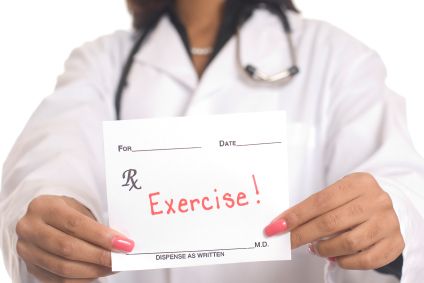
Exercise, like all prescriptions, only works if you use it as directed.

Earlier this week  I wrote about the Exercise is Medicine initiative and why physicians should prescribe exercise to all of their patients.

Despite the widely-known benefits of exercise, many physicians—and people in general—believe that chronic health conditions should be managed using medications, not  proper nutrition and physical activity. This is a misguided approach considering that weight gain and health conditions related to weight gain  accumulate over a period of years, resulting from eating too much combined with low levels of activity.

One reason that physicians are hesitant to prescribe exercise (and, similarly, good nutrition) is that in their experience, it doesn’t work. What they mean is that the results they see after recommending lifestyle modifications are typically not sufficient. So the assumption made by doctors and patients is that lifestyle modifications don’t work. But this is not necessarily the case

This debate comparing lifestyle modification with medical management of chronic diseases is familiar. Consider statins, the popular lipid-lowering medications that are currently among the most-prescribed drugs (examples include Lipitor, Zocor, Crestor and Vytorin). The effect of statin drugs on lowering blood lipids is significant in most patients. This, together with clever marketing to both patients and physicians, explains why they are so widely used.

It is possible to lower blood lipids as much as statins by carefully controlling diet and regular exercise, but it is difficult. How difficult depends on the individual, but everyone would agree that successful lifestyle modification takes more effort and dedication than taking a pill. In order for any treatment to work, it has to be followed. A patient who doesn’t follow their diet or exercise program is no different from a patient who doesn’t take their medication as directed. In both cases, the response to the treatment will fall short of expectations.

If someone didn’t take their statin medication and their blood cholesterol didn’t go down, no one would label the drug a failure. The medication may well have worked if the patient took it. But people routinely claim that diet and exercise don’t work, when the real problem is that these treatments aren’t followed. This could be because the patients weren’t provided with appropriate and actionable information or because they didn’t faithfully follow the instructions they were given.

The problem isn’t that lifestyle modification isn’t effective, it’s that people don’t implement healthy changes for the long-term. Whereas a statin drug results in rapid changes, the benefits of behavior change are realized more slowly. This can lead to the incorrect conclusion that diet and exercise aren’t working, even though they are.

In reality, medication can be part of a treatment plan, but should not be the only prescription.  Long-term health benefits come from changing eating and activity patterns. Medications should be used as a  “jump start” to treating a condition, with a goal of developing a new way of eating and regular activity as the long-term treatment.

For example, medications like statins can lower cholesterol quickly. Then, lifestyle changes can keep the cholesterol down, reducing the need for the drug. Since side effects depend on the dose and duration of treatment, this approach would reduce the risk of potentially dangerous side effects.

For many patients, lifestyle changes are effective on their own, meaning the medication isn’t necessary. And consider this: maintaining a healthy body weight, proper nutrition, and regular exercise has been proven to be the best—and at this point, only—way to prevent most of the health problems most of us will face. Good nutrition and physical activity really are the best medicine!

No pain, no gain? The truth about muscle soreness and what to do about it.

If you exercise, especially if you lift weights, you have probably heard the adage, “No pain, no gain.” This may serve as motivation for some people, but the belief that exercise results in pain might be a good reason not to work out for others. If you are one of those people, you should know that idea that exercise should hurt is simply wrong—muscle pain during or following exercise usually suggests an injury. However, some muscle soreness is unavoidable, especially if you are new to exercise.

The cause of this type of muscle soreness—and what you can do to prevent and treat it—is the topic of my Health & Fitness column in the Aiken Standard this week.

sarcomere


This soreness is called DOMS—delayed onset muscle soreness—and it typically occurs 24 to 48 hours after exercise. It can range from a mild reminder that you worked out to more severe soreness, weakness, and tenderness. DOMS can occur after any type of exercise, but is more common following weight training, especially if it is your first session or a particularly intense workout.

A common belief is that lactic acid build-up in the muscle causes muscle soreness. This is based on the fact that during intense exercise like weight training the muscles make energy for contraction anaerobically (without oxygen), which leads to lactic acid production. This is in contrast to aerobic exercises like walking or jogging that produce energy using oxygen, with little lactic acid build-up. This belief that lactic acid causes DOMS has been shown to be false since any lactic acid that is produced during exercise is cleared shortly after you finish, long before muscle soreness begins. This is one of several commonly held myths about exercise that just won’t go away.

So what causes DOMS? It turns out that strenuous exercise leads to microscopic tears in the muscle, which leads to inflammation and soreness. This sounds bad, but the muscle damage is an important step in the muscle getting bigger and stronger. Your muscles are made up of protein filaments that shorten, leading to a contraction. When you lift weights your muscles respond by creating more protein filaments, allowing you to generate more force and causing the muscle to grow in size, called hypertrophy. The mechanism that leads to creating more muscle protein is stimulated by the damage that occurs during exercise. Without that stimulus, muscle growth wouldn’t occur. This is why weight training programs call for increasing the resistance over time to overload the muscle. Without increasing the weight, you wouldn’t get much stronger.

While the muscle adaptations that are associated with DOMS are beneficial, you may wish to avoid or limit the soreness aspect. You can do this by beginning your exercise program slowly. Resist the temptation to do too much too soon! Build up your time and intensity slowly over several weeks and start weight training with lighter weights. Remember, your goal is to begin an exercise program that you will sustain. Many people have quit working out because they started off with exercise that was too intense. While your goal should be to exercise every day, there is nothing wrong with taking a day off between workouts early on.

If you do experience DOMS you should rest those muscles until the soreness subsides. You can also try an over-the-counter pain reliever or applying ice to the sore muscles. If the soreness isn’t too severe, you can still exercise, but keep the intensity low. Weight training sessions should be scheduled a few days apart to allow for muscle recovery, but aerobic exercise can usually be done every day. If your arms are sore from lifting weights, you can always go for a walk!

Go green for Earth Day

As Earth Day approaches we should think about the impact we have on our environment. We should also think about what we can do to reduce that impact. The good news is there are ways we can “go green” that are good for our health and the health of our planet, as I explain in my Health & Fitness column in the Aiken Standard this week.


Bicycle commuting


First, you can go green by replacing car trips with walking or cycling. Every mile you drive releases carbon dioxide and other pollutants into the environment. Additionally, spending more time sitting in your car can also have negative effects on your health and happiness. Walking or biking has no such effects on the environment and has important health benefits including improved fitness, weight control, and greater feelings of wellbeing. Despite the potential environmental and health benefits of replacing car trips with active transportation, 37% of Americans report not walking for transportation at all in a given week.

Obviously, walking or biking everywhere isn’t practical. But you could probably replace some car trips with active transportation. Most people commute less than five miles to work and nearly half of all car trips are less than two miles. Both are reasonable distances to bike or walk. If you have several places to go, you can always park in a central location and walk to each destination.

The second way you can go green is by eating more vegetables and fruits. Fruits and vegetables contain vitamins, minerals, and fiber and most are low in calories. At a minimum, you should eat five servings per day with an emphasis on fresh fruits and vegetables. You should also try to buy from area farmers. Eating locally grown food is good for you and the environment. Food production and delivery is second only to cars for fossil fuel use  and is the biggest contributor to greenhouse gas emissions. Did you know that the food items that make up a typical meal travel 22,000 miles to get to your table? Food from local farms is associated with fewer “food miles” and a lower environmental footprint.

Additionally, produce grown locally is picked at the peak of freshness, meaning it is richer in nutrients, not to mention flavor. By contrast, produce that is grown far away is picked before it is ripe, resulting in lower nutritional value. As an added benefit, the money you spend on food from local farms stays in our area, supporting farmers who live in our community.

Since you are eating more veggies, you can eat less meat. Raising animals for meat, milk, and eggs has a major impact on the environment. Over a quarter of land is dedicated to raising livestock, and almost 15% of total greenhouse gas emissions come from livestock. These animals also produce tons of manure every minute, at least some of which ends up polluting water supplies.

Finally, you can literally “go green” when you exercise. Being active outdoors leads to enhanced feelings of energy and diminished fatigue, anxiety, anger, and sadness compared to similar activity conducted indoors. Additionally, some research suggests that outdoor activity may improve attention in adults and children. Another advantage of exercising outdoors is that you might get a better workout because you will likely walk or run faster outdoors. Research shows that even though people tend to exercise at a higher intensity outside, it may feel easier. Much of the psychological benefit of outdoor exercise occurs in the first five minutes, so even short bouts of activity, like walking instead of driving a short distance, are meaningful.

So, as you celebrate Earth Day this week, think about all the ways you can go green—it’s good for you and the environment.

Weight loss “frenemies”: How the people around you can support–and sabotage–your weight loss.


Anyone who has tried to lose weight, quit smoking, or make another behavior change knows that having the support of family and friends is a key to success. Additionally, having a “buddy” to go through the process with can help keep you motivated, leading to greater success now and in the long run.

However, a lack of support can make these changes even more difficult. Some people even encounter behavior by friends and family members that directly interferes with their efforts, something that seems to be more common among women than men. (something that my friend Shannon has noticed).

This is the topic of my Health & Fitness column in the Aiken Standard this week.

together-hands


Social support has long been recognized as a key component of group exercise, weight loss, and smoking cessation programs. This support can be both real and perceived. Family, friends, co-workers, and others who directly or indirectly offer support and encouragement are obvious examples. But research shows that even thinking that you have the support of others can boost your chances of success.

Group weight loss programs are popular because they provide accountability, positive role models, and advice in a supportive environment. From my perspective as a weight loss researcher, the group dynamic is a major reason people stick with a program when they otherwise might not. In fact, research supports the idea that programs with a group component tend to be more effective over time. Not wanting to “let the group down” keeps many participants focused and on track. While guilt isn’t the best reason for continuing a weight loss program, it is an effective motivator for some people to reach their goal.

Group support can also make up for support that may be lacking from other people. Some dieters find that the people around them are unsupportive. This can include comments (“seeing you eat healthy makes me feel guilty!”), being excluded from activities because the person is on a diet, and direct sabotage of the person’s efforts by encouraging them to stray from their diet. Participants of group programs report that support from other members helps them get past these barriers.

Even with strong support from others making the same lifestyle changes, the assistance of friends, family, and coworkers is essential. Some support is relatively simple to provide and includes making positive comments and encouragement. A simple acknowledgement of the effort a dieter has been making goes a long way. Sometimes others may see changes before the person losing weight notices any progress. This feedback can be especially motivating.

Other forms of support may be more challenging. For example, if one member of a family is trying to lose weight, the rest of the family may need to alter their habits as well to accommodate changes in eating and exercise. Others can contribute by helping a dieter shop for healthier food, prepare meals, and find time for exercise. Sadly, missing this support is a frequent reason why people are unable to realize long-term weight loss success. The bottom line is that those close to someone who is trying to improve their health can be influential, both positively and negatively, in their success.

If you are trying to lose weight, look for people who can provide support, whether that is encouragement or actual assistance. If you know someone who is on a diet, try to be a source of support for them. Complimenting them on their progress and encouraging them to continue is a good start. At the very least, don’t do or say things that make their health improvement process more difficult. Best of all, you can play along with them—chances are, you could benefit from eating better and getting more exercise!

Skip the smoothie, have a burger? Fast food for exercise recovery.

Many athletes use specialized supplements before, during, and after exercise to improve performance and enhance strength and endurance gains from training. Many non-athletes also use similar supplements, even though they may not need them. And a recent study suggests that fast food, literally meals from McDonald’s, can work as well as more expensive sports supplements for promoting muscle recovery following intense exercise. I try to make sense of all of this in my Health & Fitness column in the Aiken Standard this week.


SONY DSC

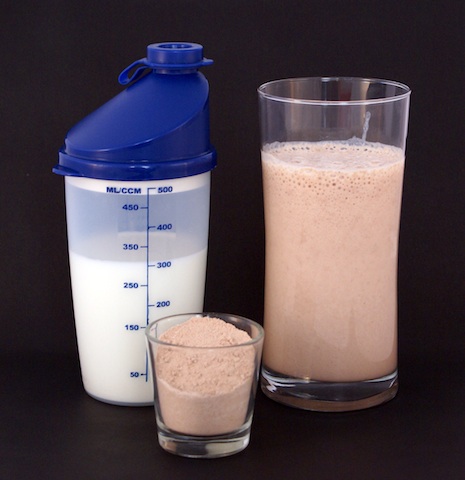
After exercise, many athletes consume specialized beverages and foods that supply nutrients to help their muscles recover. These recovery drinks generally contain some combination of carbohydrates (sugar) and protein and come in liquid, shake, or smoothie form. There are also energy bars specifically formulated for use after exercise. Research shows that these carbohydrate-protein recovery drinks and foods enhance muscle recovery and adaptations to training in some athletes. Even if you aren’t an athlete, you may consume these products after you work out. Let’s explore when and for whom these recovery products might be useful.

Intense endurance exercise—think of a distance runner, cyclist, or triathlete—uses muscle glycogen as a fuel. Muscle glycogen is a storage form of glucose, sugar that the muscle converts into energy. During prolonged exercise sessions that last at least 60–90 minutes, muscle glycogen levels can be severely depleted. Resynthesizing that muscle glycogen is a priority following exercise.

Athletes who are engaging in intense resistance training to build muscle and strength may also benefit from a recovery drink. Weight training stimulates protein synthesis in the muscle, so it makes sense that consuming additional protein would be beneficial. As new muscle protein is formed, both strength and muscle size are increased.

It has also been shown that combining the carbohydrates with protein results in more rapid muscle glycogen replenishment and increases muscle protein synthesis. This is why many specialized recovery drinks and foods include a combination of carbohydrates and protein. The best time to consume carbohydrates to restore muscle glycogen levels is immediately following exercise. Similarly, the muscle is most responsive to extra protein immediately after a resistance training session.

Perhaps these recovery drinks, bars, and shakes aren’t even necessary. Sports nutritionists have long recommended conventional foods and beverages for athletes after exercise. Research shows that chocolate milk is just as effective as more expensive supplements for replenishing muscle glycogen and promoting muscle protein synthesis. Remarkably, according to a study published last week, fast food may work just as well!

In this study cyclists were fed either commercial recovery aids or food from McDonald’s including pancakes, sausage, juice, a burger, fries, and soda after they completed an intense exercise session. Importantly, the meals contained equal amount of calories and nutrients. It turns out that there was no significant difference in how quickly muscle glycogen was replenished or in performance in a subsequent exercise bout between the two conditions. While the authors don’t recommend eating more fast food, this study suggests that foods not typically thought of as sports nutrition products can be effective for muscle recovery following vigorous exercise.

But what about people who engage in regular exercise to improve fitness or lose weight? The benefits of recovery drinks in athletes exist because the intense training causes changes in the muscle that allow the extra carbohydrates and protein to have a positive effect. Training at a lower intensity is unlikely to create this stimulus in the muscle, so these nutrients would not have a significant benefit. Simply put, most people don’t train hard enough to need a recovery drink.

The bottom line is that these recovery aids are not always necessary and you can get the same benefits from regular food. Something else to keep in mind is that these supplements, especially in shake or smoothie form, can be high in calories. It is entirely possible to consume more calories in a recovery beverage than you burn during exercise. This could diminish the effect of exercise on weight loss and may actually lead to weight gain. For most of us, a sensible diet with regular exercise is the key to meeting fitness and weight loss goals.

Exercise and seasonal asthma.

If you suffer from seasonal allergies, you may want to know if it is safe to exercise outdoors. The short answer is yes, provided you take the right precautions. This is the topic of my Health & Fitness column in the Aiken Standard this week.


Jogging-poster

Spring means blooming flowers, new leaves on trees, and green grass. But for millions of people, spring also means seasonal allergies. Also known as allergic rhinitis or hay fever, seasonal allergies are caused by pollen produced by plants. Tree pollen is the most common culprit in the spring, with grass and ragweed in the summer and fall, respectively. Allergy symptoms — watery eyes, runny nose, sneezing, congestion, and cough — may start within 5–10 minutes of exposure in sensitive individuals and last for hours.

Seasonal allergies are an abnormal response of the immune system to pollen. Inhaled pollen acts as an allergen, which stimulates the immune system to produce antibodies, including IgE. Antibodies are produced whenever the immune system encounters a foreign antigen, whether it is a virus or pollen. The IgE stimulates specialized cells in the airways called mast cells to produce histamines, which cause the familiar symptoms of seasonal allergies. This is the same process that causes allergies to dust mites, animal dander, and certain foods.

Since histamines are an important step in triggering an allergic response, seasonal allergies can be treated by using antihistamine drugs such as fexofenadine (Allegra), loratadine (Claritin), cetirizine (Zyrtec) and diphenhydramine (Benadryl). Some antihistamines also include a decongestant (Claritin-D, for example).

Allergy symptoms can be diminished by reducing exposure to pollen. This means keeping the windows of your home and car closed and minimizing outdoor activity when pollen levels are highest, particularly early in the morning, on windy days, and when the pollen count is high. Pollen levels are often reported with weather forecasts.

People often ask if it is safe to exercise if they have seasonal allergies. In most cases, the answer is yes. Allergy symptoms are typically similar to cold symptoms, so the usual advice about exercise with a cold also applies: If the symptoms are above your neck (runny nose, watery eyes, sneezing), it is safe to exercise. That said, allergy symptoms are based on exposure to pollen and the more you inhale, the worse your symptoms. Since your breathing increases significantly during exercise, so does your exposure to pollen.

There are some cases in which exercise with allergies could have serious effects. Exercise-induced bronchospasm (EIB), also called exercise-induced asthma, is a condition that affects the majority of people with asthma, many of whom also have seasonal allergies. EIB is thought to be caused by the cooling and drying of the airways due to the high ventilation during exercise or exposure to particulate matter in the air, typically from pollutants, or pollen. EIB results in the constriction of airways, severely limiting airflow into the lungs. Asthmatics typically carry a rescue inhaler (bronchodilator) during exercise for this reason.

Interestingly, EIB also occurs in athletes, including those who compete at the Olympic level. It is more common among athletes competing in outdoor winter events (cooling and drying of airways) and indoor ice events (pollutants from ice resurfacing equipment). Through careful warm-up and use of certain approved medications, athletes with allergies and EIB can successfully compete at an elite level.

Since most of us don’t reach the exertion level of athletes, there is no reason to let seasonal allergies stop you from exercising. You may be able to exercise outdoors on days in which the pollen count is lower, especially if you do lower-intensity exercise like walking. Antihistamine medications may help ease the symptoms and shouldn’t interfere with exercise. For many people, allergy season is a good time to exercise indoors. Walking on a treadmill or an indoor track or participating in a group exercise class at a local gym are great ways to stay active on days when exercise outdoors just won’t work. By taking some precautions, you can and should exercise even if you have seasonal allergies!

Driving yourself to the doctor.

Have you ever thought about how much time you spend in your car? On average, Americans face a 50-minute round-trip drive each day just for their jobs, and nearly thee-quarters of commuters drive alone. In suburban and metropolitan areas the commute can be much longer. Even in Aiken the average commute time is about 23 minutes. When you include driving to work, taking the kids to school, and doing errands, sitting in a car can easily account for an hour or more each day.

You can find the average commute time in your area using this really cool interactive map from WNYC.

You are probably very aware of the time you spend in the car. What you may not know is that sitting in your car can also have negative effects on your health and happiness. This is the conclusion of several studies that examined the relationship between commuting time and indicators of health. One of these studies suggests that vehicle miles traveled is a strong predictor of obesity. In another study, commuting a greater distance was associated with lower levels of physical activity and fitness as well as a higher waist circumference and blood pressure.

This makes sense because spending more time sitting in your car means you have less time to dedicate to being physically active, something we know is good for your health. Add to that the fact that driving is sedentary. There is accumulating evidence that spending more time sitting in the car, at work, or at home is a predictor of poor health, regardless of how active you are the rest of the day.

It gets worse. Many people eat in their cars during long commutes. Much of the time these “meals” consist of fast food and other prepackaged foods—not many people eat salads while they drive! Since these foods are typically of questionable nutritional quality and high in calories, this alone can contribute to obesity and poor health. The combination of inactivity and eating behind the wheel can easily shift the balance toward weight gain. Plus, eating while you drive is dangerous!

Beyond the direct impact on health through eating and activity behaviors, commuting alone in a car is a form of social isolation. Research suggests that this can lead to depression, itself an important factor leading to poor health.

The problems with long commute times are well established and easy to appreciate. Unfortunately, the solutions are not. Most people can’t move in order to have a shorter commute and relying on public transportation isn’t practical or even possible for many people, especially in our area. Replacing driving a car with active modes of transportation simply isn’t practical.

Aside from the time requirement—imagine how long a 25 minute drive would take on a bike or on foot!—our environment doesn’t adequately support active travel. Being able to walk or bike requires access to safe bike lanes and sidewalks that connect people’s homes to work, school, and other destinations. Even public transportation increases activity over driving and enhances social connections. Sadly, this infrastructure doesn’t exist in most communities, which were built to support cars, not people.

But we can take steps to undo some of the damage that so much driving can cause. Making activity at other times of the day a priority is a good start. This could include exercise at the gym, going for a walk, or even yard work or housework. When possible, replace car trips with walking or biking. Planning these activities with others can strengthen social connections as well as improve health and fitness. Finally, act as an advocate for changes in the community that will make active transportation more realistic.

Don’t wait until you get sick: What you can do to prevent heart disease.

I have been writing recently about heart disease, how it is diagnosed, and what you and your doctor can do to treat it. In order for your doctor to start treating you for heart disease risk factors such as high blood pressure, high cholesterol, or diabetes you need to be diagnosed with one of these conditions. This requires proactively seeing your physician for screening before you start experiencing the consequences of these conditions.

But most people don’t visit their doctor until they have symptoms, and many wait until a more serious event (a heart attack, for example) occurs to seek medical attention. By this time, the disease process has progressed and managing it becomes the goal. It is possible to prevent both the conditions that lead to heart disease as well as reduce the risk that you may have a heart attack or stroke.

Your risk of heart disease is largely determined by health-related attributes and behaviors called risk factors. Some of these risk factors cannot be changed, including age, sex, and family history. Other risk factors are modifiable, meaning you can change them to reduce your risk. These modifiable risk factors include smoking, high blood pressure, high cholesterol, diabetes, obesity, and physical inactivity.

While there are medications that can lower blood pressure and cholesterol and treat diabetes, these modifiable risk factors are best addressed by lifestyle changes. Adopting healthy habits has the potential to have a bigger effect on heart attack risk than medical management. There are three important health behaviors that, together and separately, have a powerful effect on reducing heart attack risk:

Stop smoking. There is no way around this one. Quit! Ask your doctor about prescription medications that can make quitting easier. Nicotine replacement therapy in the form of patches, gum, and lozenges can help manage cravings and are available over the counter. Ultimately, though, quitting smoking is a behavior change that takes motivation, willpower, and time. But it is worth it—your risk of heart attack can drop 50–70% within five years of quitting.

Be active everyday. The importance of physical inactivity as a risk factor for heart disease is often overlooked. But make no mistake, being active on a regular basis is one of the most important things you can do to improve your heart health. Whether you have other risk factors or not, physical activity can reduce your chance of having a heart attack. And if you do have a heart attack, your active lifestyle improves your chances of survival and returning to a normal lifestyle.

The benefits of exercise are well-established and impact heart disease risk in a multitude of ways. Physical activity helps with weight control, lowers blood pressure, improves blood lipids, and prevents and treats diabetes. Think of this as a great health “deal.” By modifying one risk factor—inactivity—you can also promote beneficial changes in four others—obesity, hypertension, high cholesterol, and diabetes. There is no other treatment, drugs included, that can have such a broad impact on heart disease risk!

Improve your diet. If you are like most Americans, your diet is too high in saturated fat, salt, and added sugar and lacking adequate whole grains, fruits and vegetables, and fiber. This type of diet is associated with obesity, high blood pressure, high cholesterol, and diabetes. All of these conditions are risk factors for heart disease, so you may literally be eating your way to a heart attack.

It turns out that adopting a healthier eating pattern is important in reducing your risk of heart disease. Saturated fat intake can lead to abnormal blood lipids and high salt intake is linked to high blood pressure. While eating sugar doesn’t cause diabetes, the type of diet described above is associated with weight gain and diabetes. Just like with physical activity, a healthy diet can lead to improvements in several other risk factors.

The potential impact of these three health behaviors is great. Even modest changes in diet and activity can lead to improvements in risk factors and reduced heart attack risk. More intensive lifestyle modification can produce even greater benefits. In one famous study, daily exercise, a low-fat vegetarian diet, and stress management actually caused regression of heart disease, meaning that the blockages in the coronary arteries were smaller following treatment. While you may not follow such a strict program, becoming more active, eating a healthier diet, and quitting smoking can go a long way to improving your heart health.

Numbers you need to know to prevent and treat heart disease.

February is American Heart Month, an ideal time to assess your risk of heart disease and take steps to improve your health. When it comes to heart disease, there are several numbers, including your blood pressure, cholesterol, and glucose, you (or your doctor) may be monitoring. But there is another set of numbers that are equally important for preventing and treating heart disease that you may not be familiar with: 0, 5, 10, 25, and 30.

What these numbers mean and why they are so important is the topic of my Health & Fitness column in the Aiken Standard this week.


Blood test results

0 is for no smoking. Cigarette smoking more than doubles your risk of heart disease and stroke, is by far the leading cause of lung cancer and other lung diseases, and is responsible for over 400,000 deaths per year. If you smoke, quitting now is one of the most important things you can do to improve your health. Nicotine replacement therapy in the form of gum, lozenges, and patches as well as prescription medications can help, but quitting really does require serious dedication. It’s well worth the effort and some benefits of quitting can be realized almost immediately.

5 is for eating five fruits and vegetables each day. A healthy diet is one important aspect of good health. While there is no one single measure of a healthy diet, adequate fruit and vegetable consumption is widely considered to be essential for good health. Fruits and vegetables contain vitamins, minerals, and fiber and most are low in calories. At a minimum, you should eat five servings per day with an emphasis of fresh fruits and vegetables. Your real goal should be to include fruits and vegetables in all meals and snacks, but five servings per day is a good start.

10 is for 10,000 steps per day. Regular physical activity is essential for good health. Almost any activity counts, and a good goal is to be as active as possible throughout the day. You can track your physical activity using a pedometer (step counter) or an app on your phone. A target of 10,000 steps per day is a commonly cited goal, but you should try to take as many steps as possible. You can do this by minimizing the time you spend sitting, taking the stairs instead of the elevator, and walking instead of driving when possible. More steps are better, even if you don’t get to 10,000.

25 is for maintaining a healthy body weight, or a body mass index (BMI) of less than 25. The BMI is a measure of weight relative to height. A BMI of 18–25 is considered healthy, 25–29 is considered overweight, and 30 and higher is considered obese. The risk of health problems like diabetes, heart disease, and some cancers goes up with BMI, so maintaining a healthy body weight is good for your health. If you are overweight you should lose weight, even if you don’t achieve a BMI of less than 25.

30 is for 30 minutes of exercise per day. In addition to being as active as possible throughout the day, you should dedicate a minimum of 30 minutes for exercise or other activity. Considerable research shows that as little as 30 minutes of moderate to vigorous activity leads to improved fitness and health with greater benefits coming from longer duration or higher intensity activity. This can include exercise—a brisk walk or jog, lifting weights, or other aerobic exercise—as well as other activities like housework and yard work. Your goal should be to sit as little as possible, move as much as possible, and make time each day to be active.

It’s about time.

My Health & Fitness column in the Aiken Standard this week is about time—why dedicating adequate time is essential for exercise and weight loss success and suggestions for how to spend your time to achieve health and fitness goals.


Improving your health through diet, exercise, and weight loss takes motivation and dedication. It also takes time. This includes time to learn about what you should (and shouldn’t) do as well as the time needed to modify these health habits. For many, the problem isn’t knowing what to do or how to get started, it is finding the time to stick with the program. In fact, the number one reason why people abandon their diet and exercise routine is lack of time.

Given that most people are busy—maybe too busy—with work, family, and other responsibilities, finding time to focus on health isn’t easy. But it is important, so the first step should be dedicating your time wisely to meet your goals. This involves time for planning, taking action, and monitoring your progress. In short, you should treat your diet or exercise program like a project, rather than an “extra” activity.

This idea is supported by behavior change research, workplace productivity programs, and the practical experience of real people who have gone through this process. Here are a few suggestions to help you dedicate the time you need to achieve your health and fitness goals.

Before you begin. Any health behavior change should begin with identifying what you want to change, setting realistic goals, and determining what information, resources, and support you will need. For example, if you want to lose weight you should have a goal weight and timeline in mind. You should also set both short-term (weekly) and long-term (monthly or longer) goals.

This is also a good time to determine when and how you will put your plan into action. If you need information about what to eat or decide to join a gym to exercise, put those components in place now. Looking at your calendar and scheduling time for preparing meals and daily exercise or making a weekly menu of meals and a grocery list before you go to the store are good ways to invest your time.

Getting started. Once you have yourself organized, it is time to begin! Hopefully, this is a bit easier since you planned ahead, but keep in mind that you will continually need to revisit and modify your plan. This is important because a major reason why people don’t succeed is that they don’t allow flexibility in their plan. Once things go awry, they give up. The key is to keep moving forward, even if the progress is slow.

Keeping track of your weight or a record of what you eat or what you do for exercise is a simple way to monitor your progress. Linking progress to rewards is important for keeping you motivated, but make sure the rewards are consistent with your goals.

Sticking with it. While starting a diet or exercise program can be challenging, it is also exciting and seeing progress can be motivating. The trick is to maintain that progress over time, especially when you aren’t seeing such big improvements. Knowing that things will not always go as planned can help you avoid a bad day or week from ruining your success. This is why dedicating time to thinking about “what if” scenarios and coming up with back-up plans is essential.


The secret to lasting weight loss or maintaining an exercise program isn’t so much the details of the program but spending the time to plan, get off to a good start, and maintain the changes you decide to make. In the end, it’s about the time you dedicate to developing healthy habits.