Posted onJanuary 16, 2023|Comments Off on Today is the MLK Day of Service. Are you fit to serve?
Today is Martin Luther King, Jr. Day, a time to celebrate the birthday and reflect on the accomplishments and legacy of Mr. King. It is also a on which people are encouraged to use their day off from work and school to volunteer in their community. Individuals and groups across the country participate in community service, with some making this their first-time volunteer effort and many more continuing a year-round commitment to service.
You can maximize your impact in community service activities by being fit and healthy. To be sure, there are ways that people of physical abilities can contribute, but many service opportunities require a baseline level of fitness to participate. And it is certainly more enjoyable to volunteer if you aren’t being pushed to your limits. In fact, some service activities are similar in exertion to many forms of exercise and some may be consistent with maximal exercise. Unfortunately, the common pattern of inactivity and obesity can limit people’s ability to function optimally at school, work, or in leisure-time activities, including community service.This is the topic of my Health & Fitness column in the Aiken Standard this week.
There seems to always be something new in the fitness world. Whether it is a new piece of equipment in the gym, a new exercise class, or a new way to perform traditional exercises, the fitness industry is constantly evolving. Some of these become popular enough that they are considered “trends,” attracting attention from fitness experts and exercise novices alike.
The biggest fitness trend for 2023 is wearable fitness technology. From activity trackers to heart rate monitors to devices that do both and more, the newest “wearables” are sophisticated tools for recording your steps per day, distance you run, and calories you burn. Make sure to pick the device that meets your needs… and your budget, as they can get expensive!
Second on the list is strength training with free weights. In addition to building or toning muscles, strength training can make everyday activities easier, help maintain bone mass, and promote weight loss. While weight machines can make you stronger, free weights promote bigger improvements and can be incorporated into other types of exercise.
Next is body weight training, and for good reason. Popular because it requires minimal equipment, body weight training focuses on dynamic movements to build strength and endurance. This type of training can be done almost anywhere, which is good news for people who moved their workouts from the gym to their home or outdoors during the pandemic.
Fitness programs for older adults is fourth on the list. Now that people are living longer, staying healthy and active in old age is a priority for many. Exercise can improve strength and endurance to help people who are recovering from cancer or other chronic illness and allow older adults to enjoy an active lifestyle.
Next is functional fitness training, using strength, balance, and movement training to enhance the ability to perform a wide range of physical activities. For example, athletes have long used functional fitness training to target the movements they utilize in their sport, but the same principle holds true for occupational demands and activities of daily living.
Outdoor activities is next. Not only are walking, running, cycling, and hiking great ways to get in shape, being outdoors makes appropriately physically distanced group exercise a safer option, when necessary. Aside from getting a great workout, there are additional physical and mental health benefits from being active outdoors.
Seventh on the list is high-intensity interval training (HIIT), which uses repeated cycles of short, maximal or near-maximal exercise alternated with short rest periods. These HIIT sessions typically last less than 30 minutes but lead to fitness improvements that exceed those of traditional longer-duration training.
Number eight is exercise for weight loss. Usually combined with some form of dietary changes, exercise can add to weight loos and prevent regain. This traditionally includes aerobic exercise, but now there is an emphasis on maintaining muscle and building strength.
Ninth on the list is certified fitness professionals. You should look for a facility that requires the staff to have fitness certifications that involve both education and experience. This may include personal training, which is number 10 on this list, and group exercise instructors.
Rounding out the top ten is personal training. One-on-one training can help you learn proper techniques, try new exercises, and keep you accountable. You should look for a certified personal trainer who has experience working with people like you, so ask for recommendations and references to get the best match.
Whether you decide to follow a fitness trend or not, make sure you dedicate time every day to be active. Health and fitness will always be trendy!
Wearable fitness devices make great holiday gifts, so maybe you are getting started with a new gadget or app. From activity trackers and heart rate monitors to devices that do both and more, the newest “wearables” are sophisticated tools for recording your steps per day, distance you run, and calories you burn. But using these devices to help you get fit, lose weight, or otherwise improve your health requires that you use that information wisely. This is the topic of my Health & Fitness column in the Aiken Standard this week.
This is especially true when it comes to losing weight. Thanks to a host of wearable devices and mobile apps, counting calories has never been easier. This matters because losing weight almost always means reducing the calories that you eat and increasing the calories that you burn. This concept of “eat less, move more” is the foundation of nearly every effective weight loss program and explains why some diets and exercise programs seem to work better than others, at least for some people.
Modern wearable devices and mobile apps allow you to track your weight, what you eat, and your activity fairly accurately. Many apps can measure the intensity of exercise by using the GPS and accelerometer features of your phone itself and some include heart rate to make the estimates even more precise. Using this technology, you can count steps, measure how many miles you walk or run, and estimate how many calories you burn.
Other apps can help you track what you eat. Whether you are counting calories or concerned about your protein intake, dietary analysis apps can show you what you are really eating. Most require you to enter the foods you eat and the app calculates calories, nutrients, sugar, salt, and water intake based on standard databases. In order to get accurate results, it is important to estimate portion sizes accurately, something that is challenging even for experts. That said, these apps can be useful for tracking what you eat to help you learn about your eating patterns to develop healthier habits or meet specific goals, such as eliminating added sugar from your diet.
Activity trackers and exercise apps are especially popular for improving fitness and promoting weight loss. Both the physical activity that you do throughout the day and dedicated exercise are important for good health, physical fitness, and weight control. This technology can help you know what to do, when to do it, and how much you did at the end of the day.
While these tools can be helpful, it is important to emphasize the importance of developing healthy habits in order to improve fitness, lose weight, or keep it off. A focus on “micromanaging” steps or calories may cause you to lose sight of the “big picture” changes you want to make. For example, you should strive to be as active as you can throughout the day, even if you have already met your step or calorie goal.
Keep in mind that there are very few people who fail to meet their fitness or weight loss goal because they didn’t have the latest activity tracker or fitness app. Real success comes from making lifestyle changes to incorporate healthy eating and activity habits that you can maintain without constant reminders. While technology can help you make those changes, it does not replace the dedication needed to develop lasting eating and activity habits to promote good health. Finally, make sure to pick the device that meets your needs… and your budget, as they can get expensive!
Since Christmas is this week our attention is naturally focused on one person: Santa Claus. Have you ever wondered how Santa gets in shape for his yearly sleigh ride to deliver gifts to good boys and girls around the globe? Like many elite athletes, Santa does not publicly discuss his training or his fitness. There are certainly no published studies that report his one repetition maximum strength or his maximal oxygen uptake.
Given this lack of information, I attempted to make an educated guess about Santa’s training, fitness, and health. This is the topic of my Health & Fitness column in the Aiken Standard this week.
One of the most powerful motivators we have is hunger. Seeking food when we are hungry is what allowed our ancestors to survive. For most of human history, finding the next meal could be difficilt or even dangerous, so a strong physiological drive was necessary to make it happen. Now, though, the problem isn’t usually finding food, it’s having access to too much food. Unfortunately, the regulation of hunger in our brains hasn’t changed.
The physiology behind why and when we eat is the topic of my Health & Fitness column in the Aiken Standard this week.
Photo by Tim Mossholder from Pexels
Hunger is an internal physiological drive to seek and eat food and is usually experienced as a negative sensation. When you are hungry you may be distracted when your stomach growls. Since most of us have a supply of food that is readily accessible, severe hunger is uncommon. But when people eat less to lose weight, especially a restrictive diet, hunger can be a powerful signal to eat.
Often when we think we are hungry, it isn’t hunger at all—it’s our appetite. Appetite is a psychological, as opposed to physiological, sensation that drives us to eat. Hunger and appetite can work together, but not always. The sight or smell of food can trigger can increase our appetite even if we aren’t hungry. Appetite tends to be more specific, too. While hunger will drive you to eat pretty much any food, appetite usually pushes you to eat a certain food.
One of the reasons we overeat is because we confuse appetite with hunger. We may think we need to eat when we see a food advertisement or smell someone cooking, but we really don’t have a physiological need for nourishment. Think about eating dessert after dinner. You just ate a full meal, so you can’t possibly be hungry. But when you see the dessert tray you develop an appetite for something sweet, even though you don’t need it.
Satiation and satiety are two other factors that influence what you eat. Satiation is the feeling of satisfaction or fullness that signals the end of a meal. Satiety is the effect of one meal, including the amount and type of food you eat, on how much you eat later. You can use these biological factors to your advantage to help you eat less.
For example, if you eat quickly you will eat more food (and calories) before satiation occurs. If you eat more slowly, you may actually eat less before that same feeling of fullness occurs. Additionally, what you eat for breakfast will impact when you feel ready for lunch and how much you eat when you do. It turns out that protein has a greater effect on satiety that either carbohydrates or fat. If your breakfast is juice and a donut you are likely to feel hungry sooner compared to having something with more protein, like yogurt or eggs.
Genetics also play an important role in what we eat. Research suggests that how much we eat and even our food preferences are controlled, at least to some extent, by genes. Of course, some of this has to do with learned behavior, too. Maybe you prefer certain foods because you have a strong positive association with them developed during childhood.
One important point to remember is that no matter how strong the effect of genetics on food preferences, eating is a behavior that you can control. Your genes give you a predisposition, not a predetermination, meaning that even though you can’t change your genes, you can make an extra effort to not let them define you.
Now that Thanksgiving has past, the holiday season is in full swing. At the same time, this is also cold and flu season and COVID-19 is still very much a concern, as are other viruses including respiratory syncytial virus (RSV). In addition, the holiday season itself, with hectic schedules, stress, and lack of sleep, can weaken your immune system making you more susceptible to getting sick. The good news is that there is much you can do to keep yourself and the people close to you healthy for the holidays.
For starters, getting vaccinated (or boosted) against the flu and COVID-19 is the best way to protect yourself. Another basic step in preventing sickness is to wash your hands regularly. Soap and water is best, and there is no additional benefit in using an antibacterial soap. If you can’t wash your hands, an alcohol-based hand sanitizer is an acceptable alternative. Keep in mind that hand sanitizers don’t actually clean your hands and aren’t as effective if your hands are dirty.
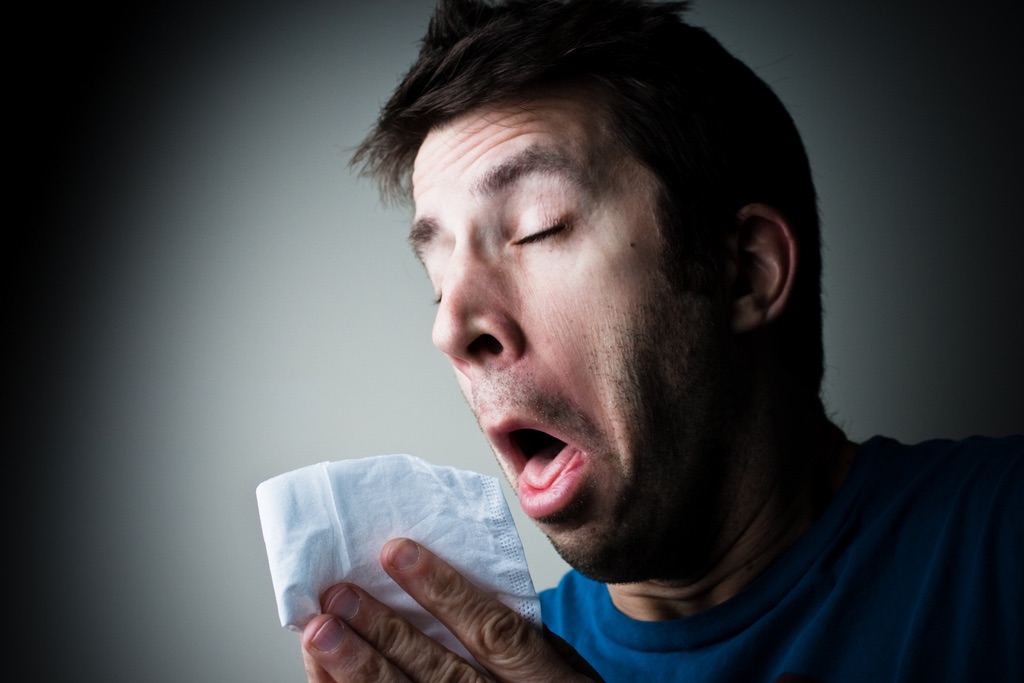
We may be out of practice on this, but physical distancing when possible and wearing a mask when you are around others, especially indoors, is also effective. Masks and physical distancing are important because COVID, influenza, and common cold viruses are spread through the air when an infected person coughs, sneezes, talks loudly, or sings, so avoiding close contact with people who are sick—or who may be sick—is important. If you are sick, it is essential that you stay away from others as much as you can. Cover your mouth and nose with a tissue or cough or sneeze onto your sleeve to help keep the germs from spreading through the air or on your hands.
People who participate in moderate exercise on a daily basis have fewer and less severe illnesses than people who aren’t regularly active. This is because exercise has the effect of stimulating the immune system, making it better able to respond when you are exposed to cold or flu viruses. Being active every day is essential for the health of your immune system…and the rest of you!
Good nutrition is also necessary for optimal immune system function. Deficiencies in certain nutrients can have a negative effect on immune function, so eating a balanced diet is essential. That said, there is no support for “boosting” the immune system by taking high doses of vitamins, minerals, or other supplements, despite the claims made by supplement companies. The best advice is to eat a variety of fruits and vegetables every day, drink plenty of water, and avoid highly processed foods, especially those that contain added sugar.
You can get benefits from two more common-sense recommendations: getting adequate sleep and reducing stress. Poor sleep habits are associated with suppressed immunity and more frequent illness. High levels of stress increase susceptibility to viruses and can lead to more sick days from work or school. Stress and poor sleep habits tend to occur together, creating a double negative effect on the immune system.
By taking these steps, you can improve your chances of celebrating the holidays in good health. As a bonus, eating a healthy diet, exercising every day, managing your stress, and getting enough sleep will give you a head start on what are likely to be New Year’s resolutions.
The holiday shopping season is underway, so you may be searching for that perfect gift for a friend or family member. You probably know someone who plans to start an exercise program, try to lose weight, or otherwise improve their health in the upcoming year. The right gift from you could help them get a good start on their New Year’s resolutions. With so many options for books, exercise equipment, apps, and other gadgets, it can be difficult to pick the right gift.
Happy Thanksgiving week! While this Thanksgiving may different when it comes to gathering together with family and friends, food will certainly be a part of the holiday. Even though many of our favorite dishes are not the healthiest choices, they make an appearance on the table each year. For many of us, Thanksgiving dinner is a day marked by overindulgence and poor nutrition choices.
In an effort to make Thanksgiving dinner healthier, recommendations for modifying or replacing traditional dishes are a common theme in magazines, on the morning TV shows, and on the web. While these suggestions are meant to be helpful, I’m not sure they actually serve to make a significant impact on health. In fact, the foods we eat and the way we eat them may be the healthiest part of a traditional Thanksgiving dinner. This is the topic of my Health & Fitness column in the Aiken Standard this week.
It’s probably no surprise that the majority of Americans are not active enough. Only about half of adults meet even the minimum recommendation for physical activity of 30 minutes per day, five days per week. Compounding this problem is the fact that many people spend much of their time at work and home being sedentary—some spend over 12 hours per day sitting!
A low level of physical activity is associated with an increased risk of heart disease, stroke, some cancers, and, of course, obesity in adults. Becoming more active is probably the most important change a sedentary person can make to improve their health. The impact is similar to a smoker who quits.
What may be surprising is that this is a problem for children, too. Less than half of children ages 6–11 are active for 60 minutes per day. Among teenagers, it is less than 20%! The health effects of too little activity in kids is similar to that in adults.
The impact of low physical activity on children’s health now and in the future as well as new statistics on activity in kids is the topic of my Health & Fitness column in the Aiken Standard this week.
There are many tools, or ergogenic aids, athletes use to improve exercise performance. These include nutrients like protein and carbohydrates, drugs like caffeine, steroids, and techniques like blood doping. Some of these performance-enhancing substances are illegal or banned, so ergogenic aids often have a negative image. Furthermore, many only work for highly trained athletes.
But there is one ergogenic aid that has been shown to enhance performance in everyone. In fact, there is a good chance you use it when you exercise. That ergogenic aid is music. This is the topic of my Health & Fitness column in the Aiken Standard this week.
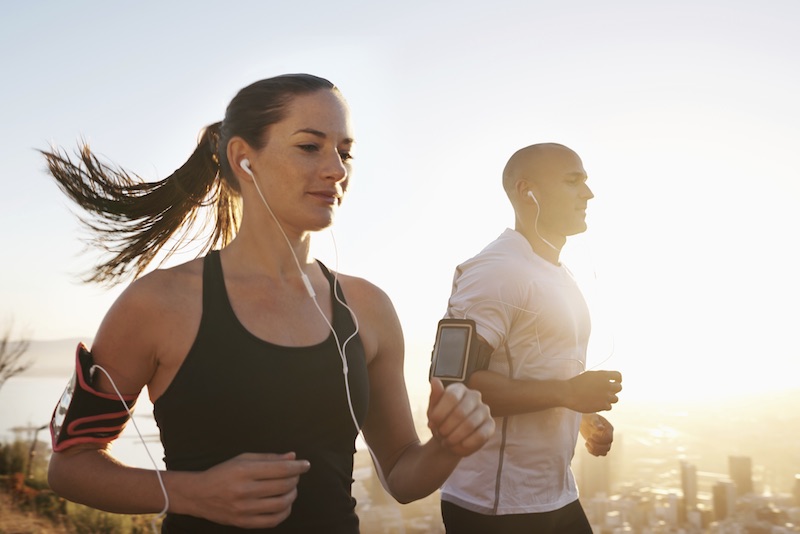
Music is a psychological ergogenic aid is known to affect mood, emotion, and cognition. More and more research also shows that music can also enhance exercise performance. In most gyms, there is music playing in the background and many people listening to music using headphones while they exercise. A practical reason, of course, is that listening to music makes the exercise more enjoyable by providing a mental distraction. It turns out that music has additional psychological and physiological effects that can improve exercise performance.
Not only can listening to music make exercise more enjoyable, it can also help you get a better workout. Research suggests that when exercise is coupled with motivational music, people tend to exercise at a higher intensity. They also tend to fatigue at a slower rate leading to longer exercise sessions. This is also associated with a lower rating of perceived exertion, meaning the exercise might feel easier!
Tempo is an important aspect of music that contributes to performance. People tend to prefer a tempo that matches the exercise intensity. Fast tempo music fits well with higher intensity exercise, like running, and music with a slower tempo is suited for lower intensity exercise, like yoga. But music tempo can also influence the intensity of exercise. Music with a faster tempo can promote more vigorous exercise, as measured by a higher heart rate, and a longer distance covered when running or cycling.
Listening to music before exercise can also affect performance. Studies have shown that listening to music prior to exercise can improve motivation, arousal, and focus. This is probably why you see athletes warming up before games and races wearing headphones. Research also suggests that listening to music during cool down can decrease recovery times, as measured by blood lactate levels.
While listening to music may increase exercise performance, the benefits vary based on the type of music. First of all, music that a person does not like is unlikely to elicit any positive impact on performance, so pick something you enjoy listening to. Another factor of music that can influence performance is whether it is synchronous or asynchronous. Synchronous is when a person matches their movements with the music they are listening to. This is particularly effective for running, cycling, and rhythmic exercises like aerobics. Asynchronous is when the music and the movements of a person do not match, which may still provide ergogenic benefits for certain types of exercise.
Listening to music during exercise can make your workouts more effective and enjoyable. Music you like can distract you from sensations of intensity and fatigue and lead to longer training sessions. Music played at a fast tempo can make you exercise harder and slower tempo music can help you relax. But you probably knew that already—sometimes sports science makes sense!
What if you prefer to exercise without music or other distractions? Like all ergogenic aids, the additional effect of music is small compared to the great benefits of the exercise itself, so keep doing what you are doing.








 Dr Parr Says...