Category Archives: Health & Fitness

Healthy Back to School for the Whole Family

This week marks the beginning of another school year for many children in our area. Students, parents, and teachers are starting another year filled with opportunities for children to learn and grow through math and science, reading and writing, and art and music. 

But children should also learn about good nutrition and physical activity, since both good health and good education are essential for lifelong happiness and success. In most schools, though, most kids won’t experience much meaningful education about nutrition, activity, and health. 

To be clear, this is not the fault of teachers or individual school leaders, who are limited in what they can do by local, state, and federal requirements. These topics necessarily become “homework,” and the responsibility of parents and other caregivers. 

Here are a few suggestions from my Health & Fitness column in the Aiken Standard to help make everyone happier and healthier this school year.

Make sure everyone in the family is active every day. Physical activity is critical for good health for everyone. Importantly, it can improve your immune system, helping you fight viruses of all kinds. Beyond that, being active can help you perform better at work and school and make it easier to do things you enjoy in your leisure time. Adults should be active for a minimum of 30 minutes per day. Everything from taking the dog for a walk to a fitness class at the gym counts. For children, the goal is 60 minutes per day through PE class, sports, and play. As a bonus, you can do at least some of the activity together to make activity a family event!

Make healthy eating a family project. There is a lot of confusion about what makes a healthy diet, but there are a few guidelines almost everyone agrees on. First, eat more fruits and vegetables. At a minimum, eat at least five servings each day, but try for twice that. Second, limit added sugars and salt. This is tricky since salt, sugar, and other sweeteners are added to most processed foods. Eating too much sugar is known to contribute to obesity, heart disease, and some cancers, so this is among the smartest nutrition moves you can make. Salt, by itself, isn’t necessarily harmful, but less salt almost always means less processed food and more “real” food. Finally, be mindful of portion sizes. Super-sized servings and second (and third) helpings are the primary reason why people gain weight over time.

Plan to eat at least one meal together each day. Most experts agree that family dinners are important for promoting good communication and healthy eating habits. Given that our days are busy with work, school, and other activities, eating dinner together every night is unrealistic for many families. So, start with planning at least one family dinner at home each week. This is also a good opportunity to teach children about food and cooking, so it is even better if you prepare the meal together.

Make getting enough sleep a priority. Many American adults and children don’t get enough sleep. Many American adults and children don’t get enough sleep. Lack of sleep can affect children’s growth, development, and learning.  It can also have an impact on an adult’s productivity at work. The effect of chronic stress on health is well known and we should recognize a lack of sleep as a form of stress. A good goal for adults is 7–9 hours of sleep each night. School-aged children need 8–12 hours, with younger kids requiring more. As difficult as it may be, earlier bedtimes can benefit everyone in the family. Limiting screen time (TV, computer, tablet) before bed can help improve sleep, too.

Obviously, these ideas are easier read than done, especially for busy families. But moving more, eating better, and getting more sleep—especially if it is done together—can help your family enjoy a happier and healthier year.


A lesson in sports physiology in the Tour de France

The 2021 Tour de France is underway. This year the race covers 2,115 miles in 21 days of racing, comprised of team and individual time trials as well as stages through the cities, countryside, and mountains of France. The Tour de France is especially interesting to me because it provides an excellent opportunity for a short lesson in sports physiology.

This is the topic of my Health & Fitness column in the Aiken Standard this week.

Tour de France


All the riders in the Tour are exceptionally fit since their bodies have adapted to years of dedicated, intense training. Endurance sports like cycling are dependent on the delivery of oxygenated blood to the muscle to produce ATP, the energy needed to sustain exercise.

The riders have large, strong hearts, resulting in the ejection of more blood to the muscle. Within the muscle there is an increase in the number of capillaries, the small blood vessels that deliver blood to the muscle, and mitochondria, the part of the cell that produces most of the ATP. Together, these adaptations allow the muscle to produce more ATP without fatigue, allowing the athlete to exercise at a higher intensity for a longer time.

But training isn’t the only reason these athletes can sustain such intense exercise for so long. Proper nutrition, especially what the athletes eat and drink before, during, and after each stage, also plays an important role. Intense endurance exercise like cycling relies on carbohydrates, in particular, muscle glycogen, as a fuel. Muscle glycogen is a storage form of glucose, sugar that the muscle converts into energy. During prolonged exercise that lasts several hours, muscle glycogen levels can be severely depleted.

Eating carbohydrates before exercise can boost muscle glycogen levels, so cyclists eat carbohydrate-rich foods for breakfast before each stage. They also consume carbohydrates in the form of sports drinks (think Gatorade) and energy bars prior to starting. In fact, they start replenishing their muscle glycogen immediately after finishing the previous day’s ride. This usually begins with a recovery beverage, which may contain some protein for more rapid muscle glycogen synthesis, and extends through carbohydrate-rich meals and snacks that afternoon and evening.

During exercise it is crucial to maintain adequate blood glucose levels, which tend to drop since the muscle is using so much as a fuel. Failure to replenish blood glucose results in what cyclists call “hitting the wall” or “bonking,” which is like your car running out of gas. To prevent this, glucose must be replenished, typically with sports drinks, energy bars, or a sugary mixture called goo.

Prolonged, intense exercise, especially in the heat, results in a high sweat rate which can lead to dehydration. Sweat loss of several liters per hour is not uncommon during cycling, so fluid intake is essential. This means that cyclists spend a lot of time drinking water while they ride. Sports drinks are also commonly used since they contain carbohydrates and electrolytes in addition to water.

Endurance events like cycling, especially multi-stage events like the Tour de France, highlight important concepts of sports physiology. Even though you may never compete at that level, understanding how training can improve your endurance is relevant if you cycle—or run, walk, or swim—for exercise. Knowing how proper nutrition before, during, and after exercise can improve performance can help you make better decision about what to eat. Hopefully, it also gives you a greater appreciation for the science that goes into a performance like the Tour de France.


drparrsays blog footer

Your park prescription for outdoor activity this summer.

You probably know that exercise is good for you and that daily physical activity—going for a walk, for example—almost always leads to better health. A lower risk of weight gain, diabetes, heart disease, and some cancers are among a long list of positive health effects of physical activity. Lesser known benefits include improved mental health, cognitive function, and greater feelings of well being.

What you may not know is that where you exercise matters, too. Exercise outdoors, especially in nature, can be particularly beneficial. This is not surprising given that being active in a natural environment has been shown to have an impact on mental health. Indeed, activity outdoors leads to enhanced feelings of energy and diminished fatigue, anxiety, anger, and sadness compared to similar activity conducted indoors.

Especially now, the chance to be active outdoors away from crowds is certainly a good idea. Exploring parks and other outdoor places may be a smart and economical alternative to a vacation to place crowded with tourists. This is the topic of my Health & Fitness column in the Aiken Standard this week.

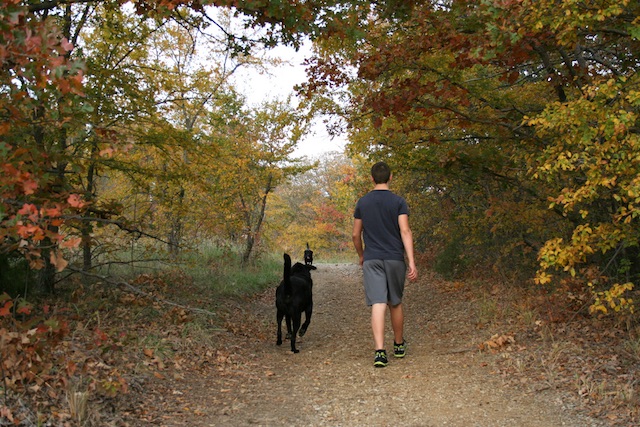
walk-in-woods

Continue reading

Stay cool—and fit—in the pool!

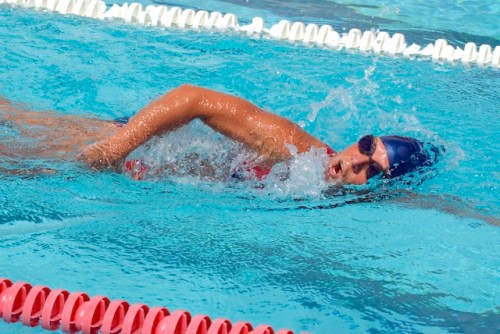
It’s hot! Whether you are swimming laps or splashing in a lake, swimming is a great way to stay cool and fit this summer. Swimming is also an excellent exercise for improving your fitness and helping with weight loss.

This is the topic of my Health & Fitness column in the Aiken Standard this week.

Swimmer

Continue reading

Tips for staying cool when you exercise, work, and play in the summer heat.

After a relatively cool start to the summer, the temperature and humidity are up in our area. This is a good time to revisit some commonsense guidelines to make exercise, work, and play outdoors in the summer heat safe and enjoyable for your entire family. This is the topic of my Health & Fitness column in the Aiken Standard this week.

summer splash fun


  1. Drink plenty of fluids

When it’s hot you have to sweat to lose heat and maintain your body temperature. High humidity makes sweating less effective, so you sweat even more. Losing lots of water through sweating can lead to dehydration. At the very least, you probably will feel fatigued but in more severe cases dizziness, low blood pressure, and fainting can occur.

For this reason, it is important to drink plenty of fluids before, during and after your outdoor activity. As a general rule, a cup (8 oz.) of water every 15–20 minutes is sufficient for most people. Thirst is a good indicator of fluid needs, but you should take frequent breaks to rehydrate.

Make sure to remind kids to take breaks since they can get so busy playing that they forget. Water, juice, sports drinks, and other soft drinks are equally effective, so pick something you and your kids will drink.

  1. Take breaks

The longer you are active the hotter you will get and you may feel more fatigued because of the heat. Taking frequent breaks will give you a chance to rest, cool down, and get something to drink.

  1. Seek out shade

Being in the sun means that you will feel even hotter because you gain heat from the sun’s rays. Spending as much time as you can in the shade will help you stay cool. While this isn’t always practical for all activities, look for shady spots to take breaks.

Keep in mind that shady areas at will change throughout the day, so plan your trip to the park accordingly. Also be aware that direct sunlight can make outdoor surfaces, like playground equipment, very hot. This is another reason to find shady areas to play.

  1. Pick cool clothes

Lighter colored clothing will reduce heat gain from the sun. Synthetic fabrics that wick sweat from the skin can help keep you feel cooler, too. Some clothing is more resistant to UV rays than others, so look for a higher ultraviolet protection factor (UPF). Obviously, you need to find a balance between protecting your skin and allowing sweat and heat loss to keep you cool.

  1. Wear sunscreen

Sun exposure is the leading cause of skin cancer, and outdoor activity can increase the risk. Always use a broad-spectrum (both UVA and UVB rays) sunscreen with an SPF of 30 or higher and apply—and reapply—it according to the instructions. You should also protect your eyes by wearing a hat or sunglasses.

  1. Avoid the hottest times of the day

Try to plan your outdoor activity in the morning or evening to avoid the hottest times of the day. Keep in mind that the highest temperatures often occur in the late afternoon or early evening, so right after work may not be the best time for outdoor activities. Early in the morning is probably the best time since it tends to be cooler and less humid.

You may not be able to plan all of your activities in the shade or when it is cooler. This is especially true for people who work outdoors. In these cases, drinking plenty of fluids and taking frequent breaks is particularly important. By taking the right precautions, though, you can still enjoy your favorite outdoor activities all summer long.


drparrsays blog footer

FITT-SPF: How to exercise safely in the sun this summer.

People who exercise are probably familiar with FITT—frequency, intensity, time, and type—the basic principle behind almost all fitness programs. The FITT principle applies to everything from running to weightlifting to yoga. For people who exercise outdoors there are three more letters that are important to know, especially in the summer: SPF. This is the topic of my Health & Fitness column in the Aiken Standard this week.

woman running on beach

Continue reading

Fitness for fun on your active summer vacation

If you intend to take a vacation this summer, now is the time to start planning. If your vacation will involve activities like hiking, cycling, or swimming, you need to make sure you are ready for that level of activity. Even sightseeing and visiting theme parks can require far more activity than most people are accustomed to.

Unfortunately, many people find out the hard way—sore feet and achy legs, for example—that they weren’t prepared. The good news is that regular exercise now can prepare you for your next vacation so you can focus on having fun. This is the topic of my Health & Fitness column in the Aiken Standard this week.

Family beach vacation


There is good reason to choose an active vacation. Spending time outdoors can reduce stress and walking on the beach or snorkeling in the ocean seems like fun, not exercise. The end result is that being active on your vacation adds to the restorative effect of taking time away from your usual routine. In one study, people who had a physically active vacation reported that they felt mentally and physically fitter, felt more balanced and relaxed, could concentrate better during work, were in a better mood, and felt more recuperated than those who took it easy.

Even if you don’t choose a vacation to participate in a specific exercise, you will likely spend time being active. At the very least, you will be on your feet a lot more than usual.

It is not uncommon for visitors to Disney World to be on their feet for 12 hours and walk 10 to 15 miles in a single day. Most people don’t do that much walking in a typical week! This can lead to blisters, muscle soreness, and fatigue, limiting what you can do and, at the very least, making your time less enjoyable.

If you spend much of your time sitting at work and home, you should try limit your sitting and spend more time standing and moving around. This will help you get ready for long days on your feet. If your vacation will include cycling, hiking, or other vigorous exercise, you should make an effort to build up your endurance through longer exercise sessions. And be sure to break in new hiking or walking shoes before your trip!

Your travel plans may require spending time on planes and in airports. This usually means a lot of sitting, but it doesn’t have to. Airports, especially large airports, are built for walking. You can easily walk long distances while you wait for your flight. If you have enough time, you can take a walk around the entire airport, giving you an active way to pass the time.

Passageways that showcase art, shopping, or other information make walking through the airport a more pleasant experience. If you are traveling with children, many airports have areas that allow kids to move and play. You can always get at least a few minutes of activity by taking a short walk rather than sitting in the gate area waiting for your flight to board. Once you are on the plane you can usually get out of your seat to stand up, stretch, and walk around a bit.

Your goal should be to enjoy your vacation and the extra activity it will likely include. In addition to the numerous other health benefits, improving your fitness through regular physical activity will help you appreciate your vacation time more with less stress, meaning you can return home relaxed and ready to take on your usual routine.


drparrsays blog footer

Calories count, but don’t count calories!

When it comes to losing, maintaining, or gaining weight, calories count. Thanks to a host of wearable devices and mobile apps, counting calories has never been easier. This matters because changing your weight requires altering the balance between calories in and calories out. If you are trying to lose weight, this almost always means cutting the calories that you eat and increasing the calories that you burn. Despite claims to the contrary, this concept of “eat less, move more” is the foundation of nearly every effective weight loss program.

This is the topic of my Health & Fitness column in the Aiken Standard this week.

fitbit


Modern smart devices and mobile apps allow you to track your weight, what you eat, and your activity fairly accurately. Many apps can measure the intensity of exercise by using the GPS and accelerometer features of your phone itself or by syncing with a wearable device, like a smart watch or activity tracker. Some include heart rate to make the estimates even more precise. Using this technology, you can count steps, measure how many miles you walk or run, and estimate how many calories you burn.

Other apps can help you track what you eat. Whether you are counting calories or concerned about the amount specific nutrients you are eating, diet analysis apps can show you what you are really eating. Most require you to enter the foods you eat and the app calculates calories, nutrients, sugar, salt, and water intake based on standard databases. In order to get accurate results, it is important to estimate portion sizes accurately, something that is challenging even for experts. That said, these apps can be useful for tracking what you eat to help you learn about your eating patterns to develop healthier habits or meet specific goals, such as eliminating added sugar from your diet.

Activity trackers and exercise apps are especially popular for improving fitness and promoting weight loss. Both the physical activity that you do throughout the day and dedicated exercise are important for good health, physical fitness, and weight control. This technology can help you know what to do, when to do it, and how much you did at the end of the day.

Even if you aren’t concerned about exactly how many calories you burned in an exercise class or how many steps you took during the day, these devices can help you develop healthier habits. Many people are simply unaware of how sedentary they are during the day or are unrealistic about how intense their workouts really are. For many people, an accurate report of how many steps they took or how many calories they burned is helpful for gauging their success and identifying things they can improve.

While these tools can be helpful, it is important to emphasize the importance of developing healthy habits in order to improve fitness, lose weight, or keep it off. A focus on “micromanaging” steps or calories may cause you to lose sight of the “big picture” changes you want to make. For example, you should strive to be as active as you can throughout the day, even if you have already met your step or calorie goal.

Keep in mind that there are very few people who failed to meet their fitness or weight loss goal because they didn’t have the latest activity tracker or fitness app. Real success comes from making lifestyle changes to incorporate healthy eating and activity habits that you can maintain without constant reminders. While technology can help you make those changes, it does not replace the dedication needed to develop lasting eating and activity habits to promote good health.


drparrsays blog footer

Chill out! Understanding and reducing stress.

Chronic stress can have serious emotional, psychological, and physiological effects that contribute to or exacerbate many health problems. In fact, the negative health effects of chronic stress are like those of eating a poor diet or not getting enough physical activity. That said, managing stress, including getting enough sleep, is often overlooked as a key component of good health.

The effects of stress and the importance of stress management is the topic of my Health & Fitness column in the Aiken Standard this week.

stress


The word “stress” is typically used to indicate both the feeling of being “under a lot of stress” as well as the things that cause that feeling. The events and situations that cause stress are properly called stressors, which lead to a stress responsethat includes consequences we feel as well as physiological changes we may not notice.

The immediate effect of a stressor is called the “fight or flight” response since it prepares the body to deal with a dangerous situation. A classic example of this is a caveman who encounters a saber-toothed tiger, clearly a stress-inducing event.

The sympathetic nervous system is immediately activated, which raises heart rate and blood pressure to pump more blood to the muscles. Additionally, stored fat and carbohydrate fuels are broken down as fuel for the muscles. The adrenal glands release catecholamines (adrenaline) and cortisol (the stress hormone) to prolong and enhance this effect. This coordinated response makes sure the caveman’s body is ready for action. After the danger passes, everything returns to normal.

This physiological response is appropriate for major events like saber-toothed tiger encounters, but not for less perilous stressors like being stuck in traffic, pressure at work or home, and other personal and family issues. But the body responds with the same increase in blood pressure and hormones to them all. Unlike a rare saber-toothed tiger encounter, these stressors tend to occur on a daily basis, leading to continuous stress response.

The increase in hormones can lead to high blood pressure, obesity, type 2 diabetes, and other chronic diseases. This is partly due to elevated levels of cortisol, a hormone that plays a role in storing fat and increasing appetite. While elevated cortisol during exercise (including running away from a saber-toothed tiger) is normal, chronic overproduction can have negative effects.

While it is impossible to avoid all stress in life, minimizing stressors and managing the way you respond to stress can have important benefits. To the extent that it is possible, avoiding stressful situations through better time management, setting realistic expectations for ourselves and with others, and learning to say “no” are common recommendations.

Learning how to deal with stressors to avoid the negative effects of stress is also important. Techniques that can be implemented in the heat of a stressful moment include taking a break from the situation, listening to calming music, and progressive relaxation. Even taking a deep breath can help.

Exercise has long been recognized as beneficial for reducing stress and the long-term effects of stress on your health. This includes doing something active during a stressful situation and exercising regularly to improve the way your body responds to stress. While all forms of exercise seem to work, much research and practice has focused on specific types of exercise including yoga and Tai Chi.

Other effective strategies traditionally include meditation and relaxation exercises. More and more research shows that getting enough sleep is also critical for reducing stress and the impact it has on your health. Eating a healthy diet can reduce the effects of stress as well.

The bottom line is that a healthy lifestyle includes stress management as well as a good diet and regular activity. Since all three are essential for good health, it would be wise to eat smart, move more, and chill out!


drparrsays blog footer

That’s not coffee! It’s your morning milkshake.

Breakfast is often thought of as the most important meal of the day, for good reason. Eating a healthy breakfast provides energy to start the day and can be helpful for weight control. In children, a healthy breakfast is essential for proper growth and development and is linked to improved attention and learning in school. Unfortunately, many common breakfast foods are more like candy and soda than a healthy meal to start the day.

This is also true for breakfast drinks, including coffee drinks. Many popular coffee drinks are more similar to a milkshake than to actual coffee! This is the topic of my Health & Fitness column in the Aiken Standard this week.

Take, for example, the grande (16 oz) Mocha Frappuccino blended coffee drink from Starbucks. This drink has 410 calories, 15 grams of fat, 61 grams of sugar, and 5 grams of protein. To put this in perspective, 61 grams of sugar is more than most people should have in an entire day!

You could order this drink with nonfat milk and no whipped cream. That’s a good idea, but it will still have 270 calories, 1 gram of fat, and 59 g sugar. That’s still a lot of sugar!

Let’s compare that to a small (16 oz.) McCafe Mocha Frappé from McDonald’s, which is essentially a coffee milkshake. It has 500 calories, 20 grams of fat, 66 grams of sugar, and 8 grams of protein.

Sure, the calories and sugar in the coffee drink aren’t quite as outrageous as the milkshake, but it’s close. This is especially clear when you compare the coffee drink to actual coffee. A grande (16 oz.) Pike Place Roast from Starbucks has 5 calories and no fat or sugar. If you like cream and sugar in your coffee, that adds 5 grams of sugar, 3 grams of fat, and about 50 calories, still way less than either “coffee” drink.

If you don’t want plain coffee a better choice might be a grande Starbucks Cappuccino, which has 140 calories, 7 g fat, and 10 g sugar. Get one with nonfat milk and you cut out 60 calories from fat. If you are worried about how much sugar you consume and how many calories you drink (you probably should be!), this is a much better coffee drink choice than a milkshake!

This isn’t specific to Starbucks. A medium (16 oz.) iced coffee at Dunkin’ Donuts has 130 calories and 28 grams of sugar. And that doesn’t include a donut.

Does this mean you can’t enjoy a delicious coffee drink? Of course not. But don’t try to fool yourself by calling it coffee. Depending on what you order, it may essentially be a milkshake! I think we can all agree that is not part of a healthy breakfast.

I call this idea that unhealthy food makes its way onto our breakfast table Candy & Soda for Breakfast. Foods like donuts and pastries are often topped with icing and it would be difficult to distinguish many muffins from cupcakes. Many “fruit” drinks contain little to no juice but plenty of added sugar, so they are essentially soda without bubbles.

And it’s not just breakfast, either. Lunch, dinner, and snacks frequently include foods that look like a healthy choice—yogurt, nuts, and granola bars are a few examples—but really are candy and soda in disguise.