Category Archives: Health & Fitness

Diabetes 101

Diabetes is among the fastest-growing health conditions in the United States. Over 30 million adults have diabetes, with 1.5 million new cases each year. If you include prediabetes, which tends to lead to diabetes if untreated, over 115 million Americans are affected. Fortunately, most cases of diabetes can be treated or prevented through healthy eating, weight control, and regular exercise.

Since November is American Diabetes Month, this seems like a good time to raise awareness about the prevention, treatment, and consequences of this serious medical condition.  If you want to learn more about diabetes, a great place to start is American Diabetes Association. This is also the topic of my Health & Fitness column in the Aiken Standard this week.

diabetes


Diabetes mellitus is a metabolic disorder characterized by high blood glucose (sugar) caused by a lack of insulin production or impaired insulin action. The lack of insulin production can be caused by an autoimmune disorder that damages the pancreas. This typically occurs during childhood, as in type 1 or “juvenile” diabetes, but it can occur in adults, a condition called latent autoimmune diabetes of adulthood (LADA). For both types, injected insulin is required to control blood glucose.

More commonly, diabetes is caused by the body’s cells not responding to the insulin that is produced, a condition called insulin resistance. This is called type 2 diabetes and is thought to be caused by some combination of obesity, particularly excess abdominal fat, and physical inactivity.

Diabetes can be diagnosed based on a fasting blood glucose test, taken 8–12 hours after a meal, usually in the morning. Another test is an oral glucose tolerance test in which blood glucose is measured for two hours after drinking a special beverage containing glucose. This measures the body’s response to glucose. The hemoglobin A1C test is a long-term measure of blood glucose control. This is important because the higher the hemoglobin A1C level, the greater the risk of diabetes complications.

For most diabetics, the main treatment goal is to control blood glucose level to prevent serious complications including nerve damage, blindness, infection and amputation, heart attack, and stroke. This is typically accomplished through a combination of diet, exercise, and medications, with varying degrees of success. But “curing” diabetes is rare, so most patients require continued treatment.

Exercise is important for blood glucose control because exercise causes an increase in the uptake of glucose into cells and can improve glucose tolerance and insulin sensitivity. In addition, exercise has the added benefits of promoting weight loss and improving strength and fitness. Both aerobic and strength training are recommended, with a minimum goal of 30 minutes per day, every day.

Meal planning involves selecting healthy foods to help maintain consistent blood glucose levels while meeting energy needs for exercise and other activities. The dietary recommendations for preventing and treating diabetes are almost identical to the general recommendations for good health: Emphasize whole grains, fruits, vegetables, legumes, and low-fat meat and dairy and reduce unhealthy fats, added sugars, and salt. The diet should also promote weight loss and weight maintenance, especially for overweight patients. The glycemic index (GI), a measure of how much a food raises blood glucose, can be helpful in dietary planning, but it is not the only meal planning tool that should be used.

Proper diet, blood glucose testing, medication use, and regular exercise can improve blood glucose control, reduce the risk of other health problems, and improve quality of life in diabetics. In those with prediabetes these efforts can delay the progression to diabetes and may even result in a return to normal blood glucose. In fact, diet and exercise have been shown to be more effective than medications in preventing diabetes. Plus, these lifestyle changes lead to weight loss and improved fitness, benefits that no medication can match.


drparrsays blog footer

New reasons why it is so easy to gain weight. And what you can do to stop it.

If you have been gaining weight or find it more and more difficult to maintain your weight, you are not alone. According to current statistics, one-third of U.S. adults are obese and two-thirds are considered overweight. Being overweight is now the norm in America, since only about 3 in 10 people are at a healthy body weight.

This is consistent with other reports that show that the waistlines of Americans are expanding. One study looked at the percentage of adults who had a high waist circumference (over 35 inches for women and over 40 inches for men). Overall, the average American added over one inch to their waist circumference over the past decade. As of 2012, over half of U.S. adults meet the criteria for abdominal obesity. This is bad news, since excess fat, especially around the waist, increases the risk of type 2 diabetes, hypertension, and heart disease.

It wasn’t always this way. As recently as the 1980s the prevalence of obesity was much lower, around 15%. There has been much interest in figuring out why this widespread weight gain has occurred. While there is no single cause, there are a host of factors that contribute to the obesity epidemic. This is the topic of my Health & Fitness column in the Aiken Standard this week.

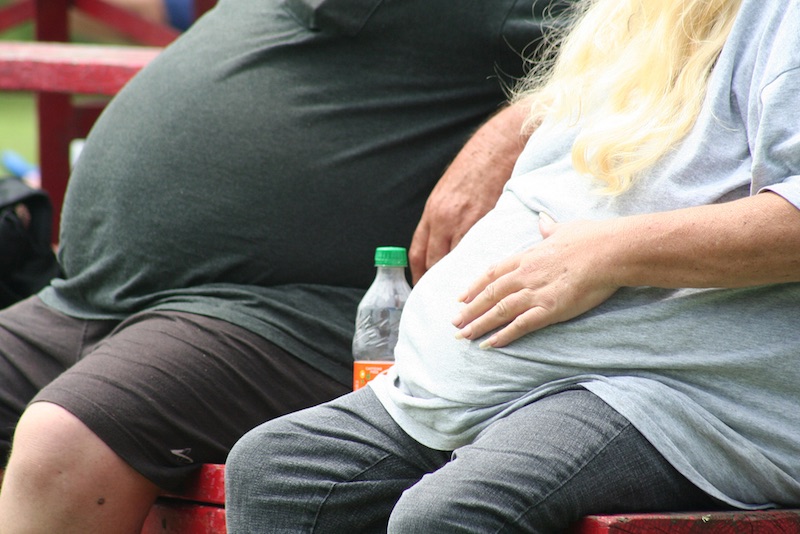
Obesity


Among the forces that seem to be working against you are your genetics and our environment, specifically as it relates to eating and activity behaviors.  Over the past several decades our “food environment” has changed so that now low-quality, high-calorie food is readily accessible and more nutritious food is harder to find and more expensive. Our “activity environment” has changed, too. For most of us, the physical activity that was common at work and home years ago has been replaced by lots of sitting. While there are genes that influence our eating and activity behaviors, these genes have not changed enough over time to explain the obesity epidemic.

A practical explanation for weight gain, both for individuals and the population as a whole, is that we are eating more and expending less energy through activity. Indeed, even small changes in energy balance can add up to increased weight over time . One study, however, suggests that there may be other factors that may have contributed to the rise in obesity beyond eating and activity.

Among these factors are exposure to certain chemicals in the environment, the use of prescription drugs that cause weight gain, and how our current diet has changed the bacteria in our intestines, that we now know regulate our physiology in surprising ways. For example, bisphenol A (BPA), still found in some plastics, food containers, and receipts, alters normal hormone activity in a way that may increase fat storage.

There is some good news, though. Eating a healthy diet and being active everyday can help you lose weight and maintain a healthy weight. This is true whether your concern is changes in your own eating and activity habits or these other potential causes of weight gain. Indeed, regular exercise may help treat many conditions, like depression, for which prescription medications that may cause weight gain are often used. And a diet rich in fruits, vegetables, and whole grains and low in added sugar may help restore more normal gut bacteria which might help with weight control.

Until we know otherwise, eating smart and moving more is still your best approach to weight control and good health.


drparrsays blog footer

Halloween is over, so what will you do with all that candy?

Halloween is this week, marking the end of several weeks of Halloween preparation, events, and celebrations. But even after the lights in the jack-o-lanterns have been extinguished and the costumes have been packed away, the Halloween horrors continue. It’s not ghosts or witches or black cats you need to worry about, though. It’s the leftover candy.

And not just the candy that gets brought home by (or is left over from) trick-or-treaters. What you really need to worry about is the candy that remains, either in the cabinet or in the dish on the table. This is the topic of my Health & Fitness column in the Aiken Standard this week.

candy corn


If your home is like mine, you have probably been accumulating candy for several days now. Despite our best intentions, most of it will get eaten, probably in the few days after Halloween. There are several ways in which a Halloween candy binge could be bad for our health.

First, it can add up to a lot of calories, which could contribute to weight gain. As a rough estimate, a typical “fun size” candy bar has about 75–100 calories. Look in your kids’ candy bags or the bowl of leftover candy at your front door and think about how many calories that adds up to.

Second, eating lots of candy could replace healthier foods. Candy is considered “empty calories,” meaning that there is little nutritional value beyond calories—typically no vitamins, minerals, or fiber. And if you eat less at meals because of the extra candy you are consuming you may not be getting enough essential nutrients. However, since the candy binge will probably only last a few days, this shouldn’t cause long-term health problems.

Third, the high sugar intake can contribute to cavities. Bacteria in the mouth produce acid when they come in contact with sugar, and this acid erodes tooth enamel to cause cavities. Sticky candy like gummies or hard candies that are in the mouth a long time are of particular concern. Obviously, brushing after eating can reduce the risk of cavities and chewing sugarless gum may help, too.

Many parents try to reduce some of these potential health concerns by limiting how much candy their children can eat at a time. This makes sense since spreading out the candy consumption—a few pieces each day—means less sugar intake at any one time.

Others solve this problem by letting their kids eat as much candy as they want on Halloween, then taking the rest away or letting their kids keep just a few pieces. Many times kids don’t even miss the candy when it is gone. This is probably a smart approach, but it does require some creativity to get the candy away. Replacing the candy with books, toys, or other gifts might help.

For many people, the real problems begin after Halloween when the leftover candy ends up in a bowl at home or in a dish on a desk at work. While there are some people who can resist reaching into the bowl, most of us can’t. It’s just too tempting to grab a piece of candy as we walk by, and we likely do it more often than we think. In fact, sometimes the candy dish is set out for the purpose of getting rid of the candy!

As the end of the Halloween candy season nears we will probably find ourselves eating more candy than we should. The good news is that as long as we get back to a routine of healthy eating and regular exercise, a Halloween candy binge shouldn’t do any lasting harm our health.


Breaking the Two-Hour Marathon Barrier

Just over a week ago, the Kenyan runner Kelvin Kiptum set a new world record in the Chicago Marathon. He completed the 26 miles and 385 yard distance in 2 hours and 35 seconds (2:00:35). The previous world record was set in 2022 by Eliud Kipchoge with a time of 2:01:09.

It may not seem like much of a difference, but Mr. Kiptum’s performance is a significant improvement over the previous record and makes it more likely that a runner will complete a marathon in under two hours in the near future. For distance runners and sports scientists, a sub two-hour marathon is a bit like the four-minute mile once was—an arbitrary, but significant, goal.

This is the topic of my Health & Fitness column in the Aiken Standard this week.

running feet

Continue reading

Celebrate Walktober by going for a walk outdoors.

Now that cooler fall weather is finally here (at least in our area), being active outdoors is more enjoyable. October is a great time to get outdoors and go for a walk! That is the spirit of Walktober, an initiative adopted by health organizations, companies, and communities around the globe.

Walking is a great way to be active to help you control your weight, increase your fitness, and improve your health. The most common form of exercise for most people is walking, and for good reason: walking doesn’t require any special equipment (beyond comfortable shoes) or skills, and you can do it almost anywhere.

You can meet basic physical activity recommendations by walking briskly for 30 minutes most days of the week. Even this amount of walking can lead to a lower risk of diabetes, heart disease, and some cancers as well as improved mental health, cognitive function, and greater feelings of well being.

father and son walking in woods

Continue reading

Fall into a 5k! How to get started training for a 5k run or walk.

Most of us could benefit from getting more exercise and, with the pleasant fall weather, this is a perfect time to get started. You can meet minimum health and fitness goals with a 30-minute brisk walk five days per week. You can get even greater fitness benefits by exercising for longer or by doing more vigorous activity, like running. A good goal is to be active every day for at least 30 minutes and include longer exercise sessions or more vigorous exercise when possible.

Many people are motivated by having a goal to begin or add to an exercise program. You may find that training for an event is more rewarding than exercising for the sake of being active. An excellent goal is to prepare to walk or run in a race. Don’t let the word “race” scare you. Most people who enter these events have the goal of finishing, not winning. That should be your goal, too.

Getting started training for a 5k run or walk is the topic of my Health & Fitness column in the Aiken Standard this week.

running feet


Now is a great time to start training for your first race. The warm weather is an incentive to be active outdoors, and it’s not too hot to be enjoyable. In addition, there are several events in our community in the upcoming weeks and months that are excellent opportunities for first-timers and more seasoned racers. Many events are linked to charities, so they are also good ways to raise money for a good cause.

If you are starting to walk for exercise, completing a 5K (5 kilometers or 3.1 miles) walk is a good goal. If you don’t currently exercise, start with a target of 20 minutes of walking per day. You can split this up into 10 minute segments, if necessary. After you are comfortable walking 20 minutes at a time, increase to 30 minutes per day. Continue increasing your walking time until you are up to 45-60 minutes per day, about how long it takes most people to walk three miles. If you already do some walking, gradually build up to this goal.

Maybe you already walk and are interested in trying running. Preparing for a 5K run is great motivation. Start by adding some jogging into your walking routine. Try alternating 5 minutes of jogging with 10 minutes of walking. Once you are comfortable with that, try 5 minutes of jogging for every 5 minutes of walking. Increase the duration of the running intervals over time, until you can run for 30–40 minutes consecutively. If running 3 miles is too much, you can always complete a 5K by alternating walking and running.

To reduce the risk of injury you should progress slowly, whether you are walking or running. This is particularly important if you are building up to a longer event, like a half marathon or marathon. Obviously, training to walk or run 13.1 or 26.2 miles requires a good deal of time and motivation. Keep in mind that most people who complete their first half or full marathon started with a much shorter event.

Even if you don’t plan to participate in one of these events, the opportunity to get outdoors for a walk or run on a nice day is reason enough to be active. Exercising outdoors has benefits beyond the improvements in fitness or weight loss you would expect. Walking or running in a natural environment can give you a better workout and make you feel healthier and more energized.

Use this as an opportunity to get your friends and family moving with you. Kids can ride their bike while you walk or run and you can push younger children in a stroller. Older children may want to walk or run with you, and don’t forget to bring your dog!


drparrsays blog footer

Just eating more protein won’t build muscle. Here’s what you need to do.

Building or maintaining muscle mass is important for improving physical fitness, enhancing quality of life, and promoting a healthy body weight. For sure, this is essential for athletes, but building muscle also is important for the rest of us, especially as we get older.

A key step in building muscle is eating enough protein. If you pay attention to the claims of supplement marketers or people touting the new “perfect” diet, you might think that protein is the only thing that matters. Unfortunately, that’s not the case. To really build muscle requires resistance exercise. Yes, you may need extra protein, too, but it’s the exercise that promotes the muscle growth. This is the topic of my Health & Fitness column in the Aiken Standard this week.

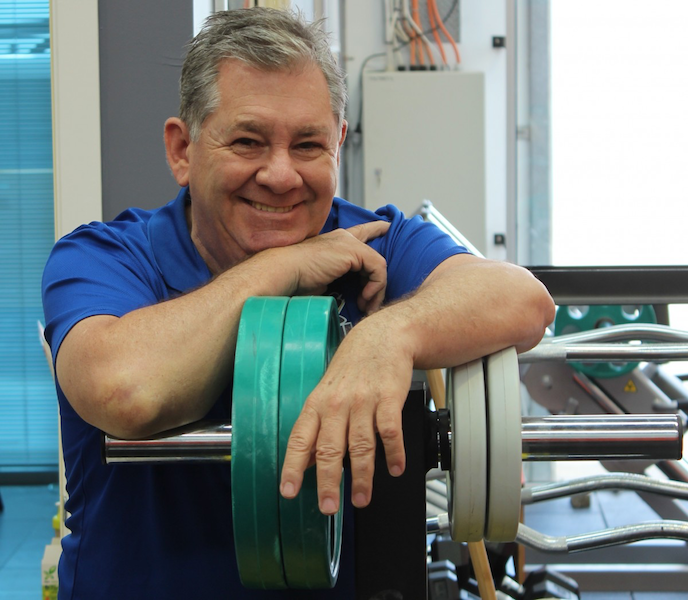
Man with barbell.png


There are good reasons to think that protein is important for developing muscle. First, muscle is made of protein, so you do need dietary protein to build muscle. Second, there are many studies that show that giving people who are doing resistance training extra protein does enhance muscle mass and strength. This is used as “evidence” that protein supplements are necessary, when it may really be the weight training that is improving strength.

One study looked at the effect of increasing protein intake on muscle mass in people who were not doing any resistance training. These were older men who could benefit from both extra protein and increased muscle mass. The results showed that the extra dietary protein did not increase muscle mass. Since the subjects were not doing any muscle building exercise, this suggests that resistance training is needed to promote muscle development.

Lifting weights or doing other resistance exercise builds both muscle mass and strength. The primary adaptation that results in increased muscle is hypertrophy, a process in which the muscles literally get larger. Resistance training causes a series of changes within the muscle that repair damage and stimulate protein synthesis. This why having adequate protein in the diet is important; you must have the protein available for the muscle to use it.

This only works if the muscle needs the protein, and that demand comes from doing resistance exercise. Having extra protein without exercise to stimulate the muscle wouldn’t have much effect on either muscle size or strength. But when someone is doing strength training, having enough protein at the right time is critical to maximizing strength gains.

The RDA, the amount that meets the needs of most healthy adults, is 0.8 grams of protein per kilogram of body weight (g/kg) per day. You can calculate your protein requirement by multiplying your body weight in pounds by 0.4, so a 200 lb. person would require about 80 g protein per day. While the RDA is a minimum for most healthy people, those who exercise regularly may need more, and it is certainly too low for athletes engaged in strenuous endurance or strength training. One study suggests that 1.6 g/kg per day, about twice the RDA, is a good goal for people who are trying to build or maintain muscle mass through resistance training.

You should get your protein from food, not supplements, to meet both energy needs to fuel your exercise sessions and provide adequate protein for muscle repair and growth. Timing matters, too: Protein intake immediately after exercise is particularly effective, so follow a workout with a protein rich meal or snack. Even if you aren’t actively training to build muscle, the combination of regular resistance exercise and adequate protein intake is essential to maintain muscle mass and strength as well as helping you maintain your weight.


drparrsays blog footer

What to think about before you buy home exercise equipment.

Regular exercise is among the most important things people of all ages can do to improve their health. Even as little as 30 minutes of moderate-intensity activity like brisk walking has substantial physical and mental health benefits. Despite these benefits, only about one third of adults meet minimum physical activity guidelines.

One commonly cited reason why people don’t get regular exercise is time. Obviously, you need to make time in your day, even if it is for a short walk. There are some short (less than 10 minute) workouts that are popular now, but these tend to be very intense and may not be appropriate for everyone. You may also need time to travel to a place to exercise, whether that is a gym or a good area for walking. After a workout you might need to shower and change, too. The point is, even a short exercise session can take time beyond the exercise itself.

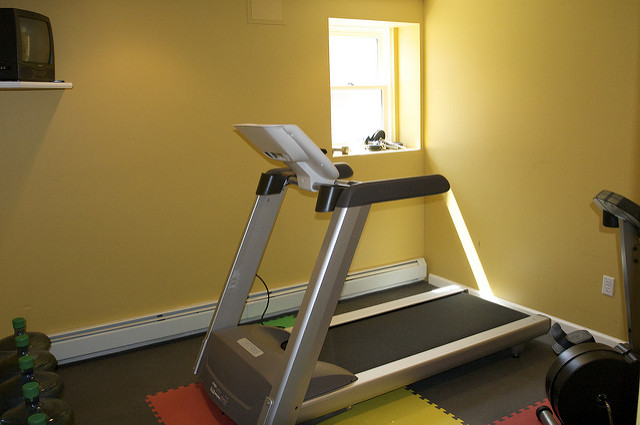
That leads some people to consider purchasing home exercise equipment so they can skip the trip to the gym and exercise at home. There are numerous options for equipment specific for strength and endurance training in your own home. This is the topic of my Health & Fitness column in the Aiken Standard this week.

Home treadmill

Continue reading

Just do it…together! Why exercise is better with family, friends, or your dog.

It’s common to see people walking or running in pairs, and at the gym many people like to work out with a partner. Group exercise classes and boot camp programs are popular among novices and seasoned exercisers alike. Joining a team that trains together to walk or run in a race is a good plan for completing your first 5k or 10k event.

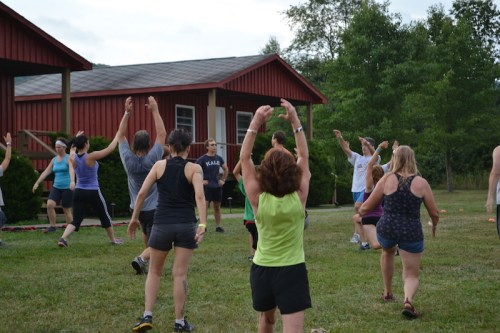
Having another person or a group of people to exercise with is a great way to increase your motivation and enjoyment. This makes it more likely you will stick with your exercise program, leading to better fitness and health. But there are additional benefits to exercising with others that may help you get started and continue your fitness program. This is the topic of my Health & Fitness column in the Aiken Standard this week.

Boot camp workout


Exercising with others provides a level of motivation and accountability that is important, especially for people who aren’t self-motivated. Knowing that you are meeting a friend for a walk or meeting a training partner at the gym makes it less likely that you will find an excuse to skip a workout. While guilt isn’t the best reason to exercise, for many people it is the one thing that will get them moving.

Did you know that exercising with others can also help you get a better workout? It’s true. When you are exercising with another person or a group you can get feedback on your technique. Doing exercises properly can reduce the risk of injury and improve your gains strength, endurance, and flexibility.

You can also get ideas for new exercises and training techniques that can make exercise more enjoyable and less monotonous. Many people find that having a friend to walk or run with makes the time seem to go by faster. The friendly “competition” that can come from a partner or group can push you to train harder, making the exercise more beneficial.

A group dynamic is an important component of many popular exercise classes and programs. At the gym, participants in classes from aerobics to Zumba and spin to yoga benefit from the support and motivation of exercising with others. And programs like boot camps, CrossFit, and F3 are popular largely because of the camaraderie of the other group members.

The benefits may be even greater if you exercise with someone who is more fit than you are. Research shows that when someone is exercising with a partner who they perceive to be more fit they will work out harder and longer than if they were exercising alone. You can benefit from finding a partner or group members who are in better shape than you are. Be careful, though, since exercising with people who are much fitter than you can have the opposite effect and you may get discouraged.

Your exercise partner doesn’t even have to be another person to be effective. Research shows that walking with a dog can improve your adherence to a walking program and lead to greater improvements in fitness compared to walking with a human companion. While a friend might make excuses to skip exercise, a dog will always look forward to a walk. Don’t worry if you don’t have a pet; one study used dogs at a local animal shelter as walking partners.

You can take advantage of the benefits of exercising with a partner easily by asking a friend to go for a walk. It’s something that will benefit you both and it will be a good opportunity to spend time together. No more excuses…get moving!

The effect of involving others in your behavior change process is also helpful for losing weight and quitting smoking. This is true even if the other person (or people) aren’t participating with you—simply telling others about your plans to change can help make you more accountable and improve your chances for success.


drparrsays blog footer

How the summer heat can affect your health.

School is back in session in our area, marking the unofficial end of summer. But high temperatures and humidity mean that summer weather is still with us. Aside from being unpleasant, these conditions can be dangerous, especially for people who are active outdoors for work or exercise. This is the topic of my Health & Fitness column in the Aiken Standard this week.

Hot weather

Continue reading