Nutrition information is often confusing and conflicting, making healthy food choices a challenge. Fortunately, there are some recommendations that are consistent. Among these is eating more fruit and vegetables. Depending on how you consume these foods, you may be missing some of the nutrients that make them so healthy. This is the topic of my Health & Fitness column in the Aiken Standard this week.
If you intend to take a vacation this summer, now is the time to start planning. If your vacation will involve activities like hiking, cycling, or swimming, you need to make sure you are ready for that level of activity. Even sightseeing and visiting theme parks can require far more activity than most people are accustomed to.
Unfortunately, many people find out the hard way—sore feet and achy legs, for example—that they weren’t prepared. The good news is that regular exercise now can prepare you for your next vacation so you can focus on having fun. This is the topic of my Health & Fitness column in the Aiken Standard this week.
There is good reason to choose an active vacation. Spending time outdoors can reduce stress and walking on the beach or snorkeling in the ocean seems like fun, not exercise. The end result is that being active on your vacation adds to the restorative effect of taking time away from your usual routine. In one study, people who had a physically active vacation reported that they felt mentally and physically fitter, felt more balanced and relaxed, could concentrate better during work, were in a better mood, and felt more recuperated than those who took it easy.
Even if you don’t choose a vacation to participate in a specific exercise, you will likely spend time being active. At the very least, you will be on your feet a lot more than usual.
If you spend much of your time sitting at work and home, you should try limit your sitting and spend more time standing and moving around. This will help you get ready for long days on your feet. If your vacation will include cycling, hiking, or other vigorous exercise, you should make an effort to build up your endurance through longer exercise sessions. And be sure to break in new hiking or walking shoes before your trip!
Your travel plans may require spending time on planes and in airports. This usually means a lot of sitting, but it doesn’t have to. Airports, especially large airports, are built for walking. You can easily walk long distances while you wait for your flight. If you have enough time, you can take a walk around the entire airport, giving you an active way to pass the time.
Passageways that showcase art, shopping, or other information make walking through the airport a more pleasant experience. If you are traveling with children, many airports have areas that allow kids to move and play. You can always get at least a few minutes of activity by taking a short walk rather than sitting in the gate area waiting for your flight to board. Once you are on the plane you can usually get out of your seat to stand up, stretch, and walk around a bit.
Your goal should be to enjoy your vacation and the extra activity it will likely include. In addition to the numerous other health benefits, improving your fitness through regular physical activity will help you appreciate your vacation time more with less stress, meaning you can return home relaxed and ready to take on your usual routine.
Participating in a running race, like the Run United event this past weekend, can be an exhilarating experience. However, it can leave you feeling exhausted and sore. Most commonly associated with weightlifting, muscle soreness can occur after any strenuous exercise, including running further or faster than usual.
This soreness is called DOMS—delayed onset muscle soreness—and it typically occurs 24 to 48 hours after exercise. It is caused by microscopic tears in the muscle fibers, which can lead to pain and stiffness. The good news is there are several effective ways to treat muscle soreness to get you back to training for your next event. This is the topic of my Health & Fitness column in the Aiken Standard this week.
It is important to give the muscles time to rest and recover to allow the body to repair and rebuild muscle tissue. This means taking a break from exercise or reducing the intensity of the workout for a few days. This rest period allows the body to heal and can help to reduce muscle soreness and stiffness.
Many people like to use heat or cold therapy can help to alleviate muscle soreness. Heat therapy can help to increase blood flow to the affected area, which can promote healing and reduce pain. Applying a warm compress or taking a warm bath can be effective. Cold therapy, on the other hand, can help to reduce inflammation and numb the affected area. Applying an ice pack or taking a cold bath can help to reduce muscle soreness and stiffness. However, cold therapy can also slow the healing process, so it may not be the best approach.
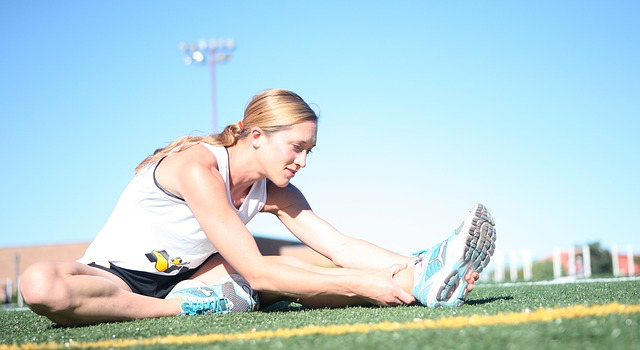
Gentle stretching can help to alleviate muscle soreness after exercise. Stretching can help to improve flexibility, reduce muscle tension, and promote healing. It is important to stretch gently and avoid overstretching as this can cause further damage to the muscles. Stretching after exercise or during the recovery period can help to reduce muscle soreness and improve range of motion.
Massage therapy can be effective in treating muscle soreness after exercise. Massage therapy can help to increase blood flow to the affected area, reduce muscle tension, and promote healing. A professional massage therapist can provide targeted therapy to specific muscle groups or trigger points, which can help to alleviate muscle soreness and stiffness. You can also do self massage using your hands, a ball, or a foam roller, too.
Adequate hydration is important for treating muscle soreness after exercise. Dehydration can lead to muscle cramping and stiffness, which can exacerbate muscle soreness. Drinking water and sports drinks can help to rehydrate the body and replace lost electrolytes, which can help to reduce muscle soreness and promote healing.
Getting enough sleep is important for treating muscle soreness after exercise. Sleep is a critical component of the recovery process, as it allows the body to repair and rebuild muscle tissue. Getting enough sleep can help to reduce muscle soreness and improve performance in future workouts.
Finally, engaging in light exercise or active recovery can help to alleviate muscle soreness after exercise. Light exercise, such as walking, cycling, or swimming, can help to increase blood flow to the affected area, which can promote healing and reduce muscle soreness. Active recovery can also help to improve flexibility, reduce muscle tension, and prevent future muscle soreness.
In conclusion, muscle soreness after a race is common but there are several effective ways to treat muscle soreness, including rest and recovery, heat or cold therapy, stretching, massage therapy hydration, sleep, and light exercise or active recovery. By following these steps, you can effectively treat muscle soreness and more quickly recover from the race or other exercise event.
The Run United event, which consists of a 5K (5 kilometers or 3.1 miles), 10K (10 kilometers or 6.2 miles), a half marathon (13.1 miles), and a kids fun run, is this weekend. Maybe you are among the people in our area have been training for that or another event. As the event approaches, there are still some things you can do to make it a success, whether that means completing your first race or trying to set a personal best.
This advice is more relevant for people who are doing longer races but is general enough that it can help everyone. Keep in mind that it also applies to any event that involves running, walking, cycling, swimming, rowing, or hiking. This is the topic of my Health & Fitness column in the Aiken Standard this week.
You should cut back on your training in the week leading up to the event. This is called tapering, and it is helpful to promote recovery and reduce the risk of injury before the race. You should still stay active, but your training runs should be shorter and less intense during this time. And give yourself a rest day the day before the event.
What you eat before and during the race can also help you feel and perform better. You may have heard of carbohydrate loading, the practice of eating lots of carbohydrates before a race. This is important because it can help boost levels of muscle glycogen, an important fuel for exercise. Realistically, this process should involve more than a pasta dinner the night before the race and include a more carbohydrates for several days.
On race day, you should have something to eat and drink to make sure you are hydrated and to top off your carbohydrate stores. You should drink plenty of water leading up to the race, but not right before you start. You don’t want water sloshing around in your stomach while you run and should give yourself time to use the restroom, so you don’t need to go during the race.
If you chose to eat a small meal, it should be at least two hours before the race to make sure everything is digested and absorbed. Closer to race time, liquids are a better choice. The emphasis should be on carbohydrates, but realistically, most food will be fine.
What you do during the race mostly depends on the time you will be running and the weather conditions. If you are exercising for an hour or more, especially if it’s hot and humid, you will certainly need water and taking in some carbohydrates is a good idea. Aid stations along the race course will have water and a sports drink like Gatorade, but you may also want to bring your own gel or other carbohydrate supplement. For events lasting less than an hour, drinking water is a good idea and even though carbohydrates may not help you, there is no reason not to have some if you want.
Something to keep in mind: Race day, and probably the evening before, is not the time to try new foods, drinks, or supplements. You definitely don’t want to learn that something you ate disagrees with you before the start or, worse, while you are running. This includes your clothing, too. A new pair of shoes or clothing can rub you the wrong way, causing blisters or chafing that, at the very least, will make your run less enjoyable. Always try out your shoes, clothes, and anything you will eat or drink during the race ahead to time to avoid an unpleasant race day surprise.
The most important thing is to have fun! Participating in a race is a celebration of your dedicated training and a chance to be part of an active, healthy community. Crossing the finish line is always a thrill whether this is your first race or not. Plus, you’ll get a cool t-shirt!
Often perceived as a leisurely activity for retirees or business executives, golf offers a wide range of health benefits that make it an excellent form of physical activity for individuals of all ages. Playing golf can improve cardiovascular health, enhance muscle strength and endurance, increase flexibility, improve balance and coordination, and reduce stress levels. This is the topic of my Health & Fitness column in the Aiken Standard this week.
According to one study, which measured heart rate in golfers not using an electric cart on a hilly cart, the intensity of a round of golf is consistent with moderate-intensity aerobic exercise. Considering that the average golfer plays for about three hours per round, this accounts for a substantial amount of recommended weekly physical activity. A golfer who walks the course could burn up to 1,000 calories over 18 holes. Of course, the activity level and health benefits are reduced when riding in a motorized cart, but even that level of activity is associated with health benefits.
Playing golf can improve muscle strength and endurance. Golf requires the use of multiple muscle groups, including the core, legs, arms, and shoulders. Swinging a golf club strengthens the muscles of the upper body, while walking uphill and downhill on the golf course strengthens the leg muscles. Carrying the golf bag on the shoulders or pushing a golf cart can further enhance the benefits of the exercise.
Golf can also enhance flexibility, which is crucial for maintaining a healthy range of motion and reducing the risk of injuries. The swinging motion of the golf club requires a full range of motion of the shoulders, back, hips, and wrists. Additionally, the walking and bending involved in playing golf also contribute to improving flexibility. Together, enhanced strength and flexibility can aid in the prevention of back pain, joint stiffness, and muscle soreness.
Playing golf can also improve balance and coordination, which is essential for performing daily activities and maintaining stability. Golf requires a high level of hand-eye coordination, as well as coordination between the upper and lower body. The ability to maintain balance while swinging the golf club and walking on uneven terrain can help prevent falls and injuries, especially in older adults.
Lastly, playing golf can reduce stress levels and improve mental health. Most golfers play in a group, so golf offers social interaction in addition to activity. Furthermore, outdoor activity is known to have substantial benefits on mood and feelings of well-being, meaning that golf can be good for mental health as well as physical health.
In conclusion, golf is an excellent form of physical activity that offers numerous health benefits. The aerobic, strength, flexibility, balance, and coordination involved in playing golf can enhance overall fitness and reduce the risk of chronic diseases. Furthermore, golf can provide a peaceful and relaxing environment that can reduce stress levels and improve mental health. So, next time you think of golf, remember that it is not just a sport but also a way to stay fit and healthy.
The benefits of regular exercise include increased endurance, strength, and flexibility along with increased energy expenditure for weight loss and weight maintenance. These benefits will vary depending on the type of exercise you perform.
Endurance (aerobic) exercise will improve your cardiorespiratory fitness and endurance. These improvements allow you to exercise at a higher intensity or for a longer duration. Aerobic exercise like walking or jogging is also effective for burning calories.
Resistance training (weight lifting) will improve your muscular strength. The practical benefit is that you will have an easier time completing physical tasks at work or at home, something that is increasingly important as you get older.
Ideally, your exercise program will include a combination of endurance and resistance training. But there is another type of exercise that you should also include—stretching. This is the topic of my Health & Fitness column in the Aiken Standard this week.
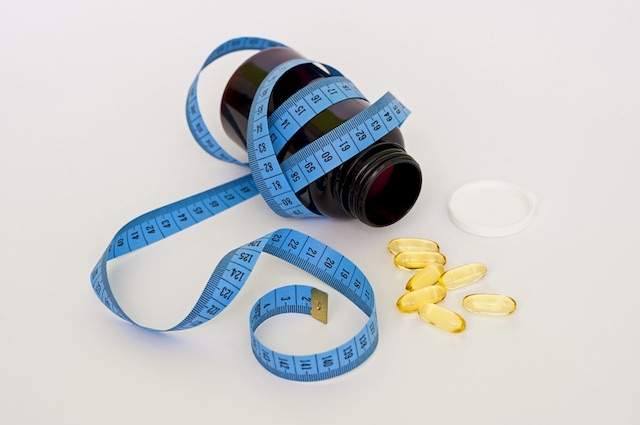
You can take supplements that will melt fat away while you sleep!
Claims like these should make you wonder if someone is trying to fool you. Since April Fools’ Day in this week, it is worth learning the truth about these common weight loss myths.
Diets don’t work
Considering that most people who lose weight end up gaining it back, this belief is understandable. The fact is that diets do work—that is how people lost weight in the first place! The problem is that many diets simply aren’t sustainable and don’t teach healthy eating habits necessary to keep the weight off. The result is that after the diet ends, a return to old eating patterns leads to gaining the weight back. The solution, of course, is to find a diet that you can stick with even after you have lost weight, one that teaches you how to make healthy choices and adapt your lifestyle.
Exercise doesn’t lead to weight loss
The traditional advice for losing weight is to eat less and exercise more. But some research suggests that exercise itself doesn’t lead to significant weight loss. In fact, exercise alone results in lower weight loss compared to diet only or diet plus exercise. While this is true, concluding that exercise isn’t important is a mistake.
First, even if exercise only leads to a small amount of weight loss (about a half pound per week in my research) it does add up over time and can help someone achieve their weight loss goal more quickly. Second, research involving individuals who have succeeded at long-term weight loss in the National Weight Control Registry shows that exercise is important. It is noteworthy that 94% of these “successful losers” increased their physical activity in order to lose weight and 90% said that they maintain their weight by exercising an average of 60 minutes every day.
You can boost your metabolism and burn fat using supplements
Losing weight really does require making changes to your eating and exercise behaviors. Many of these changes can be difficult, so it is no surprise that people look for shortcuts. And there is no shortcut more appealing than a supplement that will increase your metabolism and burn fat while you sleep.
Keep in mind that there are no dietary supplements that have been shown to be safe and effective for promoting long-term weight loss, despite what the manufacturers claim. In fact, some could even be dangerous. The only way to make a meaningful change in your metabolism is to exercise and significant weight loss simply won’t happen unless you change your diet.
Be especially skeptical when you see words like “flush” and “cleanse,” which are meaningless and have nothing to do with weight loss. There are a few prescription medications and over-the-counter drugs that have been shown to promote weight loss—but only when combined with a healthy diet and exercise.
Hopefully this advice will help you make healthy decisions and avoid becoming an “April Fool” when it comes to weight loss claims. The good news is that you can start losing weight today by making some simple changes including reducing your portion sizes at meals, choosing water or other calorie-free beverages when you are thirsty, and making it a point to be active every day. These modifications can lead to weight loss now and are exactly the type of changes you need to make to keep the weight off in the long run.
Achieving and maintaining a high level of physical fitness is essential for good health and an active lifestyle. Regular exercise can promote weight loss, enhancing wellbeing, and improve endurance, strength, and flexibility. Of these three components of fitness, flexibility is the one that often gets the least attention. Unfortunately, this can lead to limitations in movement that can interfere with activity and may cause injury.
But improving flexibility alone is not the answer—you should also focus on improving mobility, which is the ability to move without limitations. If flexibility allows your muscles and joints to move through their full range of motion, mobility promotes proper movement and posture.
Most of us could benefit from getting more exercise and, with spring on the way, this is a perfect time to get started. You can meet minimum health recommendations with a 30-minute brisk walk five days per week. You can get even greater fitness benefits by exercising for longer or by doing more vigorous activity, like running. A good goal is to be active every day for at least 30 minutes and include longer or more vigorous exercise sessions when possible.
Many people are motivated by having a goal to begin or add to an exercise program. You may find that training for an event is more rewarding than exercising for the sake of being active. An excellent goal is to prepare to walk or run in a local race. Don’t let the word “race” scare you. Most people who enter these events have the goal of finishing, not winning. That should be your goal, too.
Now is a great time to start training for your first race. The weather is an incentive to be active outdoors because it’s not too hot to be enjoyable. There are several events in our community in the upcoming months that are excellent opportunities for first timers and more seasoned racers. Many events are linked to charities, so they are also good ways to raise money for a good cause.
One example is our area is the Run United event on April 27, which consists of a 5K (5 kilometers or 3.1 miles), 10K (10 kilometers or 6.2 miles), a half marathon (13.1 miles), and a kids fun run. Almost everyone can participate in one of these events with some preparation, so it is a perfect event for the whole family.
If you are starting to walk for exercise, completing a 5K walk is a good goal. Start with a target of 20 minutes of walking per day. You can split this up into 10 minute segments, if necessary. After you are comfortable walking 20 minutes at a time, increase to 30 minutes per day. Continue increasing your walking time until you are up to 45-60 minutes per day, about how long it takes most people to walk three miles. If you already do some walking, gradually build up to this goal.
Maybe you already walk and are interested in trying running. Preparing for a 5K or 10K is great motivation. Start by adding some jogging into your walking routine. Try alternating 5 minutes of jogging with 10 minutes of walking. Once you are comfortable with that, try 5 minutes of jogging for every 5 minutes of walking. Increase the duration of the running intervals over time, until you can run for at least 30 minutes for a 5K or 60 minutes for a 10K consecutively. If running three or six miles is too much, you can always complete those races by alternating walking and running. Completing the half marathon will require more dedicated training, building up to running (or a run/walk combination) for over two hours. To reduce the risk of injury you should progress slowly, whether you are walking or running. This is particularly important if you are building up to a longer event, like a 10K or half marathon.
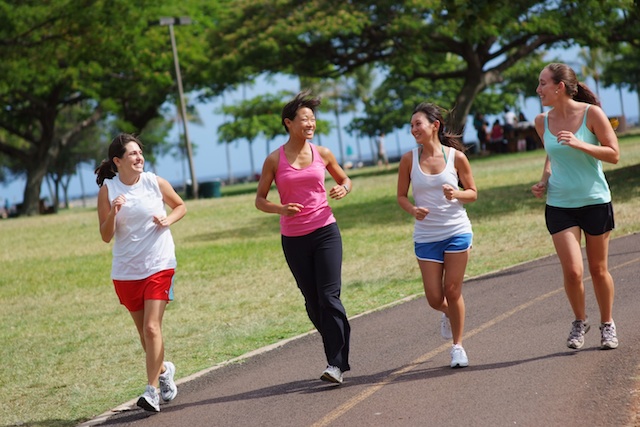
Even if you don’t plan to participate in one of these events, the opportunity to get outdoors for a walk or run on a nice day is reason enough to be active. Use this as an opportunity to get your friends and family moving with you. Kids can ride their bike while you walk or run and you can push younger children in a stroller. Older children may want to walk or run with you, and don’t forget to bring your dog!
The arrival of spring in our area has brought warmer weather, blooming flowers, green grass, and, for many, seasonal allergies. If you suffer from seasonal allergies, you may want to know if it is safe to exercise outdoors. The short answer is yes, provided you take the right precautions. This is the topic of my Health & Fitness column in the Aiken Standard this week.





 Dr Parr Says...