Category Archives: Health & Fitness

When it comes to the health and fitness benefits of exercise, there are no shortcuts–you have to do the exercise!

What if there was a way that you could get the benefits of exercise without having to do the exercise? Many people are interested in finding such a shortcut to health and fitness. Some of these ideas are pretty creative. Take this one, for example: Exercise increases your heart rate and causes you to sweat. So does sitting in a sauna. But is sitting in a sauna a shortcut to getting the benefits of exercise? The answer is no! When it comes to getting the benefits of exercise, you actually have to exercise. Continue reading

Function and fitness follow form.Why doing exercises properly can help you get fitter, faster.

When it comes to exercise, the most important thing is that you do it! When you are starting out, almost anything you do will have health and fitness benefits. As little as 30 minutes per day of moderate aerobic activity can improve your endurance and even one set of a few resistance exercises once or twice per week can increase your strength. Doing more, either longer exercise time or intensity, will result in bigger improvements in fitness.

Getting the most out of your workouts requires doing exercises properly. Using equipment appropriately and having good form can help enhance your gains from training. Proper technique is commonly thought to reduce the risk of injury, but it also has as much to do with the effectiveness of the exercise itself. This is the topic of my Health & Fitness column in the Aiken Standard this week.

110713-F-7770C-0499

Continue reading

A health and fitness remodeling project

Losing weight are getting in better shape are common goals. Given that almost 40% of Americans are considered obese and less than 25% meet minimum exercise recommendations, there are many people who could benefit from changing their eating and activity habits.

Much of the time the focus is on losing lots of weight quickly. Many popular diet and exercise programs require making big changes to eating and exercise behaviors. These changes can promote rapid weight loss, but many can’t be maintained as lasting habits. But these changes do help a lot of people lose significant weight, at least for a while.

There are also many people who want to lose just a little weight, maybe 5–10 pounds, and get in better shape. This usually means building muscle and shedding fat, but not really losing much weight, a process that I call “remodeling”.

jogger in woods

Here is a story about Shannon (not her real name), and her health and fitness remodeling project. Continue reading

Think big for better health. Here are a few simple changes that will have a big impact on your health.

If you are trying to lose weight, prevent or treat a chronic condition like diabetes, or improve your health in general, knowing what to do can be confusing. Being “healthier” can include an almost endless list of small changes, making you unsure where to begin.

Nutrition trends tend to focus on single foods or ingredients rather than on changes that will have a significant impact on your diet and health. For example, adding chia seeds to a smoothie is unlikely to make you any healthier, but eating more fruits and vegetables certainly will. The same is true for fitness fads, most of which offer little benefit beyond simply dedicating time for regular exercise.

To really improve your health, you should focus on making changes that will have a big impact. Here are a few ideas to help you get started, which I shared in my Health & Fitness column in the Aiken Standard this week.


Get healthy sign

  1. Sit less, move more, be active every day

Research shows that sitting too much is almost as unhealthy as not exercising. Spending less time sitting at work, home, or in the car is an easy way to improve your health. Getting up and moving for even a few minutes is better than staying seated for long periods of time. Every little bit of activity really does count.

Significant health benefits, including weight loss and improved fitness, can be achieved with as little as 30 minutes of activity per day, but more is better. The activity doesn’t have to be “exercise.” It can include walking the dog, yard work, or house work, but there are significant additional health and fitness benefits from regular aerobic, strength, and flexibility exercise.


  1. Eat smart, and not too much

Making dietary changes can be difficult, but first you need to figure out what to do. Fortunately, a few simple changes can lead to big benefits. While there is much debate about which diet is the healthiest, almost everyone agrees that eating more real food, especially fruits and vegetables, and less added sugar is a good place to start.

Fresh fruits and vegetables are rich in vitamins, minerals, and fiber and most are low in calories. Eating less added sugar in sweets and processed foods can help you cut down on calories and lead you toward healthier food choices. Controlling portion sizes plays as big of a role in weight maintenance as the types of food you eat, so pay attention to how much you eat. Chances are, it is more than you think!


  1. Chill out and get your ZZZs

Reducing and managing stress is essential for good health. Uncontrolled stress can lead to high blood pressure, poor immune function, and weight gain. Daily exercise will help, as will using as will stress management techniques like progressive relaxation and breathing exercises.

Getting enough sleep is also important for good physical and mental health. Sleep is important because it provides a condition under which energy can be directed toward growth and recovery rather than other activities. This is essential for the brain, muscles, and other organs, which renewed during sleep.


  1. Don’t smoke

Smoking cigarettes more than doubles your risk of heart disease and stroke, and is by far the leading cause of lung cancer and other lung diseases. If you smoke, quitting now is one of the most important things you can do to improve your health. Nicotine replacement therapy and prescription medications can help, but quitting really does require serious dedication. It’s well worth the effort and the benefits of quitting can be realized almost immediately.


drparrsays blog footer


Exercise: The secret weapon for cancer prevention and treatment.

Exercise has broad and significant health benefits, making it among the most important healthy behaviors you can adopt. These benefits include improved muscular strength and endurance, stronger bones, and better cardiovascular system function. Exercise is also essential for maintaining a healthier body weight and body composition and improving metabolic health through blood glucose and lipid regulation.

But exercise causes changes at the cellular and hormonal levels that have even broader effects. Among these is a reduction in inflammation, which has long been linked to a lower risk of heart attack. Accumulating research suggests that reduced inflammation and improved immune system function may be an important way in which exercise reduces the risk of cancer. The role of exercise in cancer prevention and treatment is the topic of my Health & Fitness column in the Aiken Standard this week.

cancer exercise group


While we typically associate the immune system with communicable diseases like cold or flu, our immune system plays an important role in the body’s defense against cancer. Conditions like obesity, poor nutrition, and a sedentary lifestyle can promote chronic inflammation. Among other negative effects, inflammation can interfere with the normal functioning of the immune system. This impairs your cells’ natural cancer-fighting capacity, making it more likely that cancer will develop and spread. Exercise can reverse the immune system damage caused by chronic inflammation, reducing the risk of cancer development and progression as well as making it less likely you will become sick from a cold or flu.

The idea that exercise can reduce the risk of cancer isn’t new. I have written previously about the fact that regular physical activity can lower breast cancer risk by as much as 30%, improve survival, and reduce the risk of recurrence. A recent study confirms that high levels of physical activity can significantly lower the risk of breast cancer along with many other common types including colon, bladder, lung, kidney, and endometrial cancers.

In addition to helping reduce the risk of cancer development and recurrence, regular exercise can help you handle cancer treatment better. To be sure, cancer treatment can lead to extreme physical consequences including losses in weight, muscle mass, strength, and endurance. At least some of this is due to more time resting and less time being active, the effects of which occur within days and get worse over time.

You may have noticed this as weakness and fatigue after spending a few days in bed with the flu. Muscle strength declines at a rate of over 1% per day of bed rest, and can be 50% lower following as little as three weeks. That reduction in strength could limit a person who was already deconditioned to a point where he or she would have difficulty completing the most basic activities of daily living. Bed rest can also reduce bone density, exposing patients to a greater risk of fracture.

The fitter you are when you begin treatment, the fitter you will be at the end because you have “saved” more strength and endurance in your fitness bank. You simply have more you can lose before you get to a point at which you can’t complete your normal activities. In fact, maintaining physical activity is a key component of cancer treatment. And post-cancer exercise programs are becoming more common as a way to help women recover from cancer treatment and rebuild strength, endurance, and feelings of wellbeing.

The best approach is to be active now to reduce your risk of cancer (and many other chronic diseases) and build strong muscles and bones to help you successfully handle any cancer treatment or periods of other illness you may encounter later.


drparrsays blog footer

It’s back to school time. Here’s what kids will be missing (again) this year.

It’s time for children in our area to head back to school. Students, parents, and teachers are starting another school year filled with opportunities for children to learn and grow through math and science, reading and writing, and art and music. To be sure, this is time well spent since these subjects help kids build a strong foundation that will help them succeed in school and beyond, something that is widely understood and appreciated.

Physical activity and good nutrition have long been recognized as essential for promoting good health in adults and children. More and more research suggests that these behaviors can have beneficial effects beyond health, including how we perform both physically and mentally. The emphasis here is on children in school, but it applies to adults, too. This is the topic of my Health & Fitness column in the Aiken Standard this week, just in time for the first day of school here.

school lunch


Children should also learn about good nutrition and physical activity, since both good health and good education are essential for lifelong happiness and success. In most schools, though, most kids won’t experience much meaningful education about nutrition, activity, and health.

In fact, opportunities for children to be active in school, either through formal physical education or more informal play and recess, has declined over the years. And good nutrition isn’t likely to get much classroom time at any level and the food served in most schools hardly sends a positive message about healthy eating. These are missed opportunities!

Unfortunately, taking time for activity and good nutrition is seen as a luxury or a distraction to learning in most schools. Far from being a distraction, physical activity and healthy eating are prerequisites for learning and academic achievement. In short, these often ignored factors can help make sure children are ready to learn.

The message that children need to eat breakfast before school is well-known.  Eating a good breakfast improves cognitive function, alertness, and academic performance in students of all ages. It should be no surprise, then, that skipping breakfast impairs cognitive function and academic achievement. This is one reason that many schools offer breakfast to start the day or include a healthy mid-morning snack.

Similarly, lunch is an important part of the school day. In addition to providing energy to support growth and learning, these meals also present an opportunity to teach children about healthy eating since formal nutrition education isn’t part of the curriculum at most schools.

The same is true for physical activity. Research shows that activity can positively affect several factors that are related to academic performance. These include skills (attention, concentration, and memory), behaviors (classroom conduct and homework completion), and academic achievement (test scores and grades). This is particularly relevant for children with ADHD, but the effects can be seen in all kids. These positive changes can maximize class time and lead to improvements in academic achievement, especially math and reading test scores.

The effect of physical activity on brain may be due to physiological adaptations that are associated with enhanced attention, better information processing and recall, and improved attitudes. And it doesn’t seem to matter if the activity is delivered through physical education classes, classroom activity, recess (especially outdoors), or extracurricular activity—it’s the movement that matters!

Regular physical activity is also essential for good health, growth, and physical development, including maintaining a healthy body weight. This last point is important given the epidemic of childhood obesity and related health problems, including “adult” diseases like high blood pressure and type 2 diabetes.

Current recommendations call for all children to get at least 60 minutes of activity per day. This can include activity at school from physical education classes, recess, other classroom activities as well as games, sports, and unstructured play. Unfortunately, most kids don’t get nearly enough activity at school and many aren’t active at home.

Schools have a unique opportunity to use physical activity and nutrition to promote health, support academic achievement, and teach healthy habits. Since formal nutrition education is missing from most curriculums and PE programs are being reduced or cut completely, schools must be creative to incorporate these essential subjects.

A way around this problem is to make sure children get a chance to move and play, ideally multiple times during the day. This is what recess is for. Teachers can also incorporate activity and nutrition education in the classroom and get away from the idea that kids must be sitting still to learn. As research shows, quite the opposite is true!

The point is that good nutrition and physical activity support academic success and including them in schools is a natural fit. Research and practical experience shows that nutrition and physical activity have a positive effect on learning. In many ways, health education is just as important as reading and math, topics schools don’t trust parents to teach on their own, to future success.

Some argue that parents, not schools, should be responsible for promoting physical activity and good nutrition. I disagree! Since nutrition and activity improve academic performance, schools are the perfect place to teach about these aspects of a healthy lifestyle. There is also no guarantee that children will have opportunities to eat well or be physically active when they go home, so school may be the best chance for many kids to get these benefits.

Given that most children will get only limited opportunities for physical activity and good nutrition at school, these topics necessarily become “homework.” Since most of us could stand to be more active and eat healthier ourselves, we should start by modeling good habits for our children and grandchildren.

Going for a walk in the neighborhood, going to the playground, or doing yard work along with preparing healthy meals and snacks is a good start. Parents and community members should also express their concerns to lawmakers and administrators in an effort to get more health education included in the school day. We should treat nutrition and activity like we treat other subjects. How would you feel if your child’s school wasn’t teaching math?


drparrsays blog footer


Vacation is over…it’s time to get back to the gym.

Summer is winding down so many of us will be getting back to our usual routine. Maybe you had an active vacation this summer and maintained your fitness.  More likely, you took relaxing on your vacation a bit too seriously and fell out of your normal exercise routine.

Athletes have long known that even a short break from training results in significant decreases in fitness and performance. You may have noticed this yourself after taking time off. Two recent studies that you may have read about in the news suggest that taking time off from exercise can have a negative impact on your health.

Let’s explore how and why this happens, and what you can do to prevent it.

Exhausted after workout


When you start an exercise program your body adapts in ways that improve your strength and endurance.

Your aerobic fitness and endurance are enhanced by both cardiac and muscle adaptations. Your heart actually gets larger and stronger to pump more blood to your muscles. Within the muscles there is an increase in the number of capillaries, the small blood vessels that deliver blood to the muscle, and mitochondria, the part of the cell that produces ATP, the energy the muscle uses to contract. Together, these adaptations allow the muscle to produce more ATP without fatigue, allowing you to exercise a higher intensity for a longer time without fatigue.

If you do resistance training (and you should!), you get stronger and your muscles get bigger, called hypertrophy. Lifting weights causes microscopic damage in the muscle, which leads to inflammation and soreness. This sounds bad, but your muscles respond by rebuilding stronger, allowing you to generate more force and causing the muscle to grow in size.

These adaptations are also a major reason that exercise makes you healthier, too. Your blood pressure, blood glucose, and blood cholesterol are all improved because of how your heart, blood vessels, and muscles respond to exercise. Additionally, exercise results in changes to certain hormones and how your body stores and uses or stores glucose and fat. The end result is that exercise has far-reaching beneficial effects on your health that simply can’t be matched by any other intervention, including medications.

So, when you stop exercising for a period of time you start to lose these adaptations. This causes both your fitness and health to decline. And it happens quickly, in as little as two weeks!

Two recent studies demonstrate that regularly active adults who suddenly limit their usual activity for two weeks experience significantly impaired blood glucose control, increased fat storage, and lower fitness. It is important to note that in both studies these changes did not fully return to baseline after resuming normal activity for an additional two weeks. This means that the benefits of exercise were lost quickly and took a longer time to return to normal.

This is also true for aerobic fitness and muscular strength. Research done on athletes who stop training, perhaps due to an injury, shows that fitness declines rapidly with the first two weeks. Worse, it can take many more weeks to regain those fitness losses. You may not be a competitive athlete, but the same principle applies to you when you take time off from exercise.

Make it your goal to maintain some level of activity, even when you are on vacation. Time off can mean doing less, but it doesn’t have to mean doing nothing. Even a little exercise can help you maintain your fitness, keep you healthy, and make it easier when you return to the gym.


drparrsays blog footer

​The Science of Sports Drinks

What do you drink during exercise? For most people, the answer is probably water. But many athletes and people who do vigorous exercise are likely to consume a sports drink, like Gatorade or Powerade, while they work out. While there are some differences among the various sports drinks, these beverages are specially formulated to meet the demands of athletes engaged in prolonged, intense exercise. In fact, most contain a similar combination of water, sugar, and salt, along with flavoring to make them palatable. Research and practical experience support the use of sports drinks to improve performance in endurance events (think running and cycling) that last an hour or more.

In my Health & Fitness column in the Aiken Standard this week I explore the the components of sports drinks and why they may be beneficial—and when they aren’t.

Sports drink


Obviously, water is important for replacing sweat loss during exercise, something that is even more critical in a hot, humid environment. During intense exercise on a hot day, sweat losses can be well above one liter per hour. Failure to replenish this water loss can lead to poor performance due to physiological and psychological fatigue. In extreme cases, severe dehydration can lead to hyperthermia and heat stroke. For most athletes, 500–1000 ml (16–32 oz.) of fluid per hour is sufficient, but more may be needed to meet individual needs.

Carbohydrate replacement has long been associated with endurance performance. Vigorous exercise requires lots of carbohydrates in the form of glucose to fuel the active muscles. Your muscles can use 60–120 g of glucose per hour, depending on intensity. You store glucose in your liver and muscles as glycogen which gets broken down during exercise. But these supplies are limited and are diminished after an hour or so of intense exercise. Recommended intake is in the range of 30–60 g carbohydrate per hour during exercise to deliver glucose to the muscle sustain exercise. Almost any carbohydrate will work, but sports drinks contain sugars that are absorbed quickly. It is also essential to maintain blood glucose since, as I tell my students, “if your blood glucose drops, you drop!”

Sports drinks also contain some salt. First, the salt replaces what you lose in your sweat, preventing a dangerous condition called hyponatremia. Fortunately, most people eat enough salt throughout the day and don’t lose enough in their sweat to create problems. Another reason for including salt is that glucose is absorbed with sodium, so having both gets the carbohydrates into your blood faster. Additionally, levels of sodium in the blood act to stimulate thirst. Consuming salt makes athletes thirsty, and thirsty athletes are more likely to drink more.

The composition of sports drinks is important, but the way they are consumed matters, too. Research shows that drinking smaller amounts of fluid more frequently, say 12 ounces every 15 minutes, is better than 32 ounces at the end of an hour. Carbohydrate content is important, but more isn’t necessarily better. Most sports drinks are in the range of 8%, which is ideal for getting the sugar absorbed into the blood. Drink temperature matters, too, and colder drinks are absorbed faster. Obviously, you are more likely to drink beverages that taste good, so finding a flavor you like is important.

Much of the research into hydration, sports drinks, and performance has been done at the Gatorade Sports Science Institute. Despite the name, the research done by GSSI scientists has served to advance the knowledge of exercise physiologists, sports nutritionists, and sports medicine professionals as well as athletes, coaches, and trainers. The research and recommendations are relevant even if you don’t use Gatorade.

Now that you know what is in most sports drinks and why you may wonder if you need one during exercise. Unless you are doing intense exercise lasting over an hour, probably not. Water is sufficient for most people who exercise. And consider this: sports drink contain as much sugar and calories as soda. If you are exercising to lose weight, a sports drink during (or after) exercise might sabotage your efforts!


drparrsays blog footer


Just do it…together! Why exercise is better with family, friends, or your dog.

It’s common to see people walking or running in pairs, and at the gym many people like to work out with a partner. Group exercise classes and boot camp programs are popular among novices and seasoned exercisers alike. Joining a team that trains together to walk or run in a race is a good plan for completing your first 5k or 10k event.

Having another person or a group of people to exercise with is a great way to increase your motivation and enjoyment. This makes it more likely you will stick with your exercise program, leading to better fitness and health. But there are additional benefits to exercising with others that may help you get started and continue your fitness program. This is the topic of my Health & Fitness column in the Aiken Standard this week.

Boot camp workout


Exercising with others provides a level of motivation and accountability that is important, especially for people who aren’t self-motivated. Knowing that you are meeting a friend for a walk or meeting a training partner at the gym makes it less likely that you will find an excuse to skip a workout. While guilt isn’t the best reason to exercise, for many people it is the one thing that will get them moving.

Did you know that exercising with others can also help you get a better workout? It’s true. When you are exercising with another person or a group you can get feedback on your technique. Doing exercises properly can reduce the risk of injury and improve your gains strength, endurance, and flexibility.

You can also get ideas for new exercises and training techniques that can make exercise more enjoyable and less monotonous. Many people find that having a friend to walk or run with makes the time seem to go by faster. The friendly “competition” that can come from a partner or group can push you to train harder, making the exercise more beneficial.

A group dynamic is an important component of many popular exercise classes and programs. At the gym, participants in classes from aerobics to Zumba and spin to yoga benefit from the support and motivation of exercising with others. And programs like boot camps, CrossFit, and F3 are popular largely because of the camaraderie of the other group members.

The benefits may be even greater if you exercise with someone who is more fit than you are. Research shows that when someone is exercising with a partner who they perceive to be more fit they will work out harder and longer than if they were exercising alone. You can benefit from finding a partner or group members who are in better shape than you are. Be careful, though, since exercising with people who are much fitter than you can have the opposite effect and you may get discouraged.

Your exercise partner doesn’t even have to be another person to be effective. Research shows that walking with a dog can improve your adherence to a walking program and lead to greater improvements in fitness compared to walking with a human companion. While a friend might make excuses to skip exercise, a dog will always look forward to a walk. Don’t worry if you don’t have a pet; one study used dogs at a local animal shelter as walking partners.

You can take advantage of the benefits of exercising with a partner easily by asking a friend to go for a walk. It’s something that will benefit you both and it will be a good opportunity to spend time together. No more excuses…get moving!

The effect of involving others in your behavior change process is also helpful for losing weight and quitting smoking. This is true even if the other person (or people) aren’t participating with you—simply telling others about your plans to change can help make you more accountable and improve your chances for success.


drparrsays blog footer


Preseason sports safety

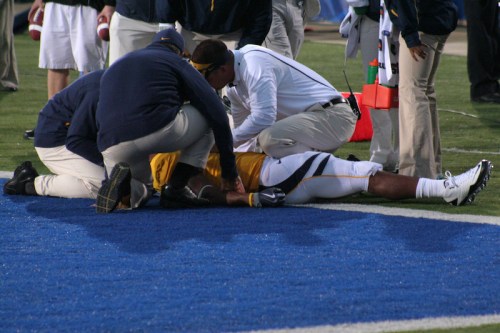
It’s hard to believe, but preseason practice for high school sports will be starting soon. This is an exciting time of year for athletes, coaches, and fans alike. Unfortunately, even the fittest young athletes can suffer injuries (or worse) during preseason training and competition during the season. Among the biggest concerns are the rigorous training schedule, exercise in the heat, and head injury. Fortunately, there are steps that coaches and parents can take to ensure the safety of young athletes during practice and games. This is the topic of my Health & Fitness column in the Aiken Standard this week.

https://www.flickr.com/photos/virtualsugar/4084734655


Preseason practices typically emphasize conditioning—getting athletes in shape for the season. While coaches may expect players to arrive at practice already in shape, the reality is that many athletes still need to improve their strength, endurance, and flexibility. Preseason conditioning usually consists of vigorous exercise designed to improve fitness rapidly. Many coaches also use this time to “toughen up” the players or to weed out those who are not suited for the sport. For most young athletes this approach is safe and effective, but there is a risk of injury or, more rarely, collapse or death with intense training.

The risk of injury or death is made worse by the high heat and humidity that is common at this time of the year. For this reason, many coaches hold conditioning sessions in the morning or evening, when it is cooler. Even then, exercise alone poses a challenge to maintain a normal body temperature. Adding equipment such as pads and helmets for football players increases the risk for hyperthermia, which is even greater in the sun on a hot day. A high sweat rate makes dehydration more likely, so frequent water breaks are essential. Unfortunately, some coaches may be tempted to limit water breaks in a misguided effort to build toughness. This is absolutely inappropriate! Dehydration and hyperthermia can lead to heat stroke, which can be deadly.

This topic was covered in an NPR  interview with Dr. Douglas Casa of the Korey Stringer Institute at the University of Connecticut in Storrs, Connecticut. You can also watch a video in which Dr. Casa discusses hydration and preventing heat illness in young athletes.

Another concern, especially among football players, is the risk of concussion. It turns out that concussions are more common than previously thought in football players and repeat concussions, even “minor” ones, can cause long-term problems. New recommendations for all levels of football call for a better assessment of athletes who suffer head injuries and prevent injured athletes from returning to play. This is important during practices as well as games. While the focus is on football, nearly all sports that involve contact have a risk of concussion.

The topic of concussion is addressed in this video of a lecture given by Dr. Kevin Guskiewicz, Professor of Exercise and Sport Science at UNC-Chapel Hill and MacArthur Foundation “Genius” award winner.

These risks can be reduced by good year-round conditioning, altering practices to reduce heat injury risk, education to reduce the likelihood of concussion, and careful assessment when a concussion is suspected. These responsibilities fall on the coaching staff and the certified athletic trainers who should be present at all practices and competitions. Certified athletic trainers have the knowledge and skills to assess environmental conditions and monitor athletes for signs of heat stroke, concussion, and other injuries. You can learn more about sports injury prevention and the role of certified athletic trainers in keeping young athletes safe from the National Athletic Trainers Association (NATA). All athletic trainers working in our area are certified by the NATA.

All players should also undergo a physical exam prior to participation in sports. The risk of injury can be further reduced by making sure all players are in shape prior to the start of practice. Coaches should find incentives to motivate their players to build strength and endurance in the off-season. Parents should make sure their young athletes are prepared for the physical requirements of their sport and aware of the risks of participation.

While injury is always possible, the risks can be minimized through careful planning and communication among coaches, parents, athletic trainers, and the athletes themselves.


drparrsays blog footer