Tag Archives: sports drinks

You should be hydrating with water. Here’s why.

Even though summer is winding down, its still hot, so it’s a good time to talk about a health habit that’s easy to overlook but essential to daily well-being: staying hydrated. You’ve likely heard that drinking water is important, but most of us don’t give it the attention it deserves. Proper hydration supports everything from energy levels to brain function—and when it comes to staying hydrated, plain water is still the best.

This is the topic of my Health & Fitness column in the Aiken Standard this week.
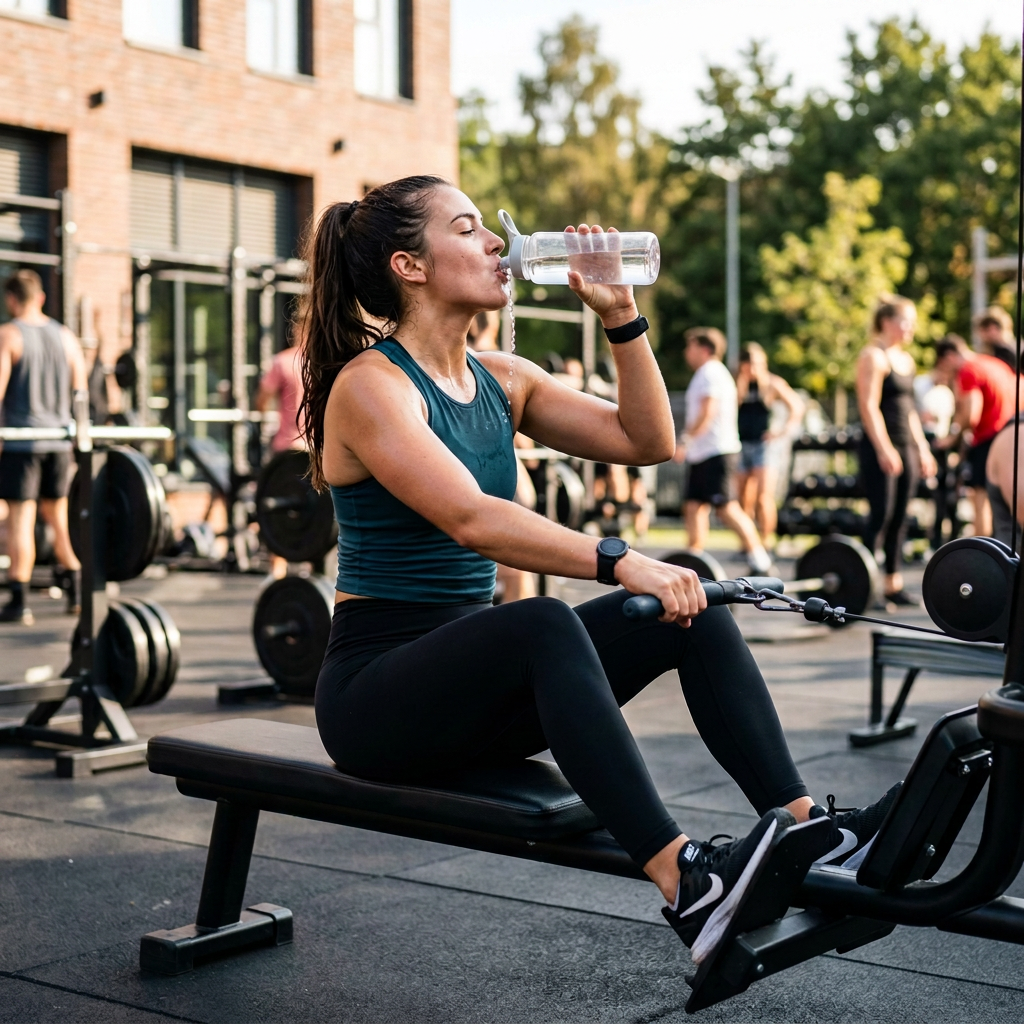
Woman drinking water while seated at an outdoor rowing machine

Our bodies are composed of roughly 60% water, and almost every system relies on it. Water helps regulate body temperature, cushions joints, protects organs, and carries nutrients throughout the body. Even mild dehydration—just a 1–2% loss of body weight from fluid—can impact mood, concentration, and physical performance. If you’ve ever felt sluggish, lightheaded, or unusually tired, there’s a chance you are dehydrated and simply needed more water.

While thirst is a natural signal, it’s not always the most reliable indicator. By the time you feel thirsty, you may already be slightly dehydrated. That’s why regular, consistent hydration is a smarter approach, especially for children, older adults, athletes, and people working in hot or physically demanding environments. So, what should you drink to stay hydrated?

In an age of seemingly endless beverage options—energy drinks, sports drinks, juices, sodas, and infused waters—it’s easy to get distracted by promises of vitamins, flavor, or performance. But the reality is, for most people, nothing beats water.

Water is calorie-free, sugar-free, and contains no artificial additives. It hydrates quickly and efficiently, making it the most effective and healthiest beverage choice. Unlike many commercial drinks, it doesn’t contribute to tooth decay, weight gain, or blood sugar spikes. It’s also affordable, widely available, and environmentally friendly, especially when consumed from reusable bottles.

Some people believe that sports drinks are better for hydration, especially during exercise. While those drinks can help during prolonged, intense workouts (think marathon running or other intense exercise), they’re unnecessary for the average person’s daily routine or an exercise session. Most sports drinks contain added sugars that the typical person doesn’t need and may even want to avoid.

Caffeinated beverages like coffee and tea can contribute to your daily fluid intake, but they also have diuretic effects that can cause you to lose fluids. Sugary sodas and fruit juices, while hydrating in theory, often contain more sugar than your body needs. In contrast, water works with your body, not against it.

Staying hydrated doesn’t mean guzzling gallons at once—it’s about consistency. The “eight glasses a day” rule is a helpful general guide, but individual needs vary based on activity level, age, climate, and health conditions. Looking for an easy way to track you hydration? Check your urine. Pale yellow usually means you’re well hydrated; dark yellow or amber suggests you need more fluids.

Making water a daily habit can be simple. Start your day with a glass of water, keep a refillable bottle nearby, and choose water with meals. Add a slice of lemon, cucumber, or fresh mint if you want some variety without the sugar. And remember, fruits and vegetables also help contribute to your fluid intake.

In a world of complicated health advice and ever-changing trends, water remains a timeless solution to a basic need. Prioritizing hydration—especially through water—is one of the simplest ways to support your energy, focus, and long-term health.

So, the next time you reach for a drink, skip the sugar and bubbles. Go for what your body really wants: a cold, refreshing glass of water.

drparrsays blog footer

What should you drink to recover after exercise?

It used to be that water was the preferred after-exercise drink. Nowadays, though, you are likely to find that recreational and competitive athletes of all ages consume a specialized recovery drink after a game or training session. These drinks and, sometimes bars, have become part of a post-workout routine recommended by coaches and personal trainers.


Most of these recovery beverages contain some combination of carbohydrates, protein, electrolytes, vitamins, and water, although the specific nutrients and relative amounts of each vary from brand to brand. Depending on the formulation, these supplements may help with rapid recovery from a bout of prolonged exercise, promote muscle growth following resistance training, or reduce muscle soreness after an intense workout.


While research supports consuming some of these nutrients, alone or in combination, in recovery, there are some considerations for determining which supplement, if any, may be right for you.

Sports drink

Continue reading →

​The Science of Sports Drinks

What do you drink during exercise? For most people, the answer is probably water. But many athletes and people who do vigorous exercise are likely to consume a sports drink, like Gatorade or Powerade, while they work out. While there are some differences among the various sports drinks, these beverages are specially formulated to meet the demands of athletes engaged in prolonged, intense exercise. In fact, most contain a similar combination of water, sugar, and salt, along with flavoring to make them palatable. Research and practical experience support the use of sports drinks to improve performance in endurance events (think running and cycling) that last an hour or more.

In my Health & Fitness column in the Aiken Standard this week I explore the the components of sports drinks and why they may be beneficial—and when they aren’t.

Sports drink


Obviously, water is important for replacing sweat loss during exercise, something that is even more critical in a hot, humid environment. During intense exercise on a hot day, sweat losses can be well above one liter per hour. Failure to replenish this water loss can lead to poor performance due to physiological and psychological fatigue. In extreme cases, severe dehydration can lead to hyperthermia and heat stroke. For most athletes, 500–1000 ml (16–32 oz.) of fluid per hour is sufficient, but more may be needed to meet individual needs.

Carbohydrate replacement has long been associated with endurance performance. Vigorous exercise requires lots of carbohydrates in the form of glucose to fuel the active muscles. Your muscles can use 60–120 g of glucose per hour, depending on intensity. You store glucose in your liver and muscles as glycogen which gets broken down during exercise. But these supplies are limited and are diminished after an hour or so of intense exercise. Recommended intake is in the range of 30–60 g carbohydrate per hour during exercise to deliver glucose to the muscle sustain exercise. Almost any carbohydrate will work, but sports drinks contain sugars that are absorbed quickly. It is also essential to maintain blood glucose since, as I tell my students, “if your blood glucose drops, you drop!”

Sports drinks also contain some salt. First, the salt replaces what you lose in your sweat, preventing a dangerous condition called hyponatremia. Fortunately, most people eat enough salt throughout the day and don’t lose enough in their sweat to create problems. Another reason for including salt is that glucose is absorbed with sodium, so having both gets the carbohydrates into your blood faster. Additionally, levels of sodium in the blood act to stimulate thirst. Consuming salt makes athletes thirsty, and thirsty athletes are more likely to drink more.

The composition of sports drinks is important, but the way they are consumed matters, too. Research shows that drinking smaller amounts of fluid more frequently, say 12 ounces every 15 minutes, is better than 32 ounces at the end of an hour. Carbohydrate content is important, but more isn’t necessarily better. Most sports drinks are in the range of 8%, which is ideal for getting the sugar absorbed into the blood. Drink temperature matters, too, and colder drinks are absorbed faster. Obviously, you are more likely to drink beverages that taste good, so finding a flavor you like is important.

Much of the research into hydration, sports drinks, and performance has been done at the Gatorade Sports Science Institute. Despite the name, the research done by GSSI scientists has served to advance the knowledge of exercise physiologists, sports nutritionists, and sports medicine professionals as well as athletes, coaches, and trainers. The research and recommendations are relevant even if you don’t use Gatorade.

Now that you know what is in most sports drinks and why you may wonder if you need one during exercise. Unless you are doing intense exercise lasting over an hour, probably not. Water is sufficient for most people who exercise. And consider this: sports drink contain as much sugar and calories as soda. If you are exercising to lose weight, a sports drink during (or after) exercise might sabotage your efforts!


drparrsays blog footer


The Science of Sports Drinks

What do you drink during exercise? For most people, the answer is probably water. But many athletes and people who do vigorous exercise are likely to consume a sports drink, like Gatorade or Powerade, while they work out. While there are some differences among the various sports drinks, these beverages are specially formulated to meet the demands of athletes engaged in prolonged, intense exercise. In fact, most contain a similar combination of water, sugar, and salt, along with flavoring to make them palatable. Research and practical experience supports the use of sports drinks to improve performance in endurance events (think running and cycling) that last an hour or more. In my Health & Fitness column in the Aiken Standard this week I explore the the components of sports drinks and why they may be beneficial—and when they aren’t.

Sports drink


Obviously, water is important for replacing sweat loss during exercise, something that is even more critical in a hot, humid environment. During intense exercise on a hot day, sweat losses can be well above one liter per hour. Failure to replenish this water loss can lead to poor performance due to physiological and psychological fatigue. In extreme cases, severe dehydration can lead to hyperthermia and heat stroke. For most athletes, 500–1000 ml (16–32 oz.) of fluid per hour is sufficient, but more may be needed to meet individual needs.

Carbohydrate replacement has long been associated with endurance performance. Vigorous exercise requires lots of carbohydrates in the form of glucose to fuel the active muscles. Your muscles can use 60–120 g of glucose per hour, depending on intensity. You store glucose in your liver and muscles as glycogen which gets broken down during exercise. But these supplies are limited and are diminished after an hour or so of intense exercise. Recommended intake is in the range of 30–60 g carbohydrate per hour during exercise to deliver glucose to the muscle sustain exercise. Almost any carbohydrate will work, but sports drinks contain sugars that are absorbed quickly. It is also essential to maintain blood glucose since, as I tell my students, “if your blood glucose drops, you drop!”

Sports drinks also contain some salt. First the salt replaces what you lose in your sweat, preventing a dangerous condition called hyponatremia. Fortunately, most people eat enough salt throughout the day and don’t lose enough in their sweat to create problems. Another reason for including salt is that glucose is absorbed with sodium, so having both gets the carbohydrates into your blood faster. Additionally, levels of sodium in the blood act to stimulate thirst. Consuming salt makes athletes thirsty, and thirsty athletes are more likely to drink more.

The composition of sports drinks is important, but the way they are consumed matters, too. Research shows that drinking smaller amounts of fluid more frequently, say 12 ounces every 15 minutes, is better than 32 ounces at the end of an hour. Carbohydrate content is important, but more isn’t necessarily better. Most sports drinks are in the range of 8%, which is ideal for getting the sugar absorbed into the blood. Drink temperature matters, too, and colder drinks are absorbed faster. Obviously, you are more likely to drink beverages that taste good, so finding a flavor you like is important.

Much of the research into hydration, sports drinks, and performance  has been done at the Gatorade Sports Science Institute. Despite the name, the research done by GSSI scientists has served to advance the knowledge of exercise physiologists, sports nutritionists, and sports medicine professionals as well as athletes, coaches, and trainers. The research and recommendations are relevant even if you don’t use Gatorade.

Now that you know what is in most sports drinks and why, you may wonder if you need one during exercise. Unless you are doing intense exercise lasting over an hour, probably not. Water is sufficient for most people who exercise. And consider this: sports drink contain as much sugar and calories as soda. If you are exercising to lose weight, a sports drink during (or after) exercise might sabotage your efforts!


Nutrition, exercise, and health information can be confusing. 
But it doesn't have to be that way.
What can I help you with?
 drbrianparr@gmail.com | http://twitter.com/drbrianparr