Tag Archives: weight loss

How low should you go?

When it comes to your health, making even small changes can lead to big improvements. Whether you are trying to eat a healthier diet, get in shape, or lose weight, a little effort can go a long way. But doing more can produce even more meaningful changes.

The same is true for risk factors including blood pressure, cholesterol, and glucose. For example, if you have high blood pressure, you can reduce your risk of having a heart attack or stroke by lowering it, even if it doesn’t get into the “normal” range. This is often a goal for patients with high cholesterol or diabetes, too.

According to recent news reports, a major study suggests that treating risk factors—specifically, hypertension—to bring them well below previous targets has even greater benefits. This study, and how it applies to other health indicators, is the topic of my Health & Fitness column in the Aiken Standard this week.

blood pressure


The study, which examined the effect of lowering blood pressure on heart attack and stroke risk, produced such remarkable findings that the results will be published two years ahead of schedule. The researchers found that lowering systolic blood pressure (the top number) to less than 120 mmHg resulted in a risk of heart attack or stroke that was significantly lower than that of treating blood pressure to a typical goal of below 140 mmHg.

This suggests that getting your blood pressure out of the “high” category isn’t enough and that lowering it more is beneficial. Not only is this is good news for people with hypertension, but it also likely applies to other conditions as well. For example, the goal for people with type 2 diabetes is to get blood glucose level, frequently determined by the “A1c” number, as low as possible to prevent complications like blindness, kidney failure, and amputations. And it seems that the risk of heart problems are reduced proportionally to how low LDL cholesterol gets.

This concept can also be applied to health behaviors. For people who are mostly sedentary, something as simple as a 30 minute walk each day can lead to big improvements in fitness. And simply swapping high-calorie drinks like soda or sweet tea for water or other calorie-free beverages can result in noticeable weight loss for many people. And overweight individuals can reduce their risk of diabetes by losing as little as 10% of their excess weight.

But greater changes to activity level or diet almost always have even bigger benefits. Cutting back on calories from drinks is a good start, but losing significant weight almost always requires making other changes in what you eat and how active you are. Walking is an excellent exercise, but greater improvements can be achieved by doing more, either longer duration or a higher intensity. And building muscle will require doing some form of resistance training—walking typically isn’t enough.

It’s true that every pound of weight loss matters, and many people notice changes in how they feel or how their clothes fit after losing as few as 10 pounds. But real transformations in appearance or health require more significant weight loss, especially for people with greater obesity.

Although the SPRINT study focused on only one factor, blood pressure, we shouldn’t limit ourselves to making only one change when it comes to our health. Indeed, the benefits of increasing activity, losing weight, and eating healthier together far exceed doing only one. And, while even small changes make a difference, doing more will almost always result in bigger benefits.

A second chance for your New Year’s resolutions

How are you doing on your New Year’s resolutions? Hopefully, you are still on track to meet your goals. If not, you are in good company. Research suggests that by this time well over half of people who made New Year’s resolutions have either lost momentum or given up altogether and that only 8% will achieve their goal.

There are a host of reasons for this. Some of the most common resolutions—quitting smoking, losing weight, and getting in shape—are also some of the most difficult behaviors to change because they require making significant lifestyle modifications. To make things worse, many people set unrealistic goals or try to take on too much at once.

Many people who fail to keep their New Year’s resolutions this year will recycle them next year and try again. In fact, most people who manage to successfully quit smoking or lose weight have tried many times in the past. Sometimes experience, even a bad experience, is the best way to learn what does and doesn’t work.

But there is no need to wait until January 1 to try again. It turns out that now is a perfect time to restart your stalled New Year’s resolution or finally get around to doing what you planned months ago. Labor Day marks the end of summer and the beginning of a new school year, so it is a natural time to set goals and make changes. This is the topic of my Health & Fitness column in the Aiken Standard this week.

Resolution list


Since setting a date to begin a behavior change is critical step in the process, why not give yourself a second chance on your New Year’s resolutions today?

Here is some advice to help restart (or start!) your New Year’s resolutions successfully.

Be realistic. Many people fail to keep their resolutions simply because they don’t set realistic goals or aren’t honest with themselves about what it will take to meet those goals. For example, running a marathon is an ambitious goal for almost everyone, especially someone who doesn’t exercise at all. A resolution to work up to jogging five days per week, with a goal of completing a 5k run is more realistic and achievable.

Focus on learning. Making most health behavior changes involves learning as much as doing. Something as simple as eating healthier meals requires learning about the nutrients that make some foods better than others, learning to read food labels to select healthy foods, and learning how to cook and prepare healthy meals. If your resolution is to learn about healthy meals, you will be able to achieve that goal and be well on your way to eating a healthier diet.

Manage your time. Most health improvement projects require taking time to learn about, implement, and maintain those healthy behaviors. If you resolve to manage your time to include exercise or meal preparation in your daily schedule you will be much more likely to meet your goals. Trying to add these new activities as “extras” to your already busy day will inevitably lead to them getting squeezed out.

Plan ahead. Most people already know that changing health behaviors can be challenging, even under the best circumstances. It’s no wonder that holidays, travel, and other life events can complicate or even derail an otherwise successful diet or exercise program. Make it your resolution to think about what you can do before, during, and after these (and other) disruptions occur to keep yourself on track.

Hopefully these steps will help you keep your resolutions, achieve your goals, and make this a happy, healthy year. As a bonus, you can take January 1 off!


Nutrition, exercise, and health information can be confusing. 
But it doesn't have to be that way.
What can I help you with?
 drbrianparr@gmail.com | http://twitter.com/drbrianparr

Despite the controversy, energy balance still matters.

The concept of energy balance has been in the news again this past week. Unfortunately, the media reports focused on controversial funding for a network of researchers, not on practical information that could help people with weight control. In my Health & Fitness column in the Aiken Standard this week I take the opportunity to explain what energy balance means and, despite the controversy, how it can help you achieve and maintain a healthy body weight.

walking weight loss


First, it is worth explaining what energy balance means. Basically, the energy balance model suggests that your body weight is determined by the balance between the number of calories you consume and the number of calories you expend each day. It is often illustrated as “calories in, calories out” and is the basis for the most basic weight loss advice: eat less and move more.

Now for the controversy. It was recently reported that the Global Energy Balance Network (GEBN), an organization aimed at promoting activity and health, received money from Coca-Cola, a company that promotes the consumption of sugar-sweetened beverages.  Furthermore, the obesity and exercise researchers at GEBN started focusing more on the lack of activity, instead of unhealthy food, as a major cause of obesity. Whether this is truly a real conflict of interest or simply a reality of funding a non-profit health organization remains to be seen.

It is important to note that this doesn’t mean that the efforts of GEBN scientists or the concept of energy balance in general should be dismissed. In fact, the energy balance model is a simple and effective way to explain how weight gain and weight loss occur. In fact, the only treatments we have for obesity focus on changing energy intake and energy expenditure. While some suggest that the “calories in, calories out” idea is too simplistic, it certainly helps people understand why they have gained weight and provides an intuitive guide to losing weight. This is most commonly expressed as “eat less, move more” and is the foundation of nearly every effective weight loss program.

For most researchers, practitioners, and people in general, the focus is typically on the “energy in” and “eat less” parts of the equation. Nearly all diets work by reducing the number of calories someone eats, even if they claim that you can eat as much as you want. Common recommendations to cut back on sugar or fat tend to lead to eating fewer calories, especially if those foods are replaced by fruits, vegetables, whole grains, and lean meats. Since we now know that eating fat won’t necessarily make you fat, the emphasis has shifted to sugar as a cause of weight gain. And sugar-sweetened beverages, including soda, are a major source of sugar for many people, especially children. So, most experts recommend consuming less soda, candy, and other sources of added sugar.

But there is another part of the energy balance model that can’t be ignored—energy expenditure. One goal of the GEBN is to emphasize the importance of activity in achieving energy balance and a healthy body weight. The focus on physical activity makes sense considering that the component of energy expenditure you can control is your activity level. This includes exercise, other occupational and leisure activity, and limiting sedentary (sitting) time, with a goal to be as active as possible throughout the day. The key is to achieve a balance between what you eat and drink and the energy you expend by being active.

The importance of exercise and energy expenditure for weight loss is shown by the members of the National Weight Control Registry, commonly called the “successful losers” because they have lost an average of over 50 lbs and kept it off for over five years. They lost weight by following a variety of diets and programs but nearly all continue to exercise regularly. This suggests that physical activity to promote “energy out” is at least as important as diet when it comes to maintaining weight loss.

In fact, if energy expenditure is high enough, a person could get away with eating almost anything he or she wants. In the 2008 Olympics, swimmer Michael Phelps famously revealed what he ate on a typically day. The amount and type of foods he consumed were not what you would expect from someone so fit and healthy! Without the hours of training he engaged in each day that diet would almost certainly have resulted in obesity and poor health.

Clearly, increasing physical activity is important both for weight control and health in general. But diet matters, too. And while the energy balance model says that there is nothing wrong with having your favorite foods or drinks as long as you are active, most of us could benefit from drinking less soda and moving a bit more. In this way, keeping yourself in energy balance should allow you to maintain a healthy weight without depriving yourself too much. The key is, and always has been, to find a balance between what you eat and drink and the energy you expend by being active.


Nutrition, exercise, and health information can be confusing. 
But it doesn't have to be that way.
What can I help you with?
 drbrianparr@gmail.com | http://twitter.com/drbrianparr

Dive in to aquatic exercise.

There is nothing that feels better on a hot summer day than going for a swim. But beyond being a fun way to cool down, swimming is a great way to get in shape, build muscle, and to help you lose (and maintain) weight. Lap swimming is about as aerobically demanding and burns as many calories as land-based exercise such as walking or jogging. (Obviously, it depends on the stroke you use and how fast you swim). Swimming is also an excellent exercise for injury rehabilitation or for people with conditions like arthritis.

The health and fitness benefits of swimming and aquatic exercise is the topic of my Health & Fitness column in the Aiken Standard this week.

Aqua_Aerobics


The fitness benefits of swimming are well established. Since swimming is a whole-body exercise it uses all of your major muscle groups, building strength, endurance, and aerobic fitness. Highly trained swimmers have VO2max values, considered the best measure of aerobic fitness, that are similar to runners and cyclists. If you have doubts about the fitness benefits of swimming, think back to the last Olympics and how muscular and lean the swimmers looked.

Depending on the stroke and speed, swimming ranges between 5 to 10 METs. (METs are units used to measure the intensity of activity; one MET is equivalent to sitting at rest) For example, doing the backstroke at a moderate speed is about 5 METs while swimming laps freestyle with vigorous effort is about 10 METs.

This range is similar to walking at 4 mph up to jogging at a 9 minute per mile pace. What if you are just spending time in the pool or lake rather than swimming laps? Swimming leisurely is 6 METs, still a decent workout.

Swimming is a great way to burn calories, too. Even at a moderate pace, swimming laps for 30 minutes can burn over 200 calories. The exact energy expenditure depends on the stroke (butterfly is highest, backstroke is lowest) and the speed, but for most people swimming will burn as many calories as spending the same amount of time exercising on land.

There are two major reasons for this. First, water is more dense than air, so you need to expend more energy to move your body through the water. Second, swimming is a whole-body exercise which requires more muscle activity compared to walking or jogging which mostly involve the legs.

You may be surprised to learn that novice swimmers expend more energy per lap than elite swimmers. For example, one study showed that competitive swimmers expend only 280 calories to swim a mile, while less experienced swimmers burn about 440 calories to cover the same distance. The reason for this is that experienced swimmers are more efficient, so they expend less energy.

Aquatic exercise is popular for both therapeutic and fitness purposes, especially for people who don’t tolerate exercise on land well. When you are submerged up to your waist, 50% of your weight is supported; when you are up to your chest, about 75% is supported. This reduces the impact of exercise in the water, perfect for people who have arthritis, osteoporosis, severe obesity, or who are recovering from injuries.

Exercise in the water doesn’t have to mean swimming laps. Water aerobics, aqua walking or jogging, and resistance training using foam “weights” or webbed gloves offer safe ways to increase strength and endurance for almost everyone. Most fitness facilities that have a pool offer group aquatic exercise classes and you can find instructions online for exercises that you can do in your own pool.

If you are interested in using your pool for exercise, you can find information about aquatic exercise in general here and links to suggested exercises here. You can learn more about aquatic exercise specifically for arthritis and fibromyalgia, too.

The hot summer weather makes swimming and other water exercise appealing. But even if you don’t use the time for exercise, spending time playing in the pool or lake can still burn as many calories as going for a walk and is a great way to have fun and cool down!


Nutrition, exercise, and health information can be confusing. 
But it doesn't have to be that way.
What can I help you with?
 drbrianparr@gmail.com | http://twitter.com/drbrianparr

Are your pants making you fat?

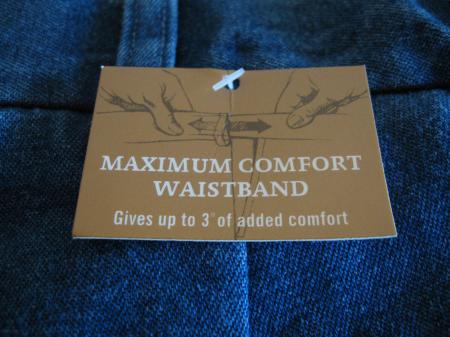
If you have purchased new pants recently you may have noticed that they have an adjustable or expandable waist. Some men’s pants include up to two extra inches to allow you to “flex” or “move more freely.” Women’s pants might have elastic hidden in the waist band for extra “stretch.” While these pants are designed to be comfortable, they could be making you fat!

This is the topic of my Health & Fitness column in the Aiken Standard this week.

Fat_pants


Most people gain weight as they age, typically a slow process that may not be immediately noticeable. If you have pants with a two-inch expandable waist you could easily gain weight while still wearing the same pants size. In fact, you could gain two inches of fat around your waist before you noticed. For many people, tight-fitting pants are a signal that they may have gained a few pounds. If you miss that cue you could easily gain significant weight, which requires a significant effort to fix.

This might sound like a minor issue, but external cues like this are important to help us recognize weight gain. In a classic example, a man puts on his favorite suit for the first time in over a year to find that the pants are too tight. Immediately he realizes that he has gained weight since he last wore the suit. Imagine, though, if his suit pants stretched to accommodate his larger waist. He might still think that, since the pants still fit, he hasn’t gained any weight.

This is important since people typically gain weight little by little over time, which may not be appreciated without these external cues. One way to prevent surprise weight gain is to weigh yourself regularly so that you can make adjustments to your diet and activity to prevent further weight gain. In fact, one common characteristic of the “successful losers” in the National Weight Control Registry is that they weigh themselves at least once a week. This is important because it’s easier to make adjustments to lose weight that’s gained in a week versus weight that is gained over a month or more.

This is also why people who lose weight should get rid of their “fat clothes.” Typically, these clothes get pushed to the back of the closet. But they are still readily available, so when the person regains some of the weight, it is easy to reach for a larger size. If those clothes had been packed away in a box in the attic, retrieving and unpacking them would be a noticeable sign that they had gained weight and may motivate them to get back on track.

Even small changes to our diet and activity patterns can lead to weight gain over time. Since this weight gain can often go unnoticed, it is important that we pay attention to external cues. The way our clothes fit is one such reminder, but there are others. Do you notice that you feel more out of breath doing routine activities, like climbing a flight of stairs? Is it more difficult to bend over and tie your shoes? These are both signs that your fitness may be declining and that it is time to start exercising.

These cues are easy to ignore, but they are important signs that it is time to make changes to your diet and activity habits. It is even easier to prevent weight gain or to stay fit than it is to lose weight or get in shape. So, don’t let your pants trick you! Pay attention to how your clothes fit and how you feel and use these cues to guide you to maintain good health.


Nutrition, exercise, and health information can be confusing. 
But it doesn't have to be that way.
What can I help you with?
 drbrianparr@gmail.com | http://twitter.com/drbrianparr


Losing weight is easy, not finding it again is the hard part.

Earlier this week I wrote about tips and tricks from people who are successful losing weight. While some people may make it look easy, losing weight is challenging, to be sure. But maintaining weight loss can be even more challenging.

Many people think that they are finished once their diet or weight loss program ends. The truth is that the end of the diet marks the beginning of the next phase: keeping the weight off. In fact, many people have successfully met their weight loss goal only to gain the weight back later. In fact, some people do it every year, losing and regaining the same 10 (or more) pounds over and over.

There is a practical reason why this happens. In order to lose weight and keep it off people need to learn a whole new lifestyle involving what, when, why, and how they eat as well as daily exercise. These lifestyle changes are difficult to make and can take months or years to fully adopt. In many cases, the weight loss program ends before people make lasting behavior changes. This makes it all too easy to revert to old habits.

While there are literally hundreds of diets and weight loss programs to choose from, “weight maintenance” programs are far less common. The good news is that following the advice of people who are successful at losing weight and keeping it off can help you maintain your weight loss.

The members of the National Weight Control Registry (NWCR) — the “successful losers” have lost an average of 66 pounds and kept it off for over five years the — provide insight into how they keep the weight off. Most report continuing to maintain a low-calorie, low-fat diet and doing high levels of activity. Almost 80% eat breakfast every day, 75% weigh themselves at least once a week, over 60% watch less than 10 hours of TV per week, and 90% exercise, on average, about 1 hour per day.

Many people worry whether they are following the “best” diet or weight loss program. The specific diet may not be as important as what you do when it ends. Notice that the majority of successful losers still control what they eat and nearly all exercise each day. This suggests that going back to the way you ate before you lost weight is unrealistic. And if you aren’t exercising, at least walking, every day already, now is a good time to start.


Nutrition, exercise, and health information can be confusing. 
But it doesn't have to be that way.
What can I help you with?
 drbrianparr@gmail.com | http://twitter.com/drbrianparr

Want to know how to lose weight? Ask the experts.

For a great many people, losing weight is a struggle. For starters, selecting a diet to follow or program to join can be a difficult decision. In fact, the great debate about which diet is the best seems to create more confusion than answers. Add to that the conflicting reports about what to do for exercise, and the confusion grows. Then, the real challenges begin. Knowing what to do is relatively easy compared learning a whole new lifestyle involving what, when, why, and how to eat and exercise. Losing weight is hard work, far from the effortless portrayal in advertisements, in which the fat just seems to melt away.

There are some people who make losing weight look easy. No question, these people have to plan to eat healthy meals, dedicate time for exercise, and deal with cravings just like everyone else.  But it seems as though they have figured out the secret of how to lose weight. It turns out that there isn’t really one thing that people do to be successful, but there are some common behaviors that the “successful losers” share. Following the advice of people who are successful at losing weight and keeping it off can help you achieve your weight loss goals.

This is the topic of my Health & Fitness column in the Aiken Standard this week.


The good news is that this advice is available. The National Weight Control Registry (NWCR) is a collection of information submitted by individuals who have succeeded at long-term weight loss. These “successful losers” have lost an average of 66 pounds and kept it off for over five years, with some losing as much as 300 pounds! Best of all, they share the secrets of their success. Almost all of them increased their physical activity and modified their diet, suggesting that eating less and moving more are necessary for successful weight loss.

Closer to home, I am loosely involved with a local, workplace-based weight loss and fitness program. The comments from the participants about what they are doing and challenges they are facing is especially interesting. The experience of participants in this program supports the findings from the NWCR and provides more specific information about what works.

First, nearly all of the participants have changed what they eat. Some follow a specific diet while others report that they are simply eating less or eliminating certain foods, such as fried foods or desserts. The Paleo diet and eating less processed foods seem to be popular approaches, but participants mention a wide variety of diets and weight loss programs.

Second, almost everyone has become more active. For some, this means going for a 30 minute walk every day while others do more, including exercise at a gym or training for a half marathon. Some participants note that they are progressing from shorter bouts of light intensity activity to longer, more vigorous exercise. This is a natural progression that further increases fitness and energy expenditure.

Finally, many of the participants report that some sort of support has helped keep them on track. This includes social support from coworkers, friends, and families, many of whom have joined in the health improvement process. But support also comes in the form of devices and apps that track and provide feedback about their activity and what they eat. The popularity of these tools suggests that they are helpful, but any method to provide accountability would work.

The bottom line is that the participants in this program, just like the NWCR members, are focusing on “eating less” and “moving more” in some way and relying on some form of support to keep them on track. The good news is, there is no one right way to lose weight. The trick is to find something that works for you, given your current health, interests, and lifestyle.

Weight loss “frenemies”: How the people around you can support–and sabotage–your weight loss.


Anyone who has tried to lose weight, quit smoking, or make another behavior change knows that having the support of family and friends is a key to success. Additionally, having a “buddy” to go through the process with can help keep you motivated, leading to greater success now and in the long run.

However, a lack of support can make these changes even more difficult. Some people even encounter behavior by friends and family members that directly interferes with their efforts, something that seems to be more common among women than men. (something that my friend Shannon has noticed).

This is the topic of my Health & Fitness column in the Aiken Standard this week.

together-hands


Social support has long been recognized as a key component of group exercise, weight loss, and smoking cessation programs. This support can be both real and perceived. Family, friends, co-workers, and others who directly or indirectly offer support and encouragement are obvious examples. But research shows that even thinking that you have the support of others can boost your chances of success.

Group weight loss programs are popular because they provide accountability, positive role models, and advice in a supportive environment. From my perspective as a weight loss researcher, the group dynamic is a major reason people stick with a program when they otherwise might not. In fact, research supports the idea that programs with a group component tend to be more effective over time. Not wanting to “let the group down” keeps many participants focused and on track. While guilt isn’t the best reason for continuing a weight loss program, it is an effective motivator for some people to reach their goal.

Group support can also make up for support that may be lacking from other people. Some dieters find that the people around them are unsupportive. This can include comments (“seeing you eat healthy makes me feel guilty!”), being excluded from activities because the person is on a diet, and direct sabotage of the person’s efforts by encouraging them to stray from their diet. Participants of group programs report that support from other members helps them get past these barriers.

Even with strong support from others making the same lifestyle changes, the assistance of friends, family, and coworkers is essential. Some support is relatively simple to provide and includes making positive comments and encouragement. A simple acknowledgement of the effort a dieter has been making goes a long way. Sometimes others may see changes before the person losing weight notices any progress. This feedback can be especially motivating.

Other forms of support may be more challenging. For example, if one member of a family is trying to lose weight, the rest of the family may need to alter their habits as well to accommodate changes in eating and exercise. Others can contribute by helping a dieter shop for healthier food, prepare meals, and find time for exercise. Sadly, missing this support is a frequent reason why people are unable to realize long-term weight loss success. The bottom line is that those close to someone who is trying to improve their health can be influential, both positively and negatively, in their success.

If you are trying to lose weight, look for people who can provide support, whether that is encouragement or actual assistance. If you know someone who is on a diet, try to be a source of support for them. Complimenting them on their progress and encouraging them to continue is a good start. At the very least, don’t do or say things that make their health improvement process more difficult. Best of all, you can play along with them—chances are, you could benefit from eating better and getting more exercise!

Eat slow, then fast. How and when you eat may be as important as what you eat for weight control.

What you eat is an essential part of achieving and maintaining good health. What you may not know is that when and how you eat can be just as important. This is especially true if your goal is to lose weight.

My Health & Fitness column in the Aiken Standard this week describes  two ways that changing the way you eat can help you lose weight and keep it off. Neither of these are necessarily new ideas, but implementing them together may help you eat less.

First, eating more slowly can help you limit the amount of food you eat. Perhaps your mother admonished you to “slow down” at meals when you were young. This was good advice, for both practical and physiological reasons. In addition to controlling how much food you consume, eating more slowly is a good way to enjoy meals, both the food and the company, more fully.

You mother may also have told you to “chew your food.” too. This was probably to remind you to eat more slowly.  Almost 100 years ago Horace Fletcher recommended a process that involved chewing each bite of food 100 times. “Fletcherizing,” as it was called, was a way to reduce how much people ate, among other more dubious health claims.

There is a physiological reason to slow down, too. Your appetite is regulated by a host of factors, including the act of eating and the presence of food in your stomach. As you eat, your stomach fills. This triggers the release of hormones that signal your brain to reduce your appetite. The result is that as your stomach fills, you feel less hungry.

Once you start eating, it takes time for your stomach to release these hormones. Eating quickly, like many of us do, allows you to take in lots of calories before your brain gets the message that you are full. This is one factor that leads to overeating. But if you slow down at meals, you start to feel full before you eat as much. Research shows that this can lead to lower calorie intake during the meal.

Second, the time between meals may affect your metabolism in ways that result in less fat accumulation. Again, the concept of fasting between meals isn’t new, but recent research helps explain why eating less frequently may help prevent obesity and related conditions, including diabetes.

While this research was done using rats, the physiological concept may well apply to humans. In these studies, rats were put on a diet that included an overnight fast ranging from 8–12 hours. The researchers found that the rats that experienced a longer fasting period between meals had better insulin levels and less fat storage.

The reason for this seems to do with the gut microbiome, the bacteria that live in the intestine and play an important role in regulating metabolism. A longer period without food changes the nature of these good bacteria, promoting these benefits.

I first heard about this on Science Friday, which provides an excellent summary of this research.

It is unclear whether this same effect occurs in humans. Even without this evidence, adopting a fasting period between dinner and breakfast, which should be about 12 hours, seems prudent. At the very least, it will keep you from snacking in the evening, which almost certainly involves unhealthy choices.

An additional finding of this research is that the benefits of the 12-hour fast seem to persist, even through a day or two of more frequent eating. This is relevant, since many people do well to modify their eating habits during the week, but tend toward less restrained eating on the weekends. The fact that the benefits of an overnight fast most days of the week are maintained despite a “wild weekend” is good news!

The combination of what, when, and how you eat can make an important difference in how much you eat, the key to losing weight and keeping it off. As you try to make healthier food choices, consider eating more slowly and making dinner the end of your eating day.

It’s about time.

My Health & Fitness column in the Aiken Standard this week is about time—why dedicating adequate time is essential for exercise and weight loss success and suggestions for how to spend your time to achieve health and fitness goals.


Improving your health through diet, exercise, and weight loss takes motivation and dedication. It also takes time. This includes time to learn about what you should (and shouldn’t) do as well as the time needed to modify these health habits. For many, the problem isn’t knowing what to do or how to get started, it is finding the time to stick with the program. In fact, the number one reason why people abandon their diet and exercise routine is lack of time.

Given that most people are busy—maybe too busy—with work, family, and other responsibilities, finding time to focus on health isn’t easy. But it is important, so the first step should be dedicating your time wisely to meet your goals. This involves time for planning, taking action, and monitoring your progress. In short, you should treat your diet or exercise program like a project, rather than an “extra” activity.

This idea is supported by behavior change research, workplace productivity programs, and the practical experience of real people who have gone through this process. Here are a few suggestions to help you dedicate the time you need to achieve your health and fitness goals.

Before you begin. Any health behavior change should begin with identifying what you want to change, setting realistic goals, and determining what information, resources, and support you will need. For example, if you want to lose weight you should have a goal weight and timeline in mind. You should also set both short-term (weekly) and long-term (monthly or longer) goals.

This is also a good time to determine when and how you will put your plan into action. If you need information about what to eat or decide to join a gym to exercise, put those components in place now. Looking at your calendar and scheduling time for preparing meals and daily exercise or making a weekly menu of meals and a grocery list before you go to the store are good ways to invest your time.

Getting started. Once you have yourself organized, it is time to begin! Hopefully, this is a bit easier since you planned ahead, but keep in mind that you will continually need to revisit and modify your plan. This is important because a major reason why people don’t succeed is that they don’t allow flexibility in their plan. Once things go awry, they give up. The key is to keep moving forward, even if the progress is slow.

Keeping track of your weight or a record of what you eat or what you do for exercise is a simple way to monitor your progress. Linking progress to rewards is important for keeping you motivated, but make sure the rewards are consistent with your goals.

Sticking with it. While starting a diet or exercise program can be challenging, it is also exciting and seeing progress can be motivating. The trick is to maintain that progress over time, especially when you aren’t seeing such big improvements. Knowing that things will not always go as planned can help you avoid a bad day or week from ruining your success. This is why dedicating time to thinking about “what if” scenarios and coming up with back-up plans is essential.


The secret to lasting weight loss or maintaining an exercise program isn’t so much the details of the program but spending the time to plan, get off to a good start, and maintain the changes you decide to make. In the end, it’s about the time you dedicate to developing healthy habits.