Tag Archives: physical activity

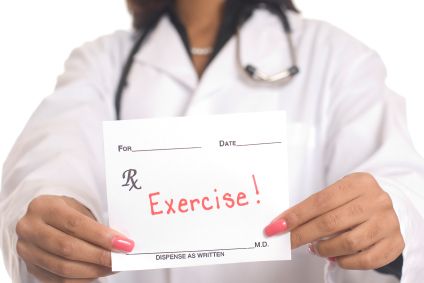
Exercise, like all prescriptions, only works if you use it as directed.

Earlier this week  I wrote about the Exercise is Medicine initiative and why physicians should prescribe exercise to all of their patients.

Despite the widely-known benefits of exercise, many physicians—and people in general—believe that chronic health conditions should be managed using medications, not  proper nutrition and physical activity. This is a misguided approach considering that weight gain and health conditions related to weight gain  accumulate over a period of years, resulting from eating too much combined with low levels of activity.

One reason that physicians are hesitant to prescribe exercise (and, similarly, good nutrition) is that in their experience, it doesn’t work. What they mean is that the results they see after recommending lifestyle modifications are typically not sufficient. So the assumption made by doctors and patients is that lifestyle modifications don’t work. But this is not necessarily the case

This debate comparing lifestyle modification with medical management of chronic diseases is familiar. Consider statins, the popular lipid-lowering medications that are currently among the most-prescribed drugs (examples include Lipitor, Zocor, Crestor and Vytorin). The effect of statin drugs on lowering blood lipids is significant in most patients. This, together with clever marketing to both patients and physicians, explains why they are so widely used.

It is possible to lower blood lipids as much as statins by carefully controlling diet and regular exercise, but it is difficult. How difficult depends on the individual, but everyone would agree that successful lifestyle modification takes more effort and dedication than taking a pill. In order for any treatment to work, it has to be followed. A patient who doesn’t follow their diet or exercise program is no different from a patient who doesn’t take their medication as directed. In both cases, the response to the treatment will fall short of expectations.

If someone didn’t take their statin medication and their blood cholesterol didn’t go down, no one would label the drug a failure. The medication may well have worked if the patient took it. But people routinely claim that diet and exercise don’t work, when the real problem is that these treatments aren’t followed. This could be because the patients weren’t provided with appropriate and actionable information or because they didn’t faithfully follow the instructions they were given.

The problem isn’t that lifestyle modification isn’t effective, it’s that people don’t implement healthy changes for the long-term. Whereas a statin drug results in rapid changes, the benefits of behavior change are realized more slowly. This can lead to the incorrect conclusion that diet and exercise aren’t working, even though they are.

In reality, medication can be part of a treatment plan, but should not be the only prescription.  Long-term health benefits come from changing eating and activity patterns. Medications should be used as a  “jump start” to treating a condition, with a goal of developing a new way of eating and regular activity as the long-term treatment.

For example, medications like statins can lower cholesterol quickly. Then, lifestyle changes can keep the cholesterol down, reducing the need for the drug. Since side effects depend on the dose and duration of treatment, this approach would reduce the risk of potentially dangerous side effects.

For many patients, lifestyle changes are effective on their own, meaning the medication isn’t necessary. And consider this: maintaining a healthy body weight, proper nutrition, and regular exercise has been proven to be the best—and at this point, only—way to prevent most of the health problems most of us will face. Good nutrition and physical activity really are the best medicine!

Go green for Earth Day

As Earth Day approaches we should think about the impact we have on our environment. We should also think about what we can do to reduce that impact. The good news is there are ways we can “go green” that are good for our health and the health of our planet, as I explain in my Health & Fitness column in the Aiken Standard this week.

Bicycle commuting


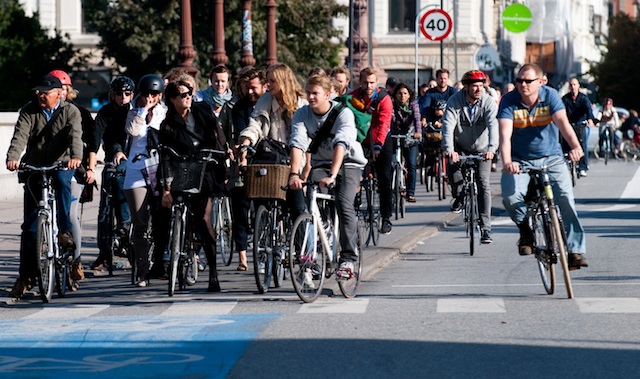
First, you can go green by replacing car trips with walking or cycling. Every mile you drive releases carbon dioxide and other pollutants into the environment. Additionally, spending more time sitting in your car can also have negative effects on your health and happiness. Walking or biking has no such effects on the environment and has important health benefits including improved fitness, weight control, and greater feelings of wellbeing. Despite the potential environmental and health benefits of replacing car trips with active transportation, 37% of Americans report not walking for transportation at all in a given week.

Obviously, walking or biking everywhere isn’t practical. But you could probably replace some car trips with active transportation. Most people commute less than five miles to work and nearly half of all car trips are less than two miles. Both are reasonable distances to bike or walk. If you have several places to go, you can always park in a central location and walk to each destination.

The second way you can go green is by eating more vegetables and fruits. Fruits and vegetables contain vitamins, minerals, and fiber and most are low in calories. At a minimum, you should eat five servings per day with an emphasis on fresh fruits and vegetables. You should also try to buy from area farmers. Eating locally grown food is good for you and the environment. Food production and delivery is second only to cars for fossil fuel use  and is the biggest contributor to greenhouse gas emissions. Did you know that the food items that make up a typical meal travel 22,000 miles to get to your table? Food from local farms is associated with fewer “food miles” and a lower environmental footprint.

Additionally, produce grown locally is picked at the peak of freshness, meaning it is richer in nutrients, not to mention flavor. By contrast, produce that is grown far away is picked before it is ripe, resulting in lower nutritional value. As an added benefit, the money you spend on food from local farms stays in our area, supporting farmers who live in our community.

Since you are eating more veggies, you can eat less meat. Raising animals for meat, milk, and eggs has a major impact on the environment. Over a quarter of land is dedicated to raising livestock, and almost 15% of total greenhouse gas emissions come from livestock. These animals also produce tons of manure every minute, at least some of which ends up polluting water supplies.

Finally, you can literally “go green” when you exercise. Being active outdoors leads to enhanced feelings of energy and diminished fatigue, anxiety, anger, and sadness compared to similar activity conducted indoors. Additionally, some research suggests that outdoor activity may improve attention in adults and children. Another advantage of exercising outdoors is that you might get a better workout because you will likely walk or run faster outdoors. Research shows that even though people tend to exercise at a higher intensity outside, it may feel easier. Much of the psychological benefit of outdoor exercise occurs in the first five minutes, so even short bouts of activity, like walking instead of driving a short distance, are meaningful.

So, as you celebrate Earth Day this week, think about all the ways you can go green—it’s good for you and the environment.

Driving yourself to the doctor.

Have you ever thought about how much time you spend in your car? On average, Americans face a 50-minute round-trip drive each day just for their jobs, and nearly thee-quarters of commuters drive alone. In suburban and metropolitan areas the commute can be much longer. Even in Aiken the average commute time is about 23 minutes. When you include driving to work, taking the kids to school, and doing errands, sitting in a car can easily account for an hour or more each day.

You can find the average commute time in your area using this really cool interactive map from WNYC.

You are probably very aware of the time you spend in the car. What you may not know is that sitting in your car can also have negative effects on your health and happiness. This is the conclusion of several studies that examined the relationship between commuting time and indicators of health. One of these studies suggests that vehicle miles traveled is a strong predictor of obesity. In another study, commuting a greater distance was associated with lower levels of physical activity and fitness as well as a higher waist circumference and blood pressure.

This makes sense because spending more time sitting in your car means you have less time to dedicate to being physically active, something we know is good for your health. Add to that the fact that driving is sedentary. There is accumulating evidence that spending more time sitting in the car, at work, or at home is a predictor of poor health, regardless of how active you are the rest of the day.

It gets worse. Many people eat in their cars during long commutes. Much of the time these “meals” consist of fast food and other prepackaged foods—not many people eat salads while they drive! Since these foods are typically of questionable nutritional quality and high in calories, this alone can contribute to obesity and poor health. The combination of inactivity and eating behind the wheel can easily shift the balance toward weight gain. Plus, eating while you drive is dangerous!

Beyond the direct impact on health through eating and activity behaviors, commuting alone in a car is a form of social isolation. Research suggests that this can lead to depression, itself an important factor leading to poor health.

The problems with long commute times are well established and easy to appreciate. Unfortunately, the solutions are not. Most people can’t move in order to have a shorter commute and relying on public transportation isn’t practical or even possible for many people, especially in our area. Replacing driving a car with active modes of transportation simply isn’t practical.

Aside from the time requirement—imagine how long a 25 minute drive would take on a bike or on foot!—our environment doesn’t adequately support active travel. Being able to walk or bike requires access to safe bike lanes and sidewalks that connect people’s homes to work, school, and other destinations. Even public transportation increases activity over driving and enhances social connections. Sadly, this infrastructure doesn’t exist in most communities, which were built to support cars, not people.

But we can take steps to undo some of the damage that so much driving can cause. Making activity at other times of the day a priority is a good start. This could include exercise at the gym, going for a walk, or even yard work or housework. When possible, replace car trips with walking or biking. Planning these activities with others can strengthen social connections as well as improve health and fitness. Finally, act as an advocate for changes in the community that will make active transportation more realistic.

Numbers you need to know to prevent and treat heart disease.

February is American Heart Month, an ideal time to assess your risk of heart disease and take steps to improve your health. When it comes to heart disease, there are several numbers, including your blood pressure, cholesterol, and glucose, you (or your doctor) may be monitoring. But there is another set of numbers that are equally important for preventing and treating heart disease that you may not be familiar with: 0, 5, 10, 25, and 30.

What these numbers mean and why they are so important is the topic of my Health & Fitness column in the Aiken Standard this week.


Blood test results

0 is for no smoking. Cigarette smoking more than doubles your risk of heart disease and stroke, is by far the leading cause of lung cancer and other lung diseases, and is responsible for over 400,000 deaths per year. If you smoke, quitting now is one of the most important things you can do to improve your health. Nicotine replacement therapy in the form of gum, lozenges, and patches as well as prescription medications can help, but quitting really does require serious dedication. It’s well worth the effort and some benefits of quitting can be realized almost immediately.

5 is for eating five fruits and vegetables each day. A healthy diet is one important aspect of good health. While there is no one single measure of a healthy diet, adequate fruit and vegetable consumption is widely considered to be essential for good health. Fruits and vegetables contain vitamins, minerals, and fiber and most are low in calories. At a minimum, you should eat five servings per day with an emphasis of fresh fruits and vegetables. Your real goal should be to include fruits and vegetables in all meals and snacks, but five servings per day is a good start.

10 is for 10,000 steps per day. Regular physical activity is essential for good health. Almost any activity counts, and a good goal is to be as active as possible throughout the day. You can track your physical activity using a pedometer (step counter) or an app on your phone. A target of 10,000 steps per day is a commonly cited goal, but you should try to take as many steps as possible. You can do this by minimizing the time you spend sitting, taking the stairs instead of the elevator, and walking instead of driving when possible. More steps are better, even if you don’t get to 10,000.

25 is for maintaining a healthy body weight, or a body mass index (BMI) of less than 25. The BMI is a measure of weight relative to height. A BMI of 18–25 is considered healthy, 25–29 is considered overweight, and 30 and higher is considered obese. The risk of health problems like diabetes, heart disease, and some cancers goes up with BMI, so maintaining a healthy body weight is good for your health. If you are overweight you should lose weight, even if you don’t achieve a BMI of less than 25.

30 is for 30 minutes of exercise per day. In addition to being as active as possible throughout the day, you should dedicate a minimum of 30 minutes for exercise or other activity. Considerable research shows that as little as 30 minutes of moderate to vigorous activity leads to improved fitness and health with greater benefits coming from longer duration or higher intensity activity. This can include exercise—a brisk walk or jog, lifting weights, or other aerobic exercise—as well as other activities like housework and yard work. Your goal should be to sit as little as possible, move as much as possible, and make time each day to be active.

It’s about time.

My Health & Fitness column in the Aiken Standard this week is about time—why dedicating adequate time is essential for exercise and weight loss success and suggestions for how to spend your time to achieve health and fitness goals.


Improving your health through diet, exercise, and weight loss takes motivation and dedication. It also takes time. This includes time to learn about what you should (and shouldn’t) do as well as the time needed to modify these health habits. For many, the problem isn’t knowing what to do or how to get started, it is finding the time to stick with the program. In fact, the number one reason why people abandon their diet and exercise routine is lack of time.

Given that most people are busy—maybe too busy—with work, family, and other responsibilities, finding time to focus on health isn’t easy. But it is important, so the first step should be dedicating your time wisely to meet your goals. This involves time for planning, taking action, and monitoring your progress. In short, you should treat your diet or exercise program like a project, rather than an “extra” activity.

This idea is supported by behavior change research, workplace productivity programs, and the practical experience of real people who have gone through this process. Here are a few suggestions to help you dedicate the time you need to achieve your health and fitness goals.

Before you begin. Any health behavior change should begin with identifying what you want to change, setting realistic goals, and determining what information, resources, and support you will need. For example, if you want to lose weight you should have a goal weight and timeline in mind. You should also set both short-term (weekly) and long-term (monthly or longer) goals.

This is also a good time to determine when and how you will put your plan into action. If you need information about what to eat or decide to join a gym to exercise, put those components in place now. Looking at your calendar and scheduling time for preparing meals and daily exercise or making a weekly menu of meals and a grocery list before you go to the store are good ways to invest your time.

Getting started. Once you have yourself organized, it is time to begin! Hopefully, this is a bit easier since you planned ahead, but keep in mind that you will continually need to revisit and modify your plan. This is important because a major reason why people don’t succeed is that they don’t allow flexibility in their plan. Once things go awry, they give up. The key is to keep moving forward, even if the progress is slow.

Keeping track of your weight or a record of what you eat or what you do for exercise is a simple way to monitor your progress. Linking progress to rewards is important for keeping you motivated, but make sure the rewards are consistent with your goals.

Sticking with it. While starting a diet or exercise program can be challenging, it is also exciting and seeing progress can be motivating. The trick is to maintain that progress over time, especially when you aren’t seeing such big improvements. Knowing that things will not always go as planned can help you avoid a bad day or week from ruining your success. This is why dedicating time to thinking about “what if” scenarios and coming up with back-up plans is essential.


The secret to lasting weight loss or maintaining an exercise program isn’t so much the details of the program but spending the time to plan, get off to a good start, and maintain the changes you decide to make. In the end, it’s about the time you dedicate to developing healthy habits.


The five pillars of good health

What does it really take to live a healthy lifestyle? This is the topic of me Health & Fitness column in the Aiken Standard this week.


Confusing and conflicting information can make improving your health especially challenging. Some advice is straightforward—quit smoking, for example. But other recommendations, especially those regarding nutrition and exercise, are less clear. In an effort to stay focused on the “big picture” I have created what I call the Five Pillars of Good Health. These are five habits that are the basis for achieving and maintaining good health.

Don’t Smoke.

Smoking doubles your risk of heart attack and stroke and is the leading cause of lung cancer. Second-hand smoke can affect the health of others, so these risks are not limited to the smoker.

If you smoke, quit now…no excuses! Newer prescription medications and over-the-counter nicotine replacement products can help, but quitting will require dedication, effort, and support.

Eat Smart.

Good nutrition is essential for preventing and treating most chronic diseases including obesity, diabetes, and heart disease. Perhaps the best way to cut through the conflicting nutrition information and diet claims is to simplify healthy eating to it’s most basic form: Eat real food, not processed “food.”

This isn’t easy, of course. One sure way to make better choices is to limit added sugars and salt, which are almost always present in processed foods. Strive to eat more whole fruits and fruit juices, vegetables, whole grains, legumes (like beans), lean meat, dairy, and nuts. If weight loss is a goal for you, reducing portion sizes will absolutely help you cut calories.

Move More.

This is a three-step process. First, sit less. Limit sedentary time at work and home and make opportunities to get up and move. The health effects of prolonged sitting are similar to not exercising. If you find yourself in stuck a chair for an hour, at least get up and stretch for a minute.

Second, move more. Look for ways to add activity to your everyday routine. This can include yard work and house work as well as using the stairs and parking further away in parking lots. Every additional step counts!

Third, dedicate time to be active every day. This can include activity such as taking the dog for walk as well as more structured exercise that includes endurance, resistance, and flexibility training. Strive for 30 minutes per day, but know that more is better.

Chill Out.

Chronic stress can have a powerful effect on your health. While it is not possible to eliminate all stress from your life, you should dedicate yourself to identifying and modifying sources of stress at work and home and learning to control your stress response.

Much of the stress of life comes down to not having enough time. Good time management, planning carefully, and setting priorities will certainly help reduce both long and short-term stress. You should also know that inadequate sleep adds to the health effects of stress, so strive to get enough sleep.

Make It Work For You.

This is the tricky part—how to actually make these changes. The first step is to make good health a priority and dedicate time and energy to your efforts. No doubt you have tried some of these changes before, you probably have an idea of what does and doesn’t work for you. Try something different this time around. The support of others is essential, so don’t be afraid to ask for help. Get your friends and family involved, too. They will certainly benefit from joining you on your journey toward better health.


Not sure where to begin to improve your health? A guide to taking the first step

If you are thinking about losing weight, becoming more active, or quitting smoking you are not alone. These are three of the most common health-related New Year’s resolutions. Considering that two-thirds of American adults are overweight, about half don’t meet minimum recommendations for physical activity, and one in five smoke, there are many people who need to change more than one of these behaviors.

Quitting smoking and changing eating and exercise habits to lose weight or improve fitness are among the most difficult behavior changes to make, especially at the same time. Some people focus on one change to begin with.

Obviously, changing all three of these behaviors is ideal, but if you are only willing to change one, which should you take on first to have the biggest impact on your overall health? This is the topic of my Health & Fitness column in the Aiken Standard this week.

You might think that quitting smoking would be the most important change to make initially. Smoking is the primary cause of lung cancer and other respiratory diseases such as emphysema and chronic bronchitis. Smoking also increases the risk of most other cancers and is a major contributor to heart attacks and strokes. Quitting smoking greatly reduces these risks with beneficial changes that begin within days of quitting. Despite this, if you only want to change one behavior, smoking isn’t the place to start.

Being overweight is a leading cause of diabetes, high blood pressure, heart disease, and some cancers. If you are overweight, losing just 10% of your body weight (20 lbs. for a 200 lb. person) can significantly reduce the severity of these conditions. Maintaining a healthy body weight can prevent many of these health problems. However, losing weight is not the first change you should make.

It turns out that becoming physically active is the most important change you can make to improve your overall health. Decades of research show that regular physical activity reduces the risk of most chronic diseases including diabetes, heart disease, and some cancers and can extend the lifespan by up to five years. In fact, the health risks of inactivity are equal to or greater than that of obesity or smoking. Regular activity also improves muscular strength, aerobic fitness, bone density, cognitive function, and memory. There is no other single intervention—drugs included—that has as many health benefits.

Research also shows that the negative health effects of being overweight and obesity are, in part, caused by inactivity and poor fitness. If you are overweight but physically fit, your risk of death is lower than if you are at a “healthy” weight but unfit. Regular exercise can reduce the risk of diabetes in people who are overweight, whether they lose weight or not. Furthermore, studies of “successful losers” show that daily exercise is a requirement for long-term weight loss, so becoming active now can help you lose weight later.

You should change all three of these behaviors to achieve optimal health. But if you are looking for an initial step that will have the biggest impact, start by becoming more active. A good initial goal is to reduce the time you spend being sedentary (sitting) and to get a minimum of 30 minutes of moderate-intensity activity, such as a brisk walk, each day. You can get greater benefits by participating in more intense exercise, including strength training, three or more days per week. And once you have established a routine of regular activity you will be ready to make other health changes.

Advice for staying healthy for the holidays

Now that Thanksgiving is behind us, the holiday season is in full swing. At the same time, though, we are in the midst of cold and flu season. In addition to the natural spread of cold and flu viruses at this time of year, the holiday season itself, with hectic schedules, stress, and lack of sleep, can weaken your immune system making you more susceptible to getting sick.

The good news is that there is much you can do to keep yourself healthy for the holidays. This is the topic of my Health & Fitness column in the Aiken Standard this week.

For starters, getting a flu vaccine is the most sensible thing you can do to prevent seasonal influenza (flu). If you haven’t gotten your flu shot yet, it’s not too late. I have written about flu previously, including the fact that exercise may make your flu vaccine even more effective!

Another basic step in preventing sickness is to wash your hands regularly. Soap and water is best, and there is no additional benefit in using an antibacterial soap. If you can’t wash your hands, an alcohol-based hand sanitizer is an acceptable alternative. Keep in mind that hand sanitizers don’t actually clean your hands and aren’t as effective if your hands are dirty.

Cold and flu viruses are spread through the air when an infected person coughs or sneezes, so avoiding close contact with people who are sick is important. If you are sick, you should stay away from others as much as you can. Cover your mouth and nose with a tissue or cough or sneeze onto your sleeve to help keep the germs from spreading through the air or on your hands.

You can also be exposed to cold and flu viruses by touching something with virus on it (a doorknob, for example) and then touching your nose, mouth, or eyes. You can protect yourself by not touching your face and by washing your hands frequently.

People who participate in moderate exercise on a daily basis have fewer and less severe colds than people who aren’t regularly active. This is because exercise has the effect of stimulating the immune system, making it better able to respond when you are exposed to cold or flu viruses.

More exercise isn’t always better, though. Research shows that immune function is depressed in the weeks after running a marathon, leading to an increased risk of becoming sick. Athletes who engage in vigorous and prolonged training also tend to be more susceptible to upper respiratory infections. The bottom line is that regular exercise improves your immune system, but very vigorous exercise may not.

Good nutrition is also essential for optimal immune system function. Deficiencies of certain nutrients can have a negative effect on immune function, so eating a balanced diet is essential. That said, there is no support for “boosting” the immune system by taking high doses of vitamins, minerals, or other supplements, despite the claims made by supplement companies.

You can get benefits from two more common-sense recommendations: getting adequate sleep and reducing stress. Poor sleep habits are associated with suppressed immunity and more frequent illness. High levels of stress increase susceptibility to colds and flu and can lead to more sick days from work or school. Stress and poor sleep habits tend to occur together, creating a double negative effect on the immune system.

By taking these steps, you can improve your chances of celebrating the holidays in good health. As a bonus, eating a healthy diet, exercising every day, managing your stress, and getting enough sleep will give you a head start on what are likely to be New Year’s resolutions.


Chill out! Why less stress is essential for good health.

Chronic stress can have serious emotional, psychological, and physiological effects that lead to or exacerbate many health problems. While it is impossible to avoid all stress in life, minimizing stressors and managing the way you respond to stress can have important benefits. Regular exercise, including yoga, managing time better, and getting enough sleep, can help with minimizing your feelings of stress as well as the effects it has on your body.

The importance of stress management and getting enough sleep is the topic of my Health & Fitness column in the Aiken Standard this week.


Chronic stress can have serious emotional, psychological, and physiological effects that lead to or exacerbate many health problems. In fact, the negative health effects of chronic stress are similar to those of eating a poor diet or not getting enough physical activity. That said, managing stress, including getting enough sleep, is often overlooked as a key component of good health.

The word “stress” is typically used to indicate both the feeling of being “under a lot of stress” as well as the things that cause that feeling. The events and situations that cause stress are properly called stressors, which lead to a stress response that includes consequences we feel as well as physiological changes we may not notice.

The immediate effect of a stressor is called the “fight or flight” response since it prepares the body to deal with a dangerous situation. A classic example of this is a caveman who encounters a saber-tooth tiger, clearly a stress-inducing event.

The sympathetic nervous system is immediately activated, which raises heart rate and blood pressure to pump more blood to the muscles. Additionally, stored fat and carbohydrate fuels are broken down as fuel for the muscles. The adrenal glands release catecholamines (adrenaline) and cortisol (the stress hormone) to prolong and enhance this effect. This coordinated response makes sure the caveman’s body is ready for action. After the danger passes, everything returns to normal.

This physiological response is appropriate for major events like saber-tooth tiger encounters, but not for less perilous stressors like being stuck in traffic, pressure at work and home, or other personal and family issues. But the body responds with the same increase blood pressure and hormones to them all. Unlike a rare saber-tooth encounter, these stressors tend to occur on a daily basis, leading to continuous stress response.

The increase in hormones can lead to high blood pressure, obesity, type 2 diabetes, and other chronic diseases. This is partly due to elevated levels of cortisol, a hormone that plays a role in storing fat and increasing appetite. While elevated cortisol during exercise (including running away from a saber-tooth tiger) is normal, chronic overproduction can have negative effects.

While it is impossible to avoid all stress in life, minimizing stressors and managing the way you respond to stress can have important benefits. To the extent that it is possible, avoiding stressful situations through better time management, setting realistic expectations for ourselves and with others, and learning to say “no” are common recommendations.

Learning how to deal with stressors to avoid the negative effects of stress is also important. Techniques that can be implemented in the heat of a stressful moment include taking a break from the situation, listening to calming music, and progressive relaxation. Even taking a deep breath can help.

Exercise has long been recognized as beneficial for reducing stress and the long-term effects of stress on your health. This includes doing something active during a stressful situation and exercising regularly to improve the way your body responds to stress. While all forms of exercise seem to work, much research and practice has focused on specific types of exercise including yoga and Tai Chi.

Other effective strategies traditionally include meditation and relaxation exercises. More and more research shows that getting enough sleep is also critical for reducing stress and the impact it has on your health. Eating a healthy diet can reduce the effects of stress as well.

The bottom line is that a healthy lifestyle includes stress management as well as a good diet and regular activity. Since all three are essential for good health, it would be wise to eat smart, move more, and chill out!

What parents and schools can do to make sure kids are ready to learn

Physical activity and good nutrition have long been recognized as essential for promoting good health in adults and children. More and more research suggests that these health behaviors can have beneficial effects beyond health, including how we perform both physically and mentally. The emphasis here is on children in school, but it applies to adults, too.

Unfortunately, taking time for activity and good nutrition is seen as a luxury or a distraction to learning in most schools. Far from being a distraction, physical activity and healthy eating are prerequisites for learning and academic achievement. In short, these often ignored factors can help make sure children are ready to learn.

Regular physical activity is essential for good health, growth, and physical development, including maintaining a healthy body weight. This last point is important given the epidemic of childhood obesity and related health problems, including “adult” diseases like high blood pressure and type 2 diabetes.

Current recommendations call for all children to get at least 60 minutes of activity per day. This can include activity at school from physical education classes, recess, other classroom activities as well as games, sports, and unstructured play. Unfortunately, most kids don’t get nearly enough activity at school and many aren’t active at home.

Physical activity is also important for academic performance. Research shows that children who participated in an activity program had better executive control, which includes resisting distractions and maintaining focus, improved memory, and doing better switching between tasks. This is particularly relevant for children with ADHD, but the effects can be seen in all kids. These positive changes can maximize class time and lead to improvements in academic achievement, especially math and reading test scores.

Similarly, good nutrition is also essential for health, growth, development, and academic achievement. Eating a good breakfast improves cognitive function, alertness, and academic performance in students of all ages. It should be no surprise, then, that skipping breakfast impairs cognitive function and academic achievement. This is one reason that many schools offer breakfast to start the day or include a healthy mid-morning snack.

The same is true for lunch, too. A good lunch can support learning in the afternoon and gives a chance to teach kids about good nutrition by providing healthy food that, unfortunately, many children may not get at home.

Schools have a unique opportunity to use physical activity and nutrition to promote health, support academic achievement, and teach healthy habits. Since formal nutrition education is missing from most curriculums and PE programs are being reduced or cut completely, schools must be creative to incorporate these essential subjects.

A way around this problem is to make sure children get a chance to move and play, ideally multiple times during the day. This is what recess is for. Teachers can also incorporate activity and nutrition education in the classroom and get away from the idea that kids must be sitting still to learn. As research shows, quite the opposite is true!

Schools are often hesitant to teach about nutrition and activity because it is thought of as a responsibility of parents, not schools. But most parents don’t teach these good habits at home, which affects what happens at school. Despite the obvious benefits, it will probably take years of effort to change this view.

In the meantime, parents can encourage their kids to be active and make smarter food choices at home so they are ready to learn in school.