Tag Archives: obesity

Affordable care acts

The Affordable Care Act is in the news again, this time because the U.S. Supreme Court recently ruled on the legality of subsidies offered to help people afford health insurance. Health care has long been an important and contentious topic in both political and social circles. Given the importance that accessing quality health care has for everyone, it is unfortunate that promoting good health has turned into a political debate.

In addition to expanding access to health care, the Affordable Care Act should also make it easier for people to get preventive care. This is important since preventable chronic diseases including diabetes and heart disease, are among the leading causes of disability and death as well as contributing to high health care costs. It turns out that adopting some simple lifestyle modifications can go a long way toward making you and your family healthier, as well as saving money.

This is the topic of my Health & Fitness column in the Aiken Standard this week.

2013-10-24 15.59.46


Here are a few affordable care acts you can implement today:

1. Move more

Significant health benefits, including weight loss and improved fitness, can be achieved with as little as 30 minutes of activity per day, but more is better. The activity doesn’t have to be “exercise.” It can include walking the dog, yard work, or house work. Research shows that sitting too much is just as unhealthy as not exercising. Spending less time sitting at work, home, or in the car is another easy way to improve health. And getting up and moving for even a few minutes is better than staying seated for long periods of time. Every little bit of activity really does count.

2. Eat smart

Making dietary changes can be difficult, but a few simple changes can lead to big benefits. Eating more real food including fruits, vegetables, whole grains, and lean meats and less added sugar is a good place to start. Fresh fruits, vegetables, and whole grain bread, pasta, and cereals are rich in vitamins, minerals, and fiber and most are low in calories. Eating less added sugar in sweets and processed foods can help you cut down on calories and lead you toward healthier food choices. Controlling portion sizes plays as big of a role in weight gain and loss as the types of food you eat, so pay attention to how much you eat, especially when you eat out. Chances are, it is more than you think!

3. Chill out.

Reducing and managing stress is essential for good health. Uncontrolled stress can lead to high blood pressure, poor immune function, and weight gain. Daily exercise will help, as will using stress management techniques like progressive relaxation. When you can, avoiding stressful situations is wise. Taking time to do something you enjoy each day is a good idea, too. Getting enough sleep (most adults require 7–9 hours) is also important for good physical and mental health.

4. Don’t smoke

Cigarette smoking more than doubles your risk of heart disease and stroke, and is by far the leading cause of lung cancer and other lung diseases. If you smoke, quitting now is one of the most important things you can do to improve your health—and the health of those around you. Nicotine replacement therapy and prescription medications can help, but quitting really does require serious dedication. It’s well worth the effort and the benefits of quitting can be realized almost immediately.

Regular activity, quitting smoking, managing stress, and the types of dietary changes described here can have a profound effect on preventing and treating many health problems. Best of all, these affordable care acts are basically free to implement and can lead to both health and financial savings now and in the future.


Nutrition, exercise, and health information can be confusing. 
But it doesn't have to be that way.
What can I help you with?
 drbrianparr@gmail.com | http://twitter.com/drbrianparr
Are your pants making you fat?

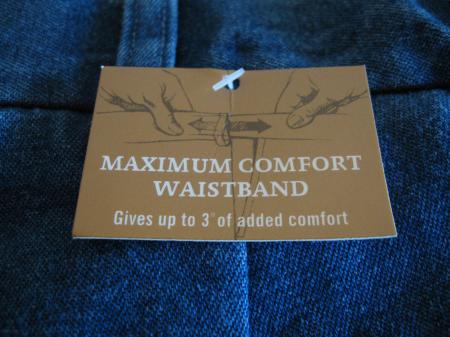
If you have purchased new pants recently you may have noticed that they have an adjustable or expandable waist. Some men’s pants include up to two extra inches to allow you to “flex” or “move more freely.” Women’s pants might have elastic hidden in the waist band for extra “stretch.” While these pants are designed to be comfortable, they could be making you fat!

This is the topic of my Health & Fitness column in the Aiken Standard this week.

Fat_pants


Most people gain weight as they age, typically a slow process that may not be immediately noticeable. If you have pants with a two-inch expandable waist you could easily gain weight while still wearing the same pants size. In fact, you could gain two inches of fat around your waist before you noticed. For many people, tight-fitting pants are a signal that they may have gained a few pounds. If you miss that cue you could easily gain significant weight, which requires a significant effort to fix.

This might sound like a minor issue, but external cues like this are important to help us recognize weight gain. In a classic example, a man puts on his favorite suit for the first time in over a year to find that the pants are too tight. Immediately he realizes that he has gained weight since he last wore the suit. Imagine, though, if his suit pants stretched to accommodate his larger waist. He might still think that, since the pants still fit, he hasn’t gained any weight.

This is important since people typically gain weight little by little over time, which may not be appreciated without these external cues. One way to prevent surprise weight gain is to weigh yourself regularly so that you can make adjustments to your diet and activity to prevent further weight gain. In fact, one common characteristic of the “successful losers” in the National Weight Control Registry is that they weigh themselves at least once a week. This is important because it’s easier to make adjustments to lose weight that’s gained in a week versus weight that is gained over a month or more.

This is also why people who lose weight should get rid of their “fat clothes.” Typically, these clothes get pushed to the back of the closet. But they are still readily available, so when the person regains some of the weight, it is easy to reach for a larger size. If those clothes had been packed away in a box in the attic, retrieving and unpacking them would be a noticeable sign that they had gained weight and may motivate them to get back on track.

Even small changes to our diet and activity patterns can lead to weight gain over time. Since this weight gain can often go unnoticed, it is important that we pay attention to external cues. The way our clothes fit is one such reminder, but there are others. Do you notice that you feel more out of breath doing routine activities, like climbing a flight of stairs? Is it more difficult to bend over and tie your shoes? These are both signs that your fitness may be declining and that it is time to start exercising.

These cues are easy to ignore, but they are important signs that it is time to make changes to your diet and activity habits. It is even easier to prevent weight gain or to stay fit than it is to lose weight or get in shape. So, don’t let your pants trick you! Pay attention to how your clothes fit and how you feel and use these cues to guide you to maintain good health.


Nutrition, exercise, and health information can be confusing. 
But it doesn't have to be that way.
What can I help you with?
 drbrianparr@gmail.com | http://twitter.com/drbrianparr


Exercise, like all prescriptions, only works if you use it as directed.

Earlier this week  I wrote about the Exercise is Medicine initiative and why physicians should prescribe exercise to all of their patients.

Despite the widely-known benefits of exercise, many physicians—and people in general—believe that chronic health conditions should be managed using medications, not  proper nutrition and physical activity. This is a misguided approach considering that weight gain and health conditions related to weight gain  accumulate over a period of years, resulting from eating too much combined with low levels of activity.

One reason that physicians are hesitant to prescribe exercise (and, similarly, good nutrition) is that in their experience, it doesn’t work. What they mean is that the results they see after recommending lifestyle modifications are typically not sufficient. So the assumption made by doctors and patients is that lifestyle modifications don’t work. But this is not necessarily the case

This debate comparing lifestyle modification with medical management of chronic diseases is familiar. Consider statins, the popular lipid-lowering medications that are currently among the most-prescribed drugs (examples include Lipitor, Zocor, Crestor and Vytorin). The effect of statin drugs on lowering blood lipids is significant in most patients. This, together with clever marketing to both patients and physicians, explains why they are so widely used.

It is possible to lower blood lipids as much as statins by carefully controlling diet and regular exercise, but it is difficult. How difficult depends on the individual, but everyone would agree that successful lifestyle modification takes more effort and dedication than taking a pill. In order for any treatment to work, it has to be followed. A patient who doesn’t follow their diet or exercise program is no different from a patient who doesn’t take their medication as directed. In both cases, the response to the treatment will fall short of expectations.

If someone didn’t take their statin medication and their blood cholesterol didn’t go down, no one would label the drug a failure. The medication may well have worked if the patient took it. But people routinely claim that diet and exercise don’t work, when the real problem is that these treatments aren’t followed. This could be because the patients weren’t provided with appropriate and actionable information or because they didn’t faithfully follow the instructions they were given.

The problem isn’t that lifestyle modification isn’t effective, it’s that people don’t implement healthy changes for the long-term. Whereas a statin drug results in rapid changes, the benefits of behavior change are realized more slowly. This can lead to the incorrect conclusion that diet and exercise aren’t working, even though they are.

In reality, medication can be part of a treatment plan, but should not be the only prescription.  Long-term health benefits come from changing eating and activity patterns. Medications should be used as a  “jump start” to treating a condition, with a goal of developing a new way of eating and regular activity as the long-term treatment.

For example, medications like statins can lower cholesterol quickly. Then, lifestyle changes can keep the cholesterol down, reducing the need for the drug. Since side effects depend on the dose and duration of treatment, this approach would reduce the risk of potentially dangerous side effects.

For many patients, lifestyle changes are effective on their own, meaning the medication isn’t necessary. And consider this: maintaining a healthy body weight, proper nutrition, and regular exercise has been proven to be the best—and at this point, only—way to prevent most of the health problems most of us will face. Good nutrition and physical activity really are the best medicine!

Driving yourself to the doctor.

Have you ever thought about how much time you spend in your car? On average, Americans face a 50-minute round-trip drive each day just for their jobs, and nearly thee-quarters of commuters drive alone. In suburban and metropolitan areas the commute can be much longer. Even in Aiken the average commute time is about 23 minutes. When you include driving to work, taking the kids to school, and doing errands, sitting in a car can easily account for an hour or more each day.

You can find the average commute time in your area using this really cool interactive map from WNYC.

You are probably very aware of the time you spend in the car. What you may not know is that sitting in your car can also have negative effects on your health and happiness. This is the conclusion of several studies that examined the relationship between commuting time and indicators of health. One of these studies suggests that vehicle miles traveled is a strong predictor of obesity. In another study, commuting a greater distance was associated with lower levels of physical activity and fitness as well as a higher waist circumference and blood pressure.

This makes sense because spending more time sitting in your car means you have less time to dedicate to being physically active, something we know is good for your health. Add to that the fact that driving is sedentary. There is accumulating evidence that spending more time sitting in the car, at work, or at home is a predictor of poor health, regardless of how active you are the rest of the day.

It gets worse. Many people eat in their cars during long commutes. Much of the time these “meals” consist of fast food and other prepackaged foods—not many people eat salads while they drive! Since these foods are typically of questionable nutritional quality and high in calories, this alone can contribute to obesity and poor health. The combination of inactivity and eating behind the wheel can easily shift the balance toward weight gain. Plus, eating while you drive is dangerous!

Beyond the direct impact on health through eating and activity behaviors, commuting alone in a car is a form of social isolation. Research suggests that this can lead to depression, itself an important factor leading to poor health.

The problems with long commute times are well established and easy to appreciate. Unfortunately, the solutions are not. Most people can’t move in order to have a shorter commute and relying on public transportation isn’t practical or even possible for many people, especially in our area. Replacing driving a car with active modes of transportation simply isn’t practical.

Aside from the time requirement—imagine how long a 25 minute drive would take on a bike or on foot!—our environment doesn’t adequately support active travel. Being able to walk or bike requires access to safe bike lanes and sidewalks that connect people’s homes to work, school, and other destinations. Even public transportation increases activity over driving and enhances social connections. Sadly, this infrastructure doesn’t exist in most communities, which were built to support cars, not people.

But we can take steps to undo some of the damage that so much driving can cause. Making activity at other times of the day a priority is a good start. This could include exercise at the gym, going for a walk, or even yard work or housework. When possible, replace car trips with walking or biking. Planning these activities with others can strengthen social connections as well as improve health and fitness. Finally, act as an advocate for changes in the community that will make active transportation more realistic.

Numbers you need to know to prevent and treat heart disease.

February is American Heart Month, an ideal time to assess your risk of heart disease and take steps to improve your health. When it comes to heart disease, there are several numbers, including your blood pressure, cholesterol, and glucose, you (or your doctor) may be monitoring. But there is another set of numbers that are equally important for preventing and treating heart disease that you may not be familiar with: 0, 5, 10, 25, and 30.

What these numbers mean and why they are so important is the topic of my Health & Fitness column in the Aiken Standard this week.


Blood test results

0 is for no smoking. Cigarette smoking more than doubles your risk of heart disease and stroke, is by far the leading cause of lung cancer and other lung diseases, and is responsible for over 400,000 deaths per year. If you smoke, quitting now is one of the most important things you can do to improve your health. Nicotine replacement therapy in the form of gum, lozenges, and patches as well as prescription medications can help, but quitting really does require serious dedication. It’s well worth the effort and some benefits of quitting can be realized almost immediately.

5 is for eating five fruits and vegetables each day. A healthy diet is one important aspect of good health. While there is no one single measure of a healthy diet, adequate fruit and vegetable consumption is widely considered to be essential for good health. Fruits and vegetables contain vitamins, minerals, and fiber and most are low in calories. At a minimum, you should eat five servings per day with an emphasis of fresh fruits and vegetables. Your real goal should be to include fruits and vegetables in all meals and snacks, but five servings per day is a good start.

10 is for 10,000 steps per day. Regular physical activity is essential for good health. Almost any activity counts, and a good goal is to be as active as possible throughout the day. You can track your physical activity using a pedometer (step counter) or an app on your phone. A target of 10,000 steps per day is a commonly cited goal, but you should try to take as many steps as possible. You can do this by minimizing the time you spend sitting, taking the stairs instead of the elevator, and walking instead of driving when possible. More steps are better, even if you don’t get to 10,000.

25 is for maintaining a healthy body weight, or a body mass index (BMI) of less than 25. The BMI is a measure of weight relative to height. A BMI of 18–25 is considered healthy, 25–29 is considered overweight, and 30 and higher is considered obese. The risk of health problems like diabetes, heart disease, and some cancers goes up with BMI, so maintaining a healthy body weight is good for your health. If you are overweight you should lose weight, even if you don’t achieve a BMI of less than 25.

30 is for 30 minutes of exercise per day. In addition to being as active as possible throughout the day, you should dedicate a minimum of 30 minutes for exercise or other activity. Considerable research shows that as little as 30 minutes of moderate to vigorous activity leads to improved fitness and health with greater benefits coming from longer duration or higher intensity activity. This can include exercise—a brisk walk or jog, lifting weights, or other aerobic exercise—as well as other activities like housework and yard work. Your goal should be to sit as little as possible, move as much as possible, and make time each day to be active.

Eat slow, then fast. How and when you eat may be as important as what you eat for weight control.

What you eat is an essential part of achieving and maintaining good health. What you may not know is that when and how you eat can be just as important. This is especially true if your goal is to lose weight.

My Health & Fitness column in the Aiken Standard this week describes  two ways that changing the way you eat can help you lose weight and keep it off. Neither of these are necessarily new ideas, but implementing them together may help you eat less.

First, eating more slowly can help you limit the amount of food you eat. Perhaps your mother admonished you to “slow down” at meals when you were young. This was good advice, for both practical and physiological reasons. In addition to controlling how much food you consume, eating more slowly is a good way to enjoy meals, both the food and the company, more fully.

You mother may also have told you to “chew your food.” too. This was probably to remind you to eat more slowly.  Almost 100 years ago Horace Fletcher recommended a process that involved chewing each bite of food 100 times. “Fletcherizing,” as it was called, was a way to reduce how much people ate, among other more dubious health claims.

There is a physiological reason to slow down, too. Your appetite is regulated by a host of factors, including the act of eating and the presence of food in your stomach. As you eat, your stomach fills. This triggers the release of hormones that signal your brain to reduce your appetite. The result is that as your stomach fills, you feel less hungry.

Once you start eating, it takes time for your stomach to release these hormones. Eating quickly, like many of us do, allows you to take in lots of calories before your brain gets the message that you are full. This is one factor that leads to overeating. But if you slow down at meals, you start to feel full before you eat as much. Research shows that this can lead to lower calorie intake during the meal.

Second, the time between meals may affect your metabolism in ways that result in less fat accumulation. Again, the concept of fasting between meals isn’t new, but recent research helps explain why eating less frequently may help prevent obesity and related conditions, including diabetes.

While this research was done using rats, the physiological concept may well apply to humans. In these studies, rats were put on a diet that included an overnight fast ranging from 8–12 hours. The researchers found that the rats that experienced a longer fasting period between meals had better insulin levels and less fat storage.

The reason for this seems to do with the gut microbiome, the bacteria that live in the intestine and play an important role in regulating metabolism. A longer period without food changes the nature of these good bacteria, promoting these benefits.

I first heard about this on Science Friday, which provides an excellent summary of this research.

It is unclear whether this same effect occurs in humans. Even without this evidence, adopting a fasting period between dinner and breakfast, which should be about 12 hours, seems prudent. At the very least, it will keep you from snacking in the evening, which almost certainly involves unhealthy choices.

An additional finding of this research is that the benefits of the 12-hour fast seem to persist, even through a day or two of more frequent eating. This is relevant, since many people do well to modify their eating habits during the week, but tend toward less restrained eating on the weekends. The fact that the benefits of an overnight fast most days of the week are maintained despite a “wild weekend” is good news!

The combination of what, when, and how you eat can make an important difference in how much you eat, the key to losing weight and keeping it off. As you try to make healthier food choices, consider eating more slowly and making dinner the end of your eating day.

It’s about time.

My Health & Fitness column in the Aiken Standard this week is about time—why dedicating adequate time is essential for exercise and weight loss success and suggestions for how to spend your time to achieve health and fitness goals.


Improving your health through diet, exercise, and weight loss takes motivation and dedication. It also takes time. This includes time to learn about what you should (and shouldn’t) do as well as the time needed to modify these health habits. For many, the problem isn’t knowing what to do or how to get started, it is finding the time to stick with the program. In fact, the number one reason why people abandon their diet and exercise routine is lack of time.

Given that most people are busy—maybe too busy—with work, family, and other responsibilities, finding time to focus on health isn’t easy. But it is important, so the first step should be dedicating your time wisely to meet your goals. This involves time for planning, taking action, and monitoring your progress. In short, you should treat your diet or exercise program like a project, rather than an “extra” activity.

This idea is supported by behavior change research, workplace productivity programs, and the practical experience of real people who have gone through this process. Here are a few suggestions to help you dedicate the time you need to achieve your health and fitness goals.

Before you begin. Any health behavior change should begin with identifying what you want to change, setting realistic goals, and determining what information, resources, and support you will need. For example, if you want to lose weight you should have a goal weight and timeline in mind. You should also set both short-term (weekly) and long-term (monthly or longer) goals.

This is also a good time to determine when and how you will put your plan into action. If you need information about what to eat or decide to join a gym to exercise, put those components in place now. Looking at your calendar and scheduling time for preparing meals and daily exercise or making a weekly menu of meals and a grocery list before you go to the store are good ways to invest your time.

Getting started. Once you have yourself organized, it is time to begin! Hopefully, this is a bit easier since you planned ahead, but keep in mind that you will continually need to revisit and modify your plan. This is important because a major reason why people don’t succeed is that they don’t allow flexibility in their plan. Once things go awry, they give up. The key is to keep moving forward, even if the progress is slow.

Keeping track of your weight or a record of what you eat or what you do for exercise is a simple way to monitor your progress. Linking progress to rewards is important for keeping you motivated, but make sure the rewards are consistent with your goals.

Sticking with it. While starting a diet or exercise program can be challenging, it is also exciting and seeing progress can be motivating. The trick is to maintain that progress over time, especially when you aren’t seeing such big improvements. Knowing that things will not always go as planned can help you avoid a bad day or week from ruining your success. This is why dedicating time to thinking about “what if” scenarios and coming up with back-up plans is essential.


The secret to lasting weight loss or maintaining an exercise program isn’t so much the details of the program but spending the time to plan, get off to a good start, and maintain the changes you decide to make. In the end, it’s about the time you dedicate to developing healthy habits.


Not sure where to begin to improve your health? A guide to taking the first step

If you are thinking about losing weight, becoming more active, or quitting smoking you are not alone. These are three of the most common health-related New Year’s resolutions. Considering that two-thirds of American adults are overweight, about half don’t meet minimum recommendations for physical activity, and one in five smoke, there are many people who need to change more than one of these behaviors.

Quitting smoking and changing eating and exercise habits to lose weight or improve fitness are among the most difficult behavior changes to make, especially at the same time. Some people focus on one change to begin with.

Obviously, changing all three of these behaviors is ideal, but if you are only willing to change one, which should you take on first to have the biggest impact on your overall health? This is the topic of my Health & Fitness column in the Aiken Standard this week.

You might think that quitting smoking would be the most important change to make initially. Smoking is the primary cause of lung cancer and other respiratory diseases such as emphysema and chronic bronchitis. Smoking also increases the risk of most other cancers and is a major contributor to heart attacks and strokes. Quitting smoking greatly reduces these risks with beneficial changes that begin within days of quitting. Despite this, if you only want to change one behavior, smoking isn’t the place to start.

Being overweight is a leading cause of diabetes, high blood pressure, heart disease, and some cancers. If you are overweight, losing just 10% of your body weight (20 lbs. for a 200 lb. person) can significantly reduce the severity of these conditions. Maintaining a healthy body weight can prevent many of these health problems. However, losing weight is not the first change you should make.

It turns out that becoming physically active is the most important change you can make to improve your overall health. Decades of research show that regular physical activity reduces the risk of most chronic diseases including diabetes, heart disease, and some cancers and can extend the lifespan by up to five years. In fact, the health risks of inactivity are equal to or greater than that of obesity or smoking. Regular activity also improves muscular strength, aerobic fitness, bone density, cognitive function, and memory. There is no other single intervention—drugs included—that has as many health benefits.

Research also shows that the negative health effects of being overweight and obesity are, in part, caused by inactivity and poor fitness. If you are overweight but physically fit, your risk of death is lower than if you are at a “healthy” weight but unfit. Regular exercise can reduce the risk of diabetes in people who are overweight, whether they lose weight or not. Furthermore, studies of “successful losers” show that daily exercise is a requirement for long-term weight loss, so becoming active now can help you lose weight later.

You should change all three of these behaviors to achieve optimal health. But if you are looking for an initial step that will have the biggest impact, start by becoming more active. A good initial goal is to reduce the time you spend being sedentary (sitting) and to get a minimum of 30 minutes of moderate-intensity activity, such as a brisk walk, each day. You can get greater benefits by participating in more intense exercise, including strength training, three or more days per week. And once you have established a routine of regular activity you will be ready to make other health changes.

Funny calorie math.

Have you ever heard that a few extra calories each day—an extra soda, for example—can add up to significant weight gain over time? Or that making small changes in what you eat, such as skipping dessert, can promote weight loss? If so, you are familiar with the concept of energy balance. And if you were ever surprised by those claims, you are familiar with what I call funny calorie math.

This is the topic of my Health & Fitness column in the Aiken Standard this week.

Your body weight at any time is determined by the balance between the energy you take in and the energy you expend. The “energy in” part is simple, it’s the calories in the food you eat.

Your energy expenditure is determined by your basal metabolic rate (BMR), the calories burned keeping you warm and alive, as well as the energy you expend in activity. Of these, the BMR accounts for the majority of your energy expenditure, but you have the most control over your level of activity.

According to this energy balance model, eating or drinking an additional 250 calories per day would add up to about one pound of weight gain every two weeks and 26 pounds after one year (using the rough estimate that to gain a pound requires 3500 extra calories.

+250 calories/day  x  7 days/week  =  1750 calories/week  =  3500 calories/2 weeks

3500 calories/2 weeks  x  1 lb. weight gain/3500 calories  =  1 lb. weight gain every two weeks  =  26 lbs. weight gain per year!

Calculations like this are common, typically used to point out how fattening a particular food or beverage can be. But the same principle can be applied in reverse to determine weight loss.

Example: Eat (or drink) and extra 250 calories per day

250 calories/day  x  7 days/week  =  1750 calories/week  =  3500 calories/2 weeks

3500 calories/2 weeks  x  1 lb. weight loss/3500 calories  =  1 lb. weight loss every two weeks  =  26 lbs. weight loss per year!

The same formula predicts that cutting back by 250 calories per day should lead to losing 26 pounds in one year. This idea is the basis for suggesting that making small changes to your diet can lead to significant weight loss over time.

You can do the same thing with physical activity, too. Adding a 45-minute walk, which burns approximately 250 calories, each day should lead to the same 26 pounds of weight loss in a year.

Example: walk 2.5 miles in 45 minutes each day, using the rough estimate that you will burn 100 calories per mile.

2.5 miles/day  x  100 calories/mile  =  250 calories/day

250 calories/day  x  7 days/week  =  1750 calories/week  =  3500 calories/2 weeks

3500 calories/2 weeks  x  1 lb. weight loss/3500 calories  =  1 lb. weight loss every two weeks  =  26 lbs. weight loss per year!

The assumption, of course, is that you aren’t changing anything else as you eat 250 fewer calories or burn an additional 250 calories per day through exercise. It would be relatively easy to offset the energy expended though a walk by even a small change in what you eat. This is the biggest weakness of this energy balance model—in order for it to accurately predict weight loss or gain, nothing else can change.

Unfortunately, this isn’t the way it really works. Changes in body weight through eating or exercise also lead to changes in total energy expenditure. As you lose weight, the total calories you burn in a day drops, mostly due to a decrease in BMR, since it is based on your body weight. The result is that over time you don’t lose weight as quickly. The exact opposite occurs with weight gain, which causes BMR to go up, limiting weight gain.

This leads to a different outcome: the extra 250 calories per day is likely to lead to a weight gain of closer to 10 pounds (maybe less) due to your BMR increasing as you gain weight over the year. And the estimation of weight loss will be different, too, given that BMR will drop slightly over time.

This is one of many reasons why exercise is important for weight loss. You can offset the lower BMR that occurs as you lose weight by increasing energy expenditure through activity. Additionally, regular exercise can add to the weight you lose through a diet and help keep the weight off later.

Don’t forget about breast cancer prevention!

October is National Breast Cancer Awareness Month and many local and national organizations are promoting breast cancer awareness, sharing information about the disease, and celebrating survivors. This month represents the most visible part of a year-round effort to educate about, screen for, and hopefully cure this devastating disease.

Of course, these are all worthy goals that deserve our attention and support. What is often missing are the steps women—especially young women—can take to reduce their risk for, or even prevent, breast cancer.

Approximately 1 in 8 women will develop breast cancer. The American Cancer Society estimates that around 300,000 new cases of breast cancer are diagnosed and nearly 40,000 women die from this disease each year. Breast cancer can occur in men, but these cases are rare, so the focus is rightfully on women.

Much attention is given to genetic factors that increase the risk of breast cancer. These include certain gene mutations, including BRCA1 and BRCA2, as well as family history. A woman who has a first-degree relative (mother, sister, or daughter) who has had breast cancer has nearly twice the risk of being diagnosed herself.

Considering that most women diagnosed with breast cancer have no family history, it is also important to try to reduce other modifiable risk factors. This involves making health behavior changes that are probably familiar to most people. The good news is that these changes can also reduce the risk of other cancers, cardiovascular disease, and most other chronic diseases.

Avoid tobacco use. While the results of studies of smoking and breast cancer are mixed, a conservative interpretation is that smoking may increase the risk. Smoking increases the risk of other cancers, especially lung cancer, as well as heart attack, stroke, and other lung diseases. Not smoking, or quitting now, is among the best health decisions a woman can make.

Consume alcohol in moderation. Women should limit their alcohol intake to one drink per day. Women who consume more than two drinks per day increase their risk of breast cancer by 20% over women who don’t drink.

Maintain a healthy body weight. Being overweight can increase the risk of breast cancer in post-menopausal women by 30–60%. Excess body fat can alter the levels of estrogen and other hormones. The good news is that losing as little as 10 pounds can reduce this risk.

Be physically active everyday. Regular activity and exercise can lower breast cancer risk by as much as 20%. In addition to helping with weight control, physical activity may lower the level of certain hormones that are associated with breast cancer. The biggest reduction in risk of breast cancer is seen in women who have been active their whole lives, but it is never too late to start.

Eat a healthy diet. The evidence from studies on the effect of diet on breast cancer risk is mixed, and more research is needed. In general, increasing fruit, vegetable, and whole grain intake and reducing red meat is associated with at least some decrease in breast cancer risk. These “healthy” foods are rich in vitamins, minerals, and other nutrients and eating more of these foods may lead to weight loss or prevent weight gain with age.

Every woman has a different breast cancer risk based on her unique family history, biology, and lifestyle. But by making some simple health behavior changes, all women can reduce their risk for, or even prevent, breast cancer and improve their overall health.