Tag Archives: fitness

The prescription your doctor should give you, but probably won’t.

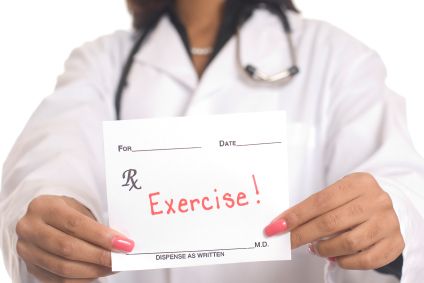
What if there was a prescription your doctor could give you that would lower your risk of heart attack, stroke, and most cancers? What if that prescription could also prevent and treat high blood pressure, high cholesterol, and diabetes as well as reduce your risk of developing Alzheimer’s disease, decrease depression, and improve cognitive function and memory better than any other available treatment? Would you be interested in that prescription?

Imagine that prescription could also help you maintain a healthy body weight, increase your strength, and improve your fitness. And provide all of these benefits without negative side effects. Are you interested now?

This “missing” prescription is the topic of my Health & Fitness column in the Aiken Standard this week.
exercise-rx


That prescription exists, but it isn’t a drug or other medical treatment. It is regular physical activity! Research shows that if you have a low level of physical activity you are at greater risk of dying than if you smoke, are obese, or have high blood pressure or cholesterol. In fact, physical inactivity is now thought to be the leading cause of preventable deaths in the United States.

If you didn’t know this, you are forgiven. Much attention is given to diseases such as diabetes, high blood pressure, high cholesterol, and obesity—with good reason, of course—at the expense of focusing on health behaviors like physical activity. This is partly because of the “education” provided by pharmaceutical companies, who develop drugs to treat these conditions and advertise them widely. But physical inactivity has a huge impact on health, largely because a lack of regular exercise can cause or exacerbate these other diseases. Unfortunately, modern medicine tends to focus medications and surgical procedures, so a low-tech approach like taking a 30 minute walk every day is often overlooked.

Even if you do take medications to treat a chronic condition, regular physical activity is still beneficial. In fact, people who exercise are less likely to require medications for high blood pressure, type 2 diabetes, or high cholesterol. Many people find that they can rely on lower doses of some medications and may be able to stop taking some altogether if they exercise regularly (under the advice of a physician, of course).

May is Exercise is Medicine Month, a time to help everyone recognize the valuable health benefits of regular physical activity. Exercise is Medicine is an initiative focused on encouraging physicians and other health care providers to include exercise in health assessment and in treatment plans for all patients. Unfortunately, the benefits of physical activity and exercise recommendations are not emphasized in medical education. The result is that only about a third of US adults report having received exercise counseling at their last physician visit.

The amount of exercise needed for health benefits is lower than you might think. The Physical Activity Guidelines for Americans recommends that all adults participate in a minimum of 150 minutes of moderate-intensity or 75 minutes of vigorous-intensity aerobic physical activity per week. This can be met by going for a 30 minute brisk walk on five days each week. For children, 60 minutes or more of moderate or vigorous physical activity every day is recommended. For everyone, additional health benefits come from doing more, either higher intensity exercise or longer duration activity and limiting sedentary time.

The Exercise is Medicine initiative aims to increase physician awareness of the health benefits of exercise, but it will probably be some time before exercise counseling becomes the norm. In the meantime, you should ask your doctor about including exercise in your personal health care plan. Then, go for a walk!

No pain, no gain? The truth about muscle soreness and what to do about it.

If you exercise, especially if you lift weights, you have probably heard the adage, “No pain, no gain.” This may serve as motivation for some people, but the belief that exercise results in pain might be a good reason not to work out for others. If you are one of those people, you should know that idea that exercise should hurt is simply wrong—muscle pain during or following exercise usually suggests an injury. However, some muscle soreness is unavoidable, especially if you are new to exercise.

The cause of this type of muscle soreness—and what you can do to prevent and treat it—is the topic of my Health & Fitness column in the Aiken Standard this week.

sarcomere


This soreness is called DOMS—delayed onset muscle soreness—and it typically occurs 24 to 48 hours after exercise. It can range from a mild reminder that you worked out to more severe soreness, weakness, and tenderness. DOMS can occur after any type of exercise, but is more common following weight training, especially if it is your first session or a particularly intense workout.

A common belief is that lactic acid build-up in the muscle causes muscle soreness. This is based on the fact that during intense exercise like weight training the muscles make energy for contraction anaerobically (without oxygen), which leads to lactic acid production. This is in contrast to aerobic exercises like walking or jogging that produce energy using oxygen, with little lactic acid build-up. This belief that lactic acid causes DOMS has been shown to be false since any lactic acid that is produced during exercise is cleared shortly after you finish, long before muscle soreness begins. This is one of several commonly held myths about exercise that just won’t go away.

So what causes DOMS? It turns out that strenuous exercise leads to microscopic tears in the muscle, which leads to inflammation and soreness. This sounds bad, but the muscle damage is an important step in the muscle getting bigger and stronger. Your muscles are made up of protein filaments that shorten, leading to a contraction. When you lift weights your muscles respond by creating more protein filaments, allowing you to generate more force and causing the muscle to grow in size, called hypertrophy. The mechanism that leads to creating more muscle protein is stimulated by the damage that occurs during exercise. Without that stimulus, muscle growth wouldn’t occur. This is why weight training programs call for increasing the resistance over time to overload the muscle. Without increasing the weight, you wouldn’t get much stronger.

While the muscle adaptations that are associated with DOMS are beneficial, you may wish to avoid or limit the soreness aspect. You can do this by beginning your exercise program slowly. Resist the temptation to do too much too soon! Build up your time and intensity slowly over several weeks and start weight training with lighter weights. Remember, your goal is to begin an exercise program that you will sustain. Many people have quit working out because they started off with exercise that was too intense. While your goal should be to exercise every day, there is nothing wrong with taking a day off between workouts early on.

If you do experience DOMS you should rest those muscles until the soreness subsides. You can also try an over-the-counter pain reliever or applying ice to the sore muscles. If the soreness isn’t too severe, you can still exercise, but keep the intensity low. Weight training sessions should be scheduled a few days apart to allow for muscle recovery, but aerobic exercise can usually be done every day. If your arms are sore from lifting weights, you can always go for a walk!

Driving yourself to the doctor.

Have you ever thought about how much time you spend in your car? On average, Americans face a 50-minute round-trip drive each day just for their jobs, and nearly thee-quarters of commuters drive alone. In suburban and metropolitan areas the commute can be much longer. Even in Aiken the average commute time is about 23 minutes. When you include driving to work, taking the kids to school, and doing errands, sitting in a car can easily account for an hour or more each day.

You can find the average commute time in your area using this really cool interactive map from WNYC.

You are probably very aware of the time you spend in the car. What you may not know is that sitting in your car can also have negative effects on your health and happiness. This is the conclusion of several studies that examined the relationship between commuting time and indicators of health. One of these studies suggests that vehicle miles traveled is a strong predictor of obesity. In another study, commuting a greater distance was associated with lower levels of physical activity and fitness as well as a higher waist circumference and blood pressure.

This makes sense because spending more time sitting in your car means you have less time to dedicate to being physically active, something we know is good for your health. Add to that the fact that driving is sedentary. There is accumulating evidence that spending more time sitting in the car, at work, or at home is a predictor of poor health, regardless of how active you are the rest of the day.

It gets worse. Many people eat in their cars during long commutes. Much of the time these “meals” consist of fast food and other prepackaged foods—not many people eat salads while they drive! Since these foods are typically of questionable nutritional quality and high in calories, this alone can contribute to obesity and poor health. The combination of inactivity and eating behind the wheel can easily shift the balance toward weight gain. Plus, eating while you drive is dangerous!

Beyond the direct impact on health through eating and activity behaviors, commuting alone in a car is a form of social isolation. Research suggests that this can lead to depression, itself an important factor leading to poor health.

The problems with long commute times are well established and easy to appreciate. Unfortunately, the solutions are not. Most people can’t move in order to have a shorter commute and relying on public transportation isn’t practical or even possible for many people, especially in our area. Replacing driving a car with active modes of transportation simply isn’t practical.

Aside from the time requirement—imagine how long a 25 minute drive would take on a bike or on foot!—our environment doesn’t adequately support active travel. Being able to walk or bike requires access to safe bike lanes and sidewalks that connect people’s homes to work, school, and other destinations. Even public transportation increases activity over driving and enhances social connections. Sadly, this infrastructure doesn’t exist in most communities, which were built to support cars, not people.

But we can take steps to undo some of the damage that so much driving can cause. Making activity at other times of the day a priority is a good start. This could include exercise at the gym, going for a walk, or even yard work or housework. When possible, replace car trips with walking or biking. Planning these activities with others can strengthen social connections as well as improve health and fitness. Finally, act as an advocate for changes in the community that will make active transportation more realistic.

The five pillars of good health

What does it really take to live a healthy lifestyle? This is the topic of me Health & Fitness column in the Aiken Standard this week.


Confusing and conflicting information can make improving your health especially challenging. Some advice is straightforward—quit smoking, for example. But other recommendations, especially those regarding nutrition and exercise, are less clear. In an effort to stay focused on the “big picture” I have created what I call the Five Pillars of Good Health. These are five habits that are the basis for achieving and maintaining good health.

Don’t Smoke.

Smoking doubles your risk of heart attack and stroke and is the leading cause of lung cancer. Second-hand smoke can affect the health of others, so these risks are not limited to the smoker.

If you smoke, quit now…no excuses! Newer prescription medications and over-the-counter nicotine replacement products can help, but quitting will require dedication, effort, and support.

Eat Smart.

Good nutrition is essential for preventing and treating most chronic diseases including obesity, diabetes, and heart disease. Perhaps the best way to cut through the conflicting nutrition information and diet claims is to simplify healthy eating to it’s most basic form: Eat real food, not processed “food.”

This isn’t easy, of course. One sure way to make better choices is to limit added sugars and salt, which are almost always present in processed foods. Strive to eat more whole fruits and fruit juices, vegetables, whole grains, legumes (like beans), lean meat, dairy, and nuts. If weight loss is a goal for you, reducing portion sizes will absolutely help you cut calories.

Move More.

This is a three-step process. First, sit less. Limit sedentary time at work and home and make opportunities to get up and move. The health effects of prolonged sitting are similar to not exercising. If you find yourself in stuck a chair for an hour, at least get up and stretch for a minute.

Second, move more. Look for ways to add activity to your everyday routine. This can include yard work and house work as well as using the stairs and parking further away in parking lots. Every additional step counts!

Third, dedicate time to be active every day. This can include activity such as taking the dog for walk as well as more structured exercise that includes endurance, resistance, and flexibility training. Strive for 30 minutes per day, but know that more is better.

Chill Out.

Chronic stress can have a powerful effect on your health. While it is not possible to eliminate all stress from your life, you should dedicate yourself to identifying and modifying sources of stress at work and home and learning to control your stress response.

Much of the stress of life comes down to not having enough time. Good time management, planning carefully, and setting priorities will certainly help reduce both long and short-term stress. You should also know that inadequate sleep adds to the health effects of stress, so strive to get enough sleep.

Make It Work For You.

This is the tricky part—how to actually make these changes. The first step is to make good health a priority and dedicate time and energy to your efforts. No doubt you have tried some of these changes before, you probably have an idea of what does and doesn’t work for you. Try something different this time around. The support of others is essential, so don’t be afraid to ask for help. Get your friends and family involved, too. They will certainly benefit from joining you on your journey toward better health.


What to expect when you join a gym

One of the most common New Year’s resolutions is to start an exercise program. One good way to do this is to join a gym. The equipment, exercise classes, access to fitness professionals, and the accountability of paying for a membership at a gym can help you meet your exercise goals.

But many people are intimidated by the gym experience or recall a time when exercise meant running, lifting weights, and a “no pain, no gain” mentality. The reality is the modern fitness facilities are constantly changing what they offer to meet the needs of people who are new to exercise as well as those with more experience who are looking for a new challenge.

Since 2007, the American College of Sports Medicine (ACSM) has surveyed health and fitness professionals to identify exercise trends for the upcoming year. The report for 2015 was published in ACSM’s Health and Fitness Journal in November. Here is a summary of the top ten fitness trends to look for in 2015.

The biggest fitness trend for 2015 is body weight training. Popular for building strength and endurance with minimal equipment, body weight training goes far beyond the push-ups and pull-ups you may remember doing in PE class. This type of training can be done almost anywhere, which is good news for people who are on a budget or want to train at home.

Next is high-intensity interval training (HIIT). This type of training uses repeated cycles of short, maximal or near-maximal exercise alternated with short rest periods. These HIIT sessions last less than 30 minutes but lead to fitness improvements that exceed those of traditional longer-duration training. Beginning exercisers should note that HIIT training is intense, so starting slow is recommended.

These first two trends are relevant even in you don’t join a gym. A good example of a high-intensity, body-weight workout that you can do at home with minimal equipment was published in the ACSM’s Health & Fitness Journal in 2013. Because of it’s simplicity and effectiveness, it received much attention in the media and is the foundation of at least one fitness app.

Third on the list is educated and experienced fitness professionals. You should look for a facility that requires the staff to have fitness certifications that involve both education and experience. Some of the most respected certifications are through professional organizations including ACSM, National Strength and Conditioning Association (NSCA), and American Council on Exercise (ACE).

This may include personal training, both individually and in groups. Personal trainers are excellent resources for people just starting out to learn proper techniques, set goals, and track progress. Experienced exercisers can get a motivation boost and learn new ways to enhance their training. Group personal training adds a team dynamic and can be more economical than one-on-one training. Again, finding a trainer who has experience working with people like you is essential, so ask for recommendations and references to get the best match.

Other trends on the list include strength training and yoga. Aerobic exercise, including walking, running, cycling, and swimming, are among the most common forms of exercise. But there are additional benefits to including strength and flexibility training in an exercise program. Building strength can make everyday activities easier, help maintain bone mass, and boost your metabolic rate. Activities like yoga can improve flexibility, which can help reduce the risk of muscle and joint injuries. Yoga can also help with stress management and promote feelings of wellbeing.

While this list does not include every popular or “trendy” type of exercise, it does capture the components of most types of training. CrossFit, for example, is a combination of body weight, strength, and functional training involving high-intensity intervals in a group setting.

Even if you don’t plan to join a gym or aren’t interested in the latest fitness trends, keep in mind that even something as untrendy as walking for 30 minutes each day can have substantial health and fitness benefits. And if you haven’t been exercising, this can be a great way to get started on a happy and healthy New Year!

It’s time for Santa’s annual fitness report

Since Christmas is only a few days away our attention is naturally focused on one person: Santa Claus. Have you ever wondered how Santa gets in shape for his yearly sleigh ride to deliver gifts to good boys and girls around the globe? Like many elite athletes, Santa does not publicly discuss his training or his fitness.

There are certainly no published studies that report his one repetition maximum strength or his maximal oxygen uptake. Given this lack of information, I attempted to make an educated guess about Santa’s training, fitness, and health in my Health & Fitness column in the Aiken Standard this week.

By all accounts, Santa is overweight. While we don’t know his body mass index, he would probably be considered obese. Furthermore, he appears to have a large waist circumference, indicating a high level of visceral fat. This suggests that Santa is a high risk for type 2 diabetes, high blood pressure, and heart disease. This combination can lead to a heart attack and, possibly, death at a relatively young age.

But Santa has avoided this fate, and seems to be living a healthy life. His secret, no doubt, is regular exercise. There is good evidence that maintaining a high level of physical fitness can reduce the risk of death in people who are obese (and everyone else). Like many athletes, Santa trains in the “offseason” to get ready for his annual Christmas Eve journey.

Santa’s training likely includes endurance, strength, and flexibility exercises. In order to visit every home around the world in one night, Santa moves quickly. This suggests that he has a high maximal aerobic capacity as well as good endurance. This is a result of both high-intensity interval training and long-duration, lower intensity training, similar to what a marathon runner might do.

Evidence for his good aerobic fitness is shown by the fact that he flies away from each home with a hearty “ho, ho, ho.” If he were out of shape, he would be too short of breath to speak, much less give such a robust farewell.

Santa must also dedicate training time to improving his strength. His sack of gifts is certainly very heavy and he repeatedly carries it up and down chimneys. In addition to traditional weight lifting, Santa probably also engages in plyometric training, which involves explosive movements that develop muscle power.

Santa must also have good flexibility in order to squeeze through narrow spaces and move quickly without pulling a muscle. This is the result of stretching and, likely, other exercises such as yoga.

Santa is also educated about sports nutrition. The cookies and milk you leave for him are more than a reward for delivering gifts at your house. The carbohydrates (sugar) in the cookies help Santa maintain his blood glucose to delay muscle fatigue.

Some research suggests that combining carbohydrates with protein is even more effective, so the glass of milk is a good addition. Of course, Santa could have a specialized sports drink, but that doesn’t make for such a good story.

We can learn an important health lesson from Santa. Even though he is overweight, through regular exercise, Santa has reduced his risk of health problems and maintained his fitness at a level that allows him to complete his necessary activities.

Like Santa, all of us can benefit from being physically active, whether we are overweight or not. He would likely be healthier and be able to perform his job better if he lost weight, but I’m not about to tell Santa what to do!


Not sure where to begin to improve your health? A guide to taking the first step

If you are thinking about losing weight, becoming more active, or quitting smoking you are not alone. These are three of the most common health-related New Year’s resolutions. Considering that two-thirds of American adults are overweight, about half don’t meet minimum recommendations for physical activity, and one in five smoke, there are many people who need to change more than one of these behaviors.

Quitting smoking and changing eating and exercise habits to lose weight or improve fitness are among the most difficult behavior changes to make, especially at the same time. Some people focus on one change to begin with.

Obviously, changing all three of these behaviors is ideal, but if you are only willing to change one, which should you take on first to have the biggest impact on your overall health? This is the topic of my Health & Fitness column in the Aiken Standard this week.

You might think that quitting smoking would be the most important change to make initially. Smoking is the primary cause of lung cancer and other respiratory diseases such as emphysema and chronic bronchitis. Smoking also increases the risk of most other cancers and is a major contributor to heart attacks and strokes. Quitting smoking greatly reduces these risks with beneficial changes that begin within days of quitting. Despite this, if you only want to change one behavior, smoking isn’t the place to start.

Being overweight is a leading cause of diabetes, high blood pressure, heart disease, and some cancers. If you are overweight, losing just 10% of your body weight (20 lbs. for a 200 lb. person) can significantly reduce the severity of these conditions. Maintaining a healthy body weight can prevent many of these health problems. However, losing weight is not the first change you should make.

It turns out that becoming physically active is the most important change you can make to improve your overall health. Decades of research show that regular physical activity reduces the risk of most chronic diseases including diabetes, heart disease, and some cancers and can extend the lifespan by up to five years. In fact, the health risks of inactivity are equal to or greater than that of obesity or smoking. Regular activity also improves muscular strength, aerobic fitness, bone density, cognitive function, and memory. There is no other single intervention—drugs included—that has as many health benefits.

Research also shows that the negative health effects of being overweight and obesity are, in part, caused by inactivity and poor fitness. If you are overweight but physically fit, your risk of death is lower than if you are at a “healthy” weight but unfit. Regular exercise can reduce the risk of diabetes in people who are overweight, whether they lose weight or not. Furthermore, studies of “successful losers” show that daily exercise is a requirement for long-term weight loss, so becoming active now can help you lose weight later.

You should change all three of these behaviors to achieve optimal health. But if you are looking for an initial step that will have the biggest impact, start by becoming more active. A good initial goal is to reduce the time you spend being sedentary (sitting) and to get a minimum of 30 minutes of moderate-intensity activity, such as a brisk walk, each day. You can get greater benefits by participating in more intense exercise, including strength training, three or more days per week. And once you have established a routine of regular activity you will be ready to make other health changes.

The diet wars continue

If you are confused or frustrated by the conflicting claims about whether a low-fat or low-carbohydrate diet is the best, you are forgiven. First we were told that eating a low-fat diet was the best way to lose weight and improve heart health. Then, research suggested that low-carbohydrate diets were better. And back and forth it has gone for years.

During this time, the prevailing recommendations have suggested that a diet low in fat and high in carbohydrates was best. But more and more research has supported the notion that cutting carbohydrates, not fat, would lead to greater weight loss. Although this has been supported by some research, critics pointed out that eating more fat would raise blood cholesterol and other risks for heart disease.

According to a recent study, though, low-carbohydrate diets seem to have benefits for promoting weight loss and improving some indicators of heart health over low-fat diets. But you should hold off on shunning fruits and vegetables in favor of cheeseburgers! Here is a practical interpretation of the research and some common sense recommendations, taken from my Health & Fitness column in the Aiken Standard this week.

The study, published last week in the Annals of Internal Medicine, reported on 150 men and women who either restricted the amount of carbohydrates or fat they ate. After one year, the group that ate a low carbohydrate diet lost over 7 pounds more than the subjects on the low-fat diet. Additionally, the low-carbohydrate diet promoted greater improvements in blood lipids than the low-fat diet.

This is important for two reasons. First, this wasn’t a weight loss study; the researchers were simply following the subjects to see what would happen as they followed either diet. The fact that the low-carbohydrate group lost more weight suggests that it is relatively easier to cut calories following this type of diet.

This is consistent with other research showing that eating more carbohydrates, especially refined carbohydrates and sugar, can actually make people feel hungrier and eat more. Indeed, other studies have shown low-carbohydrate diets to be more effective for weight loss than low-fat diets (although a more recent study suggests there isn’t such a difference).

Second, the greater decrease in triglycerides and “bad” LDL cholesterol and increase in “good” HDL cholesterol in the low-carbohydrate group were different from what might be expected. Conventional wisdom holds that a low-fat diet should have a greater effect on blood lipids. Since weight loss can have a big effect on blood lipids, the improvement in the low-carbohydrate group may be due to losing more weight, not a direct effect of the diet.

It is important to note that the low-fat diet also led to weight loss in this and numerous other studies. The critical component of any weight loss diet is that it is relatively low in calories, regardless of what nutrients supply those calories. Really, almost any diet will lead to weight loss as long as it contains less energy than what is expended, but a low-carbohydrate diet may be more effective for weight loss than the traditional low-fat diet.

The bottom line is that the best diet is one that emphasizes eating wholesome foods, not on cutting carbohydrates or fat. That said, limiting carbohydrates in the form of refined grains and added sugar is an excellent way to reduce calorie intake and improve the overall nutritional value of what you eat. And shifting toward more monounsaturated fats (think olive oil and nuts) rather than worrying about the total amount of fat you eat is also a good idea.

Time to make your new school year resolutions

Today is the first day of school for my kids and the first official day back for me and my colleagues at USC Aiken. So, it seems like a perfect time to make and plan for New School Year resolutions. It’s also a good time to assess your progress on your New Year’s resolutions and restart (or finally get started) on your goals. This is the topic of my Health & Fitness column in the Aiken Standard this week.


It’s hard to believe, but summer is winding down and the start of a new school year is upon us. As teachers, students, and parents know, this is the real beginning of the new year. For those of us involved in education, the first day of school is a perfect time to make new goals for the upcoming year, whether they are related to school or not.

This is a lot like making New Year’s resolutions on January first. Hopefully, you are still on track with your resolution. Sadly, research suggests that only 8% of people actually achieve their goal (more data here).

There are a host of reasons for this. Some of the most common resolutions—quitting smoking, losing weight, and getting in shape—are also some of the most difficult behaviors to change because they require making significant lifestyle modifications. To make things worse, many people set unrealistic goals or try to take on too much at once.

Many people who fail to keep their New Year’s resolutions this year will recycle them next year and try again. In fact, most people who manage to successfully quit smoking or lose weight have tried many times in the past. Sometimes experience, even a bad experience, is the best way to learn what does and doesn’t work.

But there is no need to wait until 2015 to restart your stalled New Year’s resolution or finally get around to doing what you planned months ago. Setting a date to begin a behavior change is an important step in the process so, why not make a New School Year resolution and try again now?

Here is some advice to help make this second chance to start or restart your New Year’s resolutions successful.

Be realistic. Many people fail to keep their resolutions simply because they don’t set realistic goals or aren’t realistic about what it will take to meet those goals. For example, running a marathon is an ambitious goal for almost everyone, especially someone who doesn’t exercise at all. A resolution to work up to jogging five days per week, with a goal of completing a 5k run is more realistic and achievable.

Focus on learning. Making most health behavior changes involves learning as much as doing. Something as simple as eating a healthier meals requires learning about the nutrients that make some foods healthier than others, learning to read food labels to select healthy foods, and learning how to cook and prepare healthy meals. If your resolution is to learn about healthy meals you will be able to achieve that goal and be well on your way to eating a healthier diet.

Manage your time. Most health improvement projects require taking time to learn about, implement, and maintain those healthy behaviors. If you resolve to manage your time to include exercise or meal preparation in your daily schedule you will be much more likely to meet your goals. Trying to add these new activities as “extras” to your already busy day will inevitably lead to them getting squeezed out.

Plan ahead. Most people already know that changing health behaviors can be challenging, even under the best circumstances. It’s no wonder that holidays, travel, and other life events can complicate or even derail an otherwise successful diet or exercise program. Make it your resolution to think about what you can do before, during, and after these (and other) disruptions occur to keep yourself on track.

Hopefully these steps will help you keep your resolutions, achieve your goals, and make this a happy, healthy year. As a bonus, you can take January 1 off!

Don’t go into (health) debt!

We are all aware of the hazards of being in debt. Too many individuals and families have gotten themselves in a poor financial situation by spending too much and not saving enough. For most, this debt has developed over several years and will have an impact lasting years into the future.

Unfortunately, this is not the only debt we face. Many of us are also in a health debt crisis. This is the topic of my Health & Fitness column in the Aiken Standard this week.

Poor eating habits and increasingly sedentary lifestyles have led to an obesity epidemic. This is important since the three leading causes of death among adults (heart disease, stroke, and cancer) are directly linked to poor diet, inactivity, and obesity.

Obesity, diabetes, heart disease, and cancer are among the conditions that make up our health debt. Even if we have not been diagnosed with these or other health conditions, our lifestyle has put us on that path.

Whether our doctors have told us or not, many of us are in poor health. And our overall health and potential complications get worse each year, so the longer we are overweight and inactive, the worse our health is likely to be in the future. That is our health debt crisis.

Another example of a health debt is smoking, the cause of nearly 90% of lung cancer cases. Lung cancer doesn’t develop after the first cigarette; it takes years of smoking to cause cancer. One estimate suggests that there is a 20 year time lag between smoking and lung cancer diagnosis.

During this time smoking is causing damage to the lungs that leads to cancer, but it is usually undetectable. The cancer process is underway long before it causes symptoms, and since smokers are unaware of it, they continue to smoke. Quitting smoking begins to erase this debt but former smokers suffer poor health even after they quit. In some cases, the debt can’t be completely paid back.

Aside from poor health and reduced quality of life, health debt carries a financial cost. The medical costs attributed to obesity alone are estimated to be $147 billion per year, and a typical obese patient spends over $1,000 more per year on their own medical care than someone at a healthy body weight. The financial burden is both collective and individual, meaning we all pay for it.

Just as financial debt is due to an difference between the money we save and what we spend, much of our health debt is due to an imbalance between the energy (calories) we save and spend.

We have been spending too little energy through activity and saving too much of the energy we eat in the form of fat. Each day we consume more calories than we burn, we store that extra energy as fat. Even a small difference each day adds up over time.

Putting it in these terms, the pathway out of health debt is clear—spend more energy by being more active and cutting back on the calories we eat. Like a financial debt, even though the solution is easy to identify, putting it into place requires making some difficult choices.

But it doesn’t have to be a painful process. Even small changes in activity and diet can lead to weight loss and improved health over time. Make it a priority to be active every day and try to spend less time sitting. Pass on second servings at meals and skip desert once in a while.

Remember, the health debt wasn’t created overnight. It was the result of small changes over time, some of which we may not have noticed. Fixing it will take time, too.