The arrival of spring in our area has brought warmer weather, blooming flowers, green grass, and, for many, seasonal allergies. If you suffer from seasonal allergies, you may want to know if it is safe to exercise outdoors. The short answer is yes, provided you take the right precautions. This is the topic of my Health & Fitness column in the Aiken Standard this week.
Saving money for emergencies is good advice and important for maintaining quality of life in the event of a lost job or other financial crisis. While this may seem like common sense, many people have been caught without enough savings when they needed it and found it difficult to meet basic needs.
This principle can also be applied to fitness. When you are healthy, you can maintain a high level of fitness. This makes your day-to-day activities easier and serves as a reserve or “bank” to draw on when you need it. Your good fitness now can get you through a health crisis just like saving money can help you through a financial crisis. This health crisis could come in the form of an injury or illness that keeps you from being active for several days or a hospitalization that keeps you in bed for a week, a month, or longer. This is the topic of my Health & Fitness column in the Aiken Standard this week.
The problem with periods of inactivity, like bed rest or hospitalization, is that there are severe physiological effects that occur within days and get worse over time. You may have noticed this as weakness and fatigue after spending a few days in bed with a cold. Muscle strength declines with each day of bed rest, and can be 50% lower following as little as three weeks. That reduction in strength could limit a person who was already deconditioned to a point where he or she would have difficulty completing the most basic activities of daily living.
It’s not just the muscles that are affected, the bones get weaker, too. In fact, 12 weeks of bed rest can reduce bone density by as much as 50%, exposing patients to a greater risk of fracture. This is due to the reduced stress on the bone from not standing and walking as well as the lack of muscle activity. Two of the most effective ways to build bone density are putting stress on bones through weight-bearing activity and the action of the muscles pulling on the bones from resistance training. Because bed rest eliminates both of these stresses, bone density declines rapidly.
The good news is that most patients are encouraged to move around as much as possible. Some receive in-patient physical therapy or rehab, even after major surgery, to help lessen the effects of prolonged bed rest. It is important to take advantage of these opportunities if you, or a loved one, are hospitalized.
There are many reasons to exercise and be fit, but an important reason may be to develop a fitness “bank” you can draw on if you become injured or hospitalized. Since the effects of bed rest are seen in people of all ages, everyone can benefit from a good fitness foundation. Just like putting money in the bank, doing a little now can have great benefits later when you need it most.
Finally, some smart advice: First, achieve and maintain a high level of fitness now, just as you would save money for a rainy day. You never know when you will need it. Second, if you are hospitalized, take advantage of opportunities to move, whether that is limited to moving from bed to a chair or if it includes short walks or even inpatient exercise–if the medical staff approves, of course. While many well-meaning friends and family members will tell you to rest and not move, true bed rest is almost the worse thing you can do.
For example, inpatient cardiac rehabilitation targets patients who are recovering from heart attacks and even open heart surgery. The goal is to get these patients up and moving as quickly as possible to prevent long-term consequences of bed rest.
February is Heart Month, an ideal time to assess your risk of heart disease and take steps to improve your health. This is important because heart disease, sometimes called coronary artery disease, is the leading cause of death among adults in the United States. It is responsible for nearly 600,000 deaths each year, mostly from heart attacks. Millions more are at increased risk because of certain biological and behavioral risk factors.
Some of these risk factors cannot be changed, such as age, sex, and family history, while others can be altered to reduce risk. These modifiable risk factors include smoking, high blood pressure, high cholesterol, diabetes, obesity, stress, and physical inactivity. While your doctor can play an important role in treating these conditions, there is much you can do on your own to improve your heart health. This is the topic of my Health & Fitness column in the Aiken Standard this week.
The first step is to get a good assessment of your heart health. If you haven’t done so recently, you should see your doctor to have your risk factors evaluated. This includes tests for blood glucose and blood lipids (including total, LDL, and HDL cholesterol and triglycerides), measurement of your blood pressure and body weight, and an assessment of other health factors such as your family history, whether you smoke, and your level of physical activity.
The next step is to treat the risk factors that you have. Depending on the severity and your own personal health history your doctor may prescribe medications to lower your blood pressure, blood glucose, or blood lipids. These medications are most effective when combined with lifestyle changes including good nutrition, exercise, and weight loss. In some cases, poor diet and lack of activity can counteract the beneficial effects of these drugs. Furthermore, these healthy habits may help you reduce the dosage, and limiting the side effects, or stop taking the medications altogether.
The other risk factors—obesity, inactivity, and smoking—really must be treated through lifestyle management. While there are medications that can help with smoking cessation and weight loss, being successful requires making lasting behavior changes. These habits can be difficult to change, and many people have tried before without success. Keep in mind, though, that everyone who is successful at quitting smoking, losing weight, or sticking to an exercise program has experienced their share of difficulty. The difference is that those people kept trying until they were successful. You can be successful, too.
Even small changes can have a big impact. Take exercise, for example. The benefits of as little as 30 minutes of physical activity per day are well established and impact heart disease risk in a multitude of ways. Physical activity helps with weight control, lowers blood pressure, improves blood lipids, and prevents and treats diabetes. Think of this as a great health “deal.” By modifying one risk factor—inactivity—you can also promote beneficial changes in four others—obesity, hypertension, high cholesterol, and diabetes. There is no other treatment, drugs included, which can have such a broad impact on reducing heart disease risk!
Knowing which risk factors are most concerning can help you and your doctor make effective treatment decisions. Quitting smoking, increasing your physical activity (and reducing sedentary time), and eating a healthier diet can lead to improvements in heart disease risk factors and reduced heart attack risk. The best news is that these same changes can also reduce your risk of other serious health problems including many types of cancer, stroke, and lung disease.
Eating well and being physically active are two of the most important things you can do to promote good health. But knowing you should do these things does not always mean it is easy to actually do them.
Despite the simplicity of the message “eat healthy and exercise,” many people struggle with knowing exactly what to do and how to do it. This is largely due to the complicated and ever-changing nature of nutrition and exercise science and the fact that most people receive little education in these areas.
You may even feel like the information you read and hear is designed to confuse you. That may be true, considering that much of the nutrition information we get comes from food companies that are trying to convince us to buy their products. Even scientific research can yield conflicting results, challenging even the most knowledgeable professionals, myself included, to make sense of it. And even if you do decide to make eating or activity changes, the “best” diet or exercise program claims may make you wonder if you made the right choice.
Given this, it’s not your fault if you struggle to understand basic health information and recommendations. But it is your responsibility to learn as much as you can to make the best choices for you and your family.
This is the topic of my Health & Fitness column in the Aiken Standard this week
This won’t be easy, of course. The popular media, as well as social media, promote confusion and false promises about nutrition by making claims that some foods are “toxic” while others are “super foods.” The old “good carb, bad carb” or “good fat, bad fat” arguments have been given a new life as “eat this, not that” lists. The problem is that many of these claims are not supported by science. The research that is done often yields complicated or conflicting results that aren’t explained in a way that actually helps people make good decisions.
The same is true for exercise. No one doubts that exercise and physical activity are essential for good health, but there are conflicting claims about specific benefits of exercise and what the best form of exercise really is. This can lead to the idea that if you aren’t doing the right exercise, it doesn’t count. Nothing could be further from the truth! While there are reasons why some athletes might want specific types of training, the majority of people can benefit from simply spending less time sitting and participating in some activity each day.
So, what can you do? Given the confusing and changing nutrition recommendations it’s best to focus on what hasn’t changed. That is, to eat real food rather than processed, prepackaged foods and making water your drink of choice. Planning meals and snacks to include fruits, vegetables, whole grains, nuts, legumes, meat, eggs, and dairy should give you plenty of healthy fats, carbohydrates, and proteins.
Instead of worrying about the “perfect” exercise, make it your goal to do something active for at least 30 minutes every day. Beyond that, dedicating time for aerobic, strength, and flexibility training will bring greater benefits. Remember, the best exercise for you is the one you will do! Seek advice from people you trust and credible professionals, but remember that if what they tell you sounds too good to be true, it probably is.
Your responsibility isn’t to understand all the nutrition, exercise, and health information you encounter. It’s to try to make a few simple, healthy choices despite that confusing information: Sit less, move more, and eat real food.
Now that Thanksgiving has past, the holiday season is in full swing. At the same time, this is also cold and flu season and COVID-19 is still very much a concern, as are other viruses including respiratory syncytial virus (RSV). In addition, the holiday season itself, with hectic schedules, stress, and lack of sleep, can weaken your immune system making you more susceptible to getting sick. The good news is that there is much you can do to keep yourself and the people close to you healthy for the holidays.
For starters, getting vaccinated (or boosted) against the flu and COVID-19 is the best way to protect yourself. Another basic step in preventing sickness is to wash your hands regularly. Soap and water is best, and there is no additional benefit in using an antibacterial soap. If you can’t wash your hands, an alcohol-based hand sanitizer is an acceptable alternative. Keep in mind that hand sanitizers don’t actually clean your hands and aren’t as effective if your hands are dirty.
We may be out of practice on this, but physical distancing when possible and wearing a mask when you are around others, especially indoors, is also effective. Masks and physical distancing are important because COVID, influenza, and common cold viruses are spread through the air when an infected person coughs, sneezes, talks loudly, or sings, so avoiding close contact with people who are sick—or who may be sick—is important. If you are sick, it is essential that you stay away from others as much as you can. Cover your mouth and nose with a tissue or cough or sneeze onto your sleeve to help keep the germs from spreading through the air or on your hands.
People who participate in moderate exercise on a daily basis have fewer and less severe illnesses than people who aren’t regularly active. This is because exercise has the effect of stimulating the immune system, making it better able to respond when you are exposed to cold or flu viruses. Being active every day is essential for the health of your immune system…and the rest of you!
Good nutrition is also necessary for optimal immune system function. Deficiencies in certain nutrients can have a negative effect on immune function, so eating a balanced diet is essential. That said, there is no support for “boosting” the immune system by taking high doses of vitamins, minerals, or other supplements, despite the claims made by supplement companies. The best advice is to eat a variety of fruits and vegetables every day, drink plenty of water, and avoid highly processed foods, especially those that contain added sugar.
You can get benefits from two more common-sense recommendations: getting adequate sleep and reducing stress. Poor sleep habits are associated with suppressed immunity and more frequent illness. High levels of stress increase susceptibility to viruses and can lead to more sick days from work or school. Stress and poor sleep habits tend to occur together, creating a double negative effect on the immune system.
By taking these steps, you can improve your chances of celebrating the holidays in good health. As a bonus, eating a healthy diet, exercising every day, managing your stress, and getting enough sleep will give you a head start on what are likely to be New Year’s resolutions.
There are many tools, or ergogenic aids, athletes use to improve exercise performance. These include nutrients like protein and carbohydrates, drugs like caffeine, steroids, and techniques like blood doping. Some of these performance-enhancing substances are illegal or banned, so ergogenic aids often have a negative image. Furthermore, many only work for highly trained athletes.
But there is one ergogenic aid that has been shown to enhance performance in everyone. In fact, there is a good chance you use it when you exercise. That ergogenic aid is music. This is the topic of my Health & Fitness column in the Aiken Standard this week.
Music is a psychological ergogenic aid is known to affect mood, emotion, and cognition. More and more research also shows that music can also enhance exercise performance. In most gyms, there is music playing in the background and many people listening to music using headphones while they exercise. A practical reason, of course, is that listening to music makes the exercise more enjoyable by providing a mental distraction. It turns out that music has additional psychological and physiological effects that can improve exercise performance.
Not only can listening to music make exercise more enjoyable, it can also help you get a better workout. Research suggests that when exercise is coupled with motivational music, people tend to exercise at a higher intensity. They also tend to fatigue at a slower rate leading to longer exercise sessions. This is also associated with a lower rating of perceived exertion, meaning the exercise might feel easier!
Tempo is an important aspect of music that contributes to performance. People tend to prefer a tempo that matches the exercise intensity. Fast tempo music fits well with higher intensity exercise, like running, and music with a slower tempo is suited for lower intensity exercise, like yoga. But music tempo can also influence the intensity of exercise. Music with a faster tempo can promote more vigorous exercise, as measured by a higher heart rate, and a longer distance covered when running or cycling.
Listening to music before exercise can also affect performance. Studies have shown that listening to music prior to exercise can improve motivation, arousal, and focus. This is probably why you see athletes warming up before games and races wearing headphones. Research also suggests that listening to music during cool down can decrease recovery times, as measured by blood lactate levels.
While listening to music may increase exercise performance, the benefits vary based on the type of music. First of all, music that a person does not like is unlikely to elicit any positive impact on performance, so pick something you enjoy listening to. Another factor of music that can influence performance is whether it is synchronous or asynchronous. Synchronous is when a person matches their movements with the music they are listening to. This is particularly effective for running, cycling, and rhythmic exercises like aerobics. Asynchronous is when the music and the movements of a person do not match, which may still provide ergogenic benefits for certain types of exercise.
Listening to music during exercise can make your workouts more effective and enjoyable. Music you like can distract you from sensations of intensity and fatigue and lead to longer training sessions. Music played at a fast tempo can make you exercise harder and slower tempo music can help you relax. But you probably knew that already—sometimes sports science makes sense!
What if you prefer to exercise without music or other distractions? Like all ergogenic aids, the additional effect of music is small compared to the great benefits of the exercise itself, so keep doing what you are doing.
Walking is a great way to be active to help you control your weight, increase your fitness, and improve your health. The most common form of exercise for most people is walking, and for good reason: walking doesn’t require any special equipment (beyond comfortable shoes) or skills, and you can do it almost anywhere.
You can meet basic physical activity recommendations by walking briskly for 30 minutes most days of the week. Even this amount of walking can lead to a lower risk of diabetes, heart disease, and some cancers as well as improved mental health, cognitive function, and greater feelings of well being.
Now that cooler fall weather is finally here (at least in our area), being active outdoors is more enjoyable. October is a great time to get outdoors and go for a walk! That is the spirit of Walktober, an initiative adopted by health organizations, companies, and communities around the globe.
There is a lot of talk about debt in the news these days. This includes student loan debt, rising mortgage rates leading to greater debt to buy a home, and debt from simply spending too much and not saving enough. For most individuals and families, this situation has been years in the making, has no simple solution, and will have an impact lasting years into the future. Reducing debt is essential for achieving financial health.
This is not the only type of debt we face—many people are also in health debt. Poor eating habits and increasingly sedentary lifestyles have led to an obesity epidemic. The problem is widespread, since most Americans are overweight, fewer than half of US adults meet minimum recommendations for physical activity, and about one in six adults smoke. Alone and especially in combination, these poor health habits are the major causes of the most common, and preventable, diseases including diabetes, heart disease, and some cancers.
Even if we have not been diagnosed with diabetes or heart disease or other health problems, our lifestyle has put us on that path. For most of us, small changes in what we eat or how active we are have added up over the years to create a condition of poor health. Since our overall health and potential complications get worse over time, the longer we are overweight and inactive, the worse our health is likely to be in the future. This health debt is the topic of my Health & Fitness column in the Aiken Standard this week.
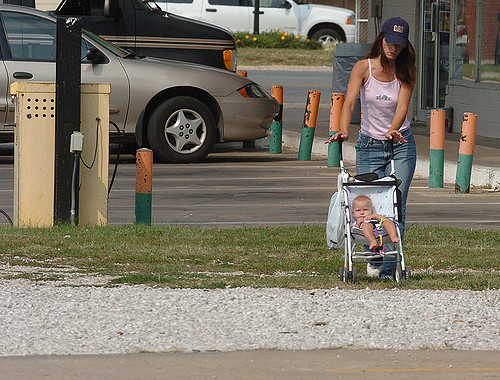
Last week I introduced the idea that we live in a “toxic environment,” which provides easy access to high-calorie, unhealthy, inexpensive food and promotes physical inactivity. The focus was on the toxic food environment, so now it is time to explore our toxic activity environment which makes easy to be inactive and can discourage activity. This is the topic of my Health & Fitness column in the Aiken Standard this week.










 Dr Parr Says...