Santa’s exercise plan for functional fitness and health

Since Christmas is only a few days away our attention is naturally focused on one person: Santa Claus. Have you ever wondered how Santa gets in shape for his yearly sleigh ride to deliver gifts to good boys and girls around the globe? Like many elite athletes, Santa does not publicly discuss his training or his fitness. There are certainly no published studies that report his one repetition maximum strength or his maximal oxygen uptake. Given this lack of information, I attempted to make an educated guess about Santa’s training, fitness, and health. This is the topic of my Health & Fitness column in the Aiken Standard this week.

santa


By all accounts, Santa is overweight. While we don’t know his body mass index, he would probably be considered obese. Furthermore, he appears to have a large waist circumference, indicating a high level of visceral fat. This suggests that Santa is a high risk for type 2 diabetes, high blood pressure, and heart disease. This combination can lead to a heart attack and, possibly, death at a relatively young age.

But Santa has avoided this fate, and seems to be living a healthy life. His secret, no doubt, is regular exercise. There is good evidence that maintaining a high level of physical activity can “undo” some of the negative effects of obesity and can reduce the risk of death in people who are obese (and everyone else).

Like many athletes, Santa trains in the “offseason” to get ready for his annual Christmas Eve journey. Santa’s training likely includes endurance, strength, and flexibility exercises. In order to visit every home around the world in one night, Santa moves quickly. This suggests that he has a high maximal aerobic capacity as well as good endurance. This is a result of both high-intensity interval training and long-duration, lower intensity training, similar to what a marathon runner might do. Evidence for his good aerobic fitness is shown by the fact that he flies away from each home with a hearty “ho, ho, ho.” If he were out of shape, he would be too short of breath to speak, much less give such a robust farewell.

Santa must also dedicate training time to improving his strength. His sack of gifts is certainly very heavy and he repeatedly carries it up and down chimneys. In addition to traditional weight lifting, Santa probably also engages in plyometric training, which involves explosive movements that develop muscle power. Santa must also have good flexibility in order to squeeze through narrow spaces and move quickly without pulling a muscle. This is the result of stretching and, likely, other exercises such as yoga.

Santa is also educated about sports nutrition. The cookies and milk you leave for him are more than a reward for delivering gifts at your house. The carbohydrates (sugar) in the cookies help Santa maintain his blood glucose to delay muscle fatigue. Some research suggests that combining carbohydrates with protein is even more effective, so the glass of milk is a good addition. Of course, Santa could have a specialized sports drink, but that doesn’t make for such a good story.

We can learn an important health lesson from Santa. Even though he is overweight, through regular exercise, Santa has reduced his risk of health problems and maintained his fitness at a level that allows him to complete his necessary activities. Like Santa, all of us can benefit from being physically active, whether we are overweight or not. He would likely be healthier and be able to perform his job better if he lost weight, but I’m not about to tell Santa what to do!


Nutrition, exercise, and health information can be confusing. 
But it doesn't have to be that way.
What can I help you with?
 drbrianparr@gmail.com | http://twitter.com/drbrianparr

Too fat to fly! Weight loss tips from the North Pole.

There is a problem at the North Pole! Santa’s reindeer are unable fly, putting his Christmas plans in jeopardy. It turns out that the reindeer are suffering from a common problem, one that you might be dealing with, too. Fortunately, Santa has a solution that can help his reindeer and save Christmas. This is the topic of my Health & Fitness column in the Aiken Standard this week.

toofattofly


According to the children’s book Too Fat to Fly by Doreen Belleville, Santa’s reindeer have gained weight in the “off season.” Too much sitting around and too many snacks and treats have resulted in weight gain to the point where the reindeer simply can’t do their job. Sound familiar? Whether it comes during the holidays or gradually throughout the year, weight gain is common for many people. And, like the reindeer, it often goes unnoticed until it is too late—trying to fit into your old suit or favorite dress, for example.

It’s not just the weight that is the problem. The long, lazy vacation has allowed the reindeer to become unfit. They simply aren’t strong enough and don’t have the endurance to pull Santa’s sleigh. Again, a decline in fitness over time is something many of us experience and we may not notice it until we do something strenuous that makes it clear we are out of shape.

In the book we learn that the solution is both simple and well-known. Santa charges his elves with getting the reindeer back in shape, in terms of both fitness and fatness. The snacks are replaced with healthy meals containing lots of fruits and vegetables. And days spent lying around are now spent in the gym and going for walks outdoors.

Like many of us, the reindeer have a tough time adjusting to their new exercise routine. The treadmills are tricky for them, until they get the hang of it. For many of us, exercise equipment and new types of exercise can be intimidating. But with some guidance from the elves (or a personal trainer) you may find that trying new forms of exercise can really help you, just like it did for the reindeer.

The reindeer followed a diet that emphasized fruits and vegetables. Despite the controversy over which diet is the best, almost everyone agrees that more fruits and vegetables and fewer calories from added sugars will help you lose weight. These foods are lower in calories than many other options, contain fiber to help you feel full, and replace less healthy foods you might otherwise pick. Carrots and apples, what the elves picked for the reindeer, are excellent choices, but pretty much any fruits and vegetables will work. Of course, you should eat other foods in moderation, too, including whole grains, meat, and dairy.

The good news is that the diet and exercise program helped the reindeer lose weight and get back in shape in time for Christmas can work for you, too. While you may not see such rapid results, if you are careful with what you eat and dedicate time every day for exercise, you can lose weight relatively quickly. It’s not easy for people or for reindeer, but weight loss and improved fitness are achievable.

Looking forward, continuing to eat a healthy diet and exercising regularly can save you the trouble of trying to lose weight next year at this time. It is always easier to maintain weight and stay fit than it is to lose weight and get back in shape. I’m sure that’s a lesson Santa will teach his reindeer!


Nutrition, exercise, and health information can be confusing. 
But it doesn't have to be that way.
What can I help you with?
 drbrianparr@gmail.com | http://twitter.com/drbrianparr
The one thing

One of the courses I teach at USC Aiken is Health & Behavior Change. In it, we identify the major factors that contribute to chronic diseases and discuss how to modify these risk factors to improve health. Throughout the course, the emphasis is on health behaviors and how to change them for the better.

thing-one


For example, smoking is among the most difficult health-related behaviors to change. Obviously, there is the addictive nature of nicotine that makes smoking cessation challenging. Beyond the drug effect, smoking also has a behavioral component. This includes what a smoker does first thing in the morning, after a meal, or on a work break as well as the act of holding a cigarette in his or her hand. Add to that the social aspects of smoking, including the influence of friends and family members, and it is easy to understand why it is a difficult habit to break.

This same principle applies to other health behaviors, including eating and activity. Like smoking, what we eat and our activity level are complex behaviors that are difficult to change. Because of this, losing weight can be as difficult as quitting smoking for similar biological and behavioral reasons. We think of weight loss as being about a diet or exercise program, but it’s really about changing behaviors and habits.

This is a difficult concept to teach, so I have my students learn through experience. Since almost all of my students are non-smokers and most are active and at a healthy body weight, I have them complete a project in which they change some other behavior. They are responsible for identifying a behavior that has a negative effect on their life, coming up with a plan to change it, and embarking on a four-week behavior change experience. Common topics for my students include getting more sleep, packing a lunch to avoid eating out, and dedicating more time to studying.

One student wanted to change her social media habits. As a compulsive social media user, she spent more hours than she realized checking, posting, and commenting on Facebook, Twitter, Instagram, and others. Her goal was to limit her social media time so that it didn’t interfere with classes or studying. One of the steps she took was to turn off the notifications that alerted her to new activity. This was helpful, but she still found the habit of checking her phone hard to break.

In a conversation, she noted that the one thing that would help more than anything else would be to switch her phone off during the day. This way she would have her phone if she needed it, but it wouldn’t be so easy, or tempting, to use it. Despite knowing the most effective strategy—the one thing—that would help her, she never did it.

I thought this was an excellent example of something that is common in making health behavior changes. In many cases, people probably know the one thing they need to do to be successful but for a host of reasons, they don’t do it. This may lead people to make other changes that aren’t nearly as helpful. While even the smallest behavior modifications can help, successfully losing weight or quitting smoking really does require making big changes.

This goes a long way in explaining why quitting smoking, losing weight, and changing eating and activity behaviors can be so difficult, even when people know what they need to do. There is no easy solution for this problem, but finding someone to hold you accountable for making the necessary changes and sticking to them is a good start.


Nutrition, exercise, and health information can be confusing. 
But it doesn't have to be that way.
What can I help you with?
 drbrianparr@gmail.com | http://twitter.com/drbrianparr

Maintain, don’t gain, this holiday season.

Now that Thanksgiving has passed the holiday season is in full swing. In addition to spending time with family and friends, the big events of the season involve shopping and eating. The bad news is that this will almost certainly result in big numbers on your credit card bill and on your bathroom scale. The good news is that the typical holiday weight gain is less than you might think. The even better news is that this weight gain can be prevented. This is the topic of my Health & Fitness column in the Aiken Standard this week.

christmas-cookies


First, the bad news. Research shows that, on average, people gain about one pound during the holidays. Even subjects who said they were trying to lose weight over the holidays ended up gaining about 0.5 pounds on average. The problem is that this extra weight is not lost during the spring or summer, meaning that holiday weight gain is a major contributor to the gradual increase in weight, about one pound per year, most people experience over time.

Now for the good news: The weight gain that typically occurs during the holidays can be prevented. Since people tend to gain less than one pound, even small modifications to activity or diet can make a difference. Here are some strategies:

  1. Stay active. The average holiday weight gain could be prevented by walking about one mile, or about 20 minutes, per day. Since time may be a factor, you can turn a shopping trip into a chance to be active by taking an extra lap around the mall or parking further away in the parking lot. Go for a walk before or after a family meal or party—and take your family and friends with you.
  2. Stay away from the food. Most holiday parties include lots of food, and usually not the healthiest choices. You can reduce the amount you eat by limiting your time near the food—literally, fill your plate and move away from the food. Using a smaller plate will reduce the amount of food you take, too. Getting rid of the candy dish on your desk at work or the plate of treats on the countertop at home are also smart ideas.
  3. Don’t drink your calories. Alcoholic beverages, soda, and juice all contain calories and can add up to a big part of your total calorie intake. For example, egg nog can contain over 300 calories per glass. This doesn’t mean you can’t enjoy your favorite drinks, but enjoy them in moderation.
  4. Plan ahead. If you are trying to watch what you eat, have a healthy snack before you go to a party. You will feel less hungry so you will probably be less inclined to eat as much. If you are bringing a dish to the party, make it something healthy that you like.
  5. Focus on family and friends, not food. The holidays are a time to enjoy special meals and events with family and friends, and that should be your focus. You should enjoy your favorite foods and drinks, just do it in moderation.

You can prevent holiday weight gain by watching what you eat and staying active. It is easier to keep the weight off than it is to lose it later, so a little extra effort now is worth it in the long run. Considering that many people plan to exercise and lose weight after the holidays, you could get a jump-start on your New Year’s resolutions along with making this a happy and healthy holiday season.


Nutrition, exercise, and health information can be confusing. 
But it doesn't have to be that way.
What can I help you with?
 drbrianparr@gmail.com | http://twitter.com/drbrianparr

A Thanksgiving dinner that is good and good for you.

This is Thanksgiving week, and people throughout the country are planning a feast that includes traditional dishes and family favorites. Even though many of these are not the healthiest choices, they make an appearance on the table each year. For many, Thanksgiving dinner is a day marked by overindulgence and  poor nutrition choices.

In an effort to make Thanksgiving dinner healthier, recommendations for modifying or replacing traditional dishes are a common theme in magazines, on the morning TV shows, and on the web. While these suggestions are meant to be helpful, I’m not sure they actually serve to make a significant impact on health. In fact, the foods we eat and the way we eat them may be the healthiest part of a traditional Thanksgiving dinner. This is the topic of my Health & Fitness column in the Aiken Standard this week.


thanksgiving-dinner

After all, Thanksgiving is one day, and if there was ever a day to give yourself license to indulge, this is it! Of course, trying new foods and cooking techniques is always good, but the impact of replacing the butter in your mashed potatoes with fat-free sour cream or taking the marshmallow topping off Granny’s famous sweet potato dish for one day isn’t realistically going to make you any healthier in the long run.

The truth is that if you eat a healthy diet every day, or even most days, and you have an active lifestyle you can get away with a day—or weekend—of overeating. (Obviously, you should always follow dietary restrictions for any medical conditions you have.) The problem comes when Thanksgiving dinner is yet another unhealthy meal in addition to the others that week or month.

Some of these recommendations are worth trying, for sure. Making an alternative to a traditional dish can get your family to try new foods they might not otherwise consider. And cooking using different ingredients or techniques on Thanksgiving can give you ideas for other meals, too.

However, focusing on modifying your Thanksgiving dinner may distract you from appreciating the greatest potential health benefit of this meal. Given the current confusion about how much and what type of carbohydrates and fats we should eat, there is an increased push to get us to eat less processed food and more real food.

For many of us, Thanksgiving dinner is one of the only times we cook and eat real food. A real turkey, vegetables, and home-made dessert are a huge improvement over the processed foods most of us eat on a daily basis. While we eat turkey at other times, it is almost always in a processed form such as ground turkey or deli meat, which frequently includes other additives. Cooking and eating a whole turkey is, for most families, relatively rare. So is eating a meal that doesn’t come from a restaurant or isn’t heated in a microwave.

Additionally, Thanksgiving dinner is shared simultaneously around a common table (and maybe a kids’ table, too). All too often, meals are consumed away from the family table, frequently at different times. The benefits of eating together as a family are well-known, and can have a positive impact on nutrition, psychological well-being, and health in general. Maybe Thanksgiving dinner isn’t about the food as much as it is the company. Why not make this a habit at other meals?

This week, let’s all give thanks for family, friends, and a shared meal. Let’s also take a lesson from the day and try to prepare and eat more real food as a family. This may be the best part of Thanksgiving. That, and a second serving of pumpkin pie!


Nutrition, exercise, and health information can be confusing. 
But it doesn't have to be that way.
What can I help you with?
 drbrianparr@gmail.com | http://twitter.com/drbrianparr

Tomorrow is Healthy Lunch Day. Here’s why it matters and why you should do it every day.

Tomorrow is National Healthy Lunch Day, an event promoted by the American Diabetes Association to raise awareness about the need to make healthy choices at lunchtime. We all know that eating breakfast is an important way to start the day. What we may not appreciate is the role a good lunch plays in promoting good health, from helping with weight control to managing diabetes. A healthy lunch can also affect your focus and attention, helping your performance at work or school.


lunch

A healthy lunch is important for treating and preventing many health problems. Diabetes is a perfect example. Perhaps the most important aspect of managing diabetes is to control blood glucose levels throughout the day. Obviously, eating a meal will raise blood glucose. But eating a meal that is relatively low in carbohydrates, especially sugar [https://drbrianparr.wordpress.com/2016/02/29/sugar-and-your-health/], can provide energy without contributing to a spike in blood glucose. The glycemic index (GI) is a useful tool for selecting foods that have a lower impact on blood glucose. Keep in mind that the amount of carbohydrates you eat is important, too, so focusing only on GI isn’t enough. This is especially important for diabetics who take medications, including insulin, to help manage their diabetes.

The idea that eating lunch promotes weight loss sounds counterintuitive, but it works! Skipping a meal can lead to stronger feelings of hunger later in the day. And if you are hungrier you will likely eat more. So, an appropriate midday meal can help you eat less later in the day. Combined with regular exercise, eating appropriate meals and snacks is an essential aspect of weight loss and weight control.

Eating lunch provides energy and reduces hunger at a time when your breakfast is likely “wearing off.” This may help you feel more energetic and can enhance your attention, focus, and productivity. Of course, what you eat for lunch is as important as when you eat. Lots of sugar can make you feel sluggish, both physically and mentally. Unfortunately, added sugar is a big part of many restaurant meals and convenience foods, so the afternoon slump is a reality for many of us. Limiting sugar in both food and drinks can help you make healthier choices at lunch that can make you feel and work better in the afternoon.

“That afternoon slump you feel may be due to what you ate for lunch.”

A good lunch is especially important for children. In addition to providing energy to support growth and learning, lunch also presents an opportunity to teach children about healthy eating. This is critical since formal nutrition education isn’t part of the curriculum at most schools. Sadly, most school lunch programs provide meals that include too much added sugar and refined carbohydrates, inappropriate for growing and learning kids.

Many adults don’t fare much better with their lunch. For a lot of people, the two key criteria for lunch are that it is quick and convenient. And as we know, quick and convenient foods are rarely considered healthy, so this requires some effort to plan ahead and make careful choices.

What makes a healthy lunch? Pretty much the same recommendations for other meals also apply for lunch: low in added sugar and refined carbohydrates and high in fiber. Your lunch should include vegetables, fruit, whole grains, and protein, all of which are foods that can make you feel full longer. In the end, the effort and planning pay off by making you a healthier you!


Nutrition, exercise, and health information can be confusing. 
But it doesn't have to be that way.
What can I help you with?
 drbrianparr@gmail.com | http://twitter.com/drbrianparr

What’s trending in fitness?

There seems to always be something new in the fitness world. Whether it is a new piece of equipment in the gym, a new group exercise class, or a new way to perform traditional exercises, the fitness industry is constantly evolving. Some of these become popular enough that they are considered “trends,” attracting attention from fitness experts and exercise novices alike. Even if you aren’t a fitness enthusiast, you may be wearing one of these trends on your wrist.

Each year the American College of Sports Medicine (ACSM) surveys health and fitness professionals to identify exercise trends for the upcoming year. The report for 2017 was just published, so it is a good time to catch up on the leading fitness trends to look for in the upcoming year. Some of these are new, but many of the top trends are still popular from previous years. This is the topic of my Health & Fitness column in the Aiken Standard this week.

fitness-tracker


No surprise, the biggest fitness trend for 2017 is wearable fitness technology. Even if you don’t exercise regularly, you may have a fitness tracker. From activity trackers like the Fitbit to heart rate monitors, the newest “wearables” are sophisticated tools for recording your steps per day, distance you run, and calories you burn. Some, like the new Apple Watch, have multiple functions while others, like GPS watches, provide specific information. Make sure to pick the device that meets your needs… and your budget, as they can get expensive!

Next on the list is body weight training. Popular for building strength and endurance with minimal equipment, body weight training goes far beyond the push-ups and pull-ups you may remember doing in PE class. This type of training can be done almost anywhere, which is good news for people who are on a budget or want to train at home.

Following that is high-intensity interval training (HIIT), which uses repeated cycles of short, maximal or near-maximal exercise alternated with short rest periods. These HIIT sessions last less than 30 minutes but lead to fitness improvements that exceed those of traditional longer-duration training. Beginning exercisers should note that HIIT training is intense, so starting slow is recommended.

Fourth on the list is educated and experienced fitness professionals. You should look for a facility that requires the staff to have fitness certifications that involve both education and experience. Finding a personal trainer or group exercise instructor who has experience working with people like you is important, so ask for recommendations and references to get the best match.

Strength training still ranks highly, at number five, and for good reason. In addition to building or toning muscles, strength training can make everyday activities easier, help maintain bone mass, and promote weight loss. Strength training is often incorporated into other types of exercise, so you don’t necessarily need to “pump iron” to build strength.

Rounding out the top ten are group training, Exercise is Medicine, yoga, personal training, and exercise for weight loss, all of which have been on the list for some time. While this list does not include every popular or “trendy” type of exercise, it does capture the components of most types of training. CrossFit, for example, is a combination of body weight, strength, and functional training involving high-intensity intervals in a group setting.

Whether you decide to follow a fitness trend or not, make sure you dedicate time every day to be active. Health and fitness will always be trendy!


Nutrition, exercise, and health information can be confusing. 
But it doesn't have to be that way.
What can I help you with?
 drbrianparr@gmail.com | http://twitter.com/drbrianparr
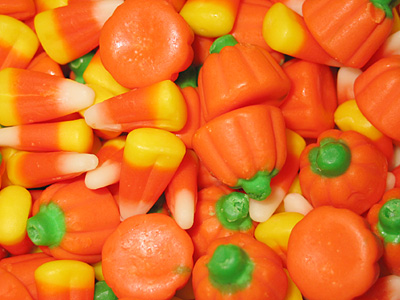
Boo! It’s the attack of the Halloween candy!

Today marks the end of several days of Halloween events and celebrations. But even after the lights in the jack-o-lanterns have been extinguished and the costumes have been packed away, the Halloween horrors continue. It’s not the ghosts or witches or black cats you need to worry about, though. It’s the candy.

And not just the candy that gets brought home by (or is left over from) trick-or-treaters. What you really need to worry about is the candy that remains, either in the cabinet or in the dish on the table. This is the topic of my Health & Fitness column in the Aiken Standard this week.

candy corn


If your home is like mine, you have probably been accumulating candy for several days now. Despite our best intentions, most of it will get eaten, probably in the few days after Halloween. There are several ways in which a Halloween candy binge could be bad for our health.

First, it can add up to a lot of calories, which could contribute to weight gain. As a rough estimate, a typical “fun size” candy bar has about 75–100 calories. Look in your kids’ candy bags or the bowl of leftover candy at your front door and think about how many calories that adds up to.

Second, eating lots of candy could replace healthier foods. Candy is considered “empty calories,” meaning that there is little nutritional value beyond calories—typically no vitamins, minerals, or fiber. And if you eat less at meals because of the extra candy you are consuming you may not be getting enough essential nutrients. However, since the candy binge will probably only last a few days, this shouldn’t cause long-term health problems.

Third, the high sugar intake can contribute to cavities. Bacteria in the mouth produce acid when they come in contact with sugar, and this acid erodes tooth enamel to cause cavities. Sticky candy like gummies or hard candies that are in the mouth a long time are of particular concern. Obviously, brushing after eating can reduce the risk of cavities and chewing sugarless gum may help, too.

Many parents try to reduce some of these potential health concerns by limiting how much candy their children can eat at a time. This makes sense since spreading out the candy consumption—a few pieces each day—means less sugar intake at any one time.

Others solve this problem by letting their kids eat as much candy as they want on Halloween, then taking the rest away or letting their kids keep just a few pieces. Many times kids don’t even miss the candy when it is gone. This is probably a smart approach, but it does require some creativity to get the candy away. Replacing the candy with books, toys, or other gifts might help.

For many people, the real problems begin after Halloween when the leftover candy ends up in a bowl at home or in a dish on a desk at work. While there are some people who can resist reaching into the bowl, most of us can’t. It’s just too tempting to grab a piece of candy as we walk by, and we likely do it more often than we think. In fact, sometimes the candy dish is set out for the purpose of getting rid of the candy!

As the end of the Halloween candy season nears we will probably find ourselves eating more candy than we should. The good news is that as long as we get back to a routine of healthy eating and regular exercise, a Halloween candy binge shouldn’t do any lasting harm our health.


Nutrition, exercise, and health information can be confusing. 
But it doesn't have to be that way.
What can I help you with?
 drbrianparr@gmail.com | http://twitter.com/drbrianparr

It’s not too late to celebrate Walktober!

Walking is a great way to be active to help you lose weight, increase your fitness, and improve your health. The most common form of exercise is walking, and for good reason: it doesn’t require any special equipment (beyond comfortable shoes) or skills, and you can do it almost anywhere.

You can meet basic physical activity recommendations by walking briskly for 30 minutes most days of the week. Even this amount of walking can lead to a lower risk of diabetes, heart disease, and some cancers as well as improved mental health, cognitive function, and greater feelings of wellbeing.

Now that cooler fall weather is finally here, spending time being active outdoors is more enjoyable. That is the spirit of Walktober, an initiative adopted by health organizations, companies, and communities around the globe. October is a great time to take advantage of opportunities to go for a walk!

walk-in-woods


Walking, like any exercise, has substantial health benefits. These benefits are even greater if you are active outdoors. Being active in a natural environment has been shown to have an impact on mental health including enhanced feelings of energy and diminished fatigue, anxiety, anger, and sadness compared to similar activity conducted indoors. Research shows that exercise outdoors leads to physiological changes in brain blood flow that are associated with psychological benefits.

When you go for a walk outdoors you may get a better workout. This is mostly due to the fact that you will likely walk faster outdoors, but other factors like uneven ground and hills add to your effort. The good news is that even though you may exercise at a higher intensity outside, you may feel that your effort is lower than for the same exercise indoors. This is partly because the pleasant visual stimuli outdoors distracts you from sensations of effort during exercise. And much of the psychological benefit of outdoor exercise occurs in the first five minutes, so even short bouts of activity are meaningful.

If you are new to walking for exercise, you can start with 10–15 minute sessions and work up to 30 (or more!) minutes at a time. This can be as simple as going for a short walk outside when you have a break at work or taking your dog for a walk around the neighborhood. It’s also a good idea to walk with a friend or in a group, which can provide motivation and accountability. And, of course, it is a great way to spend time together.

If you have been exercising indoors, this is a perfect time to take your activity outdoors. Going for a hike in the woods or a long walk around town can build your endurance, especially if you encounter hills along the way. Running outdoors can break the monotony of the treadmill or other indoor exercise equipment. This might not replace your workouts at the gym, but it can certainly add to your activity.

The best part is that walking outdoors is something the whole family can do. Beyond the health benefits for everyone in your family, it sets an excellent example for your kids (and grandkids). Many experts agree that increasing opportunities for outdoor play and exercise is important for helping children grow up healthy and happy.

Every little bit of activity you do outdoors will have both physical and psychological benefits to help you become and feel healthier. So, get outside and get active this Walktober!


Nutrition, exercise, and health information can be confusing. 
But it doesn't have to be that way.
What can I help you with?
 drbrianparr@gmail.com | http://twitter.com/drbrianparr

Just do it — together!

It’s common to see people walking or running in pairs, and at the gym many people like to work out with a partner. Group exercise classes and boot camp programs are popular among novices and seasoned exercisers alike. Joining a team that trains together to walk or run in a race is a good plan for completing your first 5k or 10k event.

Having another person or a group of people to exercise with is a great way to increase your motivation and enjoyment. This makes it more likely you will stick with your exercise program, leading to better fitness and health. But there are additional benefits to exercising with others that may help you get started and continue your fitness program. This is the topic of my Health & Fitness column in the Aiken Standard this week.

Boot camp workout


Exercising with others provides a level of motivation and accountability that is important, especially for people who aren’t self-motivated. Knowing that you are meeting a friend for a walk or meeting a training partner at the gym makes it less likely that you will find an excuse to skip a workout. While guilt isn’t the best reason to exercise, for many people it is the one thing that will get them moving.

Did you know that exercising with others can also help you get a better workout? It’s true. When you are exercising with another person or a group you can get feedback on your technique. Doing exercises properly can reduce the risk of injury and improve your gains strength, endurance, and flexibility.

You can also get ideas for new exercises and training techniques that can make exercise more enjoyable and less monotonous. Many people find that having a friend to walk or run with makes the time seem to go by faster. The friendly “competition” that can come from a partner or group can push you to train harder, making the exercise more beneficial.

A group dynamic is an important component of many popular exercise classes and programs. At the gym, participants in classes from aerobics to Zumba and spin to yoga benefit from the support and motivation of exercising with others. And programs like boot camps, CrossFit, and F3 are popular largely because of the camaraderie of the other group members.

The benefits may be even greater if you exercise with someone who is more fit than you are. Research shows that when someone is exercising with a partner who they perceive to be more fit they will work out harder and longer than if they were exercising alone. You can benefit from finding a partner or group members who are in better shape than you are. Be careful, though, since exercising with people who are much fitter than you can have the opposite effect and you may get discouraged.

Your exercise partner doesn’t even have to be another person to be effective. Research shows that walking with a dog can improve your adherence to a walking program and lead to greater improvements in fitness compared to walking with a human companion. While a friend might make excuses to skip exercise, a dog will always look forward to a walk. Don’t worry if you don’t have a pet; one study used dogs at a local animal shelter as walking partners.

You can take advantage of the benefits of exercising with a partner easily by asking a friend to go for a walk. It’s something that will benefit you both and it will be a good opportunity to spend time together. No more excuses…get moving!

The effect of involving others in your behavior change process is also helpful for losing weight and quitting smoking. This is true even if the other person (or people) aren’t participating  with you—simply telling others about your plans to change can help make you more accountable and improve your chances for success.


Nutrition, exercise, and health information can be confusing. 
But it doesn't have to be that way.
What can I help you with?
 drbrianparr@gmail.com | http://twitter.com/drbrianparr