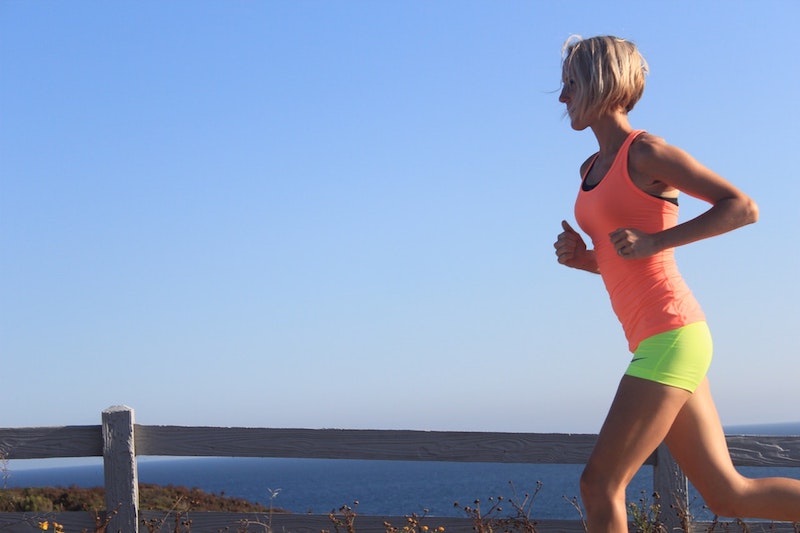
Good news for weekend warriors.

Do you need to exercise every day? Or could you exercise on just a couple of days instead? According to one study, saving your exercise for the weekend can give you the same health benefits as spreading your exercise out over multiple days. However, becoming a “weekend warrior” might not be the best approach for you. This is the topic of my Health & Fitness column in the Aiken Standard this week.

hiking


Current physical activity recommendations call for us to accumulate 150 min/week of moderate-intensity activity or 75 min/week of vigorous activity. Typically, this would be done on multiple days per week (walking 30 min per day on 5 days, or jogging 25 min on 3 days). This study answers an important question about physical activity and health—can you get away with only exercising a couple of days per week instead of the recommended 3-5 days? It also included people who do some, but not enough, activity throughout the week.

This study looked at how physical activity pattern was linked to the risk of death from all causes, cardiovascular disease (CVD), and cancer, a common way of examining the effect of physical activity on health in large populations. The study compared the risk of death among four physical activity pattern groups: inactive, insufficiently active (some activity, but not enough), regularly active (meeting PA recommendations throughout the week), and weekend warriors (meeting recommendations in just 1-2 days per week).

The results show that, compared to the inactive group, the risk of death was lower in the insufficiently active, regularly active, and weekend warrior groups. This was true for deaths overall as well as deaths from CVD and cancer. Furthermore, the reduced risk was similar for the three activity patterns, but lowest in the regularly active participants.

This confirms what we already knew from numerous other studies: regular physical activity promotes longevity. The study also suggests that being active throughout the week, but not enough to meet those recommendations, is also associated with some reduction in risk. We knew that, too. What this study adds is that meeting the recommendations by doing the activity on 1-2 days, the “weekend warrior” pattern, is beneficial, too. In fact, this activity pattern seems to be about as good as being active most days of the week. This is good news for people who aren’t active on a daily basis!

That said, this study only examined mortality, meaning the number of people who died during the follow-up period. It doesn’t tell us much about how these activity patterns affect health the way most of us would consider it: controlling blood pressure, diabetes, blood lipids, or depression. It also doesn’t say anything about weight control or improving strength, endurance, or flexibility, which are important reasons many people are active. In both cases, exercising regularly is the key to realizing the benefits!

Additionally, the typical “weekend warrior” tends to engage in exercise that is more intense and/or longer duration than what they might do if they exercised regularly. Indeed, the study indicates that almost all (94%) of the weekend warriors played sports and relatively few (31%) walked for exercise. While this is fine for most people, participating in vigorous, prolonged exercise can lead to a greater risk of injury, especially in people who aren’t in good shape to begin with.

So, people who are weekend warriors should select activities they will enjoy, and focus on duration over intensity. A long walk, hike, bike ride, or kayak trip on the weekend is something most people can do without too much risk. But the best approach is to be active throughout the week as much as possible and use weekends for more ambitious exercise sessions.


Is it true that you burn 100 calories when you walk or run a mile? Yes!

Walking and running are widely used modes of exercise to improve fitness and promote weight loss. The energy expended (calories burned) during walking or running can be directly measured in a lab or estimated based on speed and body weight. It can also be determined using one of many wearable devices and mobile apps. A commonly used estimation is that walking or running one mile elicits an energy expenditure of 100 calories.

This estimation, while crude, is interesting because of its wide use and apparent acceptance, even though it hasn’t been tested for accuracy. Research my students and I did examined the accuracy of the 100 calories per mile estimate across a wide range of walking and running speeds. This is the topic of my Health & Fitness column in the Aiken Standard this week

100 kcals


To do this we asked subjects ranging in age from 20 to 44 years to walk or run one mile at a speed they selected on a treadmill while energy expenditure was determined. Some of the subjects walked and some ran, so the speeds ranged from 3 to 7 mph. For accuracy, we measured the air they breathed to measure how much oxygen they consumed to calculate how many calories they burned.

We found that the measured energy expenditure across all speeds was 108 calories per mile. It was higher (115 calories) during running and lower (98 calories) during walking. None of these were significantly different from the 100 calories per mile estimate.

There was a high degree of variability among subjects in energy expenditure, even at similar walking or running speed. This was due to body weight, with heavier people burning more calories when they walked or ran.

These findings are consistent with previous studies that compared the measured energy expenditure of walking and running one mile at set speeds. In our study, we allowed subjects to select their own walking or running speed, so it more closely reflects how people would exercise outside of a research setting. Research also shows that the energy expenditure during treadmill exercise was almost exactly the same as walking or running on a track, so our findings would also be applicable to walking or running on level ground.

In conclusion, the widely used estimate of 100 calories per mile appears to be accurate across a wide range of walking and running speeds. This supports using the 100 calories per mile value for estimating energy expenditure for fitness or weight loss purposes. For example, some exercise programs prescribe exercise based on calories burned rather than time or distance. And people who are trying to lose or maintain weight can use the 100 calories per mile estimate to help balance their energy intake and expenditure.

It is important to note that the 100 calories per mile estimate does not replace more accurate measurements or calculations that are done in a research or clinical setting. And wearable devices and apps are easy ways to get a good idea of how your energy expenditure during a wider range of activities. But, if you want to know how many calories you burn during a run or how long you need to walk to offset what you eat, the 100 calories per mile estimate will give you a pretty good idea.


drparrsays blog footer

Function and fitness follow form.Why doing exercises properly can help you get fitter, faster.

When it comes to exercise, the most important thing is that you do it! When you are starting out, almost anything you do will have health and fitness benefits. As little as 30 minutes per day of moderate aerobic activity can improve your endurance and even one set of a few resistance exercises once or twice per week can increase your strength. Doing more, either longer exercise time or intensity, will result in bigger improvements in fitness.

Getting the most out of your workouts requires doing exercises properly. Using equipment appropriately and having good form can help enhance your gains from training. Proper technique is commonly thought to reduce the risk of injury, but it also has as much to do with the effectiveness of the exercise itself. This is the topic of my Health & Fitness column in the Aiken Standard this week.

110713-F-7770C-0499

Continue reading

Active transportation matters—and not just during National Bike to Work Week

Since May is National Bike Month and this week is National Bike to Work Week, this is a good time to think about cycling and other forms of active transportation.

Active transportation, which includes walking, cycling, and other physically active modes of moving from place to place, has important environmental, health, and economic benefits for individuals and communities. Promoting active modes of transportation can reduce pollution, increase physical activity, and benefit both people and communities economically. In some areas, active transportation can replace motor vehicle use entirely. More commonly, though, physical activity can be combined with cars or public transportation to replace parts of trips.

Significant and accumulating evidence shows that motor vehicle use is a primary cause of air pollution. This includes greenhouse gasses like carbon dioxide and pollutants such as nitrogen dioxide, ozone, and particulate matter that are released by combustion engines and industry. This has been linked to climate change and health problems, including pulmonary and cardiovascular diseases, contributing to 200,000 deaths per year.

The transportation sector is the largest greenhouse gas emitter in the United States, so physically active modes of transportation that replace motor vehicle use could have a significant impact on air pollution and health. Estimates suggest that even a small decrease in vehicle miles traveled, a measure of motor vehicle use, by increasing active transportation could lead to reductions in particulate matter and greenhouse gas production.

In addition to environmental benefits, increasing active transportation has clear health benefits. As you might expect, spending more time commuting in a car is associated with an increased risk of obesity and more active commuting is associated with a lower risk of obesity. Beyond the influence on body weight, people who use physically active modes of transportation have a lower risk of diabetes and hypertension as well as death from cardiovascular diseases.

People who engage in active transportation get an average of 12–15 minutes of physical activity per day and 30% meet the 30 minutes per day recommendation. Considering that over a quarter of trips are less than 1 mile and most are less than five miles, most people could replace at least some driving with walking or cycling.

The cost of implementing active transportation is often cited as a reason not to, but individuals and communities can benefit economically from increased active transportation. Transportation represents the second largest expense for American families and may have a greater impact on low-income households. Given that active transportation is almost always more affordable than using a car, this could help many people and families make ends meet. 

Communities that develop infrastructure and policies to promote active transportation experience direct and indirect benefits. These benefits include increased residential and commercial property values as well as the fact that people who are walking or cycling are more likely to visit businesses along their route. Depending on the location and nature of the project, implementing active transportation can have a positive cost-benefit ratio and promote job creation.

Given the environmental, health, and economic benefits, active transportation is a win, win, win for our community. Across the country, cities large and small are implementing infrastructure and policies to make them safer and more convenient for pedestrians and cyclists. Since everyone benefits from a community that supports active transportation for work and leisure, we should take steps in that direction.

Health and fitness “frenemies”: How the people around you can support—and sabotage—your health behavior change.

Anyone who has tried to lose weight, quit smoking, or make another behavior change knows that having the support of family and friends is a key to success. Having a “buddy” to go through the process with can help keep you motivated, leading to greater success now and in the long run.

However, a lack of support can make these changes even more difficult. Some people even encounter behavior by friends and family members that directly interferes with their efforts.

This is the topic of my Health & Fitness column in the Aiken Standard this week.

together-hands


Social support has long been recognized as a key component of group exercise, weight loss, and smoking cessation programs. This support can be both real and perceived. Family, friends, co-workers, and others who directly or indirectly offer support and encouragement are obvious examples. But research shows that even thinking that you have the support of others can boost your chances of success.

Group exercise and weight loss programs are popular because they provide accountability, positive role models, and advice in a supportive environment. From my perspective as an exercise professional, the group dynamic is a major reason people stick with a program when they otherwise might not. In fact, research supports the idea that programs with a group component tend to be more effective over time. Not wanting to “let the group down” keeps many participants focused and on track. While guilt isn’t the best reason for continuing a program, it can be an effective motivator for some people to reach their goal.

Group support can also make up for support that may be lacking from other people. Some even find that the people around them are unsupportive. This can include comments (“seeing you eat healthy makes me feel guilty!”), being excluded from activities that might be seen as unhealthy, and direct sabotage of the person’s efforts by encouraging them to stray from their routine. Participants of group programs report that support from other members helps them get past these barriers.

Even with strong support from others making the same lifestyle changes, the assistance of friends, family, and coworkers is essential. Some support is relatively simple to provide and includes making positive comments and encouragement. A simple acknowledgement of the effort someone has been making goes a long way. Sometimes others may see changes before the person exercising or losing weight notices any progress. This feedback can be especially motivating.

Even with strong support from others making the same lifestyle changes, the assistance of friends, family, and coworkers is essential. Some support is relatively simple to provide and includes making positive comments and encouragement. A simple acknowledgement of the effort someone has been making goes a long way. Sometimes others may see changes before the person exercising or losing weight notices any progress. This feedback can be especially motivating.

Other forms of support may be more challenging. For example, if one member of a family is trying to lose weight, the rest of the family may need to alter their habits as well to accommodate changes in eating and exercise. Others can contribute by helping a dieter shop for healthier food, prepare meals, and find time for exercise. Sadly, missing this support is a frequent reason why people are unable to realize long-term weight loss success. The bottom line is that those close to someone who is trying to improve their health can be influential, both positively and negatively, in their success.

If you are trying to lose weight, look for people who can provide support, whether that is encouragement or actual assistance. If you know someone who is on a diet, try to be a source of support for them. Complimenting them on their progress and encouraging them to continue is a good start. At the very least, don’t do or say things that make their health improvement process more difficult. Best of all, you can play along with them—chances are, you could benefit from eating better and getting more exercise!

drparrsays blog footer

Hold the ice: New ways to treat minor sports injuries.

If you play sports, exercise regularly, or participated in a particularly challenging event, you probably have experienced some sort of injury. Hopefully yours was just a minor muscle strain, joint sprain, or soreness that didn’t prevent you from continuing your exercise program. It is always best to address minor injuries before they progress to cause more lasting damage.

If you do sustain a muscle or joint injury you will probably ice the affected area to help it heal. But there are also several newer techniques that can help speed recovery. This is the topic of my Health & Fitness column in the Aiken Standard this week. And it seems especially relevant since many of us participated  the Run United Aiken Half Marathon this past weekend, so we may have some soreness or overuse injuries .

Kinesio tape


The most common recommendation for treating a minor exercise injury is to use ice to reduce swelling and speed healing. For example, an ankle sprain might be treated by sitting with the injured leg elevated while applying ice; later the joint might be wrapped with athletic tape to provide support and further reduce inflammation. This combination is called RICE—rest, ice, compression, elevation—and makes intuitive sense.

However, research and experience by sports medicine professionals suggests that using ice after an injury can delay healing and recovery. This is due to the realization that inflammation is a key component in tissue repair and reducing inflammation with ice therapy interferes with healing. A newer guideline called PEACE & LOVE (protection, elevation, avoid anti-inflammatory drugs, compression, and education & load, optimism, vascularization, and exercise) is more complicated but removes ice from the treatment plan. So, more and more sports medicine professionals are using modalities including voodoo flossing, cupping, and kinesio taping instead of (or in addition to) RICE to treat many injuries.

The benefits of compression for injury healing can be achieved by tightly wrapping an injured area with a rubber band, called “floss,” for a short time, usually less than a minute. This technique, commonly called voodoo flossing, is used to increase joint mobility and speed healing of minor injuries. Tightly wrapping a joint does has several potential effects by which it can improve movement and reduce pain. This includes allowing tissues to move more freely and increasing blood flow to the injured area.

Cupping gained much attention when swimmer Michael Phelps appeared at a race in the 2016 Olympics with large red welts on his back. He wasn’t hurt, as many feared. Rather, he was using cupping as a technique to treat injury and improve performance. Cupping literally involves the application of glass or plastic cups to the skin for several minutes, typically 5–15 minutes. Using either vacuum or heat, the cups pull the skin away from the underlying muscle tissue, increasing blood flow and improving movement. While cupping may be new to most of us, it has been used since ancient times and factors prominently in traditional Chinese medicine.

While voodoo flossing and cupping have a role in treating injuries and improving performance in the training room, there is a relatively new modality that can be used during exercise to enhance performance. Kinesio tape, also called K-tape, is applied over specific muscles to reduce pain and improve movement. The tape pulls the skin away from the underlying muscle, which increases blood flow and enhances movement, much like cupping. The difference is that kinesio tape can be used during exercise, as many people first saw on the shoulders of beach volleyball players in the 2008 Olympics.

While many sports medicine professionals still recommend RICE as a first line treatment for minor injuries, they are increasingly utilizing these alternative treatments. With a little training, people can use these techniques at home to treat some of their own minor injuries. Obviously, it is important to learn how to properly do these treatments and evaluate whether they are working. Improper treatment can delay healing and may make some injuries worse, so these treatments might be best done by trained professionals. And some injuries do require attention by sports medicine professionals. That said, if you are looking for an injury treatment beyond RICE, voodoo flossing, cupping, and kinesio tape might be worth trying.


drparrsays blog footer

Strike a recovery pose

If you spend time in the gym or play or watch sports, you probably see athletes standing with their hands on their head or bent over with their hands on their knees during a break from a workout or game. Other than being an indicator of fatigue, these “poses” may actually speed recovery, allowing athletes to get back to action faster. Quick recovery is important for performance in athletes, especially if they have back-to-back events. It’s also important for the rest of us when we do workouts that have multiple sets, separated by brief recovery periods. This is the topic of my Health & Fitness column in the Aiken Standard this week.

woman-holding-knees-with-both-hands-while-on-a-pathway

Continue reading

Go (and Eat) Green for Earth Day

Since Earth Day is this is a good time to think about the impact we have on our environment and what we can do to reduce that impact. The good news is there are ways we can “go green” that are good for our health and the health of our planet, as I explain in my Health & Fitness column in the Aiken Standard this week.

Farmers_Market

Continue reading

Fit for fun: Preparing for your active summer vacation

If you intend to take a vacation this summer, now is the time to start planning. If your vacation will involve activities like hiking, cycling, or swimming, you need to make sure you are ready for that level of activity. Even sightseeing and visiting theme parks can require far more activity than most people are accustomed to.

Unfortunately, many people find out the hard way—sore feet and achy legs, for example—that they weren’t prepared. The good news is that regular exercise now can prepare you for your next vacation so you can focus on having fun. This is the topic of my Health & Fitness column in the Aiken Standard this week.

Family beach vacation


There is good reason to choose an active vacation. Spending time outdoors can reduce stress and walking on the beach or snorkeling in the ocean seems like fun, not exercise. The end result is that being active on your vacation adds to the restorative effect of taking time away from your usual routine. In one study, people who had a physically active vacation reported that they felt mentally and physically fitter, felt more balanced and relaxed, could concentrate better during work, were in a better mood, and felt more recuperated than those who took it easy.

Even if you don’t choose a vacation to participate in a specific exercise, you will likely spend time being active. At the very least, you will be on your feet a lot more than usual.

It is not uncommon for visitors to Disney World to be on their feet for 12 hours and walk 10 to 15 miles in a single day. Most people don’t do that much walking in a typical week! This can lead to blisters, muscle soreness, and fatigue, limiting what you can do and, at the very least, making your time less enjoyable.

If you spend much of your time sitting at work and home, you should try limit your sitting and spend more time standing and moving around. This will help you get ready for long days on your feet. If your vacation will include cycling, hiking, or other vigorous exercise, you should make an effort to build up your endurance through longer exercise sessions. And be sure to break in new hiking or walking shoes before your trip!

Your travel plans may require spending time on planes and in airports. This usually means a lot of sitting, but it doesn’t have to. Airports, especially large airports, are built for walking. You can easily walk long distances while you wait for your flight. If you have enough time, you can take a walk around the entire airport, giving you an active way to pass the time.

Passageways that showcase art, shopping, or other information make walking through the airport a more pleasant experience. If you are traveling with children, many airports have areas that allow kids to move and play. You can always get at least a few minutes of activity by taking a short walk rather than sitting in the gate area waiting for your flight to board. Once you are on the plane you can usually get out of your seat to stand up, stretch, and walk around a bit.

Your goal should be to enjoy your vacation and the extra activity it will likely include. In addition to the numerous other health benefits, improving your fitness through regular physical activity will help you appreciate your vacation time more with less stress, meaning you can return home relaxed and ready to take on your usual routine.


drparrsays blog footer

Living from chair to chair … to wheelchair?

You probably know that participating in regular physical activity is among the most important things you can do to improve your health. This activity can include exercise as well as just about anything else that gets you moving.

Parking further away at the store, walking the dog, even doing yard work are all recommended ways to be more active. The message, from me and others, is that every little bit of activity counts. Of course, doing more activity, including both higher intensity (traditional exercise) and longer duration (a longer walk) can bring greater health benefits.

What you may not know is that being sedentary, especially spending time sitting, is just as detrimental to your health as not being active. In fact, spending most of the day sitting can undo some of the benefits of exercising, as I explain in my Health & Fitness column in the Aiken Standard this week.

Obesity


It’s true—a person who doesn’t exercise but moves a lot during the day at work or home may be healthier than someone who exercises every day but spends much of the rest of their day sitting! (To be sure, that person is much better off than someone who doesn’t exercise and sits all day.)

You may also be surprised how much time most people, yourself included, spend sitting. While some people have jobs that keep them active, most occupations involve sitting much of the day.

The situation outside of work isn’t much better, between lengthy commutes in the car and hours of “screen time” at home.

This sedentary time comes at the expense of being active, especially doing vigorous activity that causes you to break a sweat, like exercise. And the extent to which we avoid vigorous activity is shocking!

One study used measurements of physical activity recorded continuously for several days in over 2,500 adults to determine how much time the typical American spends being active or sedentary. The results show that the average adult spends about 8 hours each day being sedentary (sitting, mostly), and about 6 hours being active. Almost all that activity time was light intensity activity, around 20–30 minutes was moderate-intensity (a brisk walk), and less than a minute of vigorous activity per day. Less than a minute!

As the author of this study noted, many people seem to be living from “one chair to another.”

Men were slightly more active than women, and overweight and obese men and women were less active than normal weight individuals. Obese women got just one hour of exercise per year. Obese men were not much better, with less than three hours of vigorous activity per year. These levels of physical activity are far below the recommended minimum of 150 minutes of moderate activity or 75 minutes of vigorous exercise per week.

The consequences of sitting so much instead of being active can be severe, including higher body fatness, poor physical function, and increased risk of chronic diseases including diabetes, heart disease, and some cancers.

Another study suggests that these consequences also include an increased risk of disability. In this study, older adults who were less active reported more difficulty completing self-care tasks including getting in and out of bed, eating, dressing, or walking. In fact, each additional hour of sedentary time increased the risk of this type of disability by almost 50%.

Most of us live a life that includes too much sedentary time, especially sitting, and too little activity. This has serious health consequences both now and as we age. But you can take steps (literally!) to become more active by sitting less, moving more, and making time each day to be active.