Category Archives: Health & Fitness

Just in time for Christmas, it’s Santa’s annual fitness report

Since Christmas is this week our attention is naturally focused on one person: Santa Claus. Have you ever wondered how Santa gets in shape for his yearly sleigh ride to deliver gifts to good boys and girls around the globe? Like many elite athletes, Santa does not publicly discuss his training or his fitness. There are certainly no published studies that report his one repetition maximum strength or his maximal oxygen uptake.

Given this lack of information, I attempted to make an educated guess about Santa’s training, fitness, and health. This is the topic of my Health & Fitness column in the Aiken Standard this week.


Continue reading

Too fat to fly! Weight loss tips from the North Pole.

There is a problem at the North Pole! Santa’s reindeer are unable fly, putting his Christmas plans in jeopardy. It turns out that the reindeer are suffering from a common problem, one that you might be dealing with, too. Fortunately, Santa has a solution that can help his reindeer and save Christmas. This is the topic of my Health & Fitness column in the Aiken Standard this week.

toofattofly


According to the children’s book Too Fat to Fly by Doreen Belleville, Santa’s reindeer have gained weight in the “off season.” Too much sitting around and too many snacks and treats have resulted in weight gain to the point where the reindeer simply can’t do their job. Sound familiar?

Whether it comes during the holidays or gradually throughout the year, weight gain is common for many people. And, like the reindeer, it often goes unnoticed until it is too late—trying to fit into your old suit or favorite dress, for example.

It’s not just the weight that is the problem. The long, lazy vacation has allowed the reindeer to become unfit. They simply aren’t strong enough and don’t have the endurance to pull Santa’s sleigh. Again, a decline in fitness over time is something many of us experience and we may not notice it until we do something strenuous that makes it clear we are out of shape.

In the book we learn that the solution is both simple and well-known. Santa charges his elves with getting the reindeer back in shape, in terms of both fitness and fatness. The snacks are replaced with healthy meals containing lots of fruits and vegetables. And days spent lying around are now spent in the gym and going for walks outdoors.

Like many of us, the reindeer have a tough time adjusting to their new exercise routine. The treadmills are tricky for them, until they get the hang of it. For many of us, exercise equipment and new types of exercise can be intimidating. But with some guidance from the elves (or a personal trainer) you may find that trying new forms of exercise can really help you, just like it did for the reindeer.

The reindeer followed a diet that emphasized fruits and vegetables. Despite the controversy over which diet is the best, almost everyone agrees that more fruits and vegetables and fewer calories from added sugars will help you lose weight. These foods are lower in calories than many other options, contain fiber to help you feel full, and replace less healthy foods you might otherwise pick. Carrots and apples, what the elves picked for the reindeer, are excellent choices, but pretty much any fruits and vegetables will work. Of course, you should eat other foods in moderation, too, including whole grains, meat, and dairy.

The good news is that the diet and exercise program helped the reindeer lose weight and get back in shape in time for Christmas can work for you, too. While you may not see such rapid results, if you are careful with what you eat and dedicate time every day for exercise, you can lose weight relatively quickly. It’s not easy for people or for reindeer, but weight loss and improved fitness are achievable.

Looking forward, continuing to eat a healthy diet and exercising regularly can save you the trouble of trying to lose weight next year at this time. It is always easier to maintain weight and stay fit than it is to lose weight and get back in shape. I’m sure that’s a lesson Santa will teach his reindeer!


Health & Fitness guide to holiday gifts your friends and family really want.

The holiday shopping season is well underway, but you may still be searching for that perfect gift for a friend or family member. You probably know someone who plans to start an exercise program, try to lose weight, or otherwise improve their health in the upcoming year. The right gift from you could help them get a good start on their New Year’s resolutions. With so many options for books, DVDs, exercise equipment, apps, and other gadgets, it can be difficult to pick the right gift.

Continue reading

Maintain, don’t gain, this holiday season: Six tips for preventing holiday weight gain.

Now that Thanksgiving has passed, the holiday season is in full swing. In addition to spending time with family and friends, the big events of the season also seem to involve shopping and eating. This will almost certainly result in big numbers on your credit card bill. And, because holiday weight gain is a reality for most people, on your bathroom scale, too!

This is the topic of my Health & Fitness column in the Aiken Standard this week.

Christmas cookies


Research shows that, on average, people gain about one pound between Thanksgiving and the new year. The problem is that this extra weight may not be lost during the spring or summer, meaning that holiday weight gain can be a contributor to the gradual increase in weight, about one pound per year, that most people experience over time.

The good news is that the weight gain that typically occurs during the holidays can be prevented. Since people tend to gain less than one pound, even small changes to what you eat and your activity can make a difference, without taking away from your holiday cheer. Here are some strategies:

Stay active. The average holiday weight gain could be prevented by walking about one mile, or about 20 minutes, per day. Since time may be a factor, you can turn a shopping trip into a chance to be active by taking an extra lap around the mall or parking further away in the parking lot. Go for a walk when you have free time—and take your family and friends (and dog) with you.

Stay away from the food. Most holiday parties include lots of food, and usually not the healthiest choices. You can reduce the amount you eat by limiting your time near the food—literally, fill your plate and move away from the food. Using a smaller plate will reduce the amount of food you take, too. Getting rid of the candy dish on your desk at work or the plate of treats on the countertop at home are also smart ideas.

Don’t drink your calories. Alcoholic beverages, soda, and juice all contain calories and can add up to a big part of your total calorie intake. Many beverages, including hot chocolate and coffee drinks, can easily contain hundreds of calories. This doesn’t mean you can’t enjoy your favorite drinks, but enjoy them in moderation.

Plan ahead. If you are trying to watch what you eat, have a healthy snack before you go to a party. You will feel less hungry so you will probably be less inclined to eat as much. If you are bringing a dish to the party, make it something healthy that you like.

Focus on family and friends, not food. The holidays are a time to enjoy special meals and events with family and friends, and that should be your focus. You should enjoy your favorite foods and drinks, just do it in moderation.

Give yourself a break! Healthy eating and exercise are always important, but they are more difficult to do around the holidays. In research, even people who said they were trying to lose weight over the holidays ended up gaining about a half pound. So, do your best maintaining your healthy habits, accept that you may struggle, and make a commitment to get back on track after the holidays!

The bottom line is that you can prevent holiday weight gain by watching what you eat and staying active. It is easier to keep the weight off than it is to lose it later, so a little extra effort now is worth it in the long run. Considering that many people plan to exercise and lose weight after the holidays, you could get a jump-start on your New Year’s resolutions along with making this a happy and healthy holiday season.


drparrsays blog footer

Be thankful for family, friends, and food— real food—this Thanksgiving​.

Happy Thanksgiving week! While this Thanksgiving may different when it comes to gathering together with family and friends, food will certainly be a part of the holiday. Even though many of our favorite dishes are not the healthiest choices, they make an appearance on the table each year. For many of us, Thanksgiving dinner is a day marked by overindulgence and poor nutrition choices.

In an effort to make Thanksgiving dinner healthier, recommendations for modifying or replacing traditional dishes are a common theme in magazines, on the morning TV shows, and on the web. While these suggestions are meant to be helpful, I’m not sure they actually serve to make a significant impact on health. In fact, the foods we eat and the way we eat them may be the healthiest part of a traditional Thanksgiving dinner. This is the topic of my Health & Fitness column in the Aiken Standard this week.


Photo by Karolina Grabowska from Pexels

Continue reading

Body fat: Where it’s at matters for health.

Everyone knows that fat is where the extra calories you eat end up and the reason your clothes fit too tightly. Body fat, or adipose tissue, is an efficient way to store excess energy. When you eat more calories than you expend, the extra energy can be stored as fat. Body fat is essential for storing extra energy, something that allowed our caveman ancestors to survive times when food was scarce. Beyond simply storing energy, research also shows that fat plays an active role in health and disease. This is the topic of my Health & Fitness column in the Aiken Standard this week.

waist circumference


Some fat is stored beneath your skin, which you can feel when you “pinch an inch.” This is called subcutaneous fat, and it is what most people think about when they think of body fat. It is also the fat that people see change when they gain or lose weight. But you also store fat in other places in your body, which can have important health effects.

Subcutaneous fat is stored between the skin and muscle and may or may not be distributed evenly throughout the body. Some people tend to store fat in their hips and thighs while others store it in their upper body. Much of this is determined by genetics, which also influences where fat is lost during weight loss.

Fat is also stored beneath the muscle wall in the abdomen. This is called visceral fat because it surrounds the intestines and other internal organs. Visceral fat is known to be associated with a greater risk for diabetes, high blood pressure, and heart disease than subcutaneous fat. This is in part due to the chemical signals called adipokines that are released from visceral fat and have effects on other organs and tissues resulting in insulin resistance and inflammation.

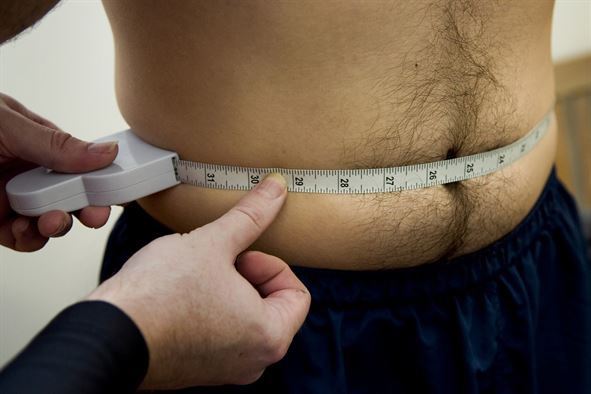
A simple way to tell if you have excess visceral fat is to measure your waist circumference. If it is greater than 36” for females or 40” for males, you are at risk. This is especially true if you aren’t able to pinch much fat around your waist, which suggests you have less subcutaneous fat and more visceral fat. Keep in mind that this isn’t foolproof, and a high waist circumference doesn’t always mean excess visceral fat, but it’s a good indicator.

Fat can also accumulate inside the liver, a condition is called fatty liver disease. You might expect this to be the result of eating too much fat in your diet, but a more common cause is too much sugar. When you eat excessive amounts of sugar, the liver can turn it into fat. This is especially true if the sugar is fructose, which is found in many artificially sweetened foods and beverages as high fructose corn syrup. When the liver converts fructose to fat it damages the liver and can lead to inflammation, cirrhosis, and liver failure.

The bottom line is that excess fat anywhere is unhealthy, but some forms of fat are particularly dangerous. Losing weight and body fat can reduce the negative effects of body fat. Improving your diet to reduce sugar intake is important for weight control and to minimize liver damage. Exercise also plays an essential role in reducing or reversing some of the negative effects of excess fat so you should strive to be more active every day regardless of your body weight.


drparrsays blog footer

Fitness before, during, and after military service

There is no question that military training and service is physically and mentally demanding. Living and working in dangerous environments has clear risks to physical and mental health. For this reason, military recruits and active-duty soldiers require a high level of strength and endurance along with good stress management and other coping strategies. The importance of exercise and fitness for military service is the topic of my Health & Fitness column in the Aiken Standard this week.

One goal of military training is to develop these skills and abilities in already fit and healthy recruits or continuing service members. Unfortunately, many potential recruits are ineligible for military service because of physical limitations due to poor fitness. This is due to the common pattern of inactivity and obesity among young people. A report from the Council for a Strong America finds that being overweight is the major reason that civilian military recruits are deemed medically unfit for service. These attributes are more likely to be lacking among overweight recruits. Equally troubling is the fact that poor physical fitness disqualifies a high percentage of young men and women who are at a “healthy” weight. A 2010 report, written by a panel of retired military leaders, raises these same concerns, and has the ominous title, “Too Fat to Fight.” A follow-up report, “Still Too Fat to Fight,” suggests that the situation hasn’t improved. Not only are many young people disqualified from military service, those who do enter basic training may sustain injuries that delay or terminate their training. These injuries are more likely to occur in recruits who are obese and unfit at entry. Recuits who lack resilience and stress management skills are also less likely to complete training. This highlights the importance of promoting good mental and physical health among young people, especially those who are planning to serve in the military. Maintaining physical and mental health is also critical for active-duty troops and reservists to maintain readiness. Not only is exercise the best way to maintain physical strength and endurance, but it is also important for stress management and reducing anxiety and depression. Exercise plays in important role for the health and wellbeing of military veterans. First, regular exercise helps prevent a decline in fitness and can prevent weight gain that is common following military service. Additionally, exercise is a key component of physical therapy for recovery from injuries sustained during service. Equally important is the mental health benefits of regular exercise. Depression and anxiety are common among military veterans. It is well-established that exercise is effective for treating these conditions, both alone and in combination with other therapies. This is especially relevant for soldiers dealing with post-traumatic stress disorder (PTSD). It is estimated that as many as 20–30% of soldiers meet the diagnostic criteria for PTSD. Most soldiers diagnosed with PTSD also have or develop other conditions including major depressive disorder, anxiety, or substance abuse disorder. The treatment for PTSD is challenging and includes cognitive behavioral therapy, medications, and other lifestyle modifications. Among these is exercise. Prior exercise has been shown to reduce the risk of developing PTSD and exercise itself can reduce PTSD symptoms, with and without other treatment. All of this supports the importance of exercise for developing and maintaining physical fitness, physical health, and mental health among military recruits, active-duty soldiers, and veterans. The rest of us can gain these same benefits from regular exercise, too.
drparrsays blog footer

After October: Turning awareness into action to prevent breast cancer.

October was Breast Cancer Awareness month. Thanks to the efforts of local and national organizations and a number of events in our area, we should all be aware of the importance of education, screening, treatment, and research toward a cure for breast cancer. These are all worthy goals that deserve our full attention and support. Now it is time to take the awareness that we gained over the past month and turn it in to action for the rest of the year. This is the topic of my Health & Fitness column in the Aiken Standard this week.

cancer exercise group


Approximately 1 in 8 women will develop breast cancer. The American Cancer Society estimates that around 300,000 new cases of breast cancer are diagnosed and nearly 40,000 women die from this disease each year. Breast cancer can occur in men, but these cases are rare, so the focus is rightfully on women.

Much attention is given to genetic factors that increase the risk of breast cancer, in particular certain gene mutations, including BRCA1 and BRCA2. Between 20­–30% of cases occur in women who have a family history of breast cancer, which can double the risk of being diagnosed.

However, most women who are diagnosed with breast cancer have no family history, so there are other factors that play a role. Many of these are lifestyle factors that can reduce the risk for and improve the treatment and survival of breast cancer patients. The good news is that these changes benefit all of us because they also reduce the risk of other cancers, cardiovascular disease, and most other chronic diseases.

Avoid tobacco use. Smoking may increase the risk of breast cancer and certainly increases the risk of other cancers, especially lung cancer, as well as heart attack, stroke, and other lung diseases. Not smoking, or quitting now, is among the best health decisions a woman can make. E-cigarettes are not a safe alternative to cigarettes, so quitting really means quitting all forms of smoking.

Consume alcohol in moderation. Alcohol can alter the level of hormones, including estrogen, that increase breast cancer risk. Women who consume more than two drinks per day increase their risk of breast cancer by 20% over women who don’t drink.

Maintain a healthy body weight. Being overweight can increase the risk of breast cancer in post-menopausal women by 30–60%. Excess body fat can alter the levels of estrogen and other hormones. The good news is that losing as little as 10 pounds can reduce this risk. Additionally, being overweight is associated with a higher risk of diabetes and heart disease, among other conditions.

Be physically active every day. Regular activity and exercise can lower breast cancer risk by as much as 20%by reducing the level of certain hormones that are associated with breast cancer. Women who exercise also tend to handle breast cancer treatment better than women who aren’t active and exercise can reduce the risk of cancer reoccurrence by 25%. These benefits can be achieved through 45–60 minutes of brisk walking five days per week.

Eat a healthy diet. The evidence from studies on the effect of diet on breast cancer risk is mixed, with more research needed. In general, increasing fruit, vegetable, and whole grain intake is associated with at least some decrease in breast cancer risk. These foods are rich in vitamins, minerals, and fiber, so eating more of them is beneficial for reasons beyond cancer prevention.

The bottom line is that turning awareness into action to improve health behaviors can prevent breast cancer and reduce the risk of other cancers as well as many other serious health problems.


drparrsays blog footer

Mindfulness matters for making meaningful and lasting health behavior changes

Mindfulness can be described as an awareness of thoughts, feelings, bodily sensations, and the surrounding environment. This is most commonly explored through mindful meditation, a practice that is credited with improving physical and mental health. Beyond meditation, being mindful can help to improve attention and focus in nearly every aspect of life. This is important for making meaningful and lasting health behavior changes. This is the topic of my Health & Fitness column in the Aiken Standard this week.

Mindful brain

Continue reading

Fitness and recovery from illness

Exercise is one of the most important things you can do to improve your health. Among other health and fitness benefits, it can have a positive effect on your immune system. People who participate in moderate exercise daily have fewer and less severe colds and have up to 50% fewer sick days than those who aren’t regularly active.

Research shows that exercise increases the activity of certain immune cells called helper T cells. This makes the immune system response to viruses, like the cold, flu, and coronavirus, more robust. The strongest evidence is seen when the exercise is moderate in intensity and duration, such as walking, jogging, cycling, or swimming for 30–60 minutes.

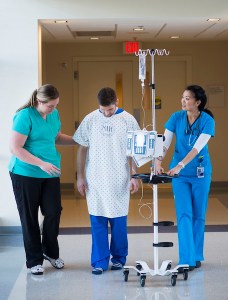
Improving your fitness through regular exercise is also important for recovering from illness that keeps you from being active for several days or a hospitalization that keeps you in bed for a week, a month, or longer.

This is the topic of my Health & Fitness column in the Aiken Standard this week.

Patient walking in hospital


The problem with periods of inactivity, like bed rest or hospitalization, is that there are severe physiological effects that occur within days and get worse over time. You may have noticed this as weakness and fatigue after spending a few days in bed with a cold.

Muscle strength declines with each day of bed rest, and can be 50% lower following as little as three weeks. That reduction in strength could limit a person who was already deconditioned to a point where he or she would have difficulty completing the most basic activities of daily living.

A person who was fit and strong when they went into the hospital would certainly be better off when released. And older adults fare worse than younger individuals. According to one study, the decline in strength seen in older men in just 10 days was equivalent to the change measured after 28 days in men 30 years younger.

It’s not just the muscles that are affected, the bones get weaker, too. In fact, 12 weeks of bed rest can reduce bone density by as much as 50%, exposing patients to a greater risk of fracture. This is due to the reduced stress on the bone from not standing and walking as well as the lack of muscle activity.

Two of the most effective ways to build bone density are putting stress on bones through weight-bearing activity and the action of the muscles pulling on the bones from resistance training. Because bed rest eliminates both of these stresses, bone density declines rapidly.

One unique study from the 1960s had healthy young men complete three weeks of bed rest. They all experienced a rapid decline (over 20%) in their aerobic fitness, but recovered quickly after the experiment ended. These individuals also had their fitness tested again 30 years later. It turns out that the decline in fitness in those young men in three weeks of bed rest was greater than the decline in fitness that occurred over 30 years of aging!

The good news is that most patients are encouraged to move around as much as possible. Some receive inpatient physical therapy or rehab to help lessen the effects of prolonged bed rest. It is important to take advantage of these opportunities if you, or a loved one, are hospitalized. Since the effects of bed rest are seen in people of all ages, everyone can benefit from building a foundation of good fitness through regular exercise.


drparrsays blog footer