Tag Archives: vegetables

Go green for Earth Day

As Earth Day approaches we should think about the impact we have on our environment. We should also think about what we can do to reduce that impact. The good news is there are ways we can “go green” that are good for our health and the health of our planet, as I explain in my Health & Fitness column in the Aiken Standard this week.
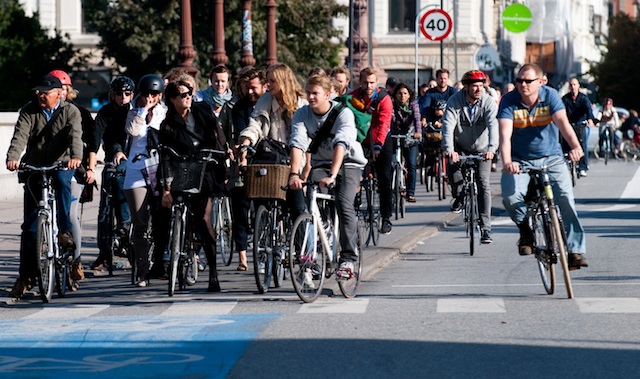

Bicycle commuting


First, you can go green by replacing car trips with walking or cycling. Every mile you drive releases carbon dioxide and other pollutants into the environment. Additionally, spending more time sitting in your car can also have negative effects on your health and happiness. Walking or biking has no such effects on the environment and has important health benefits including improved fitness, weight control, and greater feelings of wellbeing. Despite the potential environmental and health benefits of replacing car trips with active transportation, 37% of Americans report not walking for transportation at all in a given week.

Obviously, walking or biking everywhere isn’t practical. But you could probably replace some car trips with active transportation. Most people commute less than five miles to work and nearly half of all car trips are less than two miles. Both are reasonable distances to bike or walk. If you have several places to go, you can always park in a central location and walk to each destination.

The second way you can go green is by eating more vegetables and fruits. Fruits and vegetables contain vitamins, minerals, and fiber and most are low in calories. At a minimum, you should eat five servings per day with an emphasis on fresh fruits and vegetables. You should also try to buy from area farmers. Eating locally grown food is good for you and the environment. Food production and delivery is second only to cars for fossil fuel use  and is the biggest contributor to greenhouse gas emissions. Did you know that the food items that make up a typical meal travel 22,000 miles to get to your table? Food from local farms is associated with fewer “food miles” and a lower environmental footprint.

Additionally, produce grown locally is picked at the peak of freshness, meaning it is richer in nutrients, not to mention flavor. By contrast, produce that is grown far away is picked before it is ripe, resulting in lower nutritional value. As an added benefit, the money you spend on food from local farms stays in our area, supporting farmers who live in our community.

Since you are eating more veggies, you can eat less meat. Raising animals for meat, milk, and eggs has a major impact on the environment. Over a quarter of land is dedicated to raising livestock, and almost 15% of total greenhouse gas emissions come from livestock. These animals also produce tons of manure every minute, at least some of which ends up polluting water supplies.

Finally, you can literally “go green” when you exercise. Being active outdoors leads to enhanced feelings of energy and diminished fatigue, anxiety, anger, and sadness compared to similar activity conducted indoors. Additionally, some research suggests that outdoor activity may improve attention in adults and children. Another advantage of exercising outdoors is that you might get a better workout because you will likely walk or run faster outdoors. Research shows that even though people tend to exercise at a higher intensity outside, it may feel easier. Much of the psychological benefit of outdoor exercise occurs in the first five minutes, so even short bouts of activity, like walking instead of driving a short distance, are meaningful.

So, as you celebrate Earth Day this week, think about all the ways you can go green—it’s good for you and the environment.

Being mindful of eating habits, according to Shannon.

I had an interesting conversation with my friend Shannon earlier this week that fit with the topic of being mindful of health habits. (I have written about Shannon previously, but not for some time) 

She was telling me that one recent evening she drove to three fast food restaurants to get dinner for her family. Apparently, she wanted food from a different place than her husband, neither of which worked for her kids. As they sat down at the dinner table she became mindful of how ridiculous this was.

First, she spent almost an hour driving to fetch the food. This was time she could have spent doing any number of things, including actually preparing a meal for her family. Second was the cost, including the food itself and the gas required to drive to three different restaurants. Third, looking at the food they were eating made her realize that it wasn’t healthy. In fact, their meal included no fruits or vegetables (beyond french fries) at all!

What struck me was that the quality of the food they were eating was the last thing Shannon mentioned to me, almost as a afterthought. What got her attention was the time and money she sent on the food. Cooking at home could have taken less time and certainly would have cost less. It would have been healthier, too.

At least they ate dinner together


Being mindful of eating habits, according to Shannon.

I had an interesting conversation with my friend Shannon earlier this week that fit with the topic of being mindful of health habits. (I have written about Shannon previously, but not for some time) 

She was telling me that one recent evening she drove to three fast food restaurants to get dinner for her family. Apparently, she wanted food from a different place than her husband, neither of which worked for her kids. As they sat down at the dinner table she became mindful of how ridiculous this was.

First, she spent almost an hour driving to fetch the food. This was time she could have spent doing any number of things, including actually preparing a meal for her family. Second was the cost, including the food itself and the gas required to drive to three different restaurants. Third, looking at the food they were eating made her realize that it wasn’t healthy. In fact, their meal included no fruits or vegetables (beyond french fries) at all!

What struck me was that the quality of the food they were eating was the last thing Shannon mentioned to me, almost as a afterthought. What got her attention was the time and money she sent on the food. Cooking at home could have taken less time and certainly would have cost less. It would have been healthier, too.

At least they ate dinner together


My kids will be thrilled to learn that they don’t have to eat vegetables anymore!

According to this video from SCI CODE’s Coma Niddy (via The Kid Should See This), there is no such thing as vegetables.  What we think of as vegetables are really fruits, roots, stems, and leaves.

That said, these formerly-known-as-vegetables are still really good for us and we should eat them.

While my kids will thrilled to learn that they don’t need to eat “vegetables” anymore, I suspect they will be less amused by a plate full of tubers and legumes.

Stealthy Healthy Eating

My Health & Fitness column in the Aiken Standard this week is about the many processed foods that include added nutrients, primarily vitamins, minerals, and fiber, to make them healthier. While this seems like a good thing—helping people get enough essential nutrients, even if they eat a poor diet—there are drawbacks to using these foods instead of eating actual food that contains these nutrients.


What if there was a way to get the benefits of eating vegetables without having to eat any vegetables? This may be a dream for millions of American children and adults who don’t eat enough vegetables.

Thanks to creative food processing, the healthy components of vegetables can be added to many foods, including soda, candy bars, and other sweets. Books and websites contain recipes for adding pureed vegetables to brownies and other baked goods. There is even a new line of prepackaged pureed vegetables to use!

The recommended intake of vegetables ranges from one cup per day for young children to 3 cups for adults. A simpler guideline is to fill half of your plate with fruits and vegetables at each meal. The goal should be to eat a variety of vegetables throughout the week.

There are plenty of good reasons for people to eat vegetables. Most vegetables are a low-calorie source of essential vitamins and minerals. The dietary fiber found in vegetables (and fruits and whole grains) plays a role in maintaining a healthy body weight, lowering cholesterol, and reducing the risk of some cancers.

Fiber is increasingly added to processed foods including granola bars and energy bars. It is possible to get up to half of your daily recommended intake of fiber by eating a single Fiber One bar. That is the equivalent of a cup or more of most vegetables! Considering that many of these snacks are essentially candy bars, they are a tasty way to get fiber.

Vitamins and minerals have long been available as supplements and added to certain foods, including products made from grains like pasta and bread. But now you can get vitamins in many soft drinks, many of which have as much sugar as soda. And calcium is added to a variety of foods from breakfast cereals to snacks.

There are, of course, some benefits of doing this. People who don’t eat a healthy diet can get enough essential nutrients through these products. Some of these foods are low in calories so they can help people who are trying to lose weight.

While these “hidden” nutrients may seem like a good solution for people who don’t eat enough vegetables, this form of stealthy healthy eating may have some negative consequences.

These processed foods may be high in sugar, fat, and calories which could contribute to weight gain. The fact that these foods are designed to taste good—many include chocolate—may lead people to overeat. Aside from excess calories, eating far too much fiber could cause GI discomfort or other health problems.

More concerning, though, is the fact that these foods set an expectation that healthy foods should be sweet. This is particularly problematic in children, who may avoid eating vegetables (and other healthy foods) in favor of sweet drinks and snacks that contain the same nutrients.

Additionally, getting vitamins, minerals, and fiber through processed foods keeps people from learning how to make healthy choices and prepare real food. This has consequences for developing healthy eating habits in both children and adults.

Focusing on getting individual nutrients over eating a variety of healthy foods is thought to be an important cause of the current obesity epidemic. Relying on processed foods with added vitamins, minerals, and fiber may be doing more harm than good to your health.

The bottom line is that you should get your nutrients from real food and balance what you eat with daily physical activity. Remember, good health comes from making smart choices, not from a bottle or a box!