Tag Archives: stress

Chill Out — Understanding and Reducing Stress

Chronic stress can have serious emotional, psychological, and physiological effects that contribute to or exacerbate many health problems. In fact, the negative health effects of chronic stress are like those of eating a poor diet or not getting enough physical activity. That said, managing stress, including getting enough sleep, is often overlooked as a key component of good health.

Continue reading

Kickstart a Healthier You: Tips for 2026

Many people start off the New Year with a general desire to improve their health. But being “more healthy” can include an almost endless list of changes, leaving people unsure of where to begin. Furthermore, there is a perception that you have to implement all of the changes simultaneously or follow a complicated program in order to see results.

But it doesn’t need to be this way. Fortunately, there are a few simple guidelines that have the potential to lead to significant improvements in health, fitness, and wellbeing. 

Continue reading

Chill out! Understanding and reducing stress.

Chronic stress can have serious emotional, psychological, and physiological effects that contribute to or exacerbate many health problems. In fact, the negative health effects of chronic stress are like those of eating a poor diet or not getting enough physical activity. That said, managing stress, including getting enough sleep, is often overlooked as a key component of good health.

The effects of stress and the importance of stress management is the topic of my Health & Fitness column in the Aiken Standard this week.
stress


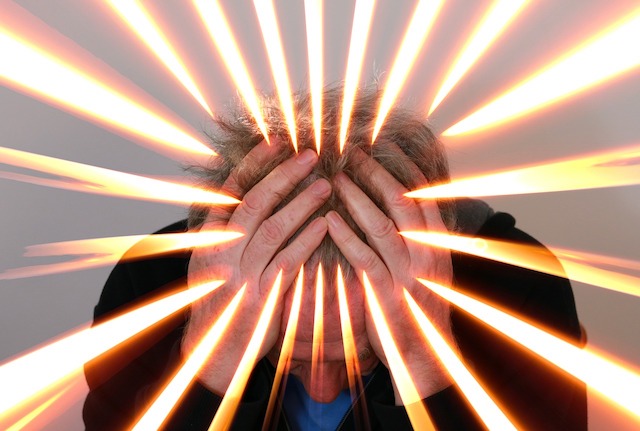
The word “stress” is typically used to indicate both the feeling of being “under a lot of stress” as well as the things that cause that feeling. The events and situations that cause stress are properly called stressors, which lead to a stress response that includes consequences we feel as well as physiological changes we may not notice.

The immediate effect of a stressor is called the “fight or flight” response since it prepares the body to deal with a dangerous situation. A classic example of this is a caveman who encounters a saber-toothed tiger, clearly a stress-inducing event.

The sympathetic nervous system is immediately activated, which raises heart rate and blood pressure to pump more blood to the muscles. Additionally, stored fat and carbohydrate fuels are broken down as fuel for the muscles. The adrenal glands release catecholamines (adrenaline) and cortisol (the stress hormone) to prolong and enhance this effect. This coordinated response makes sure the caveman’s body is ready for action. After the danger passes, everything returns to normal.

This physiological response is appropriate for major events like saber-toothed tiger encounters, but not for less perilous stressors like being stuck in traffic, pressure at work or home, and other personal and family issues. But the body responds with the same increase in blood pressure and hormones to them all. Unlike a rare saber-toothed tiger encounter, these stressors tend to occur on a daily basis, leading to continuous stress response.

The increase in hormones can lead to high blood pressure, obesity, type 2 diabetes, and other chronic diseases. This is partly due to elevated levels of cortisol, a hormone that plays a role in storing fat and increasing appetite. While elevated cortisol during exercise (including running away from a saber-toothed tiger) is normal, chronic overproduction can have negative effects.

While it is impossible to avoid all stress in life, minimizing stressors and managing the way you respond to stress can have important benefits. To the extent that it is possible, avoiding stressful situations through better time management, setting realistic expectations for ourselves and with others, and learning to say “no” are common recommendations.

Learning how to deal with stressors to avoid the negative effects of stress is also important. Techniques that can be implemented in the heat of a stressful moment include taking a break from the situation, listening to calming music, and progressive relaxation. Even taking a deep breath can help.

Exercise has long been recognized as beneficial for reducing stress and the long-term effects of stress on your health. This includes doing something active during a stressful situation and exercising regularly to improve the way your body responds to stress. While all forms of exercise seem to work, much research and practice has focused on specific types of exercise including yoga and Tai Chi.

Other effective strategies traditionally include meditation and relaxation exercises. More and more research shows that getting enough sleep is also critical for reducing stress and the impact it has on your health. Eating a healthy diet can reduce the effects of stress as well.

The bottom line is that a healthy lifestyle includes stress management as well as a good diet and regular activity. Since all three are essential for good health, it would be wise to eat smart, move more, and chill out!



drparrsays blog footer

Chill out! Understanding and reducing stress.

Chronic stress can have serious emotional, psychological, and physiological effects that contribute to or exacerbate many health problems. In fact, the negative health effects of chronic stress are like those of eating a poor diet or not getting enough physical activity. That said, managing stress, including getting enough sleep, is often overlooked as a key component of good health.

The effects of stress and the importance of stress management is the topic of my Health & Fitness column in the Aiken Standard this week.

stress


The word “stress” is typically used to indicate both the feeling of being “under a lot of stress” as well as the things that cause that feeling. The events and situations that cause stress are properly called stressors, which lead to a stress responsethat includes consequences we feel as well as physiological changes we may not notice.

The immediate effect of a stressor is called the “fight or flight” response since it prepares the body to deal with a dangerous situation. A classic example of this is a caveman who encounters a saber-toothed tiger, clearly a stress-inducing event.

The sympathetic nervous system is immediately activated, which raises heart rate and blood pressure to pump more blood to the muscles. Additionally, stored fat and carbohydrate fuels are broken down as fuel for the muscles. The adrenal glands release catecholamines (adrenaline) and cortisol (the stress hormone) to prolong and enhance this effect. This coordinated response makes sure the caveman’s body is ready for action. After the danger passes, everything returns to normal.

This physiological response is appropriate for major events like saber-toothed tiger encounters, but not for less perilous stressors like being stuck in traffic, pressure at work or home, and other personal and family issues. But the body responds with the same increase in blood pressure and hormones to them all. Unlike a rare saber-toothed tiger encounter, these stressors tend to occur on a daily basis, leading to continuous stress response.

The increase in hormones can lead to high blood pressure, obesity, type 2 diabetes, and other chronic diseases. This is partly due to elevated levels of cortisol, a hormone that plays a role in storing fat and increasing appetite. While elevated cortisol during exercise (including running away from a saber-toothed tiger) is normal, chronic overproduction can have negative effects.

While it is impossible to avoid all stress in life, minimizing stressors and managing the way you respond to stress can have important benefits. To the extent that it is possible, avoiding stressful situations through better time management, setting realistic expectations for ourselves and with others, and learning to say “no” are common recommendations.

Learning how to deal with stressors to avoid the negative effects of stress is also important. Techniques that can be implemented in the heat of a stressful moment include taking a break from the situation, listening to calming music, and progressive relaxation. Even taking a deep breath can help.

Exercise has long been recognized as beneficial for reducing stress and the long-term effects of stress on your health. This includes doing something active during a stressful situation and exercising regularly to improve the way your body responds to stress. While all forms of exercise seem to work, much research and practice has focused on specific types of exercise including yoga and Tai Chi.

Other effective strategies traditionally include meditation and relaxation exercises. More and more research shows that getting enough sleep is also critical for reducing stress and the impact it has on your health. Eating a healthy diet can reduce the effects of stress as well.

The bottom line is that a healthy lifestyle includes stress management as well as a good diet and regular activity. Since all three are essential for good health, it would be wise to eat smart, move more, and chill out!


drparrsays blog footer

Healthy for the Holidays

Now that Thanksgiving has past, the holiday season is in full swing. At the same time, this is also cold and flu season and COVID-19 is still very much a concern, as are other viruses including respiratory syncytial virus (RSV). In addition, the holiday season itself, with hectic schedules, stress, and lack of sleep, can weaken your immune system making you more susceptible to getting sick. The good news is that there is much you can do to keep yourself and the people close to you healthy for the holidays.

For starters, getting vaccinated (or boosted) against the flu and COVID-19 is the best way to protect yourself. Another basic step in preventing sickness is to wash your hands regularly. Soap and water is best, and there is no additional benefit in using an antibacterial soap. If you can’t wash your hands, an alcohol-based hand sanitizer is an acceptable alternative. Keep in mind that hand sanitizers don’t actually clean your hands and aren’t as effective if your hands are dirty.

We may be out of practice on this, but physical distancing when possible and wearing a mask when you are around others, especially indoors, is also effective. Masks and physical distancing are important because COVID, influenza, and common cold viruses are spread through the air when an infected person coughs, sneezes, talks loudly, or sings, so avoiding close contact with people who are sick—or who may be sick—is important. If you are sick, it is essential that you stay away from others as much as you can. Cover your mouth and nose with a tissue or cough or sneeze onto your sleeve to help keep the germs from spreading through the air or on your hands.

People who participate in moderate exercise on a daily basis have fewer and less severe illnesses than people who aren’t regularly active. This is because exercise has the effect of stimulating the immune system, making it better able to respond when you are exposed to cold or flu viruses. Being active every day is essential for the health of your immune system…and the rest of you!

Good nutrition is also necessary for optimal immune system function. Deficiencies in certain nutrients can have a negative effect on immune function, so eating a balanced diet is essential. That said, there is no support for “boosting” the immune system by taking high doses of vitamins, minerals, or other supplements, despite the claims made by supplement companies. The best advice is to eat a variety of fruits and vegetables every day, drink plenty of water, and avoid highly processed foods, especially those that contain added sugar.

You can get benefits from two more common-sense recommendations: getting adequate sleep and reducing stress. Poor sleep habits are associated with suppressed immunity and more frequent illness. High levels of stress increase susceptibility to viruses and can lead to more sick days from work or school. Stress and poor sleep habits tend to occur together, creating a double negative effect on the immune system.

By taking these steps, you can improve your chances of celebrating the holidays in good health. As a bonus, eating a healthy diet, exercising every day, managing your stress, and getting enough sleep will give you a head start on what are likely to be New Year’s resolutions.

Chill out! Understanding and managing stress.

There is no doubt that the past year has been especially stressful. From very real health and economic concerns to social distancing and working or learning from home, most of us are experiencing a higher level of stress. Much of this is unavoidable but finding ways to reduce the impact stress has on is essential for maintaining our physical and mental health. This is the topic of my Health & Fitness column in the Aiken Standard this week.

woman-doing-yoga-inside-a-room-3094215
Photo by Valeria Ushakova from Pexels
Continue reading

Healthy for the Holidays

Now that Thanksgiving has past, the holiday season is in full swing. At the same time, we are in the midst of the COVID-19 pandemic that has changed virtually every aspect of our lives. If that’s not enough, this is also cold and flu season. In addition, the holiday season itself, with hectic schedules, stress, and lack of sleep, can weaken your immune system making you more susceptible to getting sick. The good news is that there is much you can do to keep yourself and the people close to you healthy for the holidays.

For starters, following the familiar recommendations to prevent the spread of COVID-19 will help prevent colds and the flu, too. This includes physical distancing and wearing a mask anytime you are close to others, especially indoors. Another basic step in preventing sickness is to wash your hands regularly. Soap and water is best, and there is no additional benefit in using an antibacterial soap. If you can’t wash your hands, an alcohol-based hand sanitizer is an acceptable alternative. Keep in mind that hand sanitizers don’t actually clean your hands and aren’t as effective if your hands are dirty.

Masks and physical distancing are important because SARS-CoV-2, influenza, and common cold viruses are spread through the air when an infected person coughs, sneezes, talks loudly, or sings, so avoiding close contact with people who are sick—or who may be sick—is important. If you are sick, it is essential that you stay away from others as much as you can. Cover your mouth and nose with a tissue or cough or sneeze onto your sleeve to help keep the germs from spreading through the air or on your hands.

People who participate in moderate exercise on a daily basis have fewer and less severe illnesses than people who aren’t regularly active. This is because exercise has the effect of stimulating the immune system, making it better able to respond when you are exposed to cold or flu viruses. Presumably, the same is true for the virus that causes COVID-19, so being active every day is essential for the health of your immune system…and the rest of you!

Good nutrition is also necessary for optimal immune system function. Deficiencies in certain nutrients can have a negative effect on immune function, so eating a balanced diet is essential. That said, there is no support for “boosting” the immune system by taking high doses of vitamins, minerals, or other supplements, despite the claims made by supplement companies. The best advice is to eat a variety of fruits and vegetables every day, drink plenty of water, and avoid highly processed foods, especially those that contain added sugar.

You can get benefits from two more common-sense recommendations: getting adequate sleep and reducing stress. Poor sleep habits are associated with suppressed immunity and more frequent illness. High levels of stress increase susceptibility to viruses and can lead to more sick days from work or school. Stress and poor sleep habits tend to occur together, creating a double negative effect on the immune system.

By taking these steps, you can improve your chances of celebrating the holidays in good health. As a bonus, eating a healthy diet, exercising every day, managing your stress, and getting enough sleep will give you a head start on what are likely to be New Year’s resolutions.

Healthy stress management (because we need it right now)

woman-doing-yoga-inside-a-room-3094215

Photo by Valeria Ushakova from Pexels

Continue reading

Chill out! Why less stress (and more sleep) is essential for good health.

Chronic stress can have serious emotional, psychological, and physiological effects that contribute to or exacerbate many health problems. In fact, the negative health effects of chronic stress are like those of eating a poor diet or not getting enough physical activity. That said, managing stress, including getting enough sleep, is often overlooked as a key component of good health.

The effects of stress and the importance of stress management is the topic of my Health & Fitness column in the Aiken Standard this week.

stress


The word “stress” is typically used to indicate both the feeling of being “under a lot of stress” as well as the things that cause that feeling. The events and situations that cause stress are properly called stressors, which lead to a stress responsethat includes consequences we feel as well as physiological changes we may not notice.

The immediate effect of a stressor is called the “fight or flight” response since it prepares the body to deal with a dangerous situation. A classic example of this is a caveman who encounters a saber-toothed tiger, clearly a stress-inducing event.

The sympathetic nervous system is immediately activated, which raises heart rate and blood pressure to pump more blood to the muscles. Additionally, stored fat and carbohydrate fuels are broken down as fuel for the muscles. The adrenal glands release catecholamines (adrenaline) and cortisol (the stress hormone) to prolong and enhance this effect. This coordinated response makes sure the caveman’s body is ready for action. After the danger passes, everything returns to normal.

This physiological response is appropriate for major events like saber-toothed tiger encounters, but not for less perilous stressors like being stuck in traffic, pressure at work or home, and other personal and family issues. But the body responds with the same increase in blood pressure and hormones to them all. Unlike a rare saber-toothed tiger encounter, these stressors tend to occur on a daily basis, leading to continuous stress response.

The increase in hormones can lead to high blood pressure, obesity, type 2 diabetes, and other chronic diseases. This is partly due to elevated levels of cortisol, a hormone that plays a role in storing fat and increasing appetite. While elevated cortisol during exercise (including running away from a saber-toothed tiger) is normal, chronic overproduction can have negative effects.

While it is impossible to avoid all stress in life, minimizing stressors and managing the way you respond to stress can have important benefits. To the extent that it is possible, avoiding stressful situations through better time management, setting realistic expectations for ourselves and with others, and learning to say “no” are common recommendations.

Learning how to deal with stressors to avoid the negative effects of stress is also important. Techniques that can be implemented in the heat of a stressful moment include taking a break from the situation, listening to calming music, and progressive relaxation. Even taking a deep breath can help.

Exercise has long been recognized as beneficial for reducing stress and the long-term effects of stress on your health. This includes doing something active during a stressful situation and exercising regularly to improve the way your body responds to stress. While all forms of exercise seem to work, much research and practice has focused on specific types of exercise including yoga and Tai Chi.

Other effective strategies traditionally include meditation and relaxation exercises. More and more research shows that getting enough sleep is also critical for reducing stress and the impact it has on your health. Eating a healthy diet can reduce the effects of stress as well.

The bottom line is that a healthy lifestyle includes stress management as well as a good diet and regular activity. Since all three are essential for good health, it would be wise to eat smart, move more, and chill out!

drparrsays blog footer

Chill out! Why less stress is essential for good health.

Chronic stress can have serious emotional, psychological, and physiological effects that contribute to or exacerbate many health problems. In fact, the negative health effects of chronic stress are like those of eating a poor diet or not getting enough physical activity. That said, managing stress, including getting enough sleep, is often overlooked as a key component of good health.

The effects of stress and the importance of stress management is the topic of my Health & Fitness column in the Aiken Standard this week.

stress


The word “stress” is typically used to indicate both the feeling of being “under a lot of stress” as well as the things that cause that feeling. The events and situations that cause stress are properly called stressors, which lead to a stress response that includes consequences we feel as well as physiological changes we may not notice.

The immediate effect of a stressor is called the “fight or flight” response since it prepares the body to deal with a dangerous situation. A classic example of this is a caveman who encounters a saber-toothed tiger, clearly a stress-inducing event.

The sympathetic nervous system is immediately activated, which raises heart rate and blood pressure to pump more blood to the muscles. Additionally, stored fat and carbohydrate fuels are broken down as fuel for the muscles. The adrenal glands release catecholamines (adrenaline) and cortisol (the stress hormone) to prolong and enhance this effect. This coordinated response makes sure the caveman’s body is ready for action. After the danger passes, everything returns to normal.

This physiological response is appropriate for major events like saber-toothed tiger encounters, but not for less perilous stressors like being stuck in traffic, pressure at work or home, and other personal and family issues. But the body responds with the same increase in blood pressure and hormones to them all. Unlike a rare saber-toothed tiger encounter, these stressors tend to occur on a daily basis, leading to continuous stress response.

The increase in hormones can lead to high blood pressure, obesity, type 2 diabetes, and other chronic diseases. This is partly due to elevated levels of cortisol, a hormone that plays a role in storing fat and increasing appetite. While elevated cortisol during exercise (including running away from a saber-toothed tiger) is normal, chronic overproduction can have negative effects.

While it is impossible to avoid all stress in life, minimizing stressors and managing the way you respond to stress can have important benefits. To the extent that it is possible, avoiding stressful situations through better time management, setting realistic expectations for ourselves and with others, and learning to say “no” are common recommendations.

Learning how to deal with stressors to avoid the negative effects of stress is also important. Techniques that can be implemented in the heat of a stressful moment include taking a break from the situation, listening to calming music, and progressive relaxation. Even taking a deep breath can help.

Exercise has long been recognized as beneficial for reducing stress and the long-term effects of stress on your health. This includes doing something active during a stressful situation and exercising regularly to improve the way your body responds to stress. While all forms of exercise seem to work, much research and practice has focused on specific types of exercise including yoga and Tai Chi.

Other effective strategies traditionally include meditation and relaxation exercises. More and more research shows that getting enough sleep is also critical for reducing stress and the impact it has on your health. Eating a healthy diet can reduce the effects of stress as well.

The bottom line is that a healthy lifestyle includes stress management as well as a good diet and regular activity. Since all three are essential for good health, it would be wise to eat smart, move more, and chill out!


drparrsays blog footer