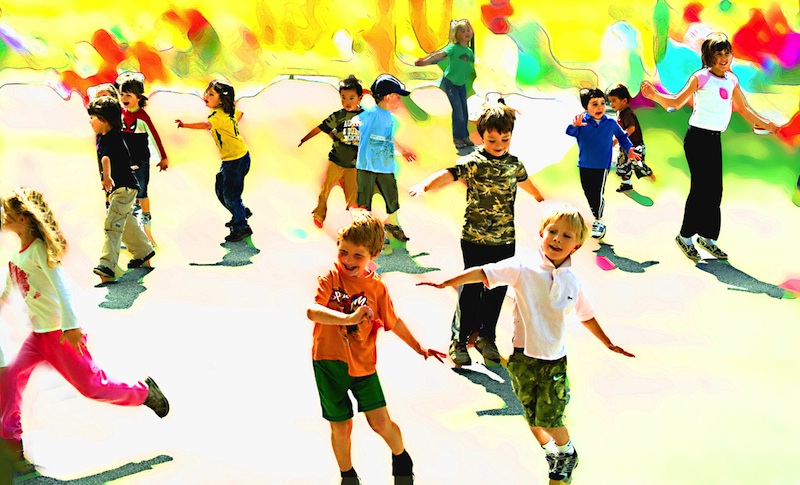
Tag Archives: children

Healthy Back to School for the Whole Family

This week marks the beginning of another school year for many children in our area. Students, parents, and teachers are starting another year filled with opportunities for children to learn and grow through math and science, reading and writing, and art and music. 

But children should also learn about good nutrition and physical activity, since both good health and good education are essential for lifelong happiness and success. In most schools, though, most kids won’t experience much meaningful education about nutrition, activity, and health. 

To be clear, this is not the fault of teachers or individual school leaders, who are limited in what they can do by local, state, and federal requirements. These topics necessarily become “homework,” and the responsibility of parents and other caregivers. 

Here are a few suggestions from my Health & Fitness column in the Aiken Standard to help make everyone happier and healthier this school year.

Make sure everyone in the family is active every day. Physical activity is critical for good health for everyone. Importantly, it can improve your immune system, helping you fight viruses of all kinds. Beyond that, being active can help you perform better at work and school and make it easier to do things you enjoy in your leisure time. Adults should be active for a minimum of 30 minutes per day. Everything from taking the dog for a walk to a fitness class at the gym counts. For children, the goal is 60 minutes per day through PE class, sports, and play. As a bonus, you can do at least some of the activity together to make activity a family event!

Make healthy eating a family project. There is a lot of confusion about what makes a healthy diet, but there are a few guidelines almost everyone agrees on. First, eat more fruits and vegetables. At a minimum, eat at least five servings each day, but try for twice that. Second, limit added sugars and salt. This is tricky since salt, sugar, and other sweeteners are added to most processed foods. Eating too much sugar is known to contribute to obesity, heart disease, and some cancers, so this is among the smartest nutrition moves you can make. Salt, by itself, isn’t necessarily harmful, but less salt almost always means less processed food and more “real” food. Finally, be mindful of portion sizes. Super-sized servings and second (and third) helpings are the primary reason why people gain weight over time.

Plan to eat at least one meal together each day. Most experts agree that family dinners are important for promoting good communication and healthy eating habits. Given that our days are busy with work, school, and other activities, eating dinner together every night is unrealistic for many families. So, start with planning at least one family dinner at home each week. This is also a good opportunity to teach children about food and cooking, so it is even better if you prepare the meal together.

Make getting enough sleep a priority. Many American adults and children don’t get enough sleep. Many American adults and children don’t get enough sleep. Lack of sleep can affect children’s growth, development, and learning.  It can also have an impact on an adult’s productivity at work. The effect of chronic stress on health is well known and we should recognize a lack of sleep as a form of stress. A good goal for adults is 7–9 hours of sleep each night. School-aged children need 8–12 hours, with younger kids requiring more. As difficult as it may be, earlier bedtimes can benefit everyone in the family. Limiting screen time (TV, computer, tablet) before bed can help improve sleep, too.

Obviously, these ideas are easier read than done, especially for busy families. But moving more, eating better, and getting more sleep—especially if it is done together—can help your family enjoy a happier and healthier year.

Failing Grades for Physical Activity (Again)

It’s probably no surprise that the majority of Americans are not active enough. Only about half of adults meet even the minimum recommendation for physical activity of 30 minutes per day, five days per week. Compounding this problem is the fact that many people spend much of their time at work and home being sedentary—some spend over 12 hours per day sitting!

A low level of physical activity is associated with an increased risk of heart disease, stroke, some cancers, and, of course, obesity in adults. Becoming more active is probably the most important change a sedentary person can make to improve their health. The impact is similar to a smoker who quits.

What may be surprising is that this is a problem for children, too. Less than half of children ages 6–11 are active for 60 minutes per day. Among teenagers, it is less than 20%! The health effects of too little activity in kids is similar to that in adults.

The impact of low physical activity on children’s health now and in the future as well as new statistics on activity in kids is the topic of my Health & Fitness column in the Aiken Standard this week.

https://flic.kr/p/58nn9a

Continue reading

Healthy back to school, part 2

Last week I wrote about the importance of physical activity and good nutrition for growth, learning, and development. However, most schools do little to provide meaningful opportunities for activity during the day. Similarly, nutrition education is lacking and the quality of food provided in most schools is poor.

To be clear, this is not the fault of teachers or individual school leaders, who are limited in what they can do by local, state, and federal requirements. Knowing that good nutrition and physical activity support health and academic success, families are held responsible for teaching these topics at home. Here are a few suggestions from my Health & Fitness column in the Aiken Standard to help make everyone happier and healthier this school year.

Make sure everyone in the family is active every day. Physical activity is critical for good health for everyone. Importantly, it can improve your immune system, helping you fight viruses of all kinds. Beyond that, being active can help you perform better at work and school and make it easier to do things you enjoy in your leisure time. Adults should be active for a minimum of 30 minutes per day. Everything from taking the dog for a walk to a fitness class at the gym counts. For children, the goal is 60 minutes per day through PE class, sports, and play. As a bonus, you can do at least some of the activity together to make activity a family event!

Make healthy eating a family project. There is a lot of confusion about what makes a healthy diet, but there are a few guidelines almost everyone agrees on. First, eat more fruits and vegetables. At a minimum, eat at least five servings each day, but try for twice that. Second, limit added sugars and salt. This is tricky since salt, sugar, and other sweeteners are added to most processed foods. Eating too much sugar is known to contribute to obesity, heart disease, and some cancers, so this is among the smartest nutrition moves you can make. Salt, by itself, isn’t necessarily harmful, but less salt almost always means less processed food and more “real” food. Finally, be mindful of portion sizes. Super-sized servings and second (and third) helpings are the primary reason why people gain weight over time.

Plan to eat at least one meal together each day. Most experts agree that family dinners are important for promoting good communication and healthy eating habits. Given that our days are busy with work, school, and other activities, eating dinner together every night is unrealistic for many families. So, start with planning at least one family dinner at home each week. This is also a good opportunity to teach children about food and cooking, so it is even better if you prepare the meal together.

Make getting enough sleep a priority. Many American adults and children don’t get enough sleep. Many American adults and children don’t get enough sleep. Lack of sleep can affect children’s growth, development, and learning.  It can also have an impact on an adult’s productivity at work. The effect of chronic stress on health is well known and we should recognize a lack of sleep as a form of stress. A good goal for adults is 7–9 hours of sleep each night. School-aged children need 8–12 hours, with younger kids requiring more. As difficult as it may be, earlier bedtimes can benefit everyone in the family. Limiting screen time (TV, computer, tablet) before bed can help improve sleep, too.

Obviously, these ideas are easier read than done, especially for busy families. But moving more, eating better, and getting more sleep—especially if it is done together—can help your family enjoy a happier and healthier year.

Staying healthy when going back to school, part 2

Last week I wrote about how to make returning to school healthier for children and families. The focus was on preventing the spread of COVID through vaccinations and mask use. Unfortunately, schools in our community cannot require children and teachers to wear masks and be vaccinated when eligible, so many schools are already seeing outbreaks leading to quarantines, closure of some schools, and some serious illnesses and deaths. Keeping children and families safe from COVID remains the top priority when it comes to making this school year a healthy one.

But there is more we all should do to stay healthy this year.  Here are a few suggestions to improve the health and wellbeing of our children and families.

 Make sure everyone in the family is active every day. Physical activity is critical for good health for everyone. Importantly, it can improve your immune system, helping you fight viruses of all kinds. Beyond that, being active can help you perform better at work and school and make it easier to do things you enjoy in your leisure time. Adults should be active for a minimum of 30 minutes per day. Everything from taking the dog for a walk to a fitness class at the gym counts. For children, the goal is 60 minutes per day through PE class, sports, and play. As a bonus, you can do at least some of the activity together to make activity a family event!

Make healthy eating a family project. There is a lot of confusion about what makes a healthy diet, but there are a few guidelines almost everyone agrees on. First, eat more fruits and vegetables. At a minimum, eat at least 5 servings each day, but try for twice that. Second, limit added sugars and salt. This is tricky since salt, sugar, and other sweeteners are added to most processed foods. Eating too much sugar is known to contribute to obesity, heart disease, and some cancers, so this is among the smartest nutrition moves you can make. Salt, by itself, isn’t necessarily harmful, but less salt almost always means less processed food and more “real” food. Finally, be mindful of portion sizes. Super-sized servings and second (and third) helpings are the primary reason why people gain weight over time.

Plan to eat at least one meal together each day. Most experts agree that family dinners are important for promoting good communication and healthy eating habits. Given that our days are busy with work, school, and other activities, eating dinner together every night is unrealistic for many families. So, start with planning at least one family dinner at home each week. This is also a good opportunity to teach children about food and cooking, so it is even better if you prepare the meal together.

Make getting enough sleep a priority. Many American adults and children don’t get enough sleep. Many American adults and children don’t get enough sleep. Lack of sleep can affect children’s growth, development, and learning.  It can also have an impact on an adult’s productivity at work. The effect of chronic stress on health is well known and we should recognize a lack of sleep as a form of stress. A good goal for adults is 7–9 hours of sleep each night. School-aged children need 8–12 hours, with younger kids requiring more. As difficult as it may be, earlier bedtimes can benefit everyone in the family. Limiting screen time (TV, computer, tablet) before bed can help improve sleep, too.

Obviously, these ideas are easier read than done, especially for busy families. But moving more, eating better, and getting more sleep—especially if it is done together—can help your family enjoy a happier and healthier year.

Staying healthy when going back to school, part 1

It’s the time of year when summer is winding down and kids are heading back to school. After two years of learning that was disrupted by the COVID-19 pandemic, parents, students, and teachers were hoping for a more normal return to school. As we know, all children need to be healthy to learn and grow at school. Staying healthy includes avoiding illness, of course, but it also includes regular physical activity, good nutrition, and getting enough sleep.

When it comes to the health of students, teachers and their families, the biggest concern this year is still the SARS-CoV-2 virus. The predominant virus now is the delta variant, which spreads more readily and tends to lead to more serious infections, including in children. The best way to prevent infection and illness is through vaccinations, masking, and physical distancing.

While vaccinated people can still spread the virus, they are less likely to get seriously ill and require hospitalization. In recent weeks, over 95% of people who have been hospitalized or died due to the delta variant were unvaccinated. This strongly suggests that vaccination can prevent serious illness.

The fact that the delta variant can be easily spread, even by vaccinated people, explains the continued need for masking. The CDC recommends mask use indoors for all people regardless of vaccination status. This is especially, important in schools, since many school-age children who are under the age of 12 are not eligible for the vaccine.

Unfortunately, in our area and others around the country, vaccination rates are relatively low, putting many children and adults at risk. Adding to the problem, in some places mask use cannot be required in schools or is not encouraged among students and teachers. For example, at my kids’ school, parents were told that children who wear masks would be “welcomed” on campus.  

This is far short of the recommendation given by other local school leaders that actively promote vaccinations and mask use for students and staff, despite a prohibition of making these steps requirements for attendance. Already there are some schools that do not require mask use in our area and elsewhere that have had to make changes to their face-to-face teaching plan due to COVID outbreaks at their school.

The first step in making this a healthy return to school by protecting children, teachers, and their families from serious illness is to get vaccinated, wear masks, and physically distance when possible in schools. The COVID vaccinations are safe, effective, and free, so with very few exceptions there is no good reason for everyone not to get vaccinated.

We are all tired of wearing masks, but they are an easy way to allow people to more safely gather indoors whether that is at school, work, or other settings. Physical distancing, while not always easy, is also a good way to limit the spread of COVID and other viruses in crowded environments like classrooms. These same steps allowed many schools to open for in person learning last year and are the key to keeping kids in school this year.

Keeping children safe from COVID to allow them to stay in school is only the first step in a healthy start to the new school year. Next week I will explore how physical activity and exercise, good nutrition, getting enough sleep, and managing stress are essential for good performance at school. The good news is these same steps can help keep everyone healthy and happy this year.

Why kids (and adults) should tri!

Triathlons are often regarded as the ultimate test of endurance. Combining swimming, cycling, and running, a triathlon requires a high level of fitness, endurance, and dedication. This is especially true for the Ironman triathlon, consisting of a 2.4 mile swim, 112 mile bike ride, and 26.2 mile run. The best athletes in the world take about eight hours to complete this event!


An Ironman is out of reach for most people, but almost everyone can benefit from training like a triathlete. Incorporating aquatic exercise, cycling, and running (or walking) in an exercise program leads to significant health and fitness benefits, the development and maintenance of important motor skills, and variety that can make exercise more enjoyable.


This is especially true for children. Participating in diverse activities is important for developing strength, endurance, balance, and coordination. Swimming, bicycling, and running are good ways to meet physical activity guidelines and develop a love for exercise. Children can benefit from the fitness and motor skills they develop from these activities when they play sports and adults can maintain fitness, prevent injury, and improve health and wellbeing.

The benefits of training like a triathlete for children and adults is the topic of my Health & Fitness column in the Aiken Standard this week.

triathlon swim

Continue reading

The latest physical activity report card is in. We pretty much failed. Again.

It’s probably no surprise that the majority of Americans are not active enough. Only about half of adults meet even the minimum recommendation for physical activity of 30 minutes per day, five days per week. Compounding this problem is the fact that many people spend much of their time at work and home being sedentary—some spend over 12 hours per day sitting!

A low level of physical activity is associated with an increased risk of heart disease, stroke, some cancers, and, of course, obesity in adults. Becoming more active is probably the most important change a sedentary person can make to improve their health. The impact is similar to a smoker who quits.

What may be surprising is that this is a problem for children, too. Less than half of children ages 6–11 are active for 60 minutes per day. Among teenagers, it is less than 10%! The health effects of too little activity in kids is similar to that in adults. The impact of low physical activity on children’s health now and in the future as well as new statistics on activity in kids is the topic of my Health & Fitness column in the Aiken Standard this week.

https://flic.kr/p/58nn9a

Continue reading

Back to school: Make sure kids are ready to learn

Physical activity and good nutrition have long been recognized as essential for promoting good health in adults and children. More and more research suggests that these health behaviors can have beneficial effects beyond health, including how we perform both physically and mentally. The emphasis here is on children in school, but it applies to adults, too. This is the topic of my Health & Fitness column in the Aiken Standard this week, just in time for the first day of school here.

school lunch


Unfortunately, taking time for activity and good nutrition is seen as a luxury or a distraction to learning in most schools. Far from being a distraction, physical activity and healthy eating are prerequisites for learning and academic achievement. In short, these often ignored factors can help make sure children are ready to learn.

Regular physical activity is essential for good health, growth, and physical development, including maintaining a healthy body weight. This last point is important given the epidemic of childhood obesity and related health problems, including “adult” diseases like high blood pressure and type 2 diabetes.

Current recommendations call for all children to get at least 60 minutes of activity per day. This can include activity at school from physical education classes, recess, other classroom activities as well as games, sports, and unstructured play. Unfortunately, most kids don’t get nearly enough activity at school and many aren’t active at home.

Physical activity is also important for academic performance. Research shows that children who participated in an activity program had better executive control, which includes resisting distractions and maintaining focus, improved memory, and doing better switching between tasks. This is particularly relevant for children with ADHD, but the effects can be seen in all kids. These positive changes can maximize class time and lead to improvements in academic achievement, especially math and reading test scores.

Similarly, good nutrition is also essential for health, growth, development, and academic achievement. Eating a good breakfast improves cognitive function, alertness, and academic performance in students of all ages. It should be no surprise, then, that skipping breakfast impairs cognitive function and academic achievement. This is one reason that many schools offer breakfast to start the day or include a healthy mid-morning snack.

The same is true for lunch, too. A good lunch can support learning in the afternoon and gives a chance to teach kids about good nutrition by providing healthy food that, unfortunately, many children may not get at home.

Schools have a unique opportunity to use physical activity and nutrition to promote health, support academic achievement, and teach healthy habits. Since formal nutrition education is missing from most curriculums and PE programs are being reduced or cut completely, schools must be creative to incorporate these essential subjects.

A way around this problem is to make sure children get a chance to move and play, ideally multiple times during the day. This is what recess is for. Teachers can also incorporate activity and nutrition education in the classroom and get away from the idea that kids must be sitting still to learn. As research shows, quite the opposite is true!

Schools are often hesitant to teach about nutrition and activity because it is thought of as a responsibility of parents, not schools. But most parents don’t teach these good habits at home, which affects what happens at school. Despite the obvious benefits, it will probably take years of effort to change this view.

In the meantime, parents can encourage their kids to be active and make smarter food choices at home so they are ready to learn in school.


Nutrition, exercise, and health information can be confusing. 
But it doesn't have to be that way.
What can I help you with?
 drbrianparr@gmail.com | http://twitter.com/drbrianparr

The kindergarten guide to health.

I often get the opportunity to speak about exercise, nutrition, and health. Sometimes the message is tailored to a specific audience. Other times I have the challenge of providing information that would be relevant for everyone, from students in preschool to their parents and grandparents. It turns out that the advice I would give the youngest children applies to everyone. My Health & Fitness column in the Aiken Standard this week includes four tips that are appropriate for all ages.

https://flic.kr/p/58nn9a


Eat a rainbow

Of fruits and vegetables, of course. You have probably heard that you should eat five servings of fruits and vegetables each day. In truth, you should get about twice that. Fruits and vegetables contain essential vitamins and minerals and are a good source of fiber. It turns out that dark and brightly-colored fruits and vegetables are rich in these essential nutrients. For example, even though spinach and iceberg lettuce have about the same number of calories, spinach contains significantly higher levels of iron and potassium. Red and orange fruits and vegetables such as cantaloupe are high in beta-carotene, an antioxidant vitamin linked to a lower risk of heart disease and cancer. Eating a variety of colors will make sure you get all of the essential vitamins and minerals and make meals and snacks more interesting.

Play every day

According to the U.S. Physical Activity Guidelines, children should get 60 minutes or more of physical activity each day, with an emphasis on vigorous activity. While this recommendation can be met through sports, there are benefits to unstructured play, especially in younger children. The important thing is that kids have opportunities to be active at school and at home. Like children, adults should be active every day, preferably doing something we enjoy. Since adults don’t spend time running around playgrounds, we get much of our activity through exercise, but the benefits are the same. Regular activity is essential for maintaining a healthy body weight, improving strength and fitness, and preventing disease in adults and children.

Eat breakfast

Children who eat breakfast every day perform better in class and on standardized tests, have fewer absences, and are less likely to be overweight. A good breakfast can improve memory, attention, and alertness in kids and adults. Eating breakfast is also associated with healthier choices for meals and snacks throughout the day. This is important for losing and maintaining weight. In fact, 80% of people who have successfully lost weight and kept it off report eating breakfast every day. Breakfast really is the most important meal of the day!

Don’t spend too much time watching TV

Or playing video games, or in front of the computer. A typical child spends almost as much time each week in front of a screen as they do in school! This is a major contributor to childhood obesity for two reasons. First, what we now call “screen time” is mostly sedentary, replacing opportunities for activity. Second, television viewing exposes kids to advertisements which promote eating foods that are high in sugar, fat, and calories. The American Academy of Pediatrics recommends a maximum of two hours of TV time per day. Kids who limit their screen time also get more sleep and do better in school. By the way, these same problems apply to adults, too. So do the benefits of reducing screen time.

As I write this I am reminded of the essay “All I Really Need to Know I Learned in Kindergarten,” by Robert Fulghum, which recounts simple lessons we learned as children that are relevant at all ages. I think the idea that the simplest lessons apply to everyone holds true for exercise, nutrition, and health information, too.


Nutrition, exercise, and health information can be confusing. 
But it doesn't have to be that way.
What can I help you with?
 drbrianparr@gmail.com | http://twitter.com/drbrianparr

Sometimes kids do get good activity and nutrition education in school. Here are two examples.

Earlier this week I wrote about the fact that most children will miss any meaningful education about nutrition, activity, and health when they head back to school. But this isn’t always the case. Some schools include health education in the curriculum, but most don’t. But others do promote healthy eating and exercise elsewhere in the curriculum (daily PE, for example), opportunities for activity throughout the day (recess, letting kids move around in the classroom), and providing healthy meals and snacks.

This is critically important, since good nutrition and physical activity are necessary prerequisites for children to learn and grow.

kids playing


Sometimes I hear about schools that have implemented robust health education programs and individual teachers who make an effort to add activity and nutrition to the “testable” subjects they teach. I am also familiar with two educators who have made nutrition and physical activity a priority both inside on outside the classroom.

One is my brother (@mrkevinparr), a fourth grade teacher in Washington state. Several years ago he decided to address the childhood obesity problem he saw among his students by teaching about healthy eating. Since there was no room in the curriculum for this topic, he created a way to do it while teaching math. This inspired the students to think beyond their class and organize a community health fair.

The other is a longtime friend who was a principal of an elementary school (now district superintendent) in Michigan. He made physical activity a priority through several initiatives including implementing a walking school bus, installing a track around the playground, and encouraging teachers and students to exercise before, during, and after school. (Check out this video!)

So…it can be done, even in the context of an environment that doesn’t support teaching healthy habits. This isn’t to say that parents don’t play an important role in teaching their children healthy habits. But many parents don’t (or don’t know how). Considering the importance of healthy eating and activity for achievement in school and in life in general, schools are a natural place to address these topics.


Nutrition, exercise, and health information can be confusing. 
But it doesn't have to be that way.
What can I help you with?
 drbrianparr@gmail.com | http://twitter.com/drbrianparr