Start making deposits in your fitness bank

Saving money for emergencies is good advice and important for maintaining quality of life in the event of a lost job or other financial crisis. While this may seem like common sense, many people have been caught without enough savings when they needed it and found it difficult to meet basic needs.

This principle can also be applied to fitness. When you are healthy, you can maintain a high level of fitness. This makes your day-to-day activities easier and serves as a reserve or “bank” to draw on when you need it. Your good fitness now can get you through a health crisis just like saving money can help you through a financial crisis. This health crisis could come in the form of an injury or illness that keeps you from being active for several days or a hospitalization that keeps you in bed for a week, a month, or longer. This is the topic of my Health & Fitness column in the Aiken Standard this week.

The problem with periods of inactivity, like bed rest or hospitalization, is that there are severe physiological effects that occur within days and get worse over time. You may have noticed this as weakness and fatigue after spending a few days in bed with a cold. Muscle strength declines at a rate of over 1% per day of bed rest, and can be 50% lower following as little as three weeks. That 50% reduction in strength could limit a person who was already deconditioned to a point where he or she would have difficulty completing the most basic activities of daily living.

A person who was fit and strong when they went into the hospital would certainly be better off when released. And older adults fare worse than younger individuals. According to one study, the decline in strength seen in older men in just 10 days was equivalent to the change measured after 28 days in men 30 years younger.

It’s not just the muscles that are affected, the bones get weaker, too. In fact, 12 weeks of bed rest can reduce bone density by as much as 50%, exposing patients to a greater risk of fracture. This is due to the reduced stress on the bone from not standing and walking as well as the lack of muscle activity. Two of the most effective ways to build bone density are putting stress on bones through weight-bearing activity and the action of the muscles pulling on the bones from resistance training. Because bed rest eliminates both of these stresses, bone density declines rapidly.

One unique study had healthy young men complete three weeks of bed rest back in the 1960s. They all experienced a rapid decline (over 20%) in their aerobic fitness, but recovered quickly after the experiment ended. These individuals also had their fitness tested again 30 years later. It turns out that the decline in fitness in those young men in three weeks of bed rest was greater than the decline in fitness that occurred over 30 years of aging!

The good news is that most patients are encouraged to move around as much as possible. Some receive in-patient physical therapy or rehab, even after major surgery, to help lessen the effects of prolonged bed rest. It is important to take advantage of these opportunities if you, or a loved one, are hospitalized.

There are many reasons to exercise and be fit, but the most important reason may be to develop a fitness “bank” you can draw on if you become injured or hospitalized. Since the effects of bed rest are seen in people of all ages, everyone can benefit from a good fitness foundation. Just like putting money in the bank, doing a little now can have great benefits later when you need it most.

Finally, some smart advice: First, achieve and maintain a high level of fitness now, just as you would save money for a rainy day. You never know when you will need it. Second, if you are hospitalized, take advantage of opportunities to move, whether that is limited to moving from bed to a chair or if it includes short walks or even inpatient exercise–if the medical staff approves, of course. While many well-meaning friends and family members will tell you to rest and not move, true bed rest is almost the worse thing you can do.

For example, inpatient cardiac rehabilitation targets patients who are recovering from heart attacks and even open heart surgery. The goal is to get these patients up and moving as quickly as possible to prevent long-term consequences of bed rest.


Nutrition, exercise, and health information can be confusing. 
But it doesn't have to be that way.
What can I help you with?
 drbrianparr@gmail.com | http://twitter.com/drbrianparr

Keep your cool while you work and play outdoors this summer.

No doubt about it, summer is here. The kids are out of school, sports camps are underway, the playground is calling, and the lawn needs to be mowed. And it’s hot! But the high temperature and humidity doesn’t have to keep you from taking part in your favorite outdoor activities. By taking a few precautions, outdoor activities in the summer heat can be safe and enjoyable for your entire family.

summer splash fun


Drink plenty of fluids

When it’s hot you have to sweat to lose heat and maintain your body temperature. High humidity makes sweating less effective, so you sweat even more. Losing lots of water through sweating can lead to dehydration. At the very least, you probably will feel fatigued but in more severe cases dizziness, low blood pressure, and fainting can occur.

For this reason it is important to drink plenty of fluids before, during and after your outdoor activity. As a general rule, a cup (8 oz.) of water every 15 minutes is sufficient for most people. Thirst is a good indicator of fluid needs, but you should take frequent breaks to rehydrate.

Make sure to remind kids to take breaks since they can get so busy playing that they forget. Water, juice, sports drinks, and other soft drinks are equally effective, so pick something you and your kids will drink.

Take breaks

The longer you are active the hotter you will get and you may feel more fatigued because of the heat. Taking frequent breaks will give you a chance to rest, cool down, and get something to drink.

Seek out shade

Being in the sun means that you will feel even hotter because you gain heat from the sun’s rays. Spending as much time as you can in the shade will help you stay cool. While this isn’t always practical for all activities, look for shady spots to take breaks.

Keep in mind that shady areas at will change throughout the day, so plan your trip to the park accordingly. Also be aware that direct sunlight can make outdoor surfaces like playground equipment very hot. This is another reason to find shady areas to play.

Pick cool clothes

Lighter colored clothing will reduce heat gain from the sun. Synthetic fabrics that wick sweat from the skin can help keep you feel cooler, too. And having more skin exposed will allow you to lose more heat.

Wear sunscreen

Sun exposure is the leading cause of skin cancer. Always use a broad-spectrum (both UVA and UVB rays) sunscreen and apply—and reapply—it according to the instructions. You should also protect your eyes by wearing a hat or sunglasses.

Avoid the hottest times of the day

Try to plan your outdoor activity in the morning or evening to avoid the hottest times of the day. Keep in mind that the highest temperatures often occur in the late afternoon or early evening, so right after work may not be the best time for outdoor activities. Early in the morning is probably the best time since it tends to be cooler and less humid.

You may not be able to plan your activities in the shade or when it is cooler. This is especially true for people who work outdoors. In these cases, drinking plenty of fluids and taking frequent breaks is particularly important.

These tips should help you and your family safely enjoy spending time outdoors this summer. And never underestimate the cooling power of a popsicle on a hot summer day!


Nutrition, exercise, and health information can be confusing. 
But it doesn't have to be that way.
What can I help you with?
 drbrianparr@gmail.com | http://twitter.com/drbrianparr
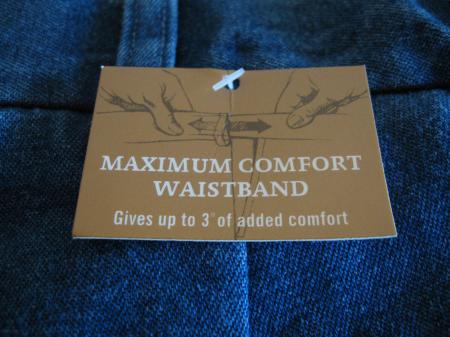
Are your pants making you fat?

If you have purchased new pants recently you may have noticed that they have an adjustable or expandable waist. Some men’s pants include up to two extra inches to allow you to “flex” or “move more freely.” Women’s pants might have elastic hidden in the waist band for extra “stretch.” While these pants are designed to be comfortable, they could be making you fat!

This is the topic of my Health & Fitness column in the Aiken Standard this week.

Fat_pants


Most people gain weight as they age, typically a slow process that may not be immediately noticeable. If you have pants with a two-inch expandable waist you could easily gain weight while still wearing the same pants size. In fact, you could gain two inches of fat around your waist before you noticed. For many people, tight-fitting pants are a signal that they may have gained a few pounds. If you miss that cue you could easily gain significant weight, which requires a significant effort to fix.

This might sound like a minor issue, but external cues like this are important to help us recognize weight gain. In a classic example, a man puts on his favorite suit for the first time in over a year to find that the pants are too tight. Immediately he realizes that he has gained weight since he last wore the suit. Imagine, though, if his suit pants stretched to accommodate his larger waist. He might still think that, since the pants still fit, he hasn’t gained any weight.

This is important since people typically gain weight little by little over time, which may not be appreciated without these external cues. One way to prevent surprise weight gain is to weigh yourself regularly so that you can make adjustments to your diet and activity to prevent further weight gain. In fact, one common characteristic of the “successful losers” in the National Weight Control Registry is that they weigh themselves at least once a week. This is important because it’s easier to make adjustments to lose weight that’s gained in a week versus weight that is gained over a month or more.

This is also why people who lose weight should get rid of their “fat clothes.” Typically, these clothes get pushed to the back of the closet. But they are still readily available, so when the person regains some of the weight, it is easy to reach for a larger size. If those clothes had been packed away in a box in the attic, retrieving and unpacking them would be a noticeable sign that they had gained weight and may motivate them to get back on track.

Even small changes to our diet and activity patterns can lead to weight gain over time. Since this weight gain can often go unnoticed, it is important that we pay attention to external cues. The way our clothes fit is one such reminder, but there are others. Do you notice that you feel more out of breath doing routine activities, like climbing a flight of stairs? Is it more difficult to bend over and tie your shoes? These are both signs that your fitness may be declining and that it is time to start exercising.

These cues are easy to ignore, but they are important signs that it is time to make changes to your diet and activity habits. It is even easier to prevent weight gain or to stay fit than it is to lose weight or get in shape. So, don’t let your pants trick you! Pay attention to how your clothes fit and how you feel and use these cues to guide you to maintain good health.


Nutrition, exercise, and health information can be confusing. 
But it doesn't have to be that way.
What can I help you with?
 drbrianparr@gmail.com | http://twitter.com/drbrianparr

 

Candy and soda for breakfast, again!

This is a follow-up to a piece I wrote previously about an analysis of what kids (and adults) commonly eat for breakfast. Considering that this is one of the topics I talk about most frequently, it seemed like time for an update It is also my Health & Fitness column in the Aiken Standard this week.

donuts


Eating a healthy breakfast provides energy to start the day and is important for weight control. In children, a healthy breakfast is essential for proper growth and development and is linked to improved attention and learning in school. Breakfast is often thought of as the most important meal of the day, for good reason. Unfortunately, many common breakfast foods are more similar to candy and soda than a healthy meal to start the day.

Some popular breakfast foods targeted at children include sugar-sweetened cereals, pastries, and bars, many of which look like candy or dessert. Pop Tarts and some granola bars are covered in frosting and favorite cereals often contain marshmallows, chocolate, or are shaped like cookies. No surprise that these foods are as high in calories and sugar as cookies or some candy bars!

Unhealthy choices sometimes come disguised as something healthy—juice. Many “fruit” drinks contain less than 5% juice but plenty of added sugar, so they are essentially soda without bubbles. For example, the orange drink Sunny D is a popular substitute for orange juice, but it is far from a nutritional equivalent. The same is true for other drinks, including juice boxes and pouches, that are commonly part of breakfast or snacks.

Even though the sugar and caloric content of these drinks is comparable to real fruit juice, consuming food and beverages that are flavored like fruit but are actually much sweeter may make real fruit less palatable. Children may develop an expectation that oranges or orange juice should taste as sweet as Sunny D and prefer the sugar-sweetened version over the real fruit. The same is true for food, too. A child who is used to breakfast or snack foods that taste like candy or cookies may resist real food when it is offered.

This really isn’t much different for adults. Breakfast foods like donuts and pastries are almost always topped with icing and it would be difficult to distinguish many muffins from cupcakes. For many people, coffee isn’t just coffee anymore, but a drink that contains as much sugar and as many calories as a milkshake, sometimes with whipped cream on top.

One of the biggest offenders for both children and adults is yogurt. Low-fat and fat-free flavored yogurt is almost always sweetened with sugar. This is true for the yogurt tubes that kids love and the Greek yogurt that is widely thought to be healthy. Sure, it contains protein and bacteria that seem to be beneficial, but the added sugar makes it equivalent in terms of calories and sugar to frozen yogurt or ice cream. Some of these yogurts even come with toppings, like bits of chocolate, just like fro-yo!

The good news is that you can make your breakfast healthier without too much effort. While there is much debate about what constitutes a healthy breakfast, there is agreement about what it doesn’t include—lots of added sugar! Look for cereals that are low in added sugars and high in fiber. Include real fruit, fruit juice, and milk (or soy milk) whenever possible. If you have time, eggs are an excellent source of protein and healthy fats. Yogurt is good, too, but watch out for added sugars in flavored yogurt. Whole grain toast or a bagel with peanut butter makes a good alternative to Pop Tarts or breakfast bars.

As a general rule, steer clear of foods that look like dessert. Marshmallows, chocolate chips, and frosting are best left for after a healthy meal, not a replacement for it.


Nutrition, exercise, and health information can be confusing. 
But it doesn't have to be that way.
What can I help you with?
 drbrianparr@gmail.com | http://twitter.com/drbrianparr


School gets out, weight goes up. Why now is the time to focus on preventing childhood obesity.

Obesity is a major concern for adults, linked to several leading causes of death and numerous other health problems. What you may not know is that obesity is also a serious health issue for children. It is troubling to note that nearly one-third of school-aged children and teenagers are over a healthy body weight and nearly 20% are considered obese. Remarkably, 10% of infants, toddlers, and preschoolers, are also considered obese.

This is important because the common combination of poor nutrition, physical inactivity, and obesity has physical, psychological, and social consequences for children that frequently persist into adulthood. There are many reasons why childhood obesity occurs and much that can be done to prevent it. Now that school is almost out for the summer, this is a critical time of year to focus on good nutrition and activity to help prevent unhealthy weight gain in kids. This is the topic of my Health & Fitness column in the Aiken Standard this week.

Childhood obesity cartoon


Overweight and obese children are at increased risk for type 2 diabetes, high blood pressure, heart disease and even stroke – conditions usually associated with adulthood. Even if an overweight child does not have these conditions now, he or she is likely on that path. Many experts predict that children born today will be the first generation in history to have a shorter lifespan than their parents due to obesity-related diseases that begin in childhood.

Children who are overweight are also more likely to suffer other consequences including lower self-esteem, social functioning, and academic performance. Overweight children are also less likely to play sports or participate in other forms of physical activity. Considering that the consequences of obesity are made worse by low levels of activity, this creates a cycle leading to poorer and poorer health.

There are numerous potential causes of obesity in children, but the most likely suspects are too little activity and excessive calorie intake, largely because of added sugars. Fewer than half of all kids meet the minimum recommendation of 60 minutes of activity each day and many children spend as much time watching television or playing video games as they do in school. We shouldn’t be surprised that we have a childhood obesity problem!

While poor nutrition and a lack of activity in schools is thought to contribute to the problem, many children get more activity and eat better at school than they do at home. A recent report suggests that children gain more weight over the summer than during the rest of the year. Furthermore, for many kids, fitness gains made during the school year are frequently lost over the summer. Since summer vacation is rapidly approaching, this is a critical time to help our children stay fit and healthy.

The good new is there is much we can do. Ensuring that children get plenty of healthy foods such as fruits and vegetables, reducing the consumption of added sugars, and eating appropriate portion sizes will go a long way to addressing the diet aspect of obesity. Making sure that kids of all ages have opportunities to be active while limiting time spent sitting, especially in front of a screen, are equally important.

Since children don’t make most of the decisions about their activity and diet, it is important to recognize the role that parents, grandparents, and other caregivers play. More often than not, obesity is a family issue. This means that  solving the problem is a family issue, too. Adults should model healthy behaviors by making diet and activity changes themselves. A good place to start is by turning off the TV and going outside to play or for a walk. It’s something all of us—adults and children—will benefit from.

Start planning for your summer vacation now.

If you intend to take a vacation this summer, the time to start planning is now. Of course, you need to make figure out where and when you want to go, make travel arrangements, and plan activities. If your vacation will involve activities like hiking, cycling, or swimming, you also need to make sure you are ready for that level of activity. Even sightseeing and visiting theme parks can require far more activity than many people are accustomed to.

Unfortunately, many people find out the hard way—sore feet and achy legs, for example—that they weren’t prepared for this level of activity. The good news is that regular exercise can prepare you for your summer vacation so you can focus on having fun, not your tired body. This is the topic of my Health & Fitness column in the Aiken Standard this week.


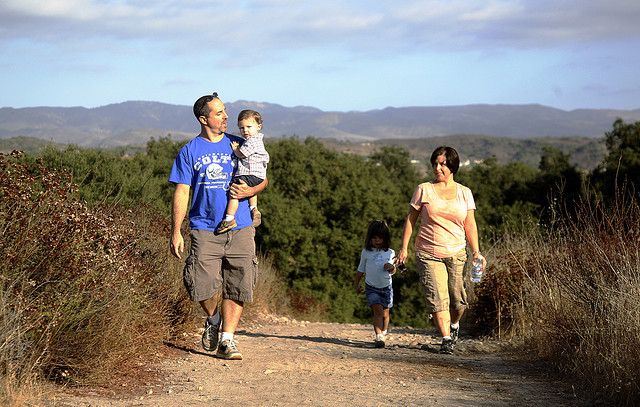
family hiking

There is good reason to choose an active vacation. Simply spending time outdoors can reduce stress and make you feel better and walking on the beach or snorkeling in the ocean seems like fun, not exercise. The end result is that being active on your vacation adds to the restorative effect of taking time away from your usual routine. In one study people who had a physically active vacation reported that they felt mentally and physically fitter, felt more balanced and relaxed, could concentrate better during work, were in a better mood, and felt more recuperated than those who took it easy.

Even if you don’t choose a vacation to participate in a specific exercise you will likely spend time being active. Most vacation destinations are selected in part because there are interesting sights to see or are easy to get around without a car. This means you will be on your feet a lot more than usual.

Think about a family trip to Disney World. It is not uncommon for people to be on their feet for 12 hours and walk 10–15 miles in a single day. Most people don’t do that much walking in a typical week! This can lead to blisters, muscle soreness, and fatigue, limiting what you can do and, at the very least, making your time less enjoyable.

Since regular exercise promotes endurance and strength, being fit can make it easier to get through long days on vacation. If you spend much of your time sitting at work and home, visiting a museum or standing in long lines at a theme park can be daunting. But if you spend more of your day up and moving you will have an easier time in these situations. A whole day walking around sightseeing can be exhausting, but less so if you are accustomed to taking long walks. That isn’t to say that you should start walking for 10 hours each day, but doing activities that last for at least an hour will help.

Here are some tips to help you prepare for your next active vacation. You should limit your sitting time and spend more time standing and moving around at work and at home. This will help you get ready for long days on your feet. Dedicating 30 minutes each day to being active will build endurance, and you can get bigger benefits from doing more. If your vacation will include vigorous exercise, building strength through resistance training and flexibility through stretching or yoga can help you avoid injury.

Your goal should be enjoy your vacation and the extra activity it will likely include. In addition to the numerous other health benefits, improving your fitness through regular physical activity will help you appreciate your vacation time more with less stress, meaning you can return home relaxed and ready to take on your usual routine.

Biking to work is a good thing. And not just this week.

This week is National Bike to Work Week, a good time to remind yourself why biking to work is an excellent alternative to driving. For many people, distance and safety make biking to work challenging, maybe even impossible. But you probably can replace at least some car trips with biking or walking.

Infographic: Bike To Work Week: Bike Lanes Aren’t Just For Show | USA TODAY College.

Losing weight is easy, not finding it again is the hard part.

Earlier this week I wrote about tips and tricks from people who are successful losing weight. While some people may make it look easy, losing weight is challenging, to be sure. But maintaining weight loss can be even more challenging.

Many people think that they are finished once their diet or weight loss program ends. The truth is that the end of the diet marks the beginning of the next phase: keeping the weight off. In fact, many people have successfully met their weight loss goal only to gain the weight back later. In fact, some people do it every year, losing and regaining the same 10 (or more) pounds over and over.

There is a practical reason why this happens. In order to lose weight and keep it off people need to learn a whole new lifestyle involving what, when, why, and how they eat as well as daily exercise. These lifestyle changes are difficult to make and can take months or years to fully adopt. In many cases, the weight loss program ends before people make lasting behavior changes. This makes it all too easy to revert to old habits.

While there are literally hundreds of diets and weight loss programs to choose from, “weight maintenance” programs are far less common. The good news is that following the advice of people who are successful at losing weight and keeping it off can help you maintain your weight loss.

The members of the National Weight Control Registry (NWCR) — the “successful losers” have lost an average of 66 pounds and kept it off for over five years the — provide insight into how they keep the weight off. Most report continuing to maintain a low-calorie, low-fat diet and doing high levels of activity. Almost 80% eat breakfast every day, 75% weigh themselves at least once a week, over 60% watch less than 10 hours of TV per week, and 90% exercise, on average, about 1 hour per day.

Many people worry whether they are following the “best” diet or weight loss program. The specific diet may not be as important as what you do when it ends. Notice that the majority of successful losers still control what they eat and nearly all exercise each day. This suggests that going back to the way you ate before you lost weight is unrealistic. And if you aren’t exercising, at least walking, every day already, now is a good time to start.


Nutrition, exercise, and health information can be confusing. 
But it doesn't have to be that way.
What can I help you with?
 drbrianparr@gmail.com | http://twitter.com/drbrianparr
Want to know how to lose weight? Ask the experts.

For a great many people, losing weight is a struggle. For starters, selecting a diet to follow or program to join can be a difficult decision. In fact, the great debate about which diet is the best seems to create more confusion than answers. Add to that the conflicting reports about what to do for exercise, and the confusion grows. Then, the real challenges begin. Knowing what to do is relatively easy compared learning a whole new lifestyle involving what, when, why, and how to eat and exercise. Losing weight is hard work, far from the effortless portrayal in advertisements, in which the fat just seems to melt away.

There are some people who make losing weight look easy. No question, these people have to plan to eat healthy meals, dedicate time for exercise, and deal with cravings just like everyone else.  But it seems as though they have figured out the secret of how to lose weight. It turns out that there isn’t really one thing that people do to be successful, but there are some common behaviors that the “successful losers” share. Following the advice of people who are successful at losing weight and keeping it off can help you achieve your weight loss goals.

This is the topic of my Health & Fitness column in the Aiken Standard this week.


The good news is that this advice is available. The National Weight Control Registry (NWCR) is a collection of information submitted by individuals who have succeeded at long-term weight loss. These “successful losers” have lost an average of 66 pounds and kept it off for over five years, with some losing as much as 300 pounds! Best of all, they share the secrets of their success. Almost all of them increased their physical activity and modified their diet, suggesting that eating less and moving more are necessary for successful weight loss.

Closer to home, I am loosely involved with a local, workplace-based weight loss and fitness program. The comments from the participants about what they are doing and challenges they are facing is especially interesting. The experience of participants in this program supports the findings from the NWCR and provides more specific information about what works.

First, nearly all of the participants have changed what they eat. Some follow a specific diet while others report that they are simply eating less or eliminating certain foods, such as fried foods or desserts. The Paleo diet and eating less processed foods seem to be popular approaches, but participants mention a wide variety of diets and weight loss programs.

Second, almost everyone has become more active. For some, this means going for a 30 minute walk every day while others do more, including exercise at a gym or training for a half marathon. Some participants note that they are progressing from shorter bouts of light intensity activity to longer, more vigorous exercise. This is a natural progression that further increases fitness and energy expenditure.

Finally, many of the participants report that some sort of support has helped keep them on track. This includes social support from coworkers, friends, and families, many of whom have joined in the health improvement process. But support also comes in the form of devices and apps that track and provide feedback about their activity and what they eat. The popularity of these tools suggests that they are helpful, but any method to provide accountability would work.

The bottom line is that the participants in this program, just like the NWCR members, are focusing on “eating less” and “moving more” in some way and relying on some form of support to keep them on track. The good news is, there is no one right way to lose weight. The trick is to find something that works for you, given your current health, interests, and lifestyle.

100% natural flavors, 100% fake sugar.


Made from real ginger.

Ginger ale label

With plenty of fake sugar.