Category Archives: Health & Fitness

Just eating more protein won’t build muscle. Here’s what you need to do.

Building or maintaining muscle mass is important for improving physical fitness, enhancing quality of life, and promoting a healthy body weight. For sure, this is essential for athletes, but building muscle also is important for the rest of us, especially as we get older.

A key step in building muscle is eating enough protein. If you pay attention to the claims of supplement marketers or people touting the new “perfect” diet, you might think that protein is the only thing that matters. Unfortunately, that’s not the case. To really build muscle requires resistance exercise. Yes, you may need extra protein, too, but it’s the exercise that promotes the muscle growth. This is the topic of my Health & Fitness column in the Aiken Standard this week.

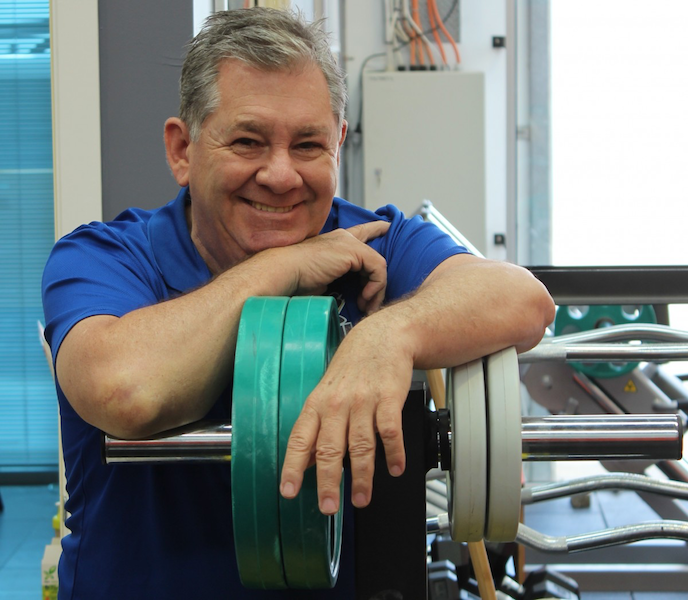
Man with barbell.png


There are good reasons to think that protein is important for developing muscle. First, muscle is made of protein, so you do need dietary protein to build muscle. Second, there are many studies that show that giving people who are doing resistance training extra protein does enhance muscle mass and strength. This is used as “evidence” that protein supplements are necessary, when it may really be the weight training that is improving strength.

One study looked at the effect of increasing protein intake on muscle mass in people who were not doing any resistance training. These were older men who could benefit from both extra protein and increased muscle mass. The results showed that the extra dietary protein did not increase muscle mass. Since the subjects were not doing any muscle building exercise, this suggests that resistance training is needed to promote muscle development.

Lifting weights or doing other resistance exercise builds both muscle mass and strength. The primary adaptation that results in increased muscle is hypertrophy, a process in which the muscles literally get larger. Resistance training causes a series of changes within the muscle that repair damage and stimulate protein synthesis. This why having adequate protein in the diet is important; you must have the protein available for the muscle to use it.

This only works if the muscle needs the protein, and that demand comes from doing resistance exercise. Having extra protein without exercise to stimulate the muscle wouldn’t have much effect on either muscle size or strength. But when someone is doing strength training, having enough protein at the right time is critical to maximizing strength gains.

The RDA, the amount that meets the needs of most healthy adults, is 0.8 grams of protein per kilogram of body weight (g/kg) per day. You can calculate your protein requirement by multiplying your body weight in pounds by 0.4, so a 200 lb. person would require about 80 g protein per day. While the RDA is a minimum for most healthy people, those who exercise regularly may need more, and it is certainly too low for athletes engaged in strenuous endurance or strength training. One study suggests that 1.6 g/kg per day, about twice the RDA, is a good goal for people who are trying to build or maintain muscle mass through resistance training.

You should get your protein from food, not supplements, to meet both energy needs to fuel your exercise sessions and provide adequate protein for muscle repair and growth. Timing matters, too: Protein intake immediately after exercise is particularly effective, so follow a workout with a protein rich meal or snack. Even if you aren’t actively training to build muscle, the combination of regular resistance exercise and adequate protein intake is essential to maintain muscle mass and strength as well as helping you maintain your weight.


drparrsays blog footer

What to think about before you buy home exercise equipment.

Regular exercise is among the most important things people of all ages can do to improve their health. Even as little as 30 minutes of moderate-intensity activity like brisk walking has substantial physical and mental health benefits. Despite these benefits, only about one third of adults meet minimum physical activity guidelines.

One commonly cited reason why people don’t get regular exercise is time. Obviously, you need to make time in your day, even if it is for a short walk. There are some short (less than 10 minute) workouts that are popular now, but these tend to be very intense and may not be appropriate for everyone. You may also need time to travel to a place to exercise, whether that is a gym or a good area for walking. After a workout you might need to shower and change, too. The point is, even a short exercise session can take time beyond the exercise itself.

That leads some people to consider purchasing home exercise equipment so they can skip the trip to the gym and exercise at home. There are numerous options for equipment specific for strength and endurance training in your own home. This is the topic of my Health & Fitness column in the Aiken Standard this week.

Home treadmill

Continue reading

Just do it…together! Why exercise is better with family, friends, or your dog.

It’s common to see people walking or running in pairs, and at the gym many people like to work out with a partner. Group exercise classes and boot camp programs are popular among novices and seasoned exercisers alike. Joining a team that trains together to walk or run in a race is a good plan for completing your first 5k or 10k event.

Having another person or a group of people to exercise with is a great way to increase your motivation and enjoyment. This makes it more likely you will stick with your exercise program, leading to better fitness and health. But there are additional benefits to exercising with others that may help you get started and continue your fitness program. This is the topic of my Health & Fitness column in the Aiken Standard this week.

Boot camp workout


Exercising with others provides a level of motivation and accountability that is important, especially for people who aren’t self-motivated. Knowing that you are meeting a friend for a walk or meeting a training partner at the gym makes it less likely that you will find an excuse to skip a workout. While guilt isn’t the best reason to exercise, for many people it is the one thing that will get them moving.

Did you know that exercising with others can also help you get a better workout? It’s true. When you are exercising with another person or a group you can get feedback on your technique. Doing exercises properly can reduce the risk of injury and improve your gains strength, endurance, and flexibility.

You can also get ideas for new exercises and training techniques that can make exercise more enjoyable and less monotonous. Many people find that having a friend to walk or run with makes the time seem to go by faster. The friendly “competition” that can come from a partner or group can push you to train harder, making the exercise more beneficial.

A group dynamic is an important component of many popular exercise classes and programs. At the gym, participants in classes from aerobics to Zumba and spin to yoga benefit from the support and motivation of exercising with others. And programs like boot camps, CrossFit, and F3 are popular largely because of the camaraderie of the other group members.

The benefits may be even greater if you exercise with someone who is more fit than you are. Research shows that when someone is exercising with a partner who they perceive to be more fit they will work out harder and longer than if they were exercising alone. You can benefit from finding a partner or group members who are in better shape than you are. Be careful, though, since exercising with people who are much fitter than you can have the opposite effect and you may get discouraged.

Your exercise partner doesn’t even have to be another person to be effective. Research shows that walking with a dog can improve your adherence to a walking program and lead to greater improvements in fitness compared to walking with a human companion. While a friend might make excuses to skip exercise, a dog will always look forward to a walk. Don’t worry if you don’t have a pet; one study used dogs at a local animal shelter as walking partners.

You can take advantage of the benefits of exercising with a partner easily by asking a friend to go for a walk. It’s something that will benefit you both and it will be a good opportunity to spend time together. No more excuses…get moving!

The effect of involving others in your behavior change process is also helpful for losing weight and quitting smoking. This is true even if the other person (or people) aren’t participating with you—simply telling others about your plans to change can help make you more accountable and improve your chances for success.


drparrsays blog footer

How the summer heat can affect your health.

School is back in session in our area, marking the unofficial end of summer. But high temperatures and humidity mean that summer weather is still with us. Aside from being unpleasant, these conditions can be dangerous, especially for people who are active outdoors for work or exercise. This is the topic of my Health & Fitness column in the Aiken Standard this week.

Hot weather

Continue reading

Healthy Back to School for the Whole Family

This week marks the beginning of another school year for many children in our area. Students, parents, and teachers are starting another year filled with opportunities for children to learn and grow through math and science, reading and writing, and art and music. 

But children should also learn about good nutrition and physical activity, since both good health and good education are essential for lifelong happiness and success. In most schools, though, most kids won’t experience much meaningful education about nutrition, activity, and health. 

To be clear, this is not the fault of teachers or individual school leaders, who are limited in what they can do by local, state, and federal requirements. These topics necessarily become “homework,” and the responsibility of parents and other caregivers. 

Here are a few suggestions from my Health & Fitness column in the Aiken Standard to help make everyone happier and healthier this school year.

Make sure everyone in the family is active every day. Physical activity is critical for good health for everyone. Importantly, it can improve your immune system, helping you fight viruses of all kinds. Beyond that, being active can help you perform better at work and school and make it easier to do things you enjoy in your leisure time. Adults should be active for a minimum of 30 minutes per day. Everything from taking the dog for a walk to a fitness class at the gym counts. For children, the goal is 60 minutes per day through PE class, sports, and play. As a bonus, you can do at least some of the activity together to make activity a family event!

Make healthy eating a family project. There is a lot of confusion about what makes a healthy diet, but there are a few guidelines almost everyone agrees on. First, eat more fruits and vegetables. At a minimum, eat at least five servings each day, but try for twice that. Second, limit added sugars and salt. This is tricky since salt, sugar, and other sweeteners are added to most processed foods. Eating too much sugar is known to contribute to obesity, heart disease, and some cancers, so this is among the smartest nutrition moves you can make. Salt, by itself, isn’t necessarily harmful, but less salt almost always means less processed food and more “real” food. Finally, be mindful of portion sizes. Super-sized servings and second (and third) helpings are the primary reason why people gain weight over time.

Plan to eat at least one meal together each day. Most experts agree that family dinners are important for promoting good communication and healthy eating habits. Given that our days are busy with work, school, and other activities, eating dinner together every night is unrealistic for many families. So, start with planning at least one family dinner at home each week. This is also a good opportunity to teach children about food and cooking, so it is even better if you prepare the meal together.

Make getting enough sleep a priority. Many American adults and children don’t get enough sleep. Many American adults and children don’t get enough sleep. Lack of sleep can affect children’s growth, development, and learning.  It can also have an impact on an adult’s productivity at work. The effect of chronic stress on health is well known and we should recognize a lack of sleep as a form of stress. A good goal for adults is 7–9 hours of sleep each night. School-aged children need 8–12 hours, with younger kids requiring more. As difficult as it may be, earlier bedtimes can benefit everyone in the family. Limiting screen time (TV, computer, tablet) before bed can help improve sleep, too.

Obviously, these ideas are easier read than done, especially for busy families. But moving more, eating better, and getting more sleep—especially if it is done together—can help your family enjoy a happier and healthier year.

A lesson in sports physiology in the Tour de France

The 2021 Tour de France is underway. This year the race covers 2,115 miles in 21 days of racing, comprised of team and individual time trials as well as stages through the cities, countryside, and mountains of France. The Tour de France is especially interesting to me because it provides an excellent opportunity for a short lesson in sports physiology.

This is the topic of my Health & Fitness column in the Aiken Standard this week.

Tour de France


All the riders in the Tour are exceptionally fit since their bodies have adapted to years of dedicated, intense training. Endurance sports like cycling are dependent on the delivery of oxygenated blood to the muscle to produce ATP, the energy needed to sustain exercise.

The riders have large, strong hearts, resulting in the ejection of more blood to the muscle. Within the muscle there is an increase in the number of capillaries, the small blood vessels that deliver blood to the muscle, and mitochondria, the part of the cell that produces most of the ATP. Together, these adaptations allow the muscle to produce more ATP without fatigue, allowing the athlete to exercise at a higher intensity for a longer time.

But training isn’t the only reason these athletes can sustain such intense exercise for so long. Proper nutrition, especially what the athletes eat and drink before, during, and after each stage, also plays an important role. Intense endurance exercise like cycling relies on carbohydrates, in particular, muscle glycogen, as a fuel. Muscle glycogen is a storage form of glucose, sugar that the muscle converts into energy. During prolonged exercise that lasts several hours, muscle glycogen levels can be severely depleted.

Eating carbohydrates before exercise can boost muscle glycogen levels, so cyclists eat carbohydrate-rich foods for breakfast before each stage. They also consume carbohydrates in the form of sports drinks (think Gatorade) and energy bars prior to starting. In fact, they start replenishing their muscle glycogen immediately after finishing the previous day’s ride. This usually begins with a recovery beverage, which may contain some protein for more rapid muscle glycogen synthesis, and extends through carbohydrate-rich meals and snacks that afternoon and evening.

During exercise it is crucial to maintain adequate blood glucose levels, which tend to drop since the muscle is using so much as a fuel. Failure to replenish blood glucose results in what cyclists call “hitting the wall” or “bonking,” which is like your car running out of gas. To prevent this, glucose must be replenished, typically with sports drinks, energy bars, or a sugary mixture called goo.

Prolonged, intense exercise, especially in the heat, results in a high sweat rate which can lead to dehydration. Sweat loss of several liters per hour is not uncommon during cycling, so fluid intake is essential. This means that cyclists spend a lot of time drinking water while they ride. Sports drinks are also commonly used since they contain carbohydrates and electrolytes in addition to water.

Endurance events like cycling, especially multi-stage events like the Tour de France, highlight important concepts of sports physiology. Even though you may never compete at that level, understanding how training can improve your endurance is relevant if you cycle—or run, walk, or swim—for exercise. Knowing how proper nutrition before, during, and after exercise can improve performance can help you make better decision about what to eat. Hopefully, it also gives you a greater appreciation for the science that goes into a performance like the Tour de France.


drparrsays blog footer

Your park prescription for outdoor activity this summer.

You probably know that exercise is good for you and that daily physical activity—going for a walk, for example—almost always leads to better health. A lower risk of weight gain, diabetes, heart disease, and some cancers are among a long list of positive health effects of physical activity. Lesser known benefits include improved mental health, cognitive function, and greater feelings of well being.

What you may not know is that where you exercise matters, too. Exercise outdoors, especially in nature, can be particularly beneficial. This is not surprising given that being active in a natural environment has been shown to have an impact on mental health. Indeed, activity outdoors leads to enhanced feelings of energy and diminished fatigue, anxiety, anger, and sadness compared to similar activity conducted indoors.

Especially now, the chance to be active outdoors away from crowds is certainly a good idea. Exploring parks and other outdoor places may be a smart and economical alternative to a vacation to place crowded with tourists. This is the topic of my Health & Fitness column in the Aiken Standard this week.

walk-in-woods

Continue reading

Stay cool—and fit—in the pool!

It’s hot! Whether you are swimming laps or splashing in a lake, swimming is a great way to stay cool and fit this summer. Swimming is also an excellent exercise for improving your fitness and helping with weight loss.

This is the topic of my Health & Fitness column in the Aiken Standard this week.

Swimmer

Continue reading

Tips for staying cool when you exercise, work, and play in the summer heat.

After a relatively cool start to the summer, the temperature and humidity are up in our area. This is a good time to revisit some commonsense guidelines to make exercise, work, and play outdoors in the summer heat safe and enjoyable for your entire family. This is the topic of my Health & Fitness column in the Aiken Standard this week.

summer splash fun


  1. Drink plenty of fluids

When it’s hot you have to sweat to lose heat and maintain your body temperature. High humidity makes sweating less effective, so you sweat even more. Losing lots of water through sweating can lead to dehydration. At the very least, you probably will feel fatigued but in more severe cases dizziness, low blood pressure, and fainting can occur.

For this reason, it is important to drink plenty of fluids before, during and after your outdoor activity. As a general rule, a cup (8 oz.) of water every 15–20 minutes is sufficient for most people. Thirst is a good indicator of fluid needs, but you should take frequent breaks to rehydrate.

Make sure to remind kids to take breaks since they can get so busy playing that they forget. Water, juice, sports drinks, and other soft drinks are equally effective, so pick something you and your kids will drink.

  1. Take breaks

The longer you are active the hotter you will get and you may feel more fatigued because of the heat. Taking frequent breaks will give you a chance to rest, cool down, and get something to drink.

  1. Seek out shade

Being in the sun means that you will feel even hotter because you gain heat from the sun’s rays. Spending as much time as you can in the shade will help you stay cool. While this isn’t always practical for all activities, look for shady spots to take breaks.

Keep in mind that shady areas at will change throughout the day, so plan your trip to the park accordingly. Also be aware that direct sunlight can make outdoor surfaces, like playground equipment, very hot. This is another reason to find shady areas to play.

  1. Pick cool clothes

Lighter colored clothing will reduce heat gain from the sun. Synthetic fabrics that wick sweat from the skin can help keep you feel cooler, too. Some clothing is more resistant to UV rays than others, so look for a higher ultraviolet protection factor (UPF). Obviously, you need to find a balance between protecting your skin and allowing sweat and heat loss to keep you cool.

  1. Wear sunscreen

Sun exposure is the leading cause of skin cancer, and outdoor activity can increase the risk. Always use a broad-spectrum (both UVA and UVB rays) sunscreen with an SPF of 30 or higher and apply—and reapply—it according to the instructions. You should also protect your eyes by wearing a hat or sunglasses.

  1. Avoid the hottest times of the day

Try to plan your outdoor activity in the morning or evening to avoid the hottest times of the day. Keep in mind that the highest temperatures often occur in the late afternoon or early evening, so right after work may not be the best time for outdoor activities. Early in the morning is probably the best time since it tends to be cooler and less humid.

You may not be able to plan all of your activities in the shade or when it is cooler. This is especially true for people who work outdoors. In these cases, drinking plenty of fluids and taking frequent breaks is particularly important. By taking the right precautions, though, you can still enjoy your favorite outdoor activities all summer long.


drparrsays blog footer

FITT-SPF: How to exercise safely in the sun this summer.

People who exercise are probably familiar with FITT—frequency, intensity, time, and type—the basic principle behind almost all fitness programs. The FITT principle applies to everything from running to weightlifting to yoga. For people who exercise outdoors there are three more letters that are important to know, especially in the summer: SPF. This is the topic of my Health & Fitness column in the Aiken Standard this week.

woman running on beach

Continue reading