Category Archives: Health & Fitness

Saving for when you need it most by making deposits in your fitness bank.

Saving money for emergencies is good advice and important for maintaining quality of life in the event of a lost job or other financial crisis. While this may seem like common sense, many people have been caught without enough savings when they needed it and found it difficult to meet basic needs.

This principle can also be applied to fitness. When you are healthy, you can maintain a high level of fitness. This makes your day-to-day activities easier and serves as a reserve or “bank” to draw on when you need it. Your good fitness now can get you through a health crisis just like saving money can help you through a financial crisis. This health crisis could come in the form of an injury or illness that keeps you from being active for several days or a hospitalization that keeps you in bed for a week, a month, or longer. This is the topic of my Health & Fitness column in the Aiken Standard this week.

Patient walking in hospital


The problem with periods of inactivity, like bed rest or hospitalization, is that there are severe physiological effects that occur within days and get worse over time. You may have noticed this as weakness and fatigue after spending a few days in bed with a cold. Muscle strength declines with each day of bed rest, and can be 50% lower following as little as three weeks. That reduction in strength could limit a person who was already deconditioned to a point where he or she would have difficulty completing the most basic activities of daily living.

A person who was fit and strong when they went into the hospital would certainly be better off when released. And older adults fare worse than younger individuals. According to one study, the decline in strength seen in older men in just 10 days was equivalent to the change measured after 28 days in men 30 years younger.

It’s not just the muscles that are affected, the bones get weaker, too. In fact, 12 weeks of bed rest can reduce bone density by as much as 50%, exposing patients to a greater risk of fracture. This is due to the reduced stress on the bone from not standing and walking as well as the lack of muscle activity. Two of the most effective ways to build bone density are putting stress on bones through weight-bearing activity and the action of the muscles pulling on the bones from resistance training. Because bed rest eliminates both of these stresses, bone density declines rapidly.

One unique study from the 1960s had healthy young men complete three weeks of bed rest. They all experienced a rapid decline (over 20%) in their aerobic fitness, but recovered quickly after the experiment ended. These individuals also had their fitness tested again 30 years later. It turns out that the decline in fitness in those young men in three weeks of bed rest was greater than the decline in fitness that occurred over 30 years of aging!

The good news is that most patients are encouraged to move around as much as possible. Some receive in-patient physical therapy or rehab, even after major surgery, to help lessen the effects of prolonged bed rest. It is important to take advantage of these opportunities if you, or a loved one, are hospitalized.

There are many reasons to exercise and be fit, but the most important reason may be to develop a fitness “bank” you can draw on if you become injured or hospitalized. Since the effects of bed rest are seen in people of all ages, everyone can benefit from a good fitness foundation. Just like putting money in the bank, doing a little now can have great benefits later when you need it most.

Finally, some smart advice: First, achieve and maintain a high level of fitness now, just as you would save money for a rainy day. You never know when you will need it. Second, if you are hospitalized, take advantage of opportunities to move, whether that is limited to moving from bed to a chair or if it includes short walks or even inpatient exercise–if the medical staff approves, of course. While many well-meaning friends and family members will tell you to rest and not move, true bed rest is almost the worse thing you can do.

For example, inpatient cardiac rehabilitation targets patients who are recovering from heart attacks and even open heart surgery. The goal is to get these patients up and moving as quickly as possible to prevent long-term consequences of bed rest.


drparrsays blog footer


Go green (literally) for Earth Day

As Earth Day just passed, this is a good time to think about the impact we have on our environment. We should also think about what we can do to reduce that impact. The good news is there are ways we can “go green” that are good for our health and the health of our planet, as I explain in my Health & Fitness column in the Aiken Standard this week.


Bicycle commuting

First, you can go green by replacing car trips with walking or cycling. Every mile you drive releases carbon dioxide and other pollutants into the environment. Additionally, spending more time sitting in your car can also have negative effects on your health and happiness. Walking or biking has no such effects on the environment and has important health benefits including improved fitness, weight control, and greater feelings of wellbeing. Despite the potential environmental and health benefits of replacing car trips with active transportation, 37% of Americans report not walking for transportation at all in a given week.

Obviously, walking or biking everywhere isn’t practical. But you could probably replace some car trips with active transportation. Most people commute less than five miles to work and nearly half of all car trips are less than two miles. Both are reasonable distances to bike or walk. If you have several places to go, you can always park in a central location and walk to each destination.

The second way you can go green is by eating more vegetables and fruits. Fruits and vegetables contain vitamins, minerals, and fiber and most are low in calories. At a minimum, you should eat five servings per day with an emphasis on fresh fruits and vegetables. You should also try to buy from area farmers. Eating locally grown food is good for you and the environment. Food production and delivery is second only to cars for fossil fuel use  and is the biggest contributor to greenhouse gas emissions. According to one estimate,  the food items that make up a typical meal travel about 1,500 miles each (as much as 100,000 miles for a whole meal in some places) to get to your table? Food from local farms is associated with fewer “food miles” and a lower environmental footprint.

Additionally, produce grown locally is picked at the peak of freshness, meaning it is richer in nutrients, not to mention flavor. By contrast, produce that is grown far away is picked before it is ripe, resulting in lower nutritional value. As an added benefit, the money you spend on food from local farms stays in our area, supporting farmers who live in our community.

Since you are eating more veggies, you can eat less meat. Raising animals for meat, milk, and eggs has a major impact on the environment. Over a quarter of land is dedicated to raising livestock, and almost 15% of total greenhouse gas emissions come from livestock. These animals also produce tons of manure every minute, at least some of which ends up polluting water supplies.

Finally, you can literally “go green” when you exercise. Being active outdoors leads to enhanced feelings of energy and diminished fatigue, anxiety, anger, and sadness compared to similar activity conducted indoors. Additionally, some research suggests that outdoor activity may improve attention in adults and children. Another advantage of exercising outdoors is that you might get a better workout because you will likely walk or run faster outdoors. Research shows that even though people tend to exercise at a higher intensity outside, it may feel easier. Much of the psychological benefit of outdoor exercise occurs in the first five minutes, so even short bouts of activity, like walking instead of driving a short distance, are meaningful.

So, as you celebrate Earth Day this week, think about all the ways you can go green—it’s good for you and the environment.

Go nuts! But be reasonable.

Eating nuts can be a tasty way to make your diet healthier. Nuts are beneficial because they are rich in healthy unsaturated fats, fiber, and essential vitamins and minerals. Nuts also contain omega-3 fats and natural plant sterols which, together, may help lower your blood cholesterol and reduce your risk of heaving a heart attack. But all foods that contain nuts are not equally healthy, as I explain in my Health & Fitness column in the Aiken Standard this week.

Mixed nuts


Although the specific nutrients vary among different nuts, all nuts are thought to be healthy. This includes tree nuts such as almonds, macadamia nuts, walnuts, and pecans, which have the most research to support their health benefits. But it also includes peanuts, which are actually legumes (like beans), not true nuts.


Research suggests that regular nut consumption is associated with a lower risk of dying from many of the leading causes of death, including heart disease and cancer. One study examined a host of lifestyle factors, including physical activity, smoking, and diet, in over 100,000 men and women for nearly 30 years.


The reduction of risk of death was greater with more frequent nut consumption. For example, the risk of death from all causes was 11% lower among men and women who consumed nuts once per week and 20% lower among those who ate nuts seven or more times per week. This was true for both peanut and tree nut consumption, suggesting that all nuts are beneficial.


It is important to note that the people in the study who ate the most nuts were also leaner, consumed more fruits and vegetables, less likely to smoke, more likely to exercise, and more likely to use multi-vitamin supplements. Although these other factors were controlled for in the analysis, common sense suggests that the benefits associated with nut consumption is likely due to a combination of these beneficial health behaviors.


The bottom line is that eating nuts as part of an overall healthy lifestyle is good for you. A person who eats in unhealthy diet, doesn’t exercise, and smokes is unlikely undo the negative health impact of their lifestyle simply by eating more nuts. Achieving the full benefits of nut consumption seen in the study also certainly means adopting other healthy behaviors.


The good news is that adding nuts to your diet is an easy change to make. A typical recommendation for nut consumption is 1-1.5 ounces per day. This is the equivalent of a handful of most nuts. The goal would be use nuts to replace a less healthy snack such as chips. A handful of nuts contains about 150-200 calories, similar to other snacks such a small bag of potato chips. The difference is that nuts contain healthy fats, vitamins, minerals, and fiber, which may fill you up more. Nuts are relatively inexpensive and portable, meaning you can take them with you for a snack. Nuts can also be added to salads and other dishes.


Keep in mind that you should focus on eating plain nuts to get the biggest benefits. Many nuts have added flavors in the form of coatings, glazes, and seasonings, which may be high in sugar and salt. Honey roasted peanuts and chocolate covered almonds are good examples of nuts that are essentially candy. These types of nuts should be eaten sparingly and for dessert, not as a snack.

Similarly, peanut butter (and other nut butters) are a healthy source of protein and energy. But many contain added sugar as some contain other ingredients like chocolate. In fact, many “nut” butters don’t contain nuts at all and are essentially frosting!

To learn more about the difference between plain nuts and nuts that are essentially candy, check out Candy and Soda for Breakfast!

So, go ahead and go nuts! Just remember to do it as part of an otherwise healthy diet and active lifestyle.

Don’t be an April Fool when it comes to weight loss claims

Diets don’t work!

Exercise can actually make you gain weight!

You can take supplements that will melt fat away while you sleep!

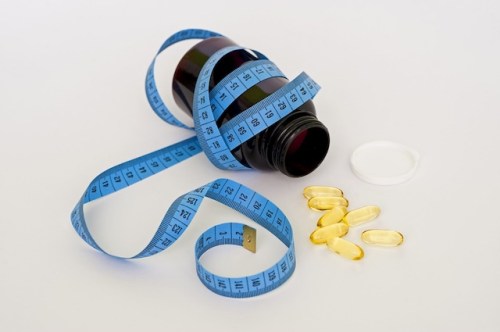
Claims like these should make you wonder if someone is trying to fool you. Since April Fools’ Day just past, it is worth learning the truth about these common weight loss myths.

Diet pills


Diets don’t work

Considering that most people who lose weight end up gaining it back, this belief is understandable. The fact is that diets do work—that is how people lost weight in the first place! The problem is that many diets simply aren’t sustainable and don’t teach healthy eating habits necessary to keep the weight off. The result is that after the diet ends, a return to old eating patterns leads to gaining the weight back. The solution, of course, is to find a diet that you can stick with even after you have lost weight, one that teaches you how to make healthy choices and adapt your lifestyle.

Exercise doesn’t lead to weight loss

The traditional advice for losing weight is to eat less and exercise more. But some research suggests that exercise itself doesn’t lead to significant weight loss. In fact, exercise alone results in lower weight loss compared to diet only or diet plus exercise. While this is true, concluding that exercise isn’t important is a mistake.

First, even if exercise only leads to a small amount of weight loss (about a half pound per week in my research) it does add up over time and can help someone achieve their weight loss goal more quickly. Second, research involving individuals who have succeeded at long-term weight loss in The National Weight Control Registry shows that exercise is important. It is noteworthy that 94% of these “successful losers” increased their physical activity in order to lose weight and 90% said that they maintain their weight by exercising an average of 60 minutes every day.

You can boost your metabolism and burn fat using supplements

Losing weight really does require making changes to your eating and exercise behaviors. Many of these changes can be difficult, so it is no surprise that people look for shortcuts. And there is no shortcut more appealing than a supplement that will increase your metabolism and burn fat while you sleep.

Keep in mind that there are no dietary supplements that have been shown to be effective for promoting long-term weight loss, despite what the manufacturers claim. In fact, some could even be dangerous. The only way to make a meaningful change in your metabolism is to exercise and significant weight loss simply won’t happen unless you change your diet.

Be especially skeptical when you see words like “flush” and “cleanse,” which are meaningless and have nothing to do with weight loss. There are a few prescription medications and one over-the-counter drug (Orlistat) that has been shown to promote weight loss—but only when combined with a healthy diet and exercise.

Hopefully this advice will help you make healthy decisions and avoid becoming an “April Fool” when it comes to weight loss claims. The good news is that you can start losing weight today by making some simple changes including reducing your portion sizes at meals, choosing water or other calorie-free beverages when you are thirsty, and making it a point to be active every day. These modifications can lead to weight loss now and are exactly the type of changes you need to make to keep the weight off in the long run.


Living from chair to chair … to wheelchair?

You probably know that participating in regular physical activity is among the most important things you can do to improve your health. This activity can include exercise as well as just about anything else that gets you moving.

Parking further away at the store, walking the dog, even doing yard work are all recommended ways to be more active. The message, from me and others, is that every little bit of activity counts. Of course, doing more activity, including both higher intensity (traditional exercise) and longer duration (a longer walk) can bring greater health benefits.

What you may not know is that being sedentary, especially spending time sitting, is just as detrimental to your health as not being active. In fact, spending most of the day sitting can undo some of the benefits of exercising, as I explain in my Health & Fitness column in the Aiken Standard this week.

Obesity


It’s true—a person who doesn’t exercise but moves a lot during the day at work or home may be healthier than someone who exercises every day but spends much of the rest of their day sitting! (To be sure, that person is much better off than someone who doesn’t exercise and sits all day.)

You may also be surprised how much time most people, yourself included, spend sitting. While some people have jobs that keep them active, most occupations involve sitting much of the day.

The situation outside of work isn’t much better, between lengthy commutes in the car and hours of “screen time” at home.

This sedentary time comes at the expense of being active, especially doing vigorous activity that causes you to break a sweat, like exercise. And the extent to which we avoid vigorous activity is shocking!

One study used measurements of physical activity recorded continuously for several days in over 2,500 adults to determine how much time the typical American spends being active or sedentary. The results show that the average adult spends about 8 hours each day being sedentary (sitting, mostly), and about 6 hours being active. Almost all that activity time was light intensity activity, around 20–30 minutes was moderate-intensity (a brisk walk), and less than a minute of vigorous activity per day. Less than a minute!

As the author of this study noted, many people seem to be living from “one chair to another.”

Men were slightly more active than women, and overweight and obese men and women were less active than normal weight individuals. Obese women got just one hour of exercise per year. Obese men were not much better, with less than three hours of vigorous activity per year. These levels of physical activity are far below the recommended minimum of 150 minutes of moderate activity or 75 minutes of vigorous exercise per week.

The consequences of sitting so much instead of being active can be severe, including higher body fatness, poor physical function, and increased risk of chronic diseases including diabetes, heart disease, and some cancers.

Another study suggests that these consequences also include an increased risk of disability. In this study, older adults who were less active reported more difficulty completing self-care tasks including getting in and out of bed, eating, dressing, or walking. In fact, each additional hour of sedentary time increased the risk of this type of disability by almost 50%.

Most of us live a life that includes too much sedentary time, especially sitting, and too little activity. This has serious health consequences both now and as we age. But you can take steps (literally!) to become more active by sitting less, moving more, and making time each day to be active.


Nutrition, exercise, and health information can be confusing. 
But it doesn't have to be that way.
What can I help you with?
 drparrsays@gmail.com | @drparrsays


Your metabolism explained. And the only real way to “boost” it!


Many people are interested in speeding up their metabolism in an effort to lose weight. There are drugs, supplements, and even certain foods that are thought to increase metabolism. The effectiveness of many of these things is unproven and some may actually be dangerous. The goal of this article, and my Health & Fitness column in the Aiken Standard this week, is to explain what the term “metabolism” really means and how it can be changed.

Diet pills


Metabolism refers all of your body’s processes that expend energy, or burn calories. Practically, this is how much carbohydrate, fat, and protein is burned throughout the day to provide energy for your cells. This matters because if expending more energy than you consume in your diet can lead to weight loss over time.

The amount of energy you expend in a day is composed of three main components: your resting metabolic rate (RMR), something called the thermic effect of food (TEF), and the energy you expend in activity.

Resting metabolic rate (RMR) is sometimes called the basal metabolic rate (BMR), but many people refer to it as their “metabolism.” No matter which name is used, it refers to the calories you burn at rest. It represents the energy needed to maintain your essential body functions: heart rate, breathing, body temperature, and normal cellular processes.

The RMR is important because it represents about 60–70% of the total calories a typical person burns in a typical day. Even though RMR is important, you shouldn’t worry about it too much.

First, it is difficult to change. RMR is based mostly on your lean body mass, so the only way to increase it is to gain muscle mass. While this is a good goal, it is challenging to do, especially while you trying to losing weight.

Second, although it does vary among people, it isn’t as different as people like to think. It is easy to think that someone who gains weight has a “slow metabolism” or that someone who is thin must have a “fast metabolism.” In reality, the RMR probably isn’t much different, certainly when you take lean body mass (muscle) into account. The explanation for the differences in weight among people probably has more to do with what they eat and how active they are.

The thermic effect of food (TEF) represents the energy needed to digest, absorb, and store the nutrients you eat. It accounts for only about 10% of your total energy expenditure and it is practically impossible to change, so you can ignore it.

Activity is the most variable component of energy expenditure and the one you can most readily change. Obviously, it will vary based on how active you are, but for most people it accounts for 20–30% of total energy expenditure.

Activity includes both purposeful movement such as exercise and doing work or tasks that require you to move. Activity also includes non-exercise activity thermogenesis or NEAT, the calories you burn when you move around, but not in a purposeful way. Maintaining your posture when sitting or standing, fidgeting in your chair, or other light movements count as NEAT.

The surest way for you to increase your metabolism is to limit the time you spend sitting, be active as possible at all times, and dedicate time to exercise every day. Doing prolonged aerobic exercise such as walking, jogging, or exercise classes directly burns calories and including strength training will help increase your muscle mass, which can increase up your RMR.

The bottom line is that speeding up your metabolism requires you to move. So, get up off the couch and go for a walk!


Nutrition, exercise, and health information can be confusing. 
But it doesn't have to be that way.
What can I help you with?
 drparrsays@gmail.com | @drparrsays

It’s not too late to fight the flu

If my Facebook feed is any indication, cold and flu season is far from over, even though we are experiencing warmer weather. Unfortunately, the natural spread of cold and flu viruses at this time of year can interfere with your springtime activities. Getting a flu vaccine is the most important thing you can do to prevent seasonal influenza (flu). If you didn’t get a flu shot this year, there is still much you can do to reduce your risk of getting sick.

This is the topic of my Health & Fitness column in the Aiken Standard this week.

sneeze


For starters, you can protect yourself by not touching your eyes, nose, or mouth and by washing your hands frequently with soap and water or using an alcohol-based hand sanitizer. But there are additional steps you can take to fight cold and flu viruses.

Exercise can have a positive effect on your immune system. People who exercise on a daily basis have fewer and less severe colds and have up to 50% fewer sick days than those who aren’t regularly active. Research in animals and humans shows that exercise increases the activity of certain immune cells called helper T cells. This makes the immune system’s response to viruses, like the cold and flu, more robust. The strongest evidence is seen when the exercise is moderate in intensity and duration, such as a 30–60 minute walk or jog each day.

More exercise isn’t always better, though. Very vigorous and prolonged exercise can have the opposite effect. Athletes who engage in long, intense training tend to be more susceptible to upper respiratory infections. Research shows that immune function is depressed in the weeks leading up to and after running a marathon, resulting in an increased risk of becoming sick. The bottom line is that while exercise improves your immune system, very vigorous exercise may not.

Regular exercise also enhances the immune system response to the influenza vaccine. This means that the flu vaccine can be more effective in people who exercise. If you don’t exercise already, you can still benefit: one study showed that a single 45 minute exercise session can improve the immune response to the flu vaccine. You can get this benefit by going for a brisk walk before your flu shot, something to think about next fall.

Good nutrition is also important for optimal immune system function. Deficiencies of certain nutrients can have a negative effect on immune function, so eating a balanced diet is essential. That said, there is no support for “boosting” the immune system by taking high doses of vitamins, minerals, or other supplements, despite the claims made by supplement companies.

You can get benefits from two more common-sense recommendations: getting adequate sleep and reducing stress. Poor sleep habits are associated with suppressed immunity and more frequent illness. Sleep deprivation can also reduce the positive immune response to a flu shot. High levels of stress increase susceptibility to colds and flu and can lead to more sick days from work or school. Stress and poor sleep habits tend to occur together, creating a double negative effect on the immune system.

You should definitely follow the traditional advice of getting a flu shot and washing your hands frequently. In addition, to have your best chance of staying healthy you should also exercise every day, eat a healthy diet, manage your stress, and get enough sleep. As a bonus, many of these habits will also help you lose weight and reduce your risk of diabetes, heart disease, and some cancers along with keeping you healthy this cold and flu season.


Nutrition, exercise, and health information can be confusing. 
But it doesn't have to be that way.
What can I help you with?
 drparrsays@gmail.com | @drparrsays

Exercise provides benefits beyond your blood lipid numbers.

Everyone knows that exercise is good for you, both for fitness and health. Exercise can improve your strength, endurance, and flexibility. These results can be realized relatively quickly, depending the type and intensity of exercise you do. As a general rule, if you start an exercise program today, you should expect to experience some improvements within a few weeks.

That may mean running or walking at a faster speed, lifting heavier weights, or coming closer to touching your toes. Aside from these improvements, participating in exercise should help you feel better doing everyday activities with fewer aches and pains.

Being active can also help you lead a longer, healthier life with a lower risk of developing chronic conditions including high blood pressure, high blood cholesterol, diabetes, and obesity. Regular physical activity can also reduce your risk of having a heart attack, stroke, or developing many types of cancer. And even if these conditions do occur, they are likely to happen later in life and be less severe. While it is relatively easy to see results in strength, flexibility, and endurance, it is difficult to “see” the improvements in health that come from regular exercise. This is the topic of my Health & Fitness column in the Aiken Standard this week.

blood-test


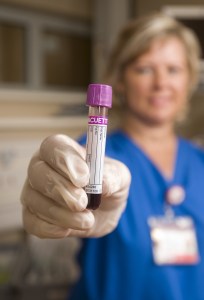
Take blood cholesterol, for example. A cholesterol test really includes several different measures of blood lipids including LDL and HDL cholesterol. LDL is called “bad” cholesterol because it tends to contribute to atherosclerosis, the process in your arteries that leads to many heart attacks and strokes. HDL has an opposite effect, reversing cholesterol deposits in arteries, so it is called “good” cholesterol. Changes in diet and certain medications, including statins (Lipitor is an example), have been widely used to lower LDL cholesterol and, to a lesser extent, raise HDL.

Exercise is also recommended to improve blood lipids, too. However, the effect of exercise is far less impressive than even a single medication. For example, some statin drugs can lower LDL by as much as 50%, which can have a huge impact on heart attack risk. By contrast, daily exercise might only lower LDL by 10%.

There aren’t as many ways to raise HDL, but regular exercise can increase HDL by about 10%. This is dose-related, so higher doses of both drugs and exercise can have a bigger effect. But the amount of exercise most people are likely to do will have a modest effect on blood lipids.

Some people, including many physicians, see this less potent effect as evidence that exercise simply doesn’t work as well as drugs for improving blood lipids. That’s true, if you just look at the numbers. But the health benefits of exercise on these blood lipids goes beyond the total LDL and HDL.

It turns out that HDL and LDL exist in different forms. Some subtypes of LDL are more atherogenic, meaning they increase heart attack risk to a greater extent, than others. Similarly, HDL comes in different subtypes, too, some of which can reduce the risk of heart attack more.

It is becoming clear that exercise can shift the prominent subtypes of HDL and LDL to the more beneficial types. This means that even though exercise may not result in significant changes in the total LDL or HDL on your blood lipid test, it can make LDL less bad and HDL better, reducing your risk of a heart attack or stroke. Similarly, exercise also seems to have beneficial effects on blood vessels and blood glucose beyond the numbers your doctor monitors for hypertension or diabetes. So, even if your test results don’t change much, know that the benefits of exercise go beyond the numbers!


Nutrition, exercise, and health information can be confusing. 
But it doesn't have to be that way.
What can I help you with?
 drparrsays@gmail.com | @drparrsays

What you need to know about diagnosing and treating heart disease

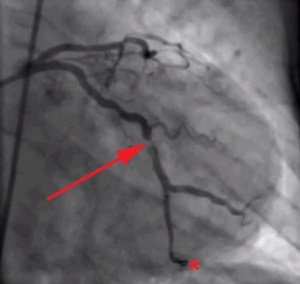
Coronary artery disease or heart disease is caused by atherosclerosis, a process which involves the accumulation of cholesterol plaques in the arteries that supply blood to the heart. These plaques can narrow the blood vessels and reduce blood and oxygen delivery to the heart, leading to symptoms like chest pain (ischemia). The plaques can also rupture and form a blood clot, blocking oxygen delivery and causing a myocardial infarction—a heart attack.

Coronary_angiography_of_a_STEMI_patient,_showing_partial_occlusion_of_left_circumflex_coronary_artery


If you experience symptoms such as chest pain or have a high risk of heart disease due to family history and other risk factors, your doctor may recommend a diagnostic test. In a graded exercise test (GXT), or “stress” test, a person exercises, typically walking on a treadmill, at increasing speed and grade while heart rate, blood pressure, and heart rhythm are monitored by a doctor or exercise physiologist. Changes in these variables, as well as the person’s exercise capacity, can be signs of ischemia and impaired heart function. Often, a GXT is combined with another diagnostic technique, such as nuclear imaging, which shows areas of the heart that do not receive enough blood flow, or an echocardiogram that uses ultrasound to show the heart beating and ejecting blood.


Based on the GXT results, a cardiologist may recommend an angiogram, in which a catheter is inserted into an artery and threaded into the coronary arteries, dye is injected, and the coronary arteries are viewed through X-ray imaging. This allows cardiologists to see the extent of the narrowing in the coronary arteries.


You can be diagnosed with heart disease based on the results of an angiogram or if you had a heart attack. During the angiogram, a cardiologist can perform an angioplasty in which a balloon catheter is inflated to open narrowed arteries. A mesh stent may also be placed to help keep the vessel open for longer. In other cases, coronary artery bypass surgery may be indicated. Considered open heart surgery, this procedure actually bypasses narrowed sections of coronary arteries using another vessel, often a leg vein. Both angioplasty and bypass surgery can restore adequate blood flow to the heart and treat ischemia and heart attacks.


Many people consider the treatment complete after the heart attack has ended and the angioplasty or bypass surgery is complete. The truth is that the long-term outcomes are largely based on what happens next. Traditionally, heart disease patients were told to rest and not stress their hearts, a belief that many still hold today. But exercise-based cardiac rehabilitation programs are key to improving heart health and preventing future complications.


Most cardiac rehabilitation programs include several phases. Phase I programs start in the hospital and focus on getting out of bed and performing self-care activities and some walking. Phase II cardiac rehab involves closely-monitored exercise, usually for 12 weeks following a heart attack or surgery. Phase III involves longer exercise sessions with greater independence and transitions into Phase IV, a lifelong exercise program. Education about exercise, nutrition, weight control, stress management, proper medication use, and psychosocial wellbeing are essential in all phases of cardiac rehabilitation.


The benefits of cardiac rehabilitation are well-established through research and practice. In fact, many patients credit cardiac rehabilitation with saving their lives, even if they had bypass surgery. Despite this, less than a third of patients who are eligible for cardiac rehabilitation actually attend a program. If you or someone you know has had a heart attack or surgery, encourage them to ask their doctor about cardiac rehabilitation—it is likely to be the best way to improve quality of life and avoid future heart problems.


Heart health numbers to know


February is American Heart Month, an ideal time to assess your risk of heart disease and take steps to improve your health. When it comes to heart disease, there are several numbers, including your blood pressure, cholesterol, and glucose, you (or your doctor) may be monitoring. But there is another set of numbers that are equally important for preventing and treating heart disease: 0, 5, 10, 25, and 30.

numbers


0 is for no smoking. Cigarette smoking more than doubles your risk of heart disease and stroke, is by far the leading cause of lung cancer and other lung diseases, and is responsible for over 400,000 deaths per year. If you smoke, quitting now is one of the most important steps you can take to improve your health. Nicotine replacement therapy in the form of gum, lozenges, and patches as well as prescription medications can help, but quitting really does require serious dedication. It’s well worth the effort and some benefits of quitting can be realized almost immediately.


5 is for eating five fruits and vegetables each day. A healthy diet is an essential aspect of good health. While there is no one single measure of a healthy diet, adequate fruit and vegetable consumption is widely considered to be essential for good health. Fruits and vegetables contain vitamins, minerals, and fiber and most are low in calories. At a minimum, you should eat five servings per day with an emphasis on fresh fruits and vegetables. Your real goal should be to include fruits and vegetables in all meals and snacks, but five servings per day is a good start.


10 is for 10,000 steps per day. Regular physical activity is essential for good health. Almost any activity counts, and a good goal is to be as active as possible throughout the day. You can track your physical activity using a pedometer (step counter) or an app on your phone. A target of 10,000 steps per day is a commonly cited goal, but you should try to take as many steps as possible. You can do this by minimizing the time you spend sitting, taking the stairs instead of the elevator, and walking instead of driving when possible. More steps are better, even if you don’t get to 10,000.


25 is for maintaining a healthy body weight, or a body mass index (BMI) of less than 25. The BMI is a measure of weight relative to height. A BMI of 18–25 is considered healthy, 25–29 is considered overweight, and 30 and higher is considered obese. The risk of health problems like diabetes, heart disease, and some cancers goes up with BMI, so maintaining a healthy body weight is good for your health. If you are overweight you should lose weight, even if you don’t make it to an ideal weight.


30 is for 30 minutes of exercise per day. In addition to being as active as possible throughout the day, you should dedicate a minimum of 30 minutes for exercise or other activity. Considerable research shows that that as little as 30 minutes of moderate to vigorous activity leads to improved fitness and health with greater benefits coming from longer duration or higher intensity activity. This can include exercise—a brisk walk or jog, lifting weights, or other aerobic exercise—as well as other activities like housework and yard work. Your goal should be to sit as little as possible, move as much as possible, and make time each day to be active.