
What will fitness look like in 2027? Will we be exercising with artificial intelligence, following workouts on our phones, or returning to more traditional activities like lifting weights and attending exercise classes? According to a new survey from the American College of Sports Medicine (ACSM), the answer is all of the above!
This is the topic of my Health & Fitness column in the Aiken Standard this week.
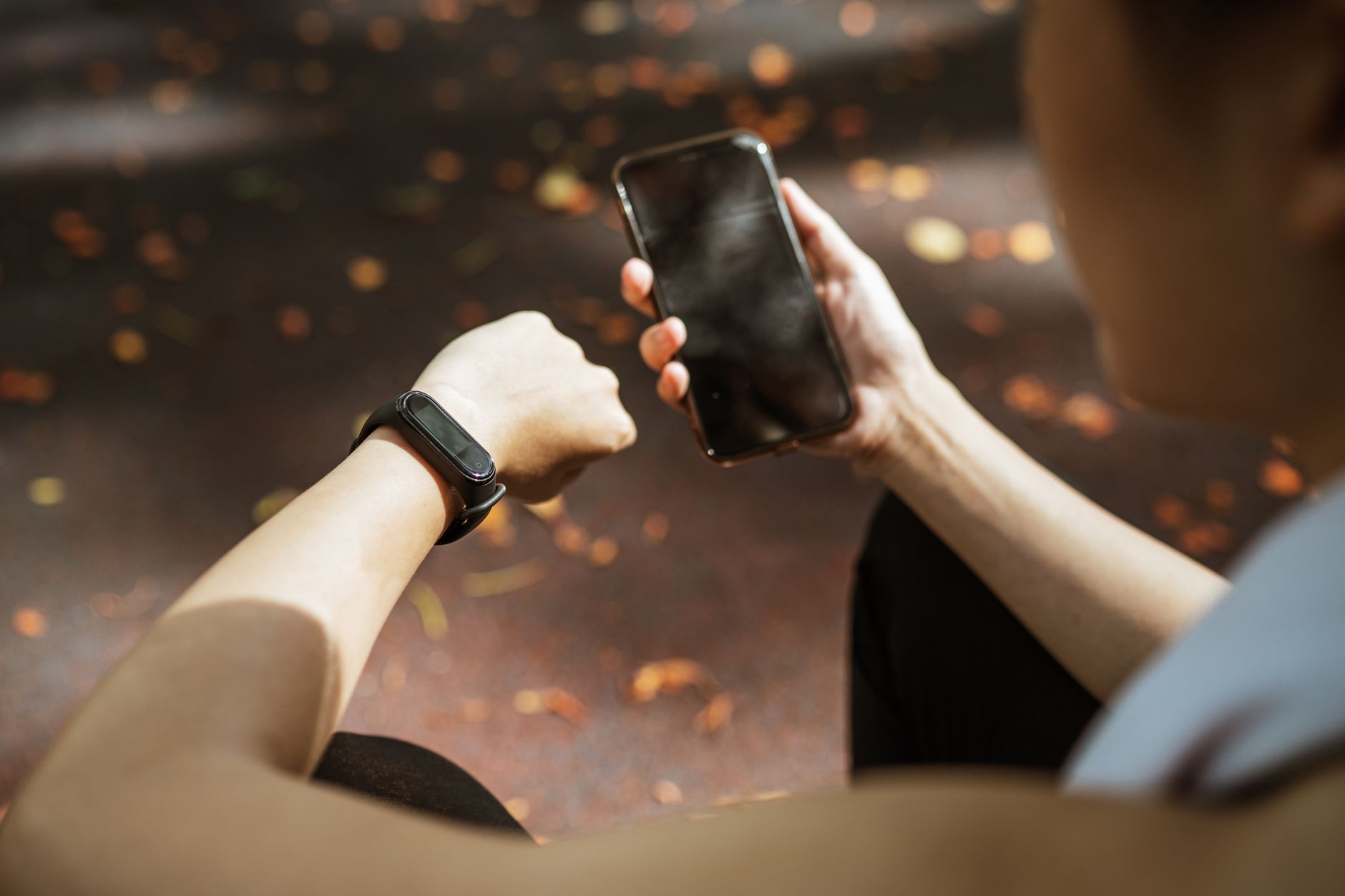
Each year, ACSM surveys fitness professionals to identify trends that are expected to shape the fitness industry in the coming year. The 2027 survey includes responses from more than 1,400 professionals and provides insight into how people are exercising and what we can expect to see in gyms, fitness centers, and other exercise settings.
Here are the top 10 fitness trends for 2027.
1. Wearable technology. Smartwatches and fitness trackers remain the top trend. These devices measure everything from steps and heart rate to sleep and recovery, allowing people to monitor their activity and progress toward fitness goals.
2. Mobile exercise apps. Fitness apps make it possible to follow workouts, track progress, and receive exercise guidance anywhere. Whether at home, outdoors, or in the gym, your phone can be your personal fitness companion.
3. Balance, flow, and core strength. Activities such as yoga, Pilates, and barre are becoming increasingly popular. These exercises emphasize balance, flexibility, core strength, and movement quality, which are important for fitness and daily activities.
4. Fitness programs for older adults. As our population ages, exercise programs designed to maintain strength, mobility, balance, and independence are increasingly important. These programs can help older adults stay healthy and active throughout their lives.
5. Traditional strength training. Lifting weights and other forms of resistance exercise remain popular, and for good reason. Building and maintaining muscle strength benefits people of all ages. You don’t need complicated equipment or workouts to get results.
6. Exercise for weight management. Physical activity is an important part of maintaining a healthy weight. With the increasing use of weight-loss medications, exercise, especially strength training, is also essential for preserving muscle mass and physical function.
7. Group fitness classes. Group exercise is making a comeback! From cycling and aerobics to strength training, exercising with others provides instruction, motivation, accountability, and social interaction that can make exercise more enjoyable.
8. Data-driven training technology. Beyond simply counting steps, technology can now track training intensity, recovery, sleep, and other measures. This information can help people and fitness professionals make decisions about exercise and recovery.
9. Exercise for mental health and well-being. Exercise isn’t just good for your body. Regular physical activity can reduce symptoms of anxiety and depression, improve mood, and help manage stress. Increasingly, these benefits are becoming a primary reason people exercise.
10. Influencer/ambassador-led fitness programs. Social media personalities are influencing how people exercise through online workouts, challenges, and fitness advice. While this can inspire people to be active, it’s important to distinguish credible exercise guidance from popular but questionable fitness claims.
What can we learn from these trends? Technology is changing how we monitor and participate in exercise, but the fundamentals of fitness haven’t changed. Strength training, activities that improve balance and mobility, and exercising with others remain important. Perhaps most encouraging is the growing recognition that exercise benefits physical health, mental well-being, and quality of life at every age.
Remember, the best exercise program isn’t necessarily the trendiest. It’s the one you enjoy, that meets your needs, and that you will stick with!


