Tag Archives: exercise

Invest in your health by following the Buffett plan.

Making smart investments that pay off over time is a key to creating wealth and sustaining financial wellbeing as we age. Warren Buffett is widely regarded as a successful investor and financial leader. His careful investment strategies have allowed him to amass an impressive personal fortune and lead to him be considered one of the foremost experts on investing.

For these reasons, Buffett’s business and financial advice is respected and followed by many people to achieve wealth and financial security. This same strategy can be applied to health with the same good results. Here is how following Buffett’s investing strategy can help you achieve good health now and maintain it long into the future. Just like saving for retirement, you will be glad you have plenty of good health in the bank when you get older.

This is the topic of my Health & Fitness column in the Aiken Standard this week. Since I am not an expert in the world of finance and investing, I did run this by a colleague from the School of Business to make sure I was on the right track.

couple jogging on beach


Make smart, not popular, choices.  Many of Buffett’s investments have been in industries or companies that others have overlooked in favor of more trendy options. However popular, these investments may not be smart choices in the long run. Similarly, new exercise trends and popular dietary supplements may seem appealing for weight loss, but the results are often disappointing. Sometimes the best approach for health is something much less exciting: making smart diet choices and daily exercise will almost always pay off for years to come.

Plan for the long-term success, not quick results.  Investments promising that you will get rich overnight are appealing. While you may make money initially, in the long run you may not have anything to show for it or you may end up losing money. Many fad diets and exercise trends are the health equivalent of get rich quick schemes. For example, they may promote weight loss right away, but fall short when it comes to keeping the weight off. Some popular high-intensity training programs can lead to rapid increases in fitness and strength. But for some people they can lead to injury or, at the very least, a negative experience that may turn them off from exercise in the future. Just as Warren Buffett makes investment decisions that will promote long-term income, you should make diet and exercise choices that will pay off for years to come. Even though the health “income” may accumulate more slowly, it is more likely to be lasting.

Diversify your investments.  Buffett’s strategy has been to invest in multiple industries. This allows him to maximize income and insulates his portfolio from losses in any one area. Similarly, you should diversify your health investments. Instead of focusing only on your diet or just on exercise, include both diet and exercise in your health portfolio. That way you will get the benefits of both treatments and maximize your return on investment. This works because the health benefits of good nutrition and physical activity are additive. In fact, in some cases the activity is essential for the diet to be effective, and vice versa.

Your goal should be to make smart investments in your health by choosing diet and activity strategies that you can live with and that will pay off long into the future. Applying Warren Buffett’s investment strategies can help guide you toward making these prudent decisions.

But a healthy, happy life involves more than good nutrition and exercise. You need to take time for yourself and do things you enjoy. Fortunately, there is another Buffett we can take inspiration from: Jimmy Buffett. Sometimes, escaping to Margaritaville is just what the doctor ordered!


drparrsays blog footer


Chill out! Why less stress is essential for good health.

Chronic stress can have serious emotional, psychological, and physiological effects that contribute to or exacerbate many health problems. In fact, the negative health effects of chronic stress are like those of eating a poor diet or not getting enough physical activity. That said, managing stress, including getting enough sleep, is often overlooked as a key component of good health.

The effects of stress and the importance of stress management is the topic of my Health & Fitness column in the Aiken Standard this week.

stress


The word “stress” is typically used to indicate both the feeling of being “under a lot of stress” as well as the things that cause that feeling. The events and situations that cause stress are properly called stressors, which lead to a stress response that includes consequences we feel as well as physiological changes we may not notice.

The immediate effect of a stressor is called the “fight or flight” response since it prepares the body to deal with a dangerous situation. A classic example of this is a caveman who encounters a saber-toothed tiger, clearly a stress-inducing event.

The sympathetic nervous system is immediately activated, which raises heart rate and blood pressure to pump more blood to the muscles. Additionally, stored fat and carbohydrate fuels are broken down as fuel for the muscles. The adrenal glands release catecholamines (adrenaline) and cortisol (the stress hormone) to prolong and enhance this effect. This coordinated response makes sure the caveman’s body is ready for action. After the danger passes, everything returns to normal.

This physiological response is appropriate for major events like saber-toothed tiger encounters, but not for less perilous stressors like being stuck in traffic, pressure at work or home, and other personal and family issues. But the body responds with the same increase in blood pressure and hormones to them all. Unlike a rare saber-toothed tiger encounter, these stressors tend to occur on a daily basis, leading to continuous stress response.

The increase in hormones can lead to high blood pressure, obesity, type 2 diabetes, and other chronic diseases. This is partly due to elevated levels of cortisol, a hormone that plays a role in storing fat and increasing appetite. While elevated cortisol during exercise (including running away from a saber-toothed tiger) is normal, chronic overproduction can have negative effects.

While it is impossible to avoid all stress in life, minimizing stressors and managing the way you respond to stress can have important benefits. To the extent that it is possible, avoiding stressful situations through better time management, setting realistic expectations for ourselves and with others, and learning to say “no” are common recommendations.

Learning how to deal with stressors to avoid the negative effects of stress is also important. Techniques that can be implemented in the heat of a stressful moment include taking a break from the situation, listening to calming music, and progressive relaxation. Even taking a deep breath can help.

Exercise has long been recognized as beneficial for reducing stress and the long-term effects of stress on your health. This includes doing something active during a stressful situation and exercising regularly to improve the way your body responds to stress. While all forms of exercise seem to work, much research and practice has focused on specific types of exercise including yoga and Tai Chi.

Other effective strategies traditionally include meditation and relaxation exercises. More and more research shows that getting enough sleep is also critical for reducing stress and the impact it has on your health. Eating a healthy diet can reduce the effects of stress as well.

The bottom line is that a healthy lifestyle includes stress management as well as a good diet and regular activity. Since all three are essential for good health, it would be wise to eat smart, move more, and chill out!


drparrsays blog footer

Get fit (and stay cool) in the pool

It’s hot! Whether you are swimming laps or splashing in a lake, swimming is a great way to stay cool. Swimming is also an excellent exercise to get in shape, build muscle, and to help you lose (and maintain) weight. Lap swimming is about as aerobically demanding and burns as many calories as land-based exercise such as walking or jogging. The benefits of swimming is the topic of my Health & Fitness column in the Aiken Standard this week.

Swimmer


There is nothing that feels better on a hot summer day than going for a swim. But beyond being a fun way to cool down, swimming is a great way to get in shape. Swimming is also an excellent exercise for injury rehabilitation or for people with conditions like arthritis.

The fitness benefits of swimming are well established. Since swimming is a whole-body exercise it uses all of your major muscle groups, building strength, endurance, and aerobic fitness. Highly trained swimmers have VO2max values, considered the best measure of aerobic fitness, that are similar to runners and cyclists. If you have doubts about the fitness benefits of swimming, think about how muscular and lean Olympic swimmers are.

Depending on the stroke and speed, swimming ranges between 5 to 10 METs. (METs are units used to measure the intensity of activity; one MET is equivalent to sitting at rest) For example, doing the backstroke at a moderate speed is about 5 METs while swimming laps freestyle with vigorous effort is about 10 METs.

This range is similar to walking at 4 mph up to jogging at a 9 minute per mile pace. What if you are just spending time in the pool or lake rather than swimming laps? Swimming leisurely is 6 METs, still a decent workout.

Swimming is a great way to burn calories, too. Even at a moderate pace, swimming laps for 30 minutes can burn over 200 calories. The exact energy expenditure depends on the stroke (butterfly is highest, backstroke is lowest) and the speed, but for most people swimming will burn as many calories as spending the same amount of time exercising on land.

There are two major reasons for this. First, water is more dense than air, so you need to expend more energy to move your body through the water. Second, swimming is a whole-body exercise which requires more muscle activity compared to walking or jogging which mostly involve the legs.

You may be surprised to learn that novice swimmers expend more energy per lap than elite swimmers. For example, one study showed that competitive swimmers expend only 280 calories to swim a mile, while less experienced swimmers burn about 440 calories to cover the same distance. The reason for this is that experienced swimmers are more efficient, so they expend less energy.

Aquatic exercise is popular for both therapeutic and fitness purposes, especially for people who don’t tolerate exercise on land well. When you are submerged up to your waist, 50% of your weight is supported; when you are up to your chest, about 75% is supported. This reduces the impact of exercise in the water, perfect for people who have arthritis, osteoporosis, fibromyalgia, severe obesity, or who are recovering from injuries.

Exercise in the water doesn’t have to mean swimming laps. Water aerobics, aqua walking or jogging, and resistance training using foam “weights” or webbed gloves offer safe ways to increase strength and endurance for almost everyone. Most fitness facilities that have a pool offer group aquatic exercise classes and you can find instructions online for exercises that you can do in your own pool. If you are interested in using the pool for exercise, you can find information about aquatic exercise in general here and links to suggested exercises here.

The hot summer weather makes swimming and other water exercise appealing. But even if you don’t use the time for exercise, spending time playing in the pool or lake can still burn as many calories as going for a walk and is a great way to have fun and cool down!


drparrsays blog footer

Get fit in just minutes per day!

We are cautioned to be skeptical of claims that you can lose weight while eating everything you want or that you can get in shape without spending hours at the gym. For good reason, too. These claims are essentially the equivalent of a get rich quick scheme, with the same expected results.

But there are some popular exercise programs that aim to increase your endurance, build muscle, and improve your health in less than 10 minutes per day. One is a popular seven minute workout that was published in a fitness journal and received much media attention. There is even an app for your phone that will guide you through the workout. If seven minutes seems like too much, there is even a four minute version! But is less than 10 minutes of exercise per day enough? This is the topic of my Health & Fitness column in the Aiken Standard this week.

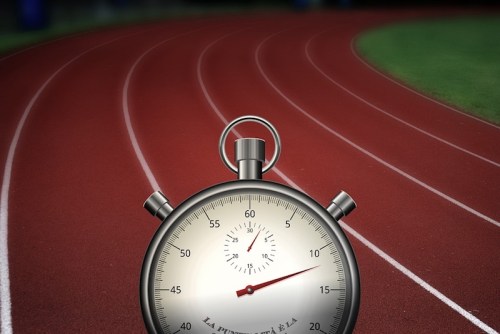
Stopwatch


Current guidelines call for all adults to participate in moderate intensity physical activity for 2 hours and 30 minutes per week or vigorous activity for 1 hour and 15 minutes per week. You can meet this recommendation by going for a brisk walk for 30 minutes on 5 days each week, running for 25 minutes on 3 days per week, or some combination of the two. In addition, you should do strengthening and flexibility exercise at least two days of the week.

For many people, these recommendations seem daunting. In order to make it easier to meet these goals, the exercise time can be divided into shorter sessions. For example, three 10 minute walks are a substitute for walking 30 minutes at once. But some people may still find doing enough exercise to get in shape a challenge, which is why the seven minute exercise program became so popular. And for many, an effective way to improve their fitness.

The effect of exercise on health and fitness is determined by the dose—the combination of intensity and duration. Improvements in aerobic fitness and strength are more related to the intensity of the exercise. As little as a few minutes per day of high-intensity training can be enough to improve fitness, which is why these programs include a combination of vigorous aerobic and strength exercises. In fact, bouts as short as one minute of very intense exercise can improve strength and aerobic fitness better than lower intensity exercise done for a longer time.

Because these programs tend to be intense means that you have to be fit to even get started. A very short program may not be a good choice for people who are not already in shape or who are new to exercise. There may be a greater risk of injury in people who are unfit and start exercising at a high intensity. At the very least, muscle soreness is likely and may impact your ability—and motivation—to repeat that exercise the next day. It is smart to start slowly and gradually increase exercise duration and intensity as your fitness improves.

If you are interested in starting a 10 minute per day routine you may want to start with an app or video that leads you through daily workouts. These may involve using your own body weight for resistance or may require using minimal equipment like dumbbells or resistance bands. If you are more of an expert, you could create your own routine using exercises you are familiar with. You should also warm up before and cool down after each session, something that may not be included in the 10 minute program.

While a 10 minute exercise program can improve your fitness, it shouldn’t be the only physical activity you get. Optimal health and fitness benefits are realized by combining daily physical activity with regular exercise. The best advice is to be as active as possible every day by limiting the time you spend sitting and looking for opportunities to move. Walking instead of driving, using the stairs, and taking the dog for a walk are good ways to increase your activity. You should also dedicate time for exercise to improve your strength and aerobic fitness at least 2–3 days per week. A very short exercise routine may make it easier for you to meet this goal.


drparrsays blog footer

FITT-SPF: How to exercise safely in the sun this summer.

People who exercise are probably familiar with FITT—frequency, intensity, time, and type—the basic principle behind almost all fitness programs. The FITT principle applies to everything from running to weightlifting to yoga. For people who exercise outdoors there are three more letters that are important to know, especially in the summer: SPF. This is the topic of my Health & Fitness column in the Aiken Standard this week.

woman running on beach


First, a bit more about FITT. Exercise prescriptions are based on four key concepts that allow training to be tailored to meet individual goals. Frequency refers to how often you are training, usually expressed as days per week. Intensity is how hard you are working, which could be running or walking speed or the amount of weight you are lifting. Time is simply how long you are exercising per session. Type is the specific type of training you are doing, which we typically think of as endurance (like walking), resistance (lifting weights), or flexibility (stretching).

Keep in mind that there is interaction between these components. Less intense exercise like walking is typically done for longer than more intense exercise such as interval training can be done in shorter sessions. Some people focus on one type of training at a time, as in weight lifting to increase strength or yoga to enhance flexibility, while others do exercise that includes some endurance, resistance, and flexibility training in the same session. Many group exercise classes and programs like CrossFit are examples of combining multiple aspects of fitness in one session. Since everyone has a different starting fitness level and goals, FITT can be manipulated to meet a variety of needs.

Many types of exercise, especially endurance or aerobic training, can easily be done outdoors. Walking, running, cycling, and water sports like stand-up paddle boarding and kayaking, are popular outdoor activities, especially in the summer. Being active outdoors in nature improves health and wellbeing beyond the fitness benefits of the exercise itself, so “going green” with your workouts is a great idea! Some sun exposure is necessary for your body to produce vitamin D, an essential nutrient. But excessive sun exposure can increase the risk of skin cancer, the most commonly diagnosed form of cancer.

Excessive sun exposure is a real risk of exercising outdoors, especially for prolonged periods of time. Cycling, running, water sports, and skiing have been identified as sports that increase the risk of some types of skin cancer. Unfortunately, sunscreen use among outdoor athletes is low. According to survey results, at least half of college athletes never apply sunscreen before games and practices and those who report using sunscreen don’t use it regularly.

Marathoners, who can accumulate 1,000 or more hours of sun exposure during training per year, are more likely to be diagnosed with skin cancer than non-runners, but only about half use sunscreen, according to one study. Regular sunscreen use is even lower in the general population—about 30% of women and 15% of men—so even if you aren’t an athlete it is likely you are still at risk.

The good news is that there is much you can do to reduce your risk of skin cancer while you are active outdoors. First and foremost, properly applying (and reapplying every two hours) a broad-spectrum sunscreen with an SPF of 30 or higher is the best way to protect exposed skin. Some sunscreens are more water and sweat resistant, but still need to be reapplied regularly.

Second, covering exposed skin with light-colored clothing, a hat, and sunglasses is smart. Some clothing is more resistant to UV rays than others, so look for a higher ultraviolet protection factor (UPF). Obviously, you need to find a balance between protecting your skin and allowing sweat and heat loss to keep you cool.

Third, try to exercise outdoors in the early in the morning or later in the day when the sun’s rays are less direct. Keep in mind that you should still use sunscreen on cloudy days as UV rays can penetrate clouds. This also tends to be when temperatures are lower, too, so exercise may be more comfortable.

The bottom line is that summer is a great time to be active outdoors. By taking a few precautions you can do it safely, especially when it comes to reducing your risk of skin cancer from excessive sun exposure. You can learn more about skin cancer risk and prevention from the American Cancer Society and the American Academy of Dermatology.


drparrsays blog footer

Saving for when you need it most by making deposits in your fitness bank.

Saving money for emergencies is good advice and important for maintaining quality of life in the event of a lost job or other financial crisis. While this may seem like common sense, many people have been caught without enough savings when they needed it and found it difficult to meet basic needs.

This principle can also be applied to fitness. When you are healthy, you can maintain a high level of fitness. This makes your day-to-day activities easier and serves as a reserve or “bank” to draw on when you need it. Your good fitness now can get you through a health crisis just like saving money can help you through a financial crisis. This health crisis could come in the form of an injury or illness that keeps you from being active for several days or a hospitalization that keeps you in bed for a week, a month, or longer. This is the topic of my Health & Fitness column in the Aiken Standard this week.

Patient walking in hospital


The problem with periods of inactivity, like bed rest or hospitalization, is that there are severe physiological effects that occur within days and get worse over time. You may have noticed this as weakness and fatigue after spending a few days in bed with a cold. Muscle strength declines with each day of bed rest, and can be 50% lower following as little as three weeks. That reduction in strength could limit a person who was already deconditioned to a point where he or she would have difficulty completing the most basic activities of daily living.

A person who was fit and strong when they went into the hospital would certainly be better off when released. And older adults fare worse than younger individuals. According to one study, the decline in strength seen in older men in just 10 days was equivalent to the change measured after 28 days in men 30 years younger.

It’s not just the muscles that are affected, the bones get weaker, too. In fact, 12 weeks of bed rest can reduce bone density by as much as 50%, exposing patients to a greater risk of fracture. This is due to the reduced stress on the bone from not standing and walking as well as the lack of muscle activity. Two of the most effective ways to build bone density are putting stress on bones through weight-bearing activity and the action of the muscles pulling on the bones from resistance training. Because bed rest eliminates both of these stresses, bone density declines rapidly.

One unique study from the 1960s had healthy young men complete three weeks of bed rest. They all experienced a rapid decline (over 20%) in their aerobic fitness, but recovered quickly after the experiment ended. These individuals also had their fitness tested again 30 years later. It turns out that the decline in fitness in those young men in three weeks of bed rest was greater than the decline in fitness that occurred over 30 years of aging!

The good news is that most patients are encouraged to move around as much as possible. Some receive in-patient physical therapy or rehab, even after major surgery, to help lessen the effects of prolonged bed rest. It is important to take advantage of these opportunities if you, or a loved one, are hospitalized.

There are many reasons to exercise and be fit, but the most important reason may be to develop a fitness “bank” you can draw on if you become injured or hospitalized. Since the effects of bed rest are seen in people of all ages, everyone can benefit from a good fitness foundation. Just like putting money in the bank, doing a little now can have great benefits later when you need it most.

Finally, some smart advice: First, achieve and maintain a high level of fitness now, just as you would save money for a rainy day. You never know when you will need it. Second, if you are hospitalized, take advantage of opportunities to move, whether that is limited to moving from bed to a chair or if it includes short walks or even inpatient exercise–if the medical staff approves, of course. While many well-meaning friends and family members will tell you to rest and not move, true bed rest is almost the worse thing you can do.

For example, inpatient cardiac rehabilitation targets patients who are recovering from heart attacks and even open heart surgery. The goal is to get these patients up and moving as quickly as possible to prevent long-term consequences of bed rest.


drparrsays blog footer


Your metabolism explained. And the only real way to “boost” it!


Many people are interested in speeding up their metabolism in an effort to lose weight. There are drugs, supplements, and even certain foods that are thought to increase metabolism. The effectiveness of many of these things is unproven and some may actually be dangerous. The goal of this article, and my Health & Fitness column in the Aiken Standard this week, is to explain what the term “metabolism” really means and how it can be changed.

Diet pills


Metabolism refers all of your body’s processes that expend energy, or burn calories. Practically, this is how much carbohydrate, fat, and protein is burned throughout the day to provide energy for your cells. This matters because if expending more energy than you consume in your diet can lead to weight loss over time.

The amount of energy you expend in a day is composed of three main components: your resting metabolic rate (RMR), something called the thermic effect of food (TEF), and the energy you expend in activity.

Resting metabolic rate (RMR) is sometimes called the basal metabolic rate (BMR), but many people refer to it as their “metabolism.” No matter which name is used, it refers to the calories you burn at rest. It represents the energy needed to maintain your essential body functions: heart rate, breathing, body temperature, and normal cellular processes.

The RMR is important because it represents about 60–70% of the total calories a typical person burns in a typical day. Even though RMR is important, you shouldn’t worry about it too much.

First, it is difficult to change. RMR is based mostly on your lean body mass, so the only way to increase it is to gain muscle mass. While this is a good goal, it is challenging to do, especially while you trying to losing weight.

Second, although it does vary among people, it isn’t as different as people like to think. It is easy to think that someone who gains weight has a “slow metabolism” or that someone who is thin must have a “fast metabolism.” In reality, the RMR probably isn’t much different, certainly when you take lean body mass (muscle) into account. The explanation for the differences in weight among people probably has more to do with what they eat and how active they are.

The thermic effect of food (TEF) represents the energy needed to digest, absorb, and store the nutrients you eat. It accounts for only about 10% of your total energy expenditure and it is practically impossible to change, so you can ignore it.

Activity is the most variable component of energy expenditure and the one you can most readily change. Obviously, it will vary based on how active you are, but for most people it accounts for 20–30% of total energy expenditure.

Activity includes both purposeful movement such as exercise and doing work or tasks that require you to move. Activity also includes non-exercise activity thermogenesis or NEAT, the calories you burn when you move around, but not in a purposeful way. Maintaining your posture when sitting or standing, fidgeting in your chair, or other light movements count as NEAT.

The surest way for you to increase your metabolism is to limit the time you spend sitting, be active as possible at all times, and dedicate time to exercise every day. Doing prolonged aerobic exercise such as walking, jogging, or exercise classes directly burns calories and including strength training will help increase your muscle mass, which can increase up your RMR.

The bottom line is that speeding up your metabolism requires you to move. So, get up off the couch and go for a walk!


Nutrition, exercise, and health information can be confusing. 
But it doesn't have to be that way.
What can I help you with?
 drparrsays@gmail.com | @drparrsays

Resolutions to make your family happier and healthier in 2017


By this time, you are probably well into your New Year’s resolutions. Hopefully, you are still on track to meet your goals. Whether they are health-related or not, it is likely that your goals focus on you. But what about the rest of your family? Fortunately, there are a few resolutions that your whole family can make that will help you all move, eat, and sleep better. Here are a few ways your family can make 2017 a happy and healthy year.

kids-jumping


Make sure everyone in the family is active every day.

Physical activity is critical for good health for everyone. Beyond that, being active can help you perform better at work and school and make it easier to do things you enjoy in your leisure time. Adults should be active for a minimum of 30 minutes per day. Everything from taking the dog for a walk to a fitness class at the gym counts. For children, the goal is 60 minutes per day through PE class, sports, and play. As a bonus, you can do at least some of the activity together to make activity a family event!


Make healthy eating a family project.

There is a lot of confusion about what makes a healthy diet, but there are a few guidelines almost everyone agrees on. First, eat more fruits and vegetables. At a minimum, eat at least 5 servings each day, but try for twice that. Second, limit added sugars and salt. This is tricky since salt, sugar, and other sweeteners are added to most processed foods. Eating too much sugar is known to contribute to obesity, heart disease, and some cancers, so this is among the smartest nutrition moves you can make. Salt, by itself, isn’t necessarily harmful, but less salt almost always means less processed food and more “real” food. Finally, be mindful of portion sizes. Super-sized servings and second (and third) helpings are the primary reason why people gain weight over time.


Plan to eat at least one meal together each day.

Most experts agree that family dinners are important for promoting good communication and healthy eating habits. Given that our days are busy with work, school, and other activities, eating dinner together every night is unrealistic for many families. So, start with planning at least one family dinner at home each week. This is also a good opportunity to teach children about food and cooking, so it is even better if you prepare the meal together.

Make getting enough sleep a priority.

Many American adults and children don’t get enough sleep. Many American adults and children don’t get enough sleep. Lack of sleep can affect children’s growth, development, and learning. It can also have an impact on an adult’s productivity at work. The effect of chronic stress on health is well-known and we should recognize a lack of sleep as a form of stress. A good goal for adults is 7–9 hours of sleep each night. School-aged children need 8–12 hours, with younger kids requiring more sleep. As difficult as it may be, earlier bedtimes can benefit everyone in the family. Limiting screen time (TV, computer, tablet) before bed can help improve sleep, too.

Obviously, these ideas are easier read than done, especially for busy families. But moving more, eating better, and getting more sleep—especially if it is done together—can help your family enjoy a happier and healthier year.


Nutrition, exercise, and health information can be confusing. 
But it doesn't have to be that way.
What can I help you with?
 drparrsays@gmail.com | @drparrsays


Too fat to fly! Weight loss tips from the North Pole.

There is a problem at the North Pole! Santa’s reindeer are unable fly, putting his Christmas plans in jeopardy. It turns out that the reindeer are suffering from a common problem, one that you might be dealing with, too. Fortunately, Santa has a solution that can help his reindeer and save Christmas. This is the topic of my Health & Fitness column in the Aiken Standard this week.

toofattofly


According to the children’s book Too Fat to Fly by Doreen Belleville, Santa’s reindeer have gained weight in the “off season.” Too much sitting around and too many snacks and treats have resulted in weight gain to the point where the reindeer simply can’t do their job. Sound familiar? Whether it comes during the holidays or gradually throughout the year, weight gain is common for many people. And, like the reindeer, it often goes unnoticed until it is too late—trying to fit into your old suit or favorite dress, for example.

It’s not just the weight that is the problem. The long, lazy vacation has allowed the reindeer to become unfit. They simply aren’t strong enough and don’t have the endurance to pull Santa’s sleigh. Again, a decline in fitness over time is something many of us experience and we may not notice it until we do something strenuous that makes it clear we are out of shape.

In the book we learn that the solution is both simple and well-known. Santa charges his elves with getting the reindeer back in shape, in terms of both fitness and fatness. The snacks are replaced with healthy meals containing lots of fruits and vegetables. And days spent lying around are now spent in the gym and going for walks outdoors.

Like many of us, the reindeer have a tough time adjusting to their new exercise routine. The treadmills are tricky for them, until they get the hang of it. For many of us, exercise equipment and new types of exercise can be intimidating. But with some guidance from the elves (or a personal trainer) you may find that trying new forms of exercise can really help you, just like it did for the reindeer.

The reindeer followed a diet that emphasized fruits and vegetables. Despite the controversy over which diet is the best, almost everyone agrees that more fruits and vegetables and fewer calories from added sugars will help you lose weight. These foods are lower in calories than many other options, contain fiber to help you feel full, and replace less healthy foods you might otherwise pick. Carrots and apples, what the elves picked for the reindeer, are excellent choices, but pretty much any fruits and vegetables will work. Of course, you should eat other foods in moderation, too, including whole grains, meat, and dairy.

The good news is that the diet and exercise program helped the reindeer lose weight and get back in shape in time for Christmas can work for you, too. While you may not see such rapid results, if you are careful with what you eat and dedicate time every day for exercise, you can lose weight relatively quickly. It’s not easy for people or for reindeer, but weight loss and improved fitness are achievable.

Looking forward, continuing to eat a healthy diet and exercising regularly can save you the trouble of trying to lose weight next year at this time. It is always easier to maintain weight and stay fit than it is to lose weight and get back in shape. I’m sure that’s a lesson Santa will teach his reindeer!


Nutrition, exercise, and health information can be confusing. 
But it doesn't have to be that way.
What can I help you with?
 drbrianparr@gmail.com | http://twitter.com/drbrianparr

The one thing

One of the courses I teach at USC Aiken is Health & Behavior Change. In it, we identify the major factors that contribute to chronic diseases and discuss how to modify these risk factors to improve health. Throughout the course, the emphasis is on health behaviors and how to change them for the better.

thing-one


For example, smoking is among the most difficult health-related behaviors to change. Obviously, there is the addictive nature of nicotine that makes smoking cessation challenging. Beyond the drug effect, smoking also has a behavioral component. This includes what a smoker does first thing in the morning, after a meal, or on a work break as well as the act of holding a cigarette in his or her hand. Add to that the social aspects of smoking, including the influence of friends and family members, and it is easy to understand why it is a difficult habit to break.

This same principle applies to other health behaviors, including eating and activity. Like smoking, what we eat and our activity level are complex behaviors that are difficult to change. Because of this, losing weight can be as difficult as quitting smoking for similar biological and behavioral reasons. We think of weight loss as being about a diet or exercise program, but it’s really about changing behaviors and habits.

This is a difficult concept to teach, so I have my students learn through experience. Since almost all of my students are non-smokers and most are active and at a healthy body weight, I have them complete a project in which they change some other behavior. They are responsible for identifying a behavior that has a negative effect on their life, coming up with a plan to change it, and embarking on a four-week behavior change experience. Common topics for my students include getting more sleep, packing a lunch to avoid eating out, and dedicating more time to studying.

One student wanted to change her social media habits. As a compulsive social media user, she spent more hours than she realized checking, posting, and commenting on Facebook, Twitter, Instagram, and others. Her goal was to limit her social media time so that it didn’t interfere with classes or studying. One of the steps she took was to turn off the notifications that alerted her to new activity. This was helpful, but she still found the habit of checking her phone hard to break.

In a conversation, she noted that the one thing that would help more than anything else would be to switch her phone off during the day. This way she would have her phone if she needed it, but it wouldn’t be so easy, or tempting, to use it. Despite knowing the most effective strategy—the one thing—that would help her, she never did it.

I thought this was an excellent example of something that is common in making health behavior changes. In many cases, people probably know the one thing they need to do to be successful but for a host of reasons, they don’t do it. This may lead people to make other changes that aren’t nearly as helpful. While even the smallest behavior modifications can help, successfully losing weight or quitting smoking really does require making big changes.

This goes a long way in explaining why quitting smoking, losing weight, and changing eating and activity behaviors can be so difficult, even when people know what they need to do. There is no easy solution for this problem, but finding someone to hold you accountable for making the necessary changes and sticking to them is a good start.


Nutrition, exercise, and health information can be confusing. 
But it doesn't have to be that way.
What can I help you with?
 drbrianparr@gmail.com | http://twitter.com/drbrianparr