Tag Archives: activity

Keep your cool while enjoying outdoor activities this summer.

It’s that time of year again: school is out and the temperature and humidity are up. Since summer is officially underway it is a good time to revisit some common sense guidelines to make exercise, work, and play outdoors in the summer heat safe and enjoyable for your entire family. This is the topic of my Health & Fitness column in the Aiken Standard this week.

summer splash fun


  1. Drink plenty of fluids

When it’s hot you have to sweat to lose heat and maintain your body temperature. High humidity makes sweating less effective, so you sweat even more. Losing lots of water through sweating can lead to dehydration. At the very least, you probably will feel fatigued but in more severe cases dizziness, low blood pressure, and fainting can occur.

For this reason, it is important to drink plenty of fluids before, during and after your outdoor activity. As a general rule, a cup (8 oz.) of water every 15 minutes is sufficient for most people. Thirst is a good indicator of fluid needs, but you should take frequent breaks to rehydrate.

Make sure to remind kids to take breaks since they can get so busy playing that they forget. Water, juice, sports drinks, and other soft drinks are equally effective, so pick something you and your kids will drink.


  1. Take breaks

The longer you are active the hotter you will get and you may feel more fatigued because of the heat. Taking frequent breaks will give you a chance to rest, cool down, and get something to drink.


  1. Seek out shade

Being in the sun means that you will feel even hotter because you gain heat from the sun’s rays. Spending as much time as you can in the shade will help you stay cool. While this isn’t always practical for all activities, look for shady spots to take breaks.

Keep in mind that shady areas at will change throughout the day, so plan your trip to the park accordingly. Also be aware that direct sunlight can make outdoor surfaces, like playground equipment, very hot. This is another reason to find shady areas to play.


  1. Pick cool clothes

Lighter colored clothing will reduce heat gain from the sun. Synthetic fabrics that wick sweat from the skin can help keep you feel cooler, too. Some clothing is more resistant to UV rays than others, so look for a higher ultraviolet protection factor (UPF). Obviously, you need to find a balance between protecting your skin and allowing sweat and heat loss to keep you cool.


  1. Wear sunscreen

Sun exposure is the leading cause of skin cancer, and outdoor activity can increase the risk. Always use a broad-spectrum (both UVA and UVB rays) sunscreen with an SPF of 30 or higher and apply—and reapply—it according to the instructions. You should also protect your eyes by wearing a hat or sunglasses.


  1. Avoid the hottest times of the day

Try to plan your outdoor activity in the morning or evening to avoid the hottest times of the day. Keep in mind that the highest temperatures often occur in the late afternoon or early evening, so right after work may not be the best time for outdoor activities. Early in the morning is probably the best time since it tends to be cooler and less humid.


You may not be able to plan all of your activities in the shade or when it is cooler. This is especially true for people who work outdoors. In these cases, drinking plenty of fluids and taking frequent breaks is particularly important. By taking the right precautions, though, you can still enjoy your favorite outdoor activities all summer long.


drparrsays blog footer


How to pass your summer vacation fitness test.

If you intend to take a vacation this summer, the time to start planning is now. If your vacation will involve activities like hiking, cycling, or swimming, you also need to make sure you are ready for that level of activity. Even sightseeing and visiting theme parks can require far more activity than most people are accustomed to.

Unfortunately, many people find out the hard way—sore feet and achy legs, for example—that they weren’t prepared. The good news is that regular exercise now can prepare you for your next vacation so you can focus on having fun. This is the topic of my Health & Fitness column in the Aiken Standard this week.

Family beach vacation


There is good reason to choose an active vacation. Spending time outdoors can reduce stress and walking on the beach or snorkeling in the ocean seems like fun, not exercise. The end result is that being active on your vacation adds to the restorative effect of taking time away from your usual routine. In one study, people who had a physically active vacation reported that they felt mentally and physically fitter, felt more balanced and relaxed, could concentrate better during work, were in a better mood, and felt more recuperated than those who took it easy.

Even if you don’t choose a vacation to participate in a specific exercise, you will likely spend time being active. At the very least, you will be on your feet a lot more than usual.

It is not uncommon for visitors to Disney World to be on their feet for 12 hours and walk 10 to 15 miles in a single day. Most people don’t do that much walking in a typical week! This can lead to blisters, muscle soreness, and fatigue, limiting what you can do and, at the very least, making your time less enjoyable.

If you spend much of your time sitting at work and home, you should try limit your sitting and spend more time standing and moving around. This will help you get ready for long days on your feet. If your vacation will include cycling, hiking, or other vigorous exercise, you should make an effort to build up your endurance through longer exercise sessions. And be sure to break in new hiking or walking shoes before your trip!

Your travel plans may require spending time on planes and in airports. This usually means a lot of sitting, but it doesn’t have to. Airports, especially large airports, are built for walking. You can easily walk long distances while you wait for your flight. If you have enough time, you can take a walk around the entire airport, giving you an active way to pass the time.

Passageways that showcase art, shopping, or other information make walking through the airport a more pleasant experience. If you are travelling with children, many airports have areas that allow kids to move and play. You can always get at least a few minutes of activity by taking a short walk rather than sitting in the gate area waiting for your flight to board. Once you are on the plane you can usually get out of your seat to stand up, stretch, and walk around a bit.

Your goal should be to enjoy your vacation and the extra activity it will likely include. In addition to the numerous other health benefits, improving your fitness through regular physical activity will help you appreciate your vacation time more with less stress, meaning you can return home relaxed and ready to take on your usual routine.


drparrsays blog footer

Physical activity is essential for children. Here’s how they can (and should) get it.

Regular physical activity is essential for optimal growth, development, and health in children. The Physical Activity Guidelines for Americans, first published in 2008, recommend that all children and adolescents should do at least one hour of physical activity each day. Most of this time should be spent in moderate or vigorous-intensity aerobic physical activity.

Additionally, children should include muscle and bone-strengthening activity at least 3 days a week as part of the 60 or more minutes per day. The importance of physical activity for children and solutions for how to make it work is the topic of my Health & Fitness column in the Aiken Standard this week.

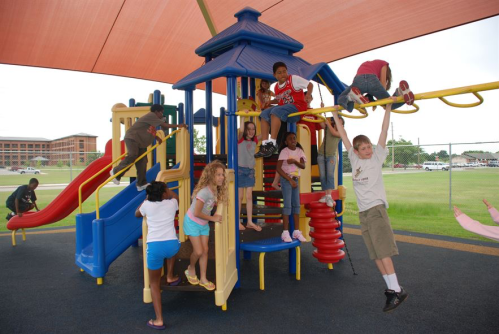
Kids on playground


These activities should be appropriate for their age, be enjoyable, and offer variety. In younger children, active play that involves running, jumping, and climbing meets the call for aerobic as well as muscle and bone-strengthening activity. Older kids can get these types of exercise through sports, physical education in school, or other active pursuits.

Unfortunately, most kids don’t meet these recommendations. According to one survey, only about 30 percent of high school students participated in at least 60 minutes per day of physical activity during the week prior to the survey. That means that less than a third of high school students meet the recommendation! Worse, 14 percent of high school students did not participate in 60 or more minutes of physical activity on any day in the week leading up to the survey.

A different survey showed that only 42 percent of younger children participated in at least 60 minutes of moderate or vigorous activity on most days of the past week. This is surprising considering that, for younger children, pretty much anything that involves being active counts!

So why aren’t kids getting enough activity? As much as it would be nice to blame television and video games, this isn’t the only problem. While it is true that many kids spend nearly as much time sitting in front of a computer or TV screen as they do in school, the real issue is that adults, including parents and educators, don’t encourage participation in activity.

Almost all elementary, middle, and high school age children are in school for at least 6 hours per day, yet less than 10% have access to daily physical education. Other opportunities, including activity breaks during and between classes, recess, and active transportation to and from school are limited. In fact, in an effort to dedicate more time for test preparation, PE and other activities are among the first to be cut.

At home, parental example and encouragement are important determinants for children’s activity. Active parents are likely to have kids who are active, and this lifestyle tends to persist through adolescence and into adulthood. Kids who are encouraged by their parents to play sports or engage in active play or other activities are 65% more likely to do so. Considering that less than half of U.S. adults are active on a daily basis, this positive influence may be missing.

What can we do to promote activity in children in our community? First, most of us could stand to be more active ourselves, so we should start by modeling good activity habits and include our children and grandchildren. Going for a walk in the neighborhood, to the playground, or doing yard work is a good start. Second, we should demand that kids be provided with opportunities for activity in school. Not only is it good for their health, but children who are active in school tend to learn more and do better on tests. Finally, we should limit sedentary pursuits such as video games or watching TV and encourage kids to do something active.


drparrsays blog footer

Your metabolism explained. And the only real way to “boost” it!


Many people are interested in speeding up their metabolism in an effort to lose weight. There are drugs, supplements, and even certain foods that are thought to increase metabolism. The effectiveness of many of these things is unproven and some may actually be dangerous. The goal of this article, and my Health & Fitness column in the Aiken Standard this week, is to explain what the term “metabolism” really means and how it can be changed.

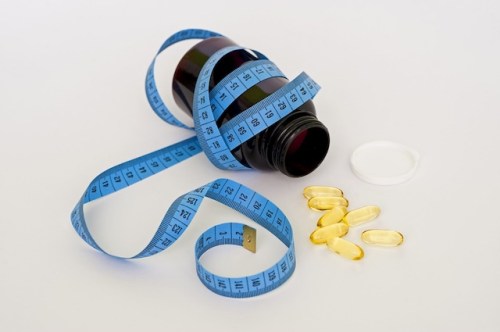
Diet pills


Metabolism refers all of your body’s processes that expend energy, or burn calories. Practically, this is how much carbohydrate, fat, and protein is burned throughout the day to provide energy for your cells. This matters because if expending more energy than you consume in your diet can lead to weight loss over time.

The amount of energy you expend in a day is composed of three main components: your resting metabolic rate (RMR), something called the thermic effect of food (TEF), and the energy you expend in activity.

Resting metabolic rate (RMR) is sometimes called the basal metabolic rate (BMR), but many people refer to it as their “metabolism.” No matter which name is used, it refers to the calories you burn at rest. It represents the energy needed to maintain your essential body functions: heart rate, breathing, body temperature, and normal cellular processes.

The RMR is important because it represents about 60–70% of the total calories a typical person burns in a typical day. Even though RMR is important, you shouldn’t worry about it too much.

First, it is difficult to change. RMR is based mostly on your lean body mass, so the only way to increase it is to gain muscle mass. While this is a good goal, it is challenging to do, especially while you trying to losing weight.

Second, although it does vary among people, it isn’t as different as people like to think. It is easy to think that someone who gains weight has a “slow metabolism” or that someone who is thin must have a “fast metabolism.” In reality, the RMR probably isn’t much different, certainly when you take lean body mass (muscle) into account. The explanation for the differences in weight among people probably has more to do with what they eat and how active they are.

The thermic effect of food (TEF) represents the energy needed to digest, absorb, and store the nutrients you eat. It accounts for only about 10% of your total energy expenditure and it is practically impossible to change, so you can ignore it.

Activity is the most variable component of energy expenditure and the one you can most readily change. Obviously, it will vary based on how active you are, but for most people it accounts for 20–30% of total energy expenditure.

Activity includes both purposeful movement such as exercise and doing work or tasks that require you to move. Activity also includes non-exercise activity thermogenesis or NEAT, the calories you burn when you move around, but not in a purposeful way. Maintaining your posture when sitting or standing, fidgeting in your chair, or other light movements count as NEAT.

The surest way for you to increase your metabolism is to limit the time you spend sitting, be active as possible at all times, and dedicate time to exercise every day. Doing prolonged aerobic exercise such as walking, jogging, or exercise classes directly burns calories and including strength training will help increase your muscle mass, which can increase up your RMR.

The bottom line is that speeding up your metabolism requires you to move. So, get up off the couch and go for a walk!


Nutrition, exercise, and health information can be confusing. 
But it doesn't have to be that way.
What can I help you with?
 drparrsays@gmail.com | @drparrsays

Resolutions to make your family happier and healthier in 2017


By this time, you are probably well into your New Year’s resolutions. Hopefully, you are still on track to meet your goals. Whether they are health-related or not, it is likely that your goals focus on you. But what about the rest of your family? Fortunately, there are a few resolutions that your whole family can make that will help you all move, eat, and sleep better. Here are a few ways your family can make 2017 a happy and healthy year.

kids-jumping


Make sure everyone in the family is active every day.

Physical activity is critical for good health for everyone. Beyond that, being active can help you perform better at work and school and make it easier to do things you enjoy in your leisure time. Adults should be active for a minimum of 30 minutes per day. Everything from taking the dog for a walk to a fitness class at the gym counts. For children, the goal is 60 minutes per day through PE class, sports, and play. As a bonus, you can do at least some of the activity together to make activity a family event!


Make healthy eating a family project.

There is a lot of confusion about what makes a healthy diet, but there are a few guidelines almost everyone agrees on. First, eat more fruits and vegetables. At a minimum, eat at least 5 servings each day, but try for twice that. Second, limit added sugars and salt. This is tricky since salt, sugar, and other sweeteners are added to most processed foods. Eating too much sugar is known to contribute to obesity, heart disease, and some cancers, so this is among the smartest nutrition moves you can make. Salt, by itself, isn’t necessarily harmful, but less salt almost always means less processed food and more “real” food. Finally, be mindful of portion sizes. Super-sized servings and second (and third) helpings are the primary reason why people gain weight over time.


Plan to eat at least one meal together each day.

Most experts agree that family dinners are important for promoting good communication and healthy eating habits. Given that our days are busy with work, school, and other activities, eating dinner together every night is unrealistic for many families. So, start with planning at least one family dinner at home each week. This is also a good opportunity to teach children about food and cooking, so it is even better if you prepare the meal together.

Make getting enough sleep a priority.

Many American adults and children don’t get enough sleep. Many American adults and children don’t get enough sleep. Lack of sleep can affect children’s growth, development, and learning. It can also have an impact on an adult’s productivity at work. The effect of chronic stress on health is well-known and we should recognize a lack of sleep as a form of stress. A good goal for adults is 7–9 hours of sleep each night. School-aged children need 8–12 hours, with younger kids requiring more sleep. As difficult as it may be, earlier bedtimes can benefit everyone in the family. Limiting screen time (TV, computer, tablet) before bed can help improve sleep, too.

Obviously, these ideas are easier read than done, especially for busy families. But moving more, eating better, and getting more sleep—especially if it is done together—can help your family enjoy a happier and healthier year.


Nutrition, exercise, and health information can be confusing. 
But it doesn't have to be that way.
What can I help you with?
 drparrsays@gmail.com | @drparrsays


Back to school: Make sure kids are ready to learn

Physical activity and good nutrition have long been recognized as essential for promoting good health in adults and children. More and more research suggests that these health behaviors can have beneficial effects beyond health, including how we perform both physically and mentally. The emphasis here is on children in school, but it applies to adults, too. This is the topic of my Health & Fitness column in the Aiken Standard this week, just in time for the first day of school here.

school lunch


Unfortunately, taking time for activity and good nutrition is seen as a luxury or a distraction to learning in most schools. Far from being a distraction, physical activity and healthy eating are prerequisites for learning and academic achievement. In short, these often ignored factors can help make sure children are ready to learn.

Regular physical activity is essential for good health, growth, and physical development, including maintaining a healthy body weight. This last point is important given the epidemic of childhood obesity and related health problems, including “adult” diseases like high blood pressure and type 2 diabetes.

Current recommendations call for all children to get at least 60 minutes of activity per day. This can include activity at school from physical education classes, recess, other classroom activities as well as games, sports, and unstructured play. Unfortunately, most kids don’t get nearly enough activity at school and many aren’t active at home.

Physical activity is also important for academic performance. Research shows that children who participated in an activity program had better executive control, which includes resisting distractions and maintaining focus, improved memory, and doing better switching between tasks. This is particularly relevant for children with ADHD, but the effects can be seen in all kids. These positive changes can maximize class time and lead to improvements in academic achievement, especially math and reading test scores.

Similarly, good nutrition is also essential for health, growth, development, and academic achievement. Eating a good breakfast improves cognitive function, alertness, and academic performance in students of all ages. It should be no surprise, then, that skipping breakfast impairs cognitive function and academic achievement. This is one reason that many schools offer breakfast to start the day or include a healthy mid-morning snack.

The same is true for lunch, too. A good lunch can support learning in the afternoon and gives a chance to teach kids about good nutrition by providing healthy food that, unfortunately, many children may not get at home.

Schools have a unique opportunity to use physical activity and nutrition to promote health, support academic achievement, and teach healthy habits. Since formal nutrition education is missing from most curriculums and PE programs are being reduced or cut completely, schools must be creative to incorporate these essential subjects.

A way around this problem is to make sure children get a chance to move and play, ideally multiple times during the day. This is what recess is for. Teachers can also incorporate activity and nutrition education in the classroom and get away from the idea that kids must be sitting still to learn. As research shows, quite the opposite is true!

Schools are often hesitant to teach about nutrition and activity because it is thought of as a responsibility of parents, not schools. But most parents don’t teach these good habits at home, which affects what happens at school. Despite the obvious benefits, it will probably take years of effort to change this view.

In the meantime, parents can encourage their kids to be active and make smarter food choices at home so they are ready to learn in school.


Nutrition, exercise, and health information can be confusing. 
But it doesn't have to be that way.
What can I help you with?
 drbrianparr@gmail.com | http://twitter.com/drbrianparr

The kindergarten guide to health.

I often get the opportunity to speak about exercise, nutrition, and health. Sometimes the message is tailored to a specific audience. Other times I have the challenge of providing information that would be relevant for everyone, from students in preschool to their parents and grandparents. It turns out that the advice I would give the youngest children applies to everyone. My Health & Fitness column in the Aiken Standard this week includes four tips that are appropriate for all ages.

https://flic.kr/p/58nn9a


Eat a rainbow

Of fruits and vegetables, of course. You have probably heard that you should eat five servings of fruits and vegetables each day. In truth, you should get about twice that. Fruits and vegetables contain essential vitamins and minerals and are a good source of fiber. It turns out that dark and brightly-colored fruits and vegetables are rich in these essential nutrients. For example, even though spinach and iceberg lettuce have about the same number of calories, spinach contains significantly higher levels of iron and potassium. Red and orange fruits and vegetables such as cantaloupe are high in beta-carotene, an antioxidant vitamin linked to a lower risk of heart disease and cancer. Eating a variety of colors will make sure you get all of the essential vitamins and minerals and make meals and snacks more interesting.

Play every day

According to the U.S. Physical Activity Guidelines, children should get 60 minutes or more of physical activity each day, with an emphasis on vigorous activity. While this recommendation can be met through sports, there are benefits to unstructured play, especially in younger children. The important thing is that kids have opportunities to be active at school and at home. Like children, adults should be active every day, preferably doing something we enjoy. Since adults don’t spend time running around playgrounds, we get much of our activity through exercise, but the benefits are the same. Regular activity is essential for maintaining a healthy body weight, improving strength and fitness, and preventing disease in adults and children.

Eat breakfast

Children who eat breakfast every day perform better in class and on standardized tests, have fewer absences, and are less likely to be overweight. A good breakfast can improve memory, attention, and alertness in kids and adults. Eating breakfast is also associated with healthier choices for meals and snacks throughout the day. This is important for losing and maintaining weight. In fact, 80% of people who have successfully lost weight and kept it off report eating breakfast every day. Breakfast really is the most important meal of the day!

Don’t spend too much time watching TV

Or playing video games, or in front of the computer. A typical child spends almost as much time each week in front of a screen as they do in school! This is a major contributor to childhood obesity for two reasons. First, what we now call “screen time” is mostly sedentary, replacing opportunities for activity. Second, television viewing exposes kids to advertisements which promote eating foods that are high in sugar, fat, and calories. The American Academy of Pediatrics recommends a maximum of two hours of TV time per day. Kids who limit their screen time also get more sleep and do better in school. By the way, these same problems apply to adults, too. So do the benefits of reducing screen time.

As I write this I am reminded of the essay “All I Really Need to Know I Learned in Kindergarten,” by Robert Fulghum, which recounts simple lessons we learned as children that are relevant at all ages. I think the idea that the simplest lessons apply to everyone holds true for exercise, nutrition, and health information, too.


Nutrition, exercise, and health information can be confusing. 
But it doesn't have to be that way.
What can I help you with?
 drbrianparr@gmail.com | http://twitter.com/drbrianparr

Despite the controversy, energy balance still matters.

The concept of energy balance has been in the news again this past week. Unfortunately, the media reports focused on controversial funding for a network of researchers, not on practical information that could help people with weight control. In my Health & Fitness column in the Aiken Standard this week I take the opportunity to explain what energy balance means and, despite the controversy, how it can help you achieve and maintain a healthy body weight.

walking weight loss


First, it is worth explaining what energy balance means. Basically, the energy balance model suggests that your body weight is determined by the balance between the number of calories you consume and the number of calories you expend each day. It is often illustrated as “calories in, calories out” and is the basis for the most basic weight loss advice: eat less and move more.

Now for the controversy. It was recently reported that the Global Energy Balance Network (GEBN), an organization aimed at promoting activity and health, received money from Coca-Cola, a company that promotes the consumption of sugar-sweetened beverages.  Furthermore, the obesity and exercise researchers at GEBN started focusing more on the lack of activity, instead of unhealthy food, as a major cause of obesity. Whether this is truly a real conflict of interest or simply a reality of funding a non-profit health organization remains to be seen.

It is important to note that this doesn’t mean that the efforts of GEBN scientists or the concept of energy balance in general should be dismissed. In fact, the energy balance model is a simple and effective way to explain how weight gain and weight loss occur. In fact, the only treatments we have for obesity focus on changing energy intake and energy expenditure. While some suggest that the “calories in, calories out” idea is too simplistic, it certainly helps people understand why they have gained weight and provides an intuitive guide to losing weight. This is most commonly expressed as “eat less, move more” and is the foundation of nearly every effective weight loss program.

For most researchers, practitioners, and people in general, the focus is typically on the “energy in” and “eat less” parts of the equation. Nearly all diets work by reducing the number of calories someone eats, even if they claim that you can eat as much as you want. Common recommendations to cut back on sugar or fat tend to lead to eating fewer calories, especially if those foods are replaced by fruits, vegetables, whole grains, and lean meats. Since we now know that eating fat won’t necessarily make you fat, the emphasis has shifted to sugar as a cause of weight gain. And sugar-sweetened beverages, including soda, are a major source of sugar for many people, especially children. So, most experts recommend consuming less soda, candy, and other sources of added sugar.

But there is another part of the energy balance model that can’t be ignored—energy expenditure. One goal of the GEBN is to emphasize the importance of activity in achieving energy balance and a healthy body weight. The focus on physical activity makes sense considering that the component of energy expenditure you can control is your activity level. This includes exercise, other occupational and leisure activity, and limiting sedentary (sitting) time, with a goal to be as active as possible throughout the day. The key is to achieve a balance between what you eat and drink and the energy you expend by being active.

The importance of exercise and energy expenditure for weight loss is shown by the members of the National Weight Control Registry, commonly called the “successful losers” because they have lost an average of over 50 lbs and kept it off for over five years. They lost weight by following a variety of diets and programs but nearly all continue to exercise regularly. This suggests that physical activity to promote “energy out” is at least as important as diet when it comes to maintaining weight loss.

In fact, if energy expenditure is high enough, a person could get away with eating almost anything he or she wants. In the 2008 Olympics, swimmer Michael Phelps famously revealed what he ate on a typically day. The amount and type of foods he consumed were not what you would expect from someone so fit and healthy! Without the hours of training he engaged in each day that diet would almost certainly have resulted in obesity and poor health.

Clearly, increasing physical activity is important both for weight control and health in general. But diet matters, too. And while the energy balance model says that there is nothing wrong with having your favorite foods or drinks as long as you are active, most of us could benefit from drinking less soda and moving a bit more. In this way, keeping yourself in energy balance should allow you to maintain a healthy weight without depriving yourself too much. The key is, and always has been, to find a balance between what you eat and drink and the energy you expend by being active.


Nutrition, exercise, and health information can be confusing. 
But it doesn't have to be that way.
What can I help you with?
 drbrianparr@gmail.com | http://twitter.com/drbrianparr

Start planning for your summer vacation now.

If you intend to take a vacation this summer, the time to start planning is now. Of course, you need to make figure out where and when you want to go, make travel arrangements, and plan activities. If your vacation will involve activities like hiking, cycling, or swimming, you also need to make sure you are ready for that level of activity. Even sightseeing and visiting theme parks can require far more activity than many people are accustomed to.

Unfortunately, many people find out the hard way—sore feet and achy legs, for example—that they weren’t prepared for this level of activity. The good news is that regular exercise can prepare you for your summer vacation so you can focus on having fun, not your tired body. This is the topic of my Health & Fitness column in the Aiken Standard this week.


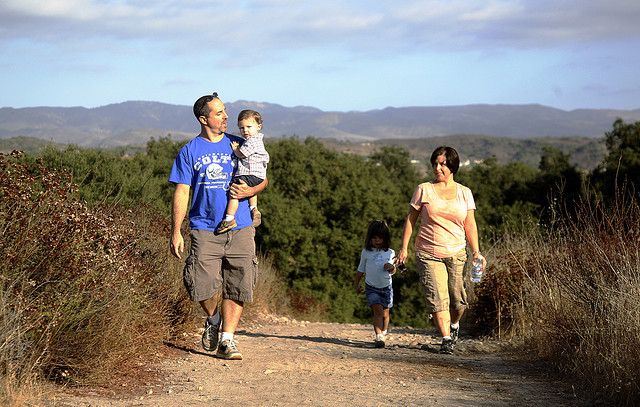
family hiking

There is good reason to choose an active vacation. Simply spending time outdoors can reduce stress and make you feel better and walking on the beach or snorkeling in the ocean seems like fun, not exercise. The end result is that being active on your vacation adds to the restorative effect of taking time away from your usual routine. In one study people who had a physically active vacation reported that they felt mentally and physically fitter, felt more balanced and relaxed, could concentrate better during work, were in a better mood, and felt more recuperated than those who took it easy.

Even if you don’t choose a vacation to participate in a specific exercise you will likely spend time being active. Most vacation destinations are selected in part because there are interesting sights to see or are easy to get around without a car. This means you will be on your feet a lot more than usual.

Think about a family trip to Disney World. It is not uncommon for people to be on their feet for 12 hours and walk 10–15 miles in a single day. Most people don’t do that much walking in a typical week! This can lead to blisters, muscle soreness, and fatigue, limiting what you can do and, at the very least, making your time less enjoyable.

Since regular exercise promotes endurance and strength, being fit can make it easier to get through long days on vacation. If you spend much of your time sitting at work and home, visiting a museum or standing in long lines at a theme park can be daunting. But if you spend more of your day up and moving you will have an easier time in these situations. A whole day walking around sightseeing can be exhausting, but less so if you are accustomed to taking long walks. That isn’t to say that you should start walking for 10 hours each day, but doing activities that last for at least an hour will help.

Here are some tips to help you prepare for your next active vacation. You should limit your sitting time and spend more time standing and moving around at work and at home. This will help you get ready for long days on your feet. Dedicating 30 minutes each day to being active will build endurance, and you can get bigger benefits from doing more. If your vacation will include vigorous exercise, building strength through resistance training and flexibility through stretching or yoga can help you avoid injury.

Your goal should be enjoy your vacation and the extra activity it will likely include. In addition to the numerous other health benefits, improving your fitness through regular physical activity will help you appreciate your vacation time more with less stress, meaning you can return home relaxed and ready to take on your usual routine.

Our toxic activity environment, and what you can do about it.

Last week I introduced the idea that we live in a “toxic environment,” which provides easy access to high-calorie, unhealthy, inexpensive food and promotes physical inactivity. The focus was on the toxic food environment, so now it is time to explore our toxic activity environment and how you can modify it to increase your activity, which can help you lose weight.

Los_Angeles_-_Echangeur_autoroute_110_105


The environment affects our physical activity on several levels. The built environment refers to the layout of our communities, including roads, sidewalks, availability of public transportation, where homes and businesses are located, and even the design of buildings. If you live in a mixed-use area in which there are lots of well-maintained sidewalks that connect your home to schools, parks, churches, restaurants, shops, and businesses, the built environment is likely to support more activity. In larger cities, an effective public transportation network can increase your activity.

However, many people live in areas where there aren’t sidewalks or, if there are, the distances between destinations are too far to make walking convenient. Or they live in a neighborhood that is separated by distance or geography (a busy road, perhaps) from other places they go. Even when sidewalks are present, using them may be challenging due to poor maintenance, automobile traffic, or dangerous road crossings. Even when signals for pedestrians exist, there may not be enough time to safely cross the street, a serious limitation for those with limited mobility. In many cases, the built environment can actually discourage—even prevent—physical activity.

The built environment includes indoor spaces, too. If the building you work in has clean, safe, and accessible stairs, you will be more likely to use the stairs rather than the elevator. Even the design of offices and workspaces can influence activity. If your office has a desk and a chair, it is almost guaranteed you will sit much of the day. Even the small increase in activity that comes from using a standing desk or an alternative to a traditional chair, like sitting on a stability ball, can add up during the day. Some people even have treadmill desks, so they can walk while they work!

At work and at home, technology and labor-saving devices make it easy to be inactive. At work you can communicate with coworkers by phone or email instead of walking to their office to talk. Entire groups of people can have meetings via video in which each person is seated at their own desk, even though everyone works in the same building. At home you can change the TV channel, connect with friends and family, even order dinner from the comfort of your couch. Riding lawn mowers and leaf blowers reduce the physical effort needed to do yard work and robotic vacuums allow you to sit and watch your floors get cleaned.

The good news is that you can change the way in which you interact with the toxic activity environment to increase your level of activity. You may need to drive to a store or restaurant if it is too far to walk, but you can park farther away to get a few extra steps. You can get up from your desk to talk to a coworker rather than calling or sending an email. At home you can get up off the couch during commercials or take short “screen time” breaks to move. And it is perfectly alright to leave the leaf blower in the garage and use a rake to clean up the yard.