Tag Archives: activity

Golf for fun, fitness, and health

Since the Masters is this week, lots of people in our area are talking about, and playing, golf. Over 25 million Americans played golf last year, making it one of the most popular sports to participate in. In fact, golf is the most popular sport played by adults over the age of 55.

Often perceived as a leisurely activity for retirees or business executives, golf offers a wide range of health benefits that make it an excellent form of physical activity for individuals of all ages. Playing golf can improve cardiovascular health, enhance muscle strength and endurance, increase flexibility, improve balance and coordination, and reduce stress levels. This is the topic of my Health & Fitness column in the Aiken Standard this week.

pexels-jopwell-1325681


According to one study, which measured heart rate in golfers not using an electric cart on a hilly cart, the intensity of a round of golf is consistent with moderate-intensity aerobic exercise. Considering that the average golfer plays for about three hours per round, this accounts for a substantial amount of recommended weekly physical activity. A golfer who walks the course could burn up to 1,000 calories over 18 holes. Of course, the activity level and health benefits are reduced when riding in a motorized cart, but even that level of activity is associated with health benefits.

Playing golf can improve muscle strength and endurance. Golf requires the use of multiple muscle groups, including the core, legs, arms, and shoulders. Swinging a golf club strengthens the muscles of the upper body, while walking uphill and downhill on the golf course strengthens the leg muscles. Carrying the golf bag on the shoulders or pushing a golf cart can further enhance the benefits of the exercise.

Golf can also enhance flexibility, which is crucial for maintaining a healthy range of motion and reducing the risk of injuries. The swinging motion of the golf club requires a full range of motion of the shoulders, back, hips, and wrists. Additionally, the walking and bending involved in playing golf also contribute to improving flexibility. Together, enhanced strength and flexibility  can aid in the prevention of back pain, joint stiffness, and muscle soreness.

Playing golf can also improve balance and coordination, which is essential for performing daily activities and maintaining stability. Golf requires a high level of hand-eye coordination, as well as coordination between the upper and lower body. The ability to maintain balance while swinging the golf club and walking on uneven terrain can help prevent falls and injuries, especially in older adults.

Lastly, playing golf can reduce stress levels and improve mental health. Most golfers play in a group, so golf offers social interaction in addition to activity. Furthermore, outdoor activity is known to have substantial benefits on mood and feelings of well-being, meaning that golf can be good for mental health as well as physical health.

In conclusion, golf is an excellent form of physical activity that offers numerous health benefits. The aerobic, strength, flexibility, balance, and coordination involved in playing golf can enhance overall fitness and reduce the risk of chronic diseases. Furthermore, golf can provide a peaceful and relaxing environment that can reduce stress levels and improve mental health. So, next time you think of golf, remember that it is not just a sport but also a way to stay fit and healthy.


drparrsays blog footer

Fun and fitness on your active summer vacation

If you intend to take a vacation this summer, now is the time to start planning. If your vacation will involve activities like hiking, cycling, or swimming, you need to make sure you are ready for that level of activity. Even sightseeing and visiting theme parks can require far more activity than most people are accustomed to.

Unfortunately, many people find out the hard way—sore feet and achy legs, for example—that they weren’t prepared. The good news is that regular exercise now can prepare you for your next vacation so you can focus on having fun. This is the topic of my Health & Fitness column in the Aiken Standard this week.

Family beach vacation


There is good reason to choose an active vacation. Spending time outdoors can reduce stress and walking on the beach or snorkeling in the ocean seems like fun, not exercise. The end result is that being active on your vacation adds to the restorative effect of taking time away from your usual routine. In one study, people who had a physically active vacation reported that they felt mentally and physically fitter, felt more balanced and relaxed, could concentrate better during work, were in a better mood, and felt more recuperated than those who took it easy.

Even if you don’t choose a vacation to participate in a specific exercise, you will likely spend time being active. At the very least, you will be on your feet a lot more than usual.

It is not uncommon for visitors to Disney World to be on their feet for 12 hours and walk 10 to 15 miles in a single day. Most people don’t do that much walking in a typical week! This can lead to blisters, muscle soreness, and fatigue, limiting what you can do and, at the very least, making your time less enjoyable.

If you spend much of your time sitting at work and home, you should try limit your sitting and spend more time standing and moving around. This will help you get ready for long days on your feet. If your vacation will include cycling, hiking, or other vigorous exercise, you should make an effort to build up your endurance through longer exercise sessions. And be sure to break in new hiking or walking shoes before your trip!

Your travel plans may require spending time on planes and in airports. This usually means a lot of sitting, but it doesn’t have to. Airports, especially large airports, are built for walking. You can easily walk long distances while you wait for your flight. If you have enough time, you can take a walk around the entire airport, giving you an active way to pass the time.

Passageways that showcase art, shopping, or other information make walking through the airport a more pleasant experience. If you are traveling with children, many airports have areas that allow kids to move and play. You can always get at least a few minutes of activity by taking a short walk rather than sitting in the gate area waiting for your flight to board. Once you are on the plane you can usually get out of your seat to stand up, stretch, and walk around a bit.

Your goal should be to enjoy your vacation and the extra activity it will likely include. In addition to the numerous other health benefits, improving your fitness through regular physical activity will help you appreciate your vacation time more with less stress, meaning you can return home relaxed and ready to take on your usual routine.


drparrsays blog footer

Golf for fun, fitness, and health

Now that spring has arrived and the Masters just ended, lots of people in our area are talking about, and playing, golf. Over 25 million Americans played golf last year, making it one of the most popular sports to participate in. In fact, golf is the most popular sport played by adults over the age of 55.

Often perceived as a leisurely activity for retirees or business executives, golf offers a wide range of health benefits that make it an excellent form of physical activity for individuals of all ages. Playing golf can improve cardiovascular health, enhance muscle strength and endurance, increase flexibility, improve balance and coordination, and reduce stress levels. This is the topic of my Health & Fitness column in the Aiken Standard this week.

pexels-jopwell-1325681


According to one study, which measured heart rate in golfers not using an electric cart on a hilly cart, the intensity of a round of golf is consistent with moderate-intensity aerobic exercise. Considering that the average golfer plays for about three hours per round, this accounts for a substantial amount of recommended weekly physical activity. A golfer who walks the course could burn up to 1,000 calories over 18 holes. Of course, the activity level and health benefits are reduced when riding in a motorized cart, but even that level of activity is associated with health benefits.

Playing golf can improve muscle strength and endurance. Golf requires the use of multiple muscle groups, including the core, legs, arms, and shoulders. Swinging a golf club strengthens the muscles of the upper body, while walking uphill and downhill on the golf course strengthens the leg muscles. Carrying the golf bag on the shoulders or pushing a golf cart can further enhance the benefits of the exercise.

Golf can also enhance flexibility, which is crucial for maintaining a healthy range of motion and reducing the risk of injuries. The swinging motion of the golf club requires a full range of motion of the shoulders, back, hips, and wrists. Additionally, the walking and bending involved in playing golf also contribute to improving flexibility. Together, enhanced strength and flexibility  can aid in the prevention of back pain, joint stiffness, and muscle soreness.

Playing golf can also improve balance and coordination, which is essential for performing daily activities and maintaining stability. Golf requires a high level of hand-eye coordination, as well as coordination between the upper and lower body. The ability to maintain balance while swinging the golf club and walking on uneven terrain can help prevent falls and injuries, especially in older adults.

Lastly, playing golf can reduce stress levels and improve mental health. Most golfers play in a group, so golf offers social interaction in addition to activity. Furthermore, outdoor activity is known to have substantial benefits on mood and feelings of well-being, meaning that golf can be good for mental health as well as physical health.

In conclusion, golf is an excellent form of physical activity that offers numerous health benefits. The aerobic, strength, flexibility, balance, and coordination involved in playing golf can enhance overall fitness and reduce the risk of chronic diseases. Furthermore, golf can provide a peaceful and relaxing environment that can reduce stress levels and improve mental health. So, next time you think of golf, remember that it is not just a sport but also a way to stay fit and healthy.


drparrsays blog footer

New reasons why it is so easy to gain weight. And what you can do to stop it.

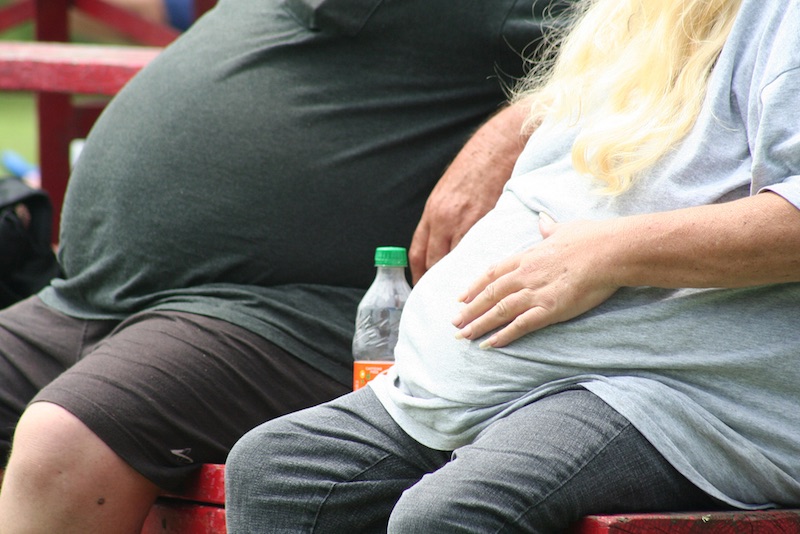
If you have been gaining weight or find it more and more difficult to maintain your weight, you are not alone. According to current statistics, one-third of U.S. adults are obese and two-thirds are considered overweight. Being overweight is now the norm in America, since only about 3 in 10 people are at a healthy body weight.

This is consistent with other reports that show that the waistlines of Americans are expanding. One study looked at the percentage of adults who had a high waist circumference (over 35 inches for women and over 40 inches for men). Overall, the average American added over one inch to their waist circumference over the past decade. As of 2012, over half of U.S. adults meet the criteria for abdominal obesity. This is bad news, since excess fat, especially around the waist, increases the risk of type 2 diabetes, hypertension, and heart disease.

It wasn’t always this way. As recently as the 1980s the prevalence of obesity was much lower, around 15%. There has been much interest in figuring out why this widespread weight gain has occurred. While there is no single cause, there are a host of factors that contribute to the obesity epidemic. This is the topic of my Health & Fitness column in the Aiken Standard this week.

Obesity


Among the forces that seem to be working against you are your genetics and our environment, specifically as it relates to eating and activity behaviors.  Over the past several decades our “food environment” has changed so that now low-quality, high-calorie food is readily accessible and more nutritious food is harder to find and more expensive. Our “activity environment” has changed, too. For most of us, the physical activity that was common at work and home years ago has been replaced by lots of sitting. While there are genes that influence our eating and activity behaviors, these genes have not changed enough over time to explain the obesity epidemic.

A practical explanation for weight gain, both for individuals and the population as a whole, is that we are eating more and expending less energy through activity. Indeed, even small changes in energy balance can add up to increased weight over time . One study, however, suggests that there may be other factors that may have contributed to the rise in obesity beyond eating and activity.

Among these factors are exposure to certain chemicals in the environment, the use of prescription drugs that cause weight gain, and how our current diet has changed the bacteria in our intestines, that we now know regulate our physiology in surprising ways. For example, bisphenol A (BPA), still found in some plastics, food containers, and receipts, alters normal hormone activity in a way that may increase fat storage.

There is some good news, though. Eating a healthy diet and being active everyday can help you lose weight and maintain a healthy weight. This is true whether your concern is changes in your own eating and activity habits or these other potential causes of weight gain. Indeed, regular exercise may help treat many conditions, like depression, for which prescription medications that may cause weight gain are often used. And a diet rich in fruits, vegetables, and whole grains and low in added sugar may help restore more normal gut bacteria which might help with weight control.

Until we know otherwise, eating smart and moving more is still your best approach to weight control and good health.


drparrsays blog footer

Healthy Back to School for the Whole Family

This week marks the beginning of another school year for many children in our area. Students, parents, and teachers are starting another year filled with opportunities for children to learn and grow through math and science, reading and writing, and art and music. 

But children should also learn about good nutrition and physical activity, since both good health and good education are essential for lifelong happiness and success. In most schools, though, most kids won’t experience much meaningful education about nutrition, activity, and health. 

To be clear, this is not the fault of teachers or individual school leaders, who are limited in what they can do by local, state, and federal requirements. These topics necessarily become “homework,” and the responsibility of parents and other caregivers. 

Here are a few suggestions from my Health & Fitness column in the Aiken Standard to help make everyone happier and healthier this school year.

Make sure everyone in the family is active every day. Physical activity is critical for good health for everyone. Importantly, it can improve your immune system, helping you fight viruses of all kinds. Beyond that, being active can help you perform better at work and school and make it easier to do things you enjoy in your leisure time. Adults should be active for a minimum of 30 minutes per day. Everything from taking the dog for a walk to a fitness class at the gym counts. For children, the goal is 60 minutes per day through PE class, sports, and play. As a bonus, you can do at least some of the activity together to make activity a family event!

Make healthy eating a family project. There is a lot of confusion about what makes a healthy diet, but there are a few guidelines almost everyone agrees on. First, eat more fruits and vegetables. At a minimum, eat at least five servings each day, but try for twice that. Second, limit added sugars and salt. This is tricky since salt, sugar, and other sweeteners are added to most processed foods. Eating too much sugar is known to contribute to obesity, heart disease, and some cancers, so this is among the smartest nutrition moves you can make. Salt, by itself, isn’t necessarily harmful, but less salt almost always means less processed food and more “real” food. Finally, be mindful of portion sizes. Super-sized servings and second (and third) helpings are the primary reason why people gain weight over time.

Plan to eat at least one meal together each day. Most experts agree that family dinners are important for promoting good communication and healthy eating habits. Given that our days are busy with work, school, and other activities, eating dinner together every night is unrealistic for many families. So, start with planning at least one family dinner at home each week. This is also a good opportunity to teach children about food and cooking, so it is even better if you prepare the meal together.

Make getting enough sleep a priority. Many American adults and children don’t get enough sleep. Many American adults and children don’t get enough sleep. Lack of sleep can affect children’s growth, development, and learning.  It can also have an impact on an adult’s productivity at work. The effect of chronic stress on health is well known and we should recognize a lack of sleep as a form of stress. A good goal for adults is 7–9 hours of sleep each night. School-aged children need 8–12 hours, with younger kids requiring more. As difficult as it may be, earlier bedtimes can benefit everyone in the family. Limiting screen time (TV, computer, tablet) before bed can help improve sleep, too.

Obviously, these ideas are easier read than done, especially for busy families. But moving more, eating better, and getting more sleep—especially if it is done together—can help your family enjoy a happier and healthier year.

Tips for staying cool when you exercise, work, and play in the summer heat.

After a relatively cool start to the summer, the temperature and humidity are up in our area. This is a good time to revisit some commonsense guidelines to make exercise, work, and play outdoors in the summer heat safe and enjoyable for your entire family. This is the topic of my Health & Fitness column in the Aiken Standard this week.

summer splash fun


  1. Drink plenty of fluids

When it’s hot you have to sweat to lose heat and maintain your body temperature. High humidity makes sweating less effective, so you sweat even more. Losing lots of water through sweating can lead to dehydration. At the very least, you probably will feel fatigued but in more severe cases dizziness, low blood pressure, and fainting can occur.

For this reason, it is important to drink plenty of fluids before, during and after your outdoor activity. As a general rule, a cup (8 oz.) of water every 15–20 minutes is sufficient for most people. Thirst is a good indicator of fluid needs, but you should take frequent breaks to rehydrate.

Make sure to remind kids to take breaks since they can get so busy playing that they forget. Water, juice, sports drinks, and other soft drinks are equally effective, so pick something you and your kids will drink.

  1. Take breaks

The longer you are active the hotter you will get and you may feel more fatigued because of the heat. Taking frequent breaks will give you a chance to rest, cool down, and get something to drink.

  1. Seek out shade

Being in the sun means that you will feel even hotter because you gain heat from the sun’s rays. Spending as much time as you can in the shade will help you stay cool. While this isn’t always practical for all activities, look for shady spots to take breaks.

Keep in mind that shady areas at will change throughout the day, so plan your trip to the park accordingly. Also be aware that direct sunlight can make outdoor surfaces, like playground equipment, very hot. This is another reason to find shady areas to play.

  1. Pick cool clothes

Lighter colored clothing will reduce heat gain from the sun. Synthetic fabrics that wick sweat from the skin can help keep you feel cooler, too. Some clothing is more resistant to UV rays than others, so look for a higher ultraviolet protection factor (UPF). Obviously, you need to find a balance between protecting your skin and allowing sweat and heat loss to keep you cool.

  1. Wear sunscreen

Sun exposure is the leading cause of skin cancer, and outdoor activity can increase the risk. Always use a broad-spectrum (both UVA and UVB rays) sunscreen with an SPF of 30 or higher and apply—and reapply—it according to the instructions. You should also protect your eyes by wearing a hat or sunglasses.

  1. Avoid the hottest times of the day

Try to plan your outdoor activity in the morning or evening to avoid the hottest times of the day. Keep in mind that the highest temperatures often occur in the late afternoon or early evening, so right after work may not be the best time for outdoor activities. Early in the morning is probably the best time since it tends to be cooler and less humid.

You may not be able to plan all of your activities in the shade or when it is cooler. This is especially true for people who work outdoors. In these cases, drinking plenty of fluids and taking frequent breaks is particularly important. By taking the right precautions, though, you can still enjoy your favorite outdoor activities all summer long.


drparrsays blog footer

Fitness for fun on your active summer vacation

If you intend to take a vacation this summer, now is the time to start planning. If your vacation will involve activities like hiking, cycling, or swimming, you need to make sure you are ready for that level of activity. Even sightseeing and visiting theme parks can require far more activity than most people are accustomed to.

Unfortunately, many people find out the hard way—sore feet and achy legs, for example—that they weren’t prepared. The good news is that regular exercise now can prepare you for your next vacation so you can focus on having fun. This is the topic of my Health & Fitness column in the Aiken Standard this week.

Family beach vacation


There is good reason to choose an active vacation. Spending time outdoors can reduce stress and walking on the beach or snorkeling in the ocean seems like fun, not exercise. The end result is that being active on your vacation adds to the restorative effect of taking time away from your usual routine. In one study, people who had a physically active vacation reported that they felt mentally and physically fitter, felt more balanced and relaxed, could concentrate better during work, were in a better mood, and felt more recuperated than those who took it easy.

Even if you don’t choose a vacation to participate in a specific exercise, you will likely spend time being active. At the very least, you will be on your feet a lot more than usual.

It is not uncommon for visitors to Disney World to be on their feet for 12 hours and walk 10 to 15 miles in a single day. Most people don’t do that much walking in a typical week! This can lead to blisters, muscle soreness, and fatigue, limiting what you can do and, at the very least, making your time less enjoyable.

If you spend much of your time sitting at work and home, you should try limit your sitting and spend more time standing and moving around. This will help you get ready for long days on your feet. If your vacation will include cycling, hiking, or other vigorous exercise, you should make an effort to build up your endurance through longer exercise sessions. And be sure to break in new hiking or walking shoes before your trip!

Your travel plans may require spending time on planes and in airports. This usually means a lot of sitting, but it doesn’t have to. Airports, especially large airports, are built for walking. You can easily walk long distances while you wait for your flight. If you have enough time, you can take a walk around the entire airport, giving you an active way to pass the time.

Passageways that showcase art, shopping, or other information make walking through the airport a more pleasant experience. If you are traveling with children, many airports have areas that allow kids to move and play. You can always get at least a few minutes of activity by taking a short walk rather than sitting in the gate area waiting for your flight to board. Once you are on the plane you can usually get out of your seat to stand up, stretch, and walk around a bit.

Your goal should be to enjoy your vacation and the extra activity it will likely include. In addition to the numerous other health benefits, improving your fitness through regular physical activity will help you appreciate your vacation time more with less stress, meaning you can return home relaxed and ready to take on your usual routine.


drparrsays blog footer

Golf for fun, fitness, and health

Now that spring has arrived and the Masters just ended, lots of people in our area are talking about, and playing, golf. Over 25 million Americans played golf last year, making it one of the most popular sports to participate in. In fact, golf is the most popular sport played by adults over the age of 55.

Often perceived as a leisurely activity for retirees or business executives, golf offers a wide range of health benefits that make it an excellent form of physical activity for individuals of all ages. Playing golf can improve cardiovascular health, enhance muscle strength and endurance, increase flexibility, improve balance and coordination, and reduce stress levels. This is the topic of my Health & Fitness column in the Aiken Standard this week.

pexels-jopwell-1325681


According to one study, which measured heart rate in golfers not using an electric cart on a hilly cart, the intensity of a round of golf is consistent with moderate-intensity aerobic exercise. Considering that the average golfer plays for about three hours per round, this accounts for a substantial amount of recommended weekly physical activity. A golfer who walks the course could burn up to 1,000 calories over 18 holes. Of course, the activity level and health benefits are reduced when riding in a motorized cart, but even that level of activity is associated with health benefits.

Playing golf can improve muscle strength and endurance. Golf requires the use of multiple muscle groups, including the core, legs, arms, and shoulders. Swinging a golf club strengthens the muscles of the upper body, while walking uphill and downhill on the golf course strengthens the leg muscles. Carrying the golf bag on the shoulders or pushing a golf cart can further enhance the benefits of the exercise.

Golf can also enhance flexibility, which is crucial for maintaining a healthy range of motion and reducing the risk of injuries. The swinging motion of the golf club requires a full range of motion of the shoulders, back, hips, and wrists. Additionally, the walking and bending involved in playing golf also contribute to improving flexibility. Together, enhanced strength and flexibility  can aid in the prevention of back pain, joint stiffness, and muscle soreness.

Playing golf can also improve balance and coordination, which is essential for performing daily activities and maintaining stability. Golf requires a high level of hand-eye coordination, as well as coordination between the upper and lower body. The ability to maintain balance while swinging the golf club and walking on uneven terrain can help prevent falls and injuries, especially in older adults.

Lastly, playing golf can reduce stress levels and improve mental health. Most golfers play in a group, so golf offers social interaction in addition to activity. Furthermore, outdoor activity is known to have substantial benefits on mood and feelings of well-being, meaning that golf can be good for mental health as well as physical health.

In conclusion, golf is an excellent form of physical activity that offers numerous health benefits. The aerobic, strength, flexibility, balance, and coordination involved in playing golf can enhance overall fitness and reduce the risk of chronic diseases. Furthermore, golf can provide a peaceful and relaxing environment that can reduce stress levels and improve mental health. So, next time you think of golf, remember that it is not just a sport but also a way to stay fit and healthy.


drparrsays blog footer

Be active, even when you’re not.

You probably know that exercise is good for your physical health. A lower risk of weight gain, diabetes, heart disease, and some cancers are among a long list of positive health effects of regular physical activity. But the rewards of exercise go beyond strengthening muscles and bones, burning fat, and improving heart health. Lesser known benefits include improved mental health, cognitive function, and greater feelings of wellbeing. This is the topic of my Health & Fitness column in the Aiken Standard this week.

woman-wearing-black-crew-neck-sleeveless-top-sitting-of-gray-1181577

Continue reading

Healthy back to school, part 2

Last week I wrote about the importance of physical activity and good nutrition for growth, learning, and development. However, most schools do little to provide meaningful opportunities for activity during the day. Similarly, nutrition education is lacking and the quality of food provided in most schools is poor.

To be clear, this is not the fault of teachers or individual school leaders, who are limited in what they can do by local, state, and federal requirements. Knowing that good nutrition and physical activity support health and academic success, families are held responsible for teaching these topics at home. Here are a few suggestions from my Health & Fitness column in the Aiken Standard to help make everyone happier and healthier this school year.

Make sure everyone in the family is active every day. Physical activity is critical for good health for everyone. Importantly, it can improve your immune system, helping you fight viruses of all kinds. Beyond that, being active can help you perform better at work and school and make it easier to do things you enjoy in your leisure time. Adults should be active for a minimum of 30 minutes per day. Everything from taking the dog for a walk to a fitness class at the gym counts. For children, the goal is 60 minutes per day through PE class, sports, and play. As a bonus, you can do at least some of the activity together to make activity a family event!

Make healthy eating a family project. There is a lot of confusion about what makes a healthy diet, but there are a few guidelines almost everyone agrees on. First, eat more fruits and vegetables. At a minimum, eat at least five servings each day, but try for twice that. Second, limit added sugars and salt. This is tricky since salt, sugar, and other sweeteners are added to most processed foods. Eating too much sugar is known to contribute to obesity, heart disease, and some cancers, so this is among the smartest nutrition moves you can make. Salt, by itself, isn’t necessarily harmful, but less salt almost always means less processed food and more “real” food. Finally, be mindful of portion sizes. Super-sized servings and second (and third) helpings are the primary reason why people gain weight over time.

Plan to eat at least one meal together each day. Most experts agree that family dinners are important for promoting good communication and healthy eating habits. Given that our days are busy with work, school, and other activities, eating dinner together every night is unrealistic for many families. So, start with planning at least one family dinner at home each week. This is also a good opportunity to teach children about food and cooking, so it is even better if you prepare the meal together.

Make getting enough sleep a priority. Many American adults and children don’t get enough sleep. Many American adults and children don’t get enough sleep. Lack of sleep can affect children’s growth, development, and learning.  It can also have an impact on an adult’s productivity at work. The effect of chronic stress on health is well known and we should recognize a lack of sleep as a form of stress. A good goal for adults is 7–9 hours of sleep each night. School-aged children need 8–12 hours, with younger kids requiring more. As difficult as it may be, earlier bedtimes can benefit everyone in the family. Limiting screen time (TV, computer, tablet) before bed can help improve sleep, too.

Obviously, these ideas are easier read than done, especially for busy families. But moving more, eating better, and getting more sleep—especially if it is done together—can help your family enjoy a happier and healthier year.