After the ouch: New ways to treat minor sports injuries.

If you play sports or exercise regularly you probably have experienced some sort of injury. Hopefully yours was just a minor muscle strain, joint sprain, or soreness that didn’t prevent you from continuing your exercise program. It is always best to address minor injuries before they progress to cause more lasting damage.

If you do sustain a muscle or joint injury you will probably ice the affected area to help it heal. But there are also several newer techniques that can help speed recovery. This is the topic of my Health & Fitness column in the Aiken Standard this week.

Kinesio tape


The most common recommendation for treating a minor exercise injury is to use ice to reduce swelling and speed healing. For example, an ankle sprain might be treated by sitting with the injured leg elevated while applying ice; later the joint might be wrapped with athletic tape to provide support and further reduce inflammation. This combination is called RICE—rest, ice, compression, elevation—and makes intuitive sense.

Several other treatments for sports injuries have become more commonly used thanks in part to their use by professional and Olympic athletes. This is also due to the realization that inflammation is a key component in tissue repair and reducing it with ice therapy might actually interfere with healing. More and more sports medicine professionals are using modalities— voodoo flossing, cupping, and kinesio taping—other than (or in addition to) RICE to treat many injuries.

The benefits of compression for injury healing can be achieved by tightly wrapping an injured area with a rubber band, called “floss,” for a short time, usually less than a minute. This technique, commonly called voodoo flossing, is used to increase joint mobility and speed healing of minor injuries. Tightly wrapping a joint does has several potential effects by which it can improve movement and reduce pain. This includes allowing tissues to move more freely and increasing blood flow to the injured area.

Cupping gained much attention when swimmer Michael Phelps appeared at a race in the 2016 Olympics with large red welts on his back. He wasn’t hurt, as many feared. Rather, he was using cupping as a technique to treat injury and improve performance. Cupping literally involves the application of glass or plastic cups to the skin for several minutes, typically 5–15 minutes. Using either vacuum or heat, the cups pull the skin away from the underlying muscle tissue, increasing blood flow and improving movement. While cupping may be new to most of us, it has been used since ancient times and factors prominently in traditional Chinese medicine.

While voodoo flossing and cupping have a role in treating injuries and improving performance in the training room, there is a relatively new modality that can be used during exercise to enhance performance. Kinesio tape, also called K-tape, is applied over specific muscles to reduce pain and improve movement. The tape pulls the skin away from the underlying muscle, which increases blood flow and enhances movement, much like cupping. The difference is that kinesio tape can be used during exercise, as many people first saw on the shoulders of beach volleyball players in the 2008 Olympics.

While many sports medicine professionals still recommend RICE as a first line treatment for minor injuries, they are increasingly utilizing these alternative treatments. With a little training, people can use these techniques at home to treat some of their own minor injuries. Obviously, it is important to learn how to properly do these treatments and evaluate whether they are working. Improper treatment can delay healing and may make some injuries worse, so these treatments might be best done by trained professionals. And some injuries do require attention by sports medicine professionals. That said, if you are looking for an injury treatment beyond RICE, voodoo flossing, cupping, and kinesio tape might be worth trying.


drparrsays blog footer

Saving for when you need it most by making deposits in your fitness bank.

Saving money for emergencies is good advice and important for maintaining quality of life in the event of a lost job or other financial crisis. While this may seem like common sense, many people have been caught without enough savings when they needed it and found it difficult to meet basic needs.

This principle can also be applied to fitness. When you are healthy, you can maintain a high level of fitness. This makes your day-to-day activities easier and serves as a reserve or “bank” to draw on when you need it. Your good fitness now can get you through a health crisis just like saving money can help you through a financial crisis. This health crisis could come in the form of an injury or illness that keeps you from being active for several days or a hospitalization that keeps you in bed for a week, a month, or longer. This is the topic of my Health & Fitness column in the Aiken Standard this week.

Patient walking in hospital


The problem with periods of inactivity, like bed rest or hospitalization, is that there are severe physiological effects that occur within days and get worse over time. You may have noticed this as weakness and fatigue after spending a few days in bed with a cold. Muscle strength declines with each day of bed rest, and can be 50% lower following as little as three weeks. That reduction in strength could limit a person who was already deconditioned to a point where he or she would have difficulty completing the most basic activities of daily living.

A person who was fit and strong when they went into the hospital would certainly be better off when released. And older adults fare worse than younger individuals. According to one study, the decline in strength seen in older men in just 10 days was equivalent to the change measured after 28 days in men 30 years younger.

It’s not just the muscles that are affected, the bones get weaker, too. In fact, 12 weeks of bed rest can reduce bone density by as much as 50%, exposing patients to a greater risk of fracture. This is due to the reduced stress on the bone from not standing and walking as well as the lack of muscle activity. Two of the most effective ways to build bone density are putting stress on bones through weight-bearing activity and the action of the muscles pulling on the bones from resistance training. Because bed rest eliminates both of these stresses, bone density declines rapidly.

One unique study from the 1960s had healthy young men complete three weeks of bed rest. They all experienced a rapid decline (over 20%) in their aerobic fitness, but recovered quickly after the experiment ended. These individuals also had their fitness tested again 30 years later. It turns out that the decline in fitness in those young men in three weeks of bed rest was greater than the decline in fitness that occurred over 30 years of aging!

The good news is that most patients are encouraged to move around as much as possible. Some receive in-patient physical therapy or rehab, even after major surgery, to help lessen the effects of prolonged bed rest. It is important to take advantage of these opportunities if you, or a loved one, are hospitalized.

There are many reasons to exercise and be fit, but the most important reason may be to develop a fitness “bank” you can draw on if you become injured or hospitalized. Since the effects of bed rest are seen in people of all ages, everyone can benefit from a good fitness foundation. Just like putting money in the bank, doing a little now can have great benefits later when you need it most.

Finally, some smart advice: First, achieve and maintain a high level of fitness now, just as you would save money for a rainy day. You never know when you will need it. Second, if you are hospitalized, take advantage of opportunities to move, whether that is limited to moving from bed to a chair or if it includes short walks or even inpatient exercise–if the medical staff approves, of course. While many well-meaning friends and family members will tell you to rest and not move, true bed rest is almost the worse thing you can do.

For example, inpatient cardiac rehabilitation targets patients who are recovering from heart attacks and even open heart surgery. The goal is to get these patients up and moving as quickly as possible to prevent long-term consequences of bed rest.


drparrsays blog footer


When it comes to drinks, apparently you can’t win if you try.

This is all from the New York Times this week:

I’m thirsty. I want a soda… Sugary drinks tied to accelerated brain aging

Okay, so I will drink a diet soda instead… Diet sodas tied to dementia and stroke

Fine, I’ll have a beer… Beer drinkers may develop irregular heart rhythms

I give up. I guess I’ll just have water.


drparrsays blog footer


Go green (literally) for Earth Day

As Earth Day just passed, this is a good time to think about the impact we have on our environment. We should also think about what we can do to reduce that impact. The good news is there are ways we can “go green” that are good for our health and the health of our planet, as I explain in my Health & Fitness column in the Aiken Standard this week.


Bicycle commuting

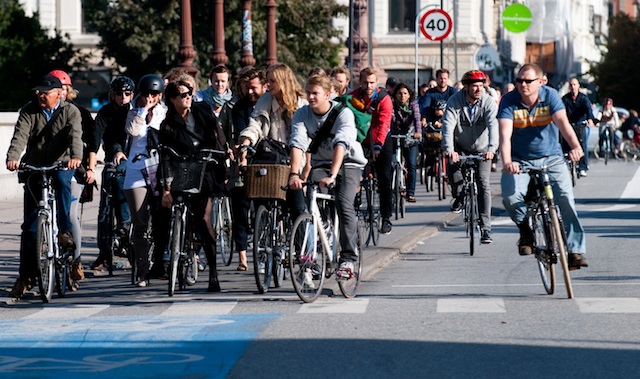
First, you can go green by replacing car trips with walking or cycling. Every mile you drive releases carbon dioxide and other pollutants into the environment. Additionally, spending more time sitting in your car can also have negative effects on your health and happiness. Walking or biking has no such effects on the environment and has important health benefits including improved fitness, weight control, and greater feelings of wellbeing. Despite the potential environmental and health benefits of replacing car trips with active transportation, 37% of Americans report not walking for transportation at all in a given week.

Obviously, walking or biking everywhere isn’t practical. But you could probably replace some car trips with active transportation. Most people commute less than five miles to work and nearly half of all car trips are less than two miles. Both are reasonable distances to bike or walk. If you have several places to go, you can always park in a central location and walk to each destination.

The second way you can go green is by eating more vegetables and fruits. Fruits and vegetables contain vitamins, minerals, and fiber and most are low in calories. At a minimum, you should eat five servings per day with an emphasis on fresh fruits and vegetables. You should also try to buy from area farmers. Eating locally grown food is good for you and the environment. Food production and delivery is second only to cars for fossil fuel use  and is the biggest contributor to greenhouse gas emissions. According to one estimate,  the food items that make up a typical meal travel about 1,500 miles each (as much as 100,000 miles for a whole meal in some places) to get to your table? Food from local farms is associated with fewer “food miles” and a lower environmental footprint.

Additionally, produce grown locally is picked at the peak of freshness, meaning it is richer in nutrients, not to mention flavor. By contrast, produce that is grown far away is picked before it is ripe, resulting in lower nutritional value. As an added benefit, the money you spend on food from local farms stays in our area, supporting farmers who live in our community.

Since you are eating more veggies, you can eat less meat. Raising animals for meat, milk, and eggs has a major impact on the environment. Over a quarter of land is dedicated to raising livestock, and almost 15% of total greenhouse gas emissions come from livestock. These animals also produce tons of manure every minute, at least some of which ends up polluting water supplies.

Finally, you can literally “go green” when you exercise. Being active outdoors leads to enhanced feelings of energy and diminished fatigue, anxiety, anger, and sadness compared to similar activity conducted indoors. Additionally, some research suggests that outdoor activity may improve attention in adults and children. Another advantage of exercising outdoors is that you might get a better workout because you will likely walk or run faster outdoors. Research shows that even though people tend to exercise at a higher intensity outside, it may feel easier. Much of the psychological benefit of outdoor exercise occurs in the first five minutes, so even short bouts of activity, like walking instead of driving a short distance, are meaningful.

So, as you celebrate Earth Day this week, think about all the ways you can go green—it’s good for you and the environment.

Go nuts! But be reasonable.

Eating nuts can be a tasty way to make your diet healthier. Nuts are beneficial because they are rich in healthy unsaturated fats, fiber, and essential vitamins and minerals. Nuts also contain omega-3 fats and natural plant sterols which, together, may help lower your blood cholesterol and reduce your risk of heaving a heart attack. But all foods that contain nuts are not equally healthy, as I explain in my Health & Fitness column in the Aiken Standard this week.

Mixed nuts


Although the specific nutrients vary among different nuts, all nuts are thought to be healthy. This includes tree nuts such as almonds, macadamia nuts, walnuts, and pecans, which have the most research to support their health benefits. But it also includes peanuts, which are actually legumes (like beans), not true nuts.


Research suggests that regular nut consumption is associated with a lower risk of dying from many of the leading causes of death, including heart disease and cancer. One study examined a host of lifestyle factors, including physical activity, smoking, and diet, in over 100,000 men and women for nearly 30 years.


The reduction of risk of death was greater with more frequent nut consumption. For example, the risk of death from all causes was 11% lower among men and women who consumed nuts once per week and 20% lower among those who ate nuts seven or more times per week. This was true for both peanut and tree nut consumption, suggesting that all nuts are beneficial.


It is important to note that the people in the study who ate the most nuts were also leaner, consumed more fruits and vegetables, less likely to smoke, more likely to exercise, and more likely to use multi-vitamin supplements. Although these other factors were controlled for in the analysis, common sense suggests that the benefits associated with nut consumption is likely due to a combination of these beneficial health behaviors.


The bottom line is that eating nuts as part of an overall healthy lifestyle is good for you. A person who eats in unhealthy diet, doesn’t exercise, and smokes is unlikely undo the negative health impact of their lifestyle simply by eating more nuts. Achieving the full benefits of nut consumption seen in the study also certainly means adopting other healthy behaviors.


The good news is that adding nuts to your diet is an easy change to make. A typical recommendation for nut consumption is 1-1.5 ounces per day. This is the equivalent of a handful of most nuts. The goal would be use nuts to replace a less healthy snack such as chips. A handful of nuts contains about 150-200 calories, similar to other snacks such a small bag of potato chips. The difference is that nuts contain healthy fats, vitamins, minerals, and fiber, which may fill you up more. Nuts are relatively inexpensive and portable, meaning you can take them with you for a snack. Nuts can also be added to salads and other dishes.


Keep in mind that you should focus on eating plain nuts to get the biggest benefits. Many nuts have added flavors in the form of coatings, glazes, and seasonings, which may be high in sugar and salt. Honey roasted peanuts and chocolate covered almonds are good examples of nuts that are essentially candy. These types of nuts should be eaten sparingly and for dessert, not as a snack.

Similarly, peanut butter (and other nut butters) are a healthy source of protein and energy. But many contain added sugar as some contain other ingredients like chocolate. In fact, many “nut” butters don’t contain nuts at all and are essentially frosting!

To learn more about the difference between plain nuts and nuts that are essentially candy, check out Candy and Soda for Breakfast!

So, go ahead and go nuts! Just remember to do it as part of an otherwise healthy diet and active lifestyle.

Aaaa-chooo! Exercise and seasonal allergies.


Spring means blooming flowers, new leaves on trees, and green grass. But for millions of people, spring also means seasonal allergies. Also known as allergic rhinitis or hay fever, seasonal allergies are caused by pollen produced by plants. Tree pollen is the most common culprit in the spring, with grass and ragweed in the summer and fall, respectively. Allergy symptoms — watery eyes, runny nose, sneezing, congestion, and cough — may start within 5–10 minutes of exposure in sensitive individuals and last for hours.

sneeze

Seasonal allergies are an abnormal response of the immune system to pollen. Inhaled pollen acts as an allergen, which stimulates the immune system to produce antibodies, including IgE. Antibodies are produced whenever the immune system encounters a foreign antigen, whether it is a virus or pollen. The IgE stimulates specialized cells in the airways called mast cells to produce histamines, which cause the familiar symptoms of seasonal allergies. This is the same process that causes allergies to dust mites, animal dander, and certain foods.

Since histamines are an important step in triggering an allergic response, seasonal allergies can be treated by using antihistamine drugs such as fexofenadine (Allegra), loratadine (Claritin), cetirizine (Zyrtec) and diphenhydramine (Benadryl). Some antihistamines also include a decongestant (Claritin-D, for example).

Allergy symptoms can be diminished by reducing exposure to pollen. This means keeping the windows of your home and car closed and minimizing outdoor activity when pollen levels are highest, particularly early in the morning, on windy days, and when the pollen count is high. Pollen levels are often reported with weather forecasts.

People often ask if it is safe to exercise if they have seasonal allergies. In most cases, the answer is yes. Allergy symptoms are typically similar to cold symptoms, so the usual advice about exercise with a cold also applies: If the symptoms are above your neck (runny nose, watery eyes, sneezing), it is safe to exercise. That said, allergy symptoms are based on exposure to pollen and the more you inhale, the worse your symptoms. Since your breathing increases significantly during exercise, so does your exposure to pollen.

There are some cases in which exercise with allergies could have serious effects. Exercise-induced bronchospasm (EIB), also called exercise-induced asthma, is a condition that affects the majority of people with asthma, many of whom also have seasonal allergies. EIB is thought to be caused by the cooling and drying of the airways due to the high ventilation during exercise or exposure to particulate matter in the air, typically from pollutants, or pollen. EIB results in the constriction of airways, severely limiting airflow into the lungs. Asthmatics typically carry a rescue inhaler (bronchodilator) during exercise for this reason.

Interestingly, EIB also occurs in athletes, including those who compete at the Olympic level. It is more common among athletes competing in outdoor winter events (cooling and drying of airways) and indoor ice events (pollutants from ice resurfacing equipment). Through careful warm-up and use of certain approved medications, athletes with allergies and EIB can successfully compete at an elite level.

Since most of us don’t reach the exertion level of athletes, there is no reason to let seasonal allergies stop you from exercising. You may be able to exercise outdoors on days in which the pollen count is lower, especially if you do lower-intensity exercise like walking. Antihistamine medications may help ease the symptoms and shouldn’t interfere with exercise. For many people, allergy season is a good time to exercise indoors. Walking on a treadmill or an indoor track or participating in a group exercise class at a local gym are great ways to stay active on days when exercise outdoors just won’t work. By taking some precautions, you can and should exercise even if you have seasonal allergies!


Nutrition, exercise, and health information can be confusing. 
But it doesn't have to be that way.
What can I help you with?
 drparrsays@gmail.com | @drparrsays


Don’t be an April Fool when it comes to weight loss claims

Diets don’t work!

Exercise can actually make you gain weight!

You can take supplements that will melt fat away while you sleep!

Claims like these should make you wonder if someone is trying to fool you. Since April Fools’ Day just past, it is worth learning the truth about these common weight loss myths.

Diet pills


Diets don’t work

Considering that most people who lose weight end up gaining it back, this belief is understandable. The fact is that diets do work—that is how people lost weight in the first place! The problem is that many diets simply aren’t sustainable and don’t teach healthy eating habits necessary to keep the weight off. The result is that after the diet ends, a return to old eating patterns leads to gaining the weight back. The solution, of course, is to find a diet that you can stick with even after you have lost weight, one that teaches you how to make healthy choices and adapt your lifestyle.

Exercise doesn’t lead to weight loss

The traditional advice for losing weight is to eat less and exercise more. But some research suggests that exercise itself doesn’t lead to significant weight loss. In fact, exercise alone results in lower weight loss compared to diet only or diet plus exercise. While this is true, concluding that exercise isn’t important is a mistake.

First, even if exercise only leads to a small amount of weight loss (about a half pound per week in my research) it does add up over time and can help someone achieve their weight loss goal more quickly. Second, research involving individuals who have succeeded at long-term weight loss in The National Weight Control Registry shows that exercise is important. It is noteworthy that 94% of these “successful losers” increased their physical activity in order to lose weight and 90% said that they maintain their weight by exercising an average of 60 minutes every day.

You can boost your metabolism and burn fat using supplements

Losing weight really does require making changes to your eating and exercise behaviors. Many of these changes can be difficult, so it is no surprise that people look for shortcuts. And there is no shortcut more appealing than a supplement that will increase your metabolism and burn fat while you sleep.

Keep in mind that there are no dietary supplements that have been shown to be effective for promoting long-term weight loss, despite what the manufacturers claim. In fact, some could even be dangerous. The only way to make a meaningful change in your metabolism is to exercise and significant weight loss simply won’t happen unless you change your diet.

Be especially skeptical when you see words like “flush” and “cleanse,” which are meaningless and have nothing to do with weight loss. There are a few prescription medications and one over-the-counter drug (Orlistat) that has been shown to promote weight loss—but only when combined with a healthy diet and exercise.

Hopefully this advice will help you make healthy decisions and avoid becoming an “April Fool” when it comes to weight loss claims. The good news is that you can start losing weight today by making some simple changes including reducing your portion sizes at meals, choosing water or other calorie-free beverages when you are thirsty, and making it a point to be active every day. These modifications can lead to weight loss now and are exactly the type of changes you need to make to keep the weight off in the long run.


Seven habits of highly healthy people

Most common health problems, including obesity, diabetes, cardiovascular disease, and many cancers, are linked to health habits such as smoking, what you eat, and how active you are. Changing these behaviors can have a big impact on your health and feelings of wellbeing.

There is no one “right” way to create a healthy lifestyle, but there are some habits that are common among healthy people. Here are seven habits of highly healthy people.

4619130750_c58e2a55df_z


  1. Don’t smoke.

There is no way around this one—quit! Ask your doctor about prescription and over-the-counter medications that can make quitting easier. Ultimately, though, quitting smoking is a behavior change that takes motivation, willpower, social support and time.


  1. Sit less.

Prolonged sitting has been linked to negative health effects that are similar to those of not exercising. The good news is that you can offset the health effects of sitting too much at work and at home by taking short breaks to get up and move.


  1. Move more.

You should strive to be as active as possible throughout the day. At a minimum, aim for 30 minutes of activity each day, but more is better. You can meet this goal by taking the dog for a walk, playing with your kids (or grandkids), and doing housework or yard work. Even using the stairs instead of the elevator or parking farther away and walking to your destination are good ways to make activity a habit.


  1. Get regular exercise.

While being active on a daily basis is a good goal, there are additional benefits of doing structured exercise. This could include walking, running, or cycling outdoors, visiting a fitness center, a group exercise class, or a doing exercise at home. In addition to improving endurance, strength, and flexibility, regular exercise helps with weight control, can lower blood pressure, and helps prevents and treat diabetes.


  1. Eat smart.

Healthy eating isn’t necessarily about eating less or avoiding certain foods, it’s about making smart choices when you shop, cook, or eat out. Eating fresh and minimally processed foods, more fruits and vegetables, and less added sugar and salt are good ways to eat smart. Learning about the food you eat and cooking meals at home more often is another common recommendation.


  1. Chill out.

Chronic stress can have serious emotional, psychological, and physiological effects that lead to or exacerbate many health problems. While it is impossible to avoid all stress in life, minimizing stressors and managing the way you respond to stress can have important benefits.

Regular exercise, including yoga, managing time better, and getting enough sleep, can help with minimizing your feelings of stress as well as the effects it has on your body.


  1. Monitor your health.

Keeping track of your health status and habits can help you set goals, evaluate your progress, and prevent surprises, like “sudden” weight gain. Some of these are measurements your doctor will make including blood pressure, cholesterol, and glucose. Others you can complete yourself like your weight, what you eat, and what you do for activity. It works, too: Research shows that people who weigh themselves regularly are better able to maintain weight loss.


Adopting these seven habits can help you prevent and treat many chronic diseases. Some of these behaviors may be difficult to change. But keep in mind that you don’t have to be perfect—even small changes can add up to big health benefits!


Nutrition, exercise, and health information can be confusing. 
But it doesn't have to be that way.
What can I help you with?
 drparrsays@gmail.com | @drparrsays

Living from chair to chair … to wheelchair?

You probably know that participating in regular physical activity is among the most important things you can do to improve your health. This activity can include exercise as well as just about anything else that gets you moving.

Parking further away at the store, walking the dog, even doing yard work are all recommended ways to be more active. The message, from me and others, is that every little bit of activity counts. Of course, doing more activity, including both higher intensity (traditional exercise) and longer duration (a longer walk) can bring greater health benefits.

What you may not know is that being sedentary, especially spending time sitting, is just as detrimental to your health as not being active. In fact, spending most of the day sitting can undo some of the benefits of exercising, as I explain in my Health & Fitness column in the Aiken Standard this week.

Obesity


It’s true—a person who doesn’t exercise but moves a lot during the day at work or home may be healthier than someone who exercises every day but spends much of the rest of their day sitting! (To be sure, that person is much better off than someone who doesn’t exercise and sits all day.)

You may also be surprised how much time most people, yourself included, spend sitting. While some people have jobs that keep them active, most occupations involve sitting much of the day.

The situation outside of work isn’t much better, between lengthy commutes in the car and hours of “screen time” at home.

This sedentary time comes at the expense of being active, especially doing vigorous activity that causes you to break a sweat, like exercise. And the extent to which we avoid vigorous activity is shocking!

One study used measurements of physical activity recorded continuously for several days in over 2,500 adults to determine how much time the typical American spends being active or sedentary. The results show that the average adult spends about 8 hours each day being sedentary (sitting, mostly), and about 6 hours being active. Almost all that activity time was light intensity activity, around 20–30 minutes was moderate-intensity (a brisk walk), and less than a minute of vigorous activity per day. Less than a minute!

As the author of this study noted, many people seem to be living from “one chair to another.”

Men were slightly more active than women, and overweight and obese men and women were less active than normal weight individuals. Obese women got just one hour of exercise per year. Obese men were not much better, with less than three hours of vigorous activity per year. These levels of physical activity are far below the recommended minimum of 150 minutes of moderate activity or 75 minutes of vigorous exercise per week.

The consequences of sitting so much instead of being active can be severe, including higher body fatness, poor physical function, and increased risk of chronic diseases including diabetes, heart disease, and some cancers.

Another study suggests that these consequences also include an increased risk of disability. In this study, older adults who were less active reported more difficulty completing self-care tasks including getting in and out of bed, eating, dressing, or walking. In fact, each additional hour of sedentary time increased the risk of this type of disability by almost 50%.

Most of us live a life that includes too much sedentary time, especially sitting, and too little activity. This has serious health consequences both now and as we age. But you can take steps (literally!) to become more active by sitting less, moving more, and making time each day to be active.


Nutrition, exercise, and health information can be confusing. 
But it doesn't have to be that way.
What can I help you with?
 drparrsays@gmail.com | @drparrsays


Your metabolism explained. And the only real way to “boost” it!


Many people are interested in speeding up their metabolism in an effort to lose weight. There are drugs, supplements, and even certain foods that are thought to increase metabolism. The effectiveness of many of these things is unproven and some may actually be dangerous. The goal of this article, and my Health & Fitness column in the Aiken Standard this week, is to explain what the term “metabolism” really means and how it can be changed.

Diet pills


Metabolism refers all of your body’s processes that expend energy, or burn calories. Practically, this is how much carbohydrate, fat, and protein is burned throughout the day to provide energy for your cells. This matters because if expending more energy than you consume in your diet can lead to weight loss over time.

The amount of energy you expend in a day is composed of three main components: your resting metabolic rate (RMR), something called the thermic effect of food (TEF), and the energy you expend in activity.

Resting metabolic rate (RMR) is sometimes called the basal metabolic rate (BMR), but many people refer to it as their “metabolism.” No matter which name is used, it refers to the calories you burn at rest. It represents the energy needed to maintain your essential body functions: heart rate, breathing, body temperature, and normal cellular processes.

The RMR is important because it represents about 60–70% of the total calories a typical person burns in a typical day. Even though RMR is important, you shouldn’t worry about it too much.

First, it is difficult to change. RMR is based mostly on your lean body mass, so the only way to increase it is to gain muscle mass. While this is a good goal, it is challenging to do, especially while you trying to losing weight.

Second, although it does vary among people, it isn’t as different as people like to think. It is easy to think that someone who gains weight has a “slow metabolism” or that someone who is thin must have a “fast metabolism.” In reality, the RMR probably isn’t much different, certainly when you take lean body mass (muscle) into account. The explanation for the differences in weight among people probably has more to do with what they eat and how active they are.

The thermic effect of food (TEF) represents the energy needed to digest, absorb, and store the nutrients you eat. It accounts for only about 10% of your total energy expenditure and it is practically impossible to change, so you can ignore it.

Activity is the most variable component of energy expenditure and the one you can most readily change. Obviously, it will vary based on how active you are, but for most people it accounts for 20–30% of total energy expenditure.

Activity includes both purposeful movement such as exercise and doing work or tasks that require you to move. Activity also includes non-exercise activity thermogenesis or NEAT, the calories you burn when you move around, but not in a purposeful way. Maintaining your posture when sitting or standing, fidgeting in your chair, or other light movements count as NEAT.

The surest way for you to increase your metabolism is to limit the time you spend sitting, be active as possible at all times, and dedicate time to exercise every day. Doing prolonged aerobic exercise such as walking, jogging, or exercise classes directly burns calories and including strength training will help increase your muscle mass, which can increase up your RMR.

The bottom line is that speeding up your metabolism requires you to move. So, get up off the couch and go for a walk!


Nutrition, exercise, and health information can be confusing. 
But it doesn't have to be that way.
What can I help you with?
 drparrsays@gmail.com | @drparrsays