Staying healthy when going back to school, part 1

It’s the time of year when summer is winding down and kids are heading back to school. After two years of learning that was disrupted by the COVID-19 pandemic, parents, students, and teachers were hoping for a more normal return to school. As we know, all children need to be healthy to learn and grow at school. Staying healthy includes avoiding illness, of course, but it also includes regular physical activity, good nutrition, and getting enough sleep.

When it comes to the health of students, teachers and their families, the biggest concern this year is still the SARS-CoV-2 virus. The predominant virus now is the delta variant, which spreads more readily and tends to lead to more serious infections, including in children. The best way to prevent infection and illness is through vaccinations, masking, and physical distancing.

While vaccinated people can still spread the virus, they are less likely to get seriously ill and require hospitalization. In recent weeks, over 95% of people who have been hospitalized or died due to the delta variant were unvaccinated. This strongly suggests that vaccination can prevent serious illness.

The fact that the delta variant can be easily spread, even by vaccinated people, explains the continued need for masking. The CDC recommends mask use indoors for all people regardless of vaccination status. This is especially, important in schools, since many school-age children who are under the age of 12 are not eligible for the vaccine.

Unfortunately, in our area and others around the country, vaccination rates are relatively low, putting many children and adults at risk. Adding to the problem, in some places mask use cannot be required in schools or is not encouraged among students and teachers. For example, at my kids’ school, parents were told that children who wear masks would be “welcomed” on campus.  

This is far short of the recommendation given by other local school leaders that actively promote vaccinations and mask use for students and staff, despite a prohibition of making these steps requirements for attendance. Already there are some schools that do not require mask use in our area and elsewhere that have had to make changes to their face-to-face teaching plan due to COVID outbreaks at their school.

The first step in making this a healthy return to school by protecting children, teachers, and their families from serious illness is to get vaccinated, wear masks, and physically distance when possible in schools. The COVID vaccinations are safe, effective, and free, so with very few exceptions there is no good reason for everyone not to get vaccinated.

We are all tired of wearing masks, but they are an easy way to allow people to more safely gather indoors whether that is at school, work, or other settings. Physical distancing, while not always easy, is also a good way to limit the spread of COVID and other viruses in crowded environments like classrooms. These same steps allowed many schools to open for in person learning last year and are the key to keeping kids in school this year.

Keeping children safe from COVID to allow them to stay in school is only the first step in a healthy start to the new school year. Next week I will explore how physical activity and exercise, good nutrition, getting enough sleep, and managing stress are essential for good performance at school. The good news is these same steps can help keep everyone healthy and happy this year.

Your park prescription for outdoor activity this summer.

You probably know that exercise is good for you and that daily physical activity—going for a walk, for example—almost always leads to better health. A lower risk of weight gain, diabetes, heart disease, and some cancers are among a long list of positive health effects of physical activity. Lesser known benefits include improved mental health, cognitive function, and greater feelings of well being.

What you may not know is that where you exercise matters, too. Exercise outdoors, especially in nature, can be particularly beneficial. This is not surprising given that being active in a natural environment has been shown to have an impact on mental health. Indeed, activity outdoors leads to enhanced feelings of energy and diminished fatigue, anxiety, anger, and sadness compared to similar activity conducted indoors.

Especially now, the chance to be active outdoors away from crowds is certainly a good idea. Exploring parks and other outdoor places may be a smart and economical alternative to a vacation to place crowded with tourists. This is the topic of my Health & Fitness column in the Aiken Standard this week.

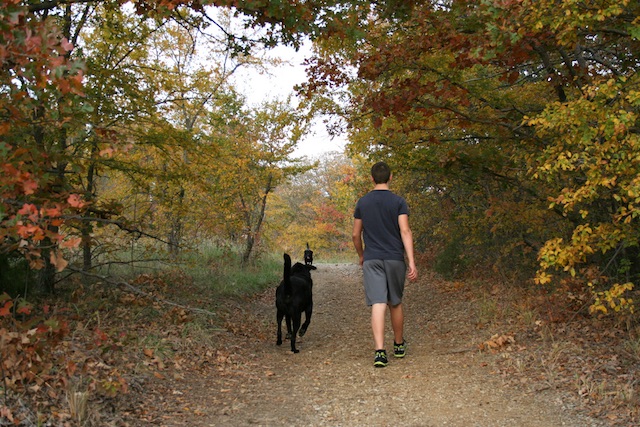
walk-in-woods

Continue reading

It’s hot! So get fit and stay cool in the pool.

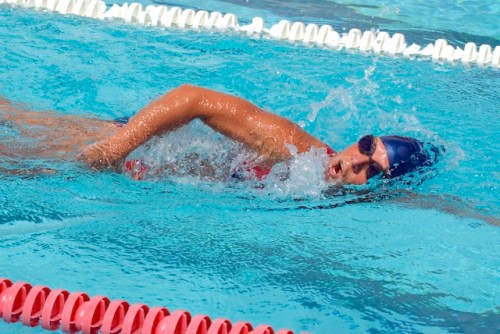
It’s hot! Whether you are swimming laps or splashing in a lake, swimming is a great way to stay cool and fit this summer. Swimming is also an excellent exercise for improving your fitness and helping with weight loss.

This is the topic of my Health & Fitness column in the Aiken Standard this week.

Swimmer

Continue reading

How to become an Olympic champion.

The Olympics are an excellent opportunity to see some of the world’s fittest athletes in action. Endurance events like the marathon, power events like sprints, team sports like soccer or basketball, and exhibitions of individual skill in gymnastics all highlight the dedication and training of these elite athletes. You may wonder what it takes to become an Olympic champion. In my Health & Fitness column in the Aiken Standard this week that the answer is a combination of focused, intense training and some good luck.

Olympic rings


First, the training. The key to performance in long-duration events like distance running, cycling, swimming, and rowing is for the muscle to contract repeatedly and forcefully without fatigue. In order to do so, the muscle must have a steady supply of oxygen and nutrients (primarily fats and carbohydrates). These nutrients are delivered through the blood which is pumped to the muscle by the heart. The muscle takes up and uses these nutrients to produce ATP, the form of energy used by the muscle.

After months and years of endurance training the heart gets bigger and blood volume expands, resulting in the ejection of more blood to the muscle. Within the muscle there is an increase in the number of capillaries, the small blood vessels that deliver blood to the muscle, and mitochondria, the part of the cell that produces most of the ATP. Together, these adaptations allow the muscle to produce more ATP without fatigue, permitting the athlete to sustain a higher intensity (running speed, for example) for a longer time without fatigue. These adaptations are consistent with a change in muscle fiber type from fast (type IIx) to slow (type I and IIa) fibers, which are rich in capillaries and mitochondria, making them resistant to fatigue.

These adaptations occur to some extent in everyone who participates in regular exercise. Olympic-level athletes who train for years or decades can maximize these changes. But is training alone sufficient for Olympic-level performance? Could anyone who trains enough make it to the Olympics? The answer is no, because there is another important factor in athletic performance—luck. Luck refers genetics, which play an important role in performance. As much as 50% of performance in some events is attributed to genetics. Elite endurance athletes were fortunate to be born to parents who bestowed them with large hearts and muscle that was composed of a high percentage of slow fibers (the average person has about 50% slow fibers). Of course, years of training amplifies these attributes to result in a large, strong heart that can pump lots of blood to muscle that is made up of slow, fatigue-resistant fibers.

Genetics and training are the two major factors that lead to success in every other Olympic event, too. Sprinters and other power athletes have more fast (IIx) muscle fibers to generate high levels of force for a short duration. Genetics can provide a foundation of more fast fibers, upon which specialized training can build. Other events require a certain body type for optimal performance, which can be seen in female gymnasts (petite but strong) and swimmers (Michael Phelps’ arm span, for example). And beyond the physiological adaptations, years of training builds skill, technique, and mental focus that is essential for competition.

It is too late for most of us to become Olympic champions. But we can all experience many of the same benefits of training as Olympic athletes. And we can certainly appreciate the training, dedication, and good luck that the athletes bring to the games.


drparrsays blog footer

After the ouch: New ways to treat minor sports injuries.

If you play sports or exercise regularly you probably have experienced some sort of injury. Hopefully yours was just a minor muscle strain, joint sprain, or soreness that didn’t prevent you from continuing your exercise program. It is always best to address minor injuries before they progress to cause more lasting damage.

If you do sustain a muscle or joint injury you will probably ice the affected area to help it heal. But there are also several newer techniques that can help speed recovery. This is the topic of my Health & Fitness column in the Aiken Standard this week.

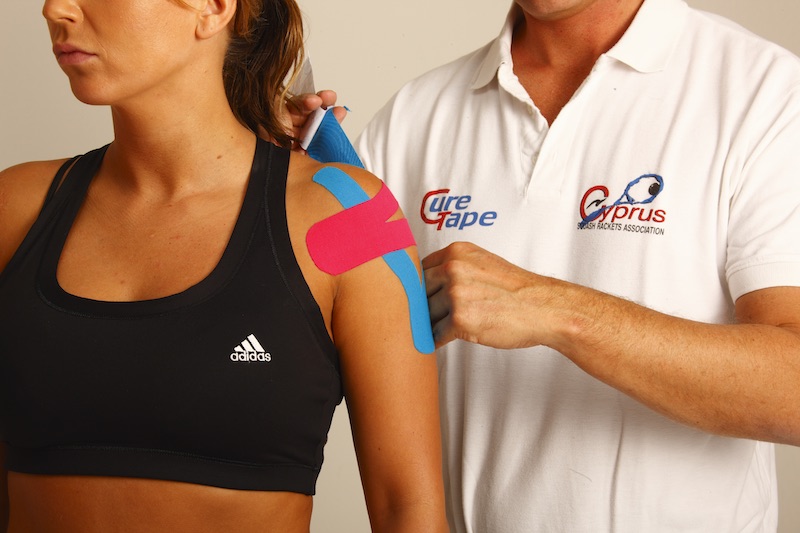
Kinesio tape


The most common recommendation for treating a minor exercise injury is to use ice to reduce swelling and speed healing. For example, an ankle sprain might be treated by sitting with the injured leg elevated while applying ice; later the joint might be wrapped with athletic tape to provide support and further reduce inflammation. This combination is called RICE—rest, ice, compression, elevation—and makes intuitive sense.

Several other treatments for sports injuries have become more commonly used thanks in part to their use by professional and Olympic athletes. This is also due to the realization that inflammation is a key component in tissue repair and reducing it with ice therapy might actually interfere with healing. More and more sports medicine professionals are using modalities— voodoo flossing, cupping, and kinesio taping—other than (or in addition to) RICE to treat many injuries.

The benefits of compression for injury healing can be achieved by tightly wrapping an injured area with a rubber band, called “floss,” for a short time, usually less than a minute. This technique, commonly called voodoo flossing, is used to increase joint mobility and speed healing of minor injuries. Tightly wrapping a joint does has several potential effects by which it can improve movement and reduce pain. This includes allowing tissues to move more freely and increasing blood flow to the injured area.

Cupping gained much attention when swimmer Michael Phelps appeared at a race in the 2016 Olympics with large red welts on his back. He wasn’t hurt, as many feared. Rather, he was using cupping as a technique to treat injury and improve performance. Cupping literally involves the application of glass or plastic cups to the skin for several minutes, typically 5–15 minutes. Using either vacuum or heat, the cups pull the skin away from the underlying muscle tissue, increasing blood flow and improving movement. While cupping may be new to most of us, it has been used since ancient times and factors prominently in traditional Chinese medicine.

While voodoo flossing and cupping have a role in treating injuries and improving performance in the training room, there is a relatively new modality that can be used during exercise to enhance performance. Kinesio tape, also called K-tape, is applied over specific muscles to reduce pain and improve movement. The tape pulls the skin away from the underlying muscle, which increases blood flow and enhances movement, much like cupping. The difference is that kinesio tape can be used during exercise, as many people first saw on the shoulders of beach volleyball players in the 2008 Olympics.

While many sports medicine professionals still recommend RICE as a first line treatment for minor injuries, they are increasingly utilizing these alternative treatments. With a little training, people can use these techniques at home to treat some of their own minor injuries. Obviously, it is important to learn how to properly do these treatments and evaluate whether they are working. Improper treatment can delay healing and may make some injuries worse, so these treatments might be best done by trained professionals. And some injuries do require attention by sports medicine professionals. That said, if you are looking for an injury treatment beyond RICE, voodoo flossing, cupping, and kinesio tape might be worth trying.


drparrsays blog footer

FITT-SPF: How to exercise safely in the sun this summer.

People who exercise are probably familiar with FITT—frequency, intensity, time, and type—the basic principle behind almost all fitness programs. The FITT principle applies to everything from running to weightlifting to yoga. For people who exercise outdoors there are three more letters that are important to know, especially in the summer: SPF. This is the topic of my Health & Fitness column in the Aiken Standard this week.

woman running on beach

Continue reading

A lesson in sports physiology in the Tour de France

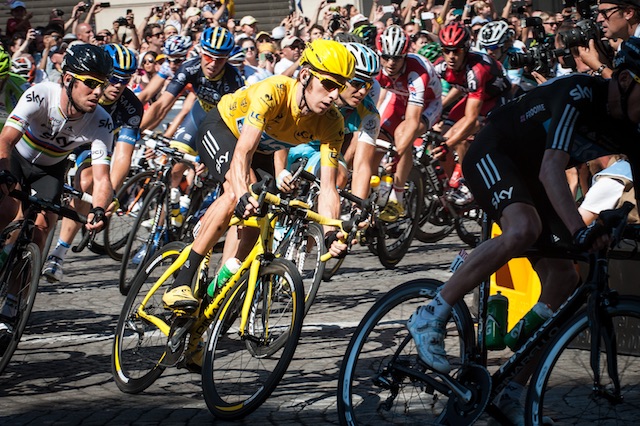
The 2021 Tour de France is underway. This year the race covers over 2000 miles in 21 days of racing, comprised of team and individual time trials as well as stages through the cities, countryside, and mountains of France. The Tour de France is especially interesting to me because it provides an excellent opportunity for a short lesson in sports physiology.

This is the topic of my Health & Fitness column in the Aiken Standard this week.

Tour de France


All the riders in the Tour are exceptionally fit since their bodies have adapted to years of dedicated, intense training. Endurance sports like cycling are dependent on the delivery of oxygenated blood to the muscle to produce ATP, the energy needed to sustain exercise.

The riders have large, strong hearts, resulting in the ejection of more blood to the muscle. Within the muscle there is an increase in the number of capillaries, the small blood vessels that deliver blood to the muscle, and mitochondria, the part of the cell that produces most of the ATP. Together, these adaptations allow the muscle to produce more ATP without fatigue, allowing the athlete to exercise at a higher intensity for a longer time.

But training isn’t the only reason these athletes can sustain such intense exercise for so long. Proper nutrition, especially what the athletes eat and drink before, during, and after each stage, also plays an important role. Intense endurance exercise like cycling relies on carbohydrates, in particular, muscle glycogen, as a fuel. Muscle glycogen is a storage form of glucose, sugar that the muscle converts into energy. During prolonged exercise that lasts several hours, muscle glycogen levels can be severely depleted.

Eating carbohydrates before exercise can boost muscle glycogen levels, so cyclists eat carbohydrate-rich foods for breakfast before each stage. They also consume carbohydrates in the form of sports drinks (think Gatorade) and energy bars prior to starting. In fact, they start replenishing their muscle glycogen immediately after finishing the previous day’s ride. This usually begins with a recovery beverage, which may contain some protein for more rapid muscle glycogen synthesis, and extends through carbohydrate-rich meals and snacksthat afternoon and evening.

During exercise it is crucial to maintain adequate blood glucose levels, which tend to drop since the muscle is using so much as a fuel. Failure to replenish blood glucose results in what cyclists call “hitting the wall” or “bonking,” which is like your car running out of gas. To prevent this, glucose must be replenished, typically with sports drinks, energy bars, or a sugary mixture called goo.

Prolonged, intense exercise, especially in the heat, results in a high sweat rate which can lead to dehydration. Sweat loss of several liters per hour is not uncommon during cycling, so fluid intake is essential. This means that cyclists spend a lot of time drinking water while they ride. Sports drinks are also commonly used since they contain carbohydrates and electrolytes in addition to water.

Endurance events like cycling, especially multi-stage events like the Tour de France, highlight important concepts of sports physiology. Even though you may never compete at that level, understanding how training can improve your endurance is relevant if you cycle—or run, walk, or swim—for exercise. Knowing how proper nutrition before, during, and after exercise can improve performance can help you make better decision about what to eat. Hopefully, it also gives you a greater appreciation for the science that goes into a performance like the Tour de France.


drparrsays blog footer

Tips for staying cool in the summer heat.

Since summer is officially underway and the temperature and humidity are up, this is a good time to revisit some commonsense guidelines to make exercise, work, and play outdoors in the summer heat safe and enjoyable for your entire family.This is the topic of my Health & Fitness column in the Aiken Standard this week.

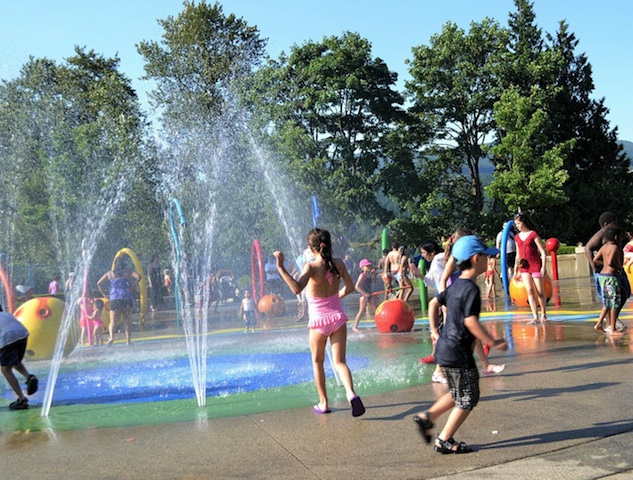
summer splash fun


  1. Drink plenty of fluids

When it’s hot you have to sweat to lose heat and maintain your body temperature. High humidity makes sweating less effective, so you sweat even more. Losing lots of water through sweating can lead to dehydration. At the very least, you probably will feel fatigued but in more severe cases dizziness, low blood pressure, and fainting can occur.

For this reason, it is important to drink plenty of fluids before, during and after your outdoor activity. As a general rule, a cup (8 oz.) of water every 15 minutes is sufficient for most people. Thirst is a good indicator of fluid needs, but you should take frequent breaks to rehydrate.

Make sure to remind kids to take breaks since they can get so busy playing that they forget. Water, juice, sports drinks, and other soft drinks are equally effective, so pick something you and your kids will drink.

  1. Take breaks

The longer you are active the hotter you will get and you may feel more fatigued because of the heat. Taking frequent breaks will give you a chance to rest, cool down, and get something to drink.

  1. Seek out shade

Being in the sun means that you will feel even hotter because you gain heat from the sun’s rays. Spending as much time as you can in the shade will help you stay cool. While this isn’t always practical for all activities, look for shady spots to take breaks.

Keep in mind that shady areas at will change throughout the day, so plan your trip to the park accordingly. Also be aware that direct sunlight can make outdoor surfaces, like playground equipment, very hot. This is another reason to find shady areas to play.

  1. Pick cool clothes

Lighter colored clothing will reduce heat gain from the sun. Synthetic fabrics that wick sweat from the skin can help keep you feel cooler, too. Some clothing is more resistant to UV rays than others, so look for a higher ultraviolet protection factor (UPF). Obviously, you need to find a balance between protecting your skin and allowing sweat and heat loss to keep you cool.

  1. Wear sunscreen

Sun exposure is the leading cause of skin cancer, and outdoor activity can increase the risk. Always use a broad-spectrum (both UVA and UVB rays) sunscreen with an SPF of 30 or higher and apply—and reapply—it according to the instructions. You should also protect your eyes by wearing a hat or sunglasses.

  1. Avoid the hottest times of the day

Try to plan your outdoor activity in the morning or evening to avoid the hottest times of the day. Keep in mind that the highest temperatures often occur in the late afternoon or early evening, so right after work may not be the best time for outdoor activities. Early in the morning is probably the best time since it tends to be cooler and less humid.

You may not be able to plan all of your activities in the shade or when it is cooler. This is especially true for people who work outdoors. In these cases, drinking plenty of fluids and taking frequent breaks is particularly important. By taking the right precautions, though, you can still enjoy your favorite outdoor activities all summer long.


drparrsays blog footer

Summer gains and losses: Maintaining good health and academic success over summer vacation.

The school year has ended for kids in our area. Long summer days to play, sleep in, and relax are an important part of growing up. But many educators and health professionals are concerned about what gets lost, and what gets gained, when kids are away from school. This is especially true in a year when many kids missed at least some opportunities due to the coronavirus pandemic. It’s also the topic of my Health & Fitness column in the Aiken Standard this week.

kids-jumping


Summer learning loss is a real concern. It is estimated that children lose, on average, two months of reading skills and one month of overall learning over summer break. Those losses must be made up when school starts again in the fall, so teachers spend about six weeks re-teaching material that was covered in the previous grade. That is six weeks that children are not learning at grade level, which certainly has an impact on achievement over time.

Not all kids are affected equally. Much of the disparity in summer learning losses falls along socioeconomic lines. Some children have more opportunities than others to continue learning over the summer through formal educational programs and camps and informal encouragement to read.

To address this issue, many institutions implement summer “school” through classes, on-line learning programs, and encouraging reading at home. Some target the students who need them the most while other programs are instituted for all children. In fact, all three of my kids completed online learning programs last summer.

Learning losses are not the only concern with an extended break from school. Many children gain more weight over the summer than during the rest of the year. Furthermore, fitness gains made during the school year are frequently lost over the summer.

While poor nutrition and a lack of activity in schools is a real concern, many children get more exercise and eat better at school than they do at home. Being at home over the summer can lead to poor eating habits—too much unhealthy food or not enough food in general—and lack of chances to be active.

This is important because the combination of poor nutrition, physical inactivity, and obesity has physical, psychological, and social consequences for children that frequently persist into adulthood. Overweight and obese children, especially those who are inactive, are at increased risk for type 2 diabetes, high blood pressure, heart disease, and even stroke – conditions usually associated with adulthood.

Even if an overweight child does not have these conditions now, he or she is likely on that path. In fact, many experts predict that children born today will be the first generation in history to have a shorter lifespan than their parents due to obesity-related diseases that begin in childhood.

Children who are overweight are also more likely to suffer other consequences including lower self-esteem, social functioning, and academic performance. Overweight children are also less likely to play sports or participate in other forms of physical activity, which creates a cycle leading to poorer health and, potentially, poorer academic success.

Now that school is almost out for the summer, this is a critical time of year to focus on good nutrition, physical activity, and continued reading and learning to help prevent a summertime slump in health and academics.

Schools can only do so much, so adults should model good diet, activity, and reading behaviors themselves. A good place to start is by turning off the TV and reading a book or going outside to play. It’s something all of us—adults and children—will benefit from.


drparrsays blog footer

Unfit for service. Another consequence of obesity and poor fitness in our youths.

Obesity and poor fitness, in combination or alone, have serious consequences on both an individual and societal level. This includes poor health now and in the future as well as an economic cost (in the billions per year!) that includes medical expenses as well as indirect costs such as increased absenteeism and lower productivity in the workplace.

This is particularly alarming in children since obesity at a young age sets up a cycle that leads to lower levels of activity that can make the condition worse over time. In both children and adults, overweight and obesity are associated with low physical fitness and many people who are at a “normal” weight are unfit as well.

Unfortunately, the common pattern of inactivity and obesity can limit the ability to function optimally at school, work, or in leisure-time activities. In fact, many young people are ineligible for military service because of physical limitations due to poor fitness and being overweight. This is the topic of my Health & Fitness column in the Aiken Standard this week.


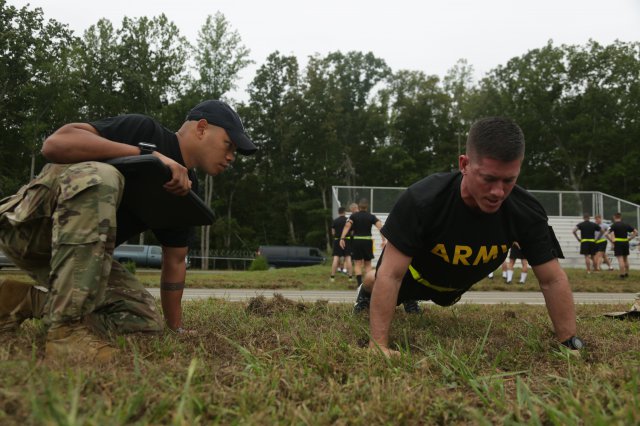
Military fitness

A report from the Council for a Strong America finds that being overweight is the major reason that civilian military recruits are deemed medically unfit for service. Military training and service is physically demanding, requiring a high level of strength and endurance. These attributes are more likely to be lacking among overweight recruits.

Equally troubling is the fact that poor physical fitness disqualifies a high percentage of young men and women who are at a “healthy” weight. A 2010 report, written by a panel of retired military leaders, raises these same concerns, and has the ominous title, “Too Fat to Fight.” (A follow-up report, “Still Too Fat to Fight,” suggests that the situation hasn’t improved).

Interestingly, this is not a new problem. Large numbers of draftees who failed the induction exams due to physical reasons during WWI and WWII resulted in changes in physical education and nutrition programs in schools. Poor fitness among American children also led to the formation of the President’s Council on Youth Fitness in the 1950’s and an emphasis on physical fitness testing and education among school-aged children. In recent years, participation in physical education has declined, resulting in the current generation of overweight, unfit young people.

A recent study also examines the impact of obesity and poor fitness on careers in the military. Not only are many young people disqualified from military service, those who do enter basic training are more likely to sustain injuries that delay or terminate their training. These injuries are more likely to occur in recruits who are obese and unfit at entry. Furthermore, the prevalence of obesity and lower levels of physical activity is higher in states in the south and southeast. Considering that these are among the states send the most recruits to basic training, this limits a great many people from potential military service.

Taken together, these reports suggest that the continuing trend of obesity and poor fitness among American children may have national security implications. This emphasizes the fact that schools are critical to improving the health and military-readiness of our children.

Changes to school lunch and physical education programs are needed, but this is not a new recommendation. In fact, nutrition and exercise recommendations for children and schools already exist, but they are not followed, largely for political reasons. Perhaps the current condition of poor health and fitness among military recruits will motivate our leaders to implement effective exercise and nutrition programs in schools.


drparrsays blog footer