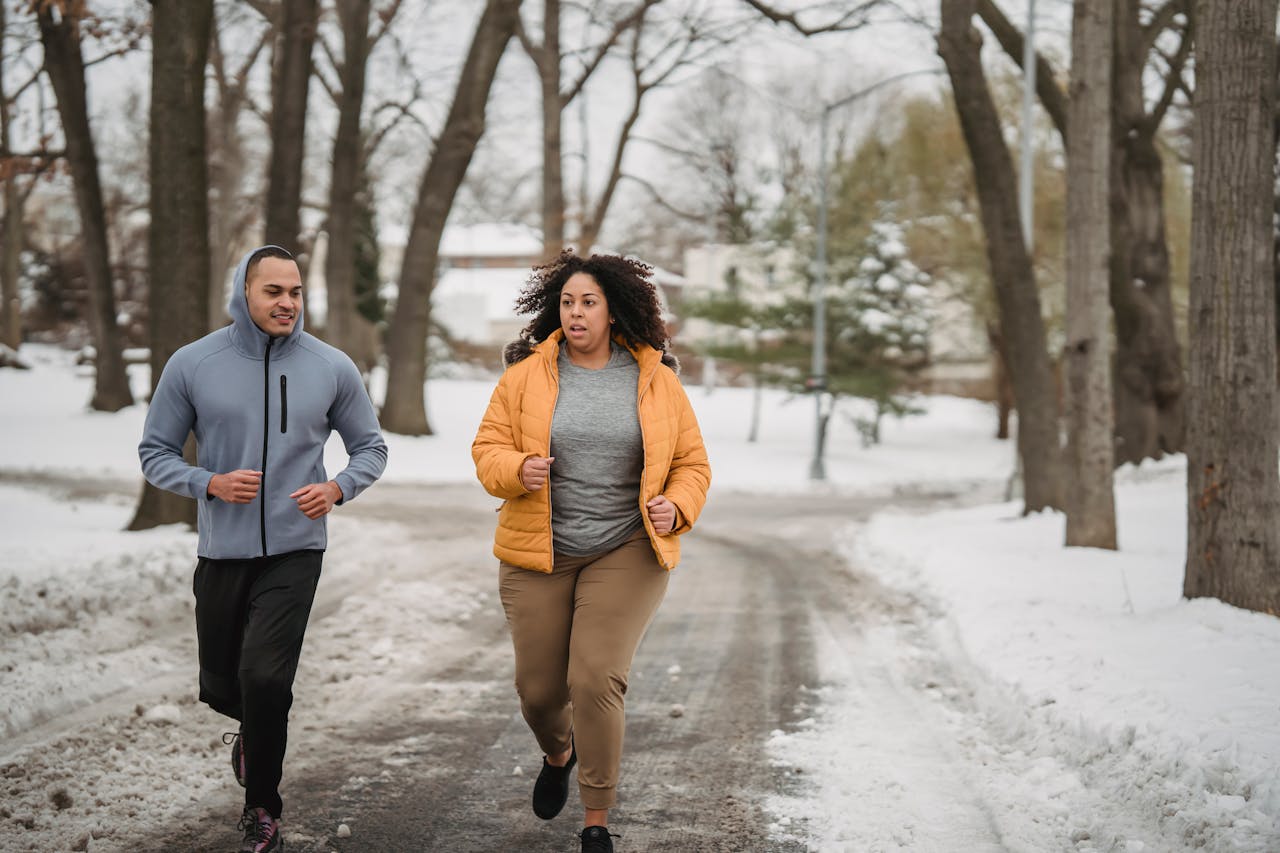
Now that cooler fall weather is here, being active outdoors is more enjoyable. October is a great time to get outdoors and go for a walk! That is the spirit of Walktober, an initiative adopted by health organizations, companies, and communities around the globe.
Walking is a great way to be active to help you control your weight, increase your fitness, and improve your health. The most common form of exercise for most people is walking, and for good reason: walking doesn’t require any special equipment (beyond comfortable shoes) or skills, and you can do it almost anywhere.
You can meet basic physical activity recommendations by walking briskly for 30 minutes most days of the week. Even this amount of walking can lead to a lower risk of diabetes, heart disease, and some cancers as well as improved mental health, cognitive function, and greater feelings of well being.
There are many tools, or ergogenic aids, athletes use to improve exercise performance. These include nutrients like protein and carbohydrates, drugs like caffeine, steroids, and techniques like blood doping. Some of these performance-enhancing substances are illegal or banned, so ergogenic aids often have a negative image. Furthermore, many only work for highly trained athletes.
But there is one ergogenic aid that has been shown to enhance performance in everyone. In fact, there is a good chance you use it when you exercise. That ergogenic aid is music. This is the topic of my Health & Fitness column in the Aiken Standard this week.
Music is a psychological ergogenic aid is known to affect mood, emotion, and cognition. More and more research also shows that music can also enhance exercise performance. In most gyms, there is music playing in the background and many people listening to music using headphones while they exercise. A practical reason, of course, is that listening to music makes the exercise more enjoyable by providing a mental distraction. It turns out that music has additional psychological and physiological effects that can improve exercise performance.
Not only can listening to music make exercise more enjoyable, it can also help you get a better workout. Research suggests that when exercise is coupled with motivational music, people tend to exercise at a higher intensity. They also tend to fatigue at a slower rate leading to longer exercise sessions. This is also associated with a lower rating of perceived exertion, meaning the exercise might feel easier!
Tempo is an important aspect of music that contributes to performance. People tend to prefer a tempo that matches the exercise intensity. Fast tempo music fits well with higher intensity exercise, like running, and music with a slower tempo is suited for lower intensity exercise, like yoga. But music tempo can also influence the intensity of exercise. Music with a faster tempo can promote more vigorous exercise, as measured by a higher heart rate, and a longer distance covered when running or cycling.
Listening to music before exercise can also affect performance. Studies have shown that listening to music prior to exercise can improve motivation, arousal, and focus. This is probably why you see athletes warming up before games and races wearing headphones. Research also suggests that listening to music during cool down can decrease recovery times, as measured by blood lactate levels.
While listening to music may increase exercise performance, the benefits vary based on the type of music. First of all, music that a person does not like is unlikely to elicit any positive impact on performance, so pick something you enjoy listening to. Another factor of music that can influence performance is whether it is synchronous or asynchronous. Synchronous is when a person matches their movements with the music they are listening to. This is particularly effective for running, cycling, and rhythmic exercises like aerobics. Asynchronous is when the music and the movements of a person do not match, which may still provide ergogenic benefits for certain types of exercise.
Listening to music during exercise can make your workouts more effective and enjoyable. Music you like can distract you from sensations of intensity and fatigue and lead to longer training sessions. Music played at a fast tempo can make you exercise harder and slower tempo music can help you relax. But you probably knew that already—sometimes sports science makes sense!
What if you prefer to exercise without music or other distractions? Like all ergogenic aids, the additional effect of music is small compared to the great benefits of the exercise itself, so keep doing what you are doing.
Physical labor jobs, ranging from construction work to manual lifting, demand a level of fitness that ensures efficiency, safety, and long-term health. The physical and physiological demands of these occupations necessitate specific fitness requirements that workers must meet to perform their duties effectively and safely. Since Labor Day is this week, it seems like a good time to explore the fitness requirements to better understand of their importance in physical labor jobs, which I explore in my Health & Fitness column in the Aiken Standard this week.
Cardiovascular fitness is crucial for physical laborers, as it directly impacts their ability to perform sustained work over extended periods. Cardiovascular endurance is vital for jobs that require prolonged physical activity, such as those in construction, agriculture, and warehousing. Workers with high cardiovascular fitness can maintain energy levels and reduce the risk of fatigue-related accidents. The ability of the heart and lungs to deliver oxygen efficiently to the muscles is a critical factor in sustaining physical performance throughout the workday.
Additionally, cardiovascular fitness contributes to overall health, reducing the risk of chronic diseases such as hypertension and cardiovascular disease, which can compromise a worker’s ability to perform physically demanding tasks. Regular aerobic exercise, such as running, cycling, or swimming, is recommended to enhance cardiovascular endurance and ensure that workers meet the physical demands of their jobs.
Muscular strength and endurance are foundational to the physical capabilities required in labor-intensive jobs. Muscular strength is important for preventing injuries, particularly in the lower back, shoulders, and knees. Workers engaged in lifting, carrying, or moving heavy objects must possess adequate strength to handle these tasks safely. Muscular endurance, on the other hand, allows workers to perform repetitive tasks without experiencing significant fatigue, thereby enhancing productivity and reducing the likelihood of errors or accidents.
Strength training exercises, such as weightlifting or resistance training, are essential for building the muscle mass and endurance needed for these jobs. Moreover, regular strength training helps in developing better posture and core stability, which are critical in preventing musculoskeletal disorders—a common issue in physical labor professions.
Flexibility and mobility are often overlooked in discussions about fitness requirements for physical labor, yet they play a crucial role in preventing injuries and maintaining efficiency on the job. Flexibility refers to the range of motion in a joint or group of joints, while mobility encompasses the ability to move freely and easily. Workers who lack flexibility and mobility are at a higher risk of experiencing strains, sprains, and other musculoskeletal injuries, particularly when engaging in activities that involve bending, twisting, or reaching.
Incorporating stretching exercises and mobility drills into a fitness routine can significantly enhance a worker’s range of motion, reducing the risk of injury and improving overall performance. Activities like yoga, dynamic stretching, and foam rolling are effective methods for improving flexibility and mobility, making them essential components of a physical laborer’s fitness regimen.
Maintaining an appropriate body composition is also a critical factor in the fitness requirements for physical labor jobs. Excess body weight, particularly in the form of fat, can increase the physical strain on the body during labor-intensive tasks, leading to quicker fatigue and a higher risk of injury. Individuals with higher body mass indexes (BMIs) are more susceptible to joint pain, reduced mobility, and other health issues that can hinder job performance.
Therefore, workers in physical labor jobs must manage their weight through a balanced diet and regular exercise. This not only helps in maintaining the necessary energy levels for demanding tasks but also reduces the strain on the cardiovascular and musculoskeletal systems.
The fitness requirements for physical labor jobs include cardiovascular endurance, muscular strength and endurance, flexibility and mobility, and appropriate body composition. Employers and workers alike should recognize the value of maintaining high fitness levels to prevent injuries, enhance productivity, and promote long-term health. Incorporating regular exercise, proper nutrition, and injury prevention strategies into daily routines is essential for meeting the physical demands of labor-intensive occupations.
Macronutrients—carbohydrates, proteins, and fats—are the three main nutrients that provide energy and are essential for maintaining overall health. Each macronutrient plays a specific role in bodily functions, from providing energy to supporting growth and repair. Understanding the importance of macronutrients in the diet is key to achieving optimal health. I explore the roles of carbohydrates, proteins, and fats, as well as recommended intake levels in my Health & Fitness column in the Aiken Standard this week.
Carbohydrates are the body’s main source of energy. They are broken down into glucose, which is used by cells for energy or stored in the liver and muscles as glycogen for later use. Carbohydrates can be classified as simple (sugars) or complex (starches and fibers). Complex carbohydrates, such as whole grains, fruits, and vegetables, are particularly beneficial because they provide sustained energy and are rich in fiber, which aids digestion and supports cardiovascular health.
According to the Dietary Guidelines for Americans, 45-65% of daily caloric intake should come from carbohydrates. For example, in a 2,000-calorie diet, this would equate to 225-325 grams of carbohydrates per day. Emphasizing fiber-rich, complex carbohydrates and minimizing refined sugars is key to maintaining healthy blood sugar levels, important for preventing and treating conditions like obesity and type 2 diabetes.
Protein is essential for the growth, maintenance, and repair of tissues. Proteins are made up of amino acids, some of which are essential, meaning they must be obtained through the diet. Protein plays a critical role in producing enzymes, hormones, and other chemicals in the body. It is also involved in immune function and supports muscle growth and recovery, especially for those who engage in regular physical activity.
The Recommended Dietary Allowance (RDA) for protein is 0.8 grams per kilogram of body weight for the average adult, which equates to approximately 56 grams per day for a 70 kg (154 pound) person. However, protein needs vary depending on factors such as age, activity level, and overall health. For example, athletes, pregnant women, and older adults may require more protein to meet their specific needs. A more reasonable protein intake for most adults is probably 1.2 grams per kilogram of body weight, or 84 grams of protein for a person who weighs 154 pounds.
Dietary fats are crucial for good health. Fats provide energy, aid in the absorption of fat-soluble vitamins (A, D, E, and K), and are vital for cell membrane integrity. Fats are also essential for hormone production and brain health. Fats are categorized into saturated fats, unsaturated (including monounsaturated and polyunsaturated) fats, and trans fats.
While some fats are beneficial, such as those found in avocados, nuts, seeds, and fatty fish, others, like trans fats and excessive saturated fats, can increase the risk of cardiovascular disease. The Dietary Guidelines recommend that fats make up 20-35% of total daily calories, with the emphasis on consuming more unsaturated fats and limiting saturated and trans fats. For example, in a 2,000-calorie diet, this would translate to 44-77 grams of fat per day.
Balancing the intake of carbohydrates, proteins, and fats is crucial for maintaining overall health. Different macronutrient distributions may be recommended based on specific goals, such as weight management, athletic performance, or managing a medical condition. For instance, a higher protein intake is often recommended for those aiming to build muscle, while individuals managing diabetes may benefit from a lower carbohydrate intake with a focus on complex, high-fiber carbohydrates.
Macronutrients play essential roles in supporting bodily functions, from providing energy to facilitating growth and repair. Carbohydrates are the body’s primary energy source, proteins support tissue repair and immune function, and fats are crucial for hormone production and cellular health. Achieving a balanced intake of these macronutrients, tailored to individual needs, is key to maintaining optimal health and well-being. By emphasizing nutrient-dense sources, individuals can support both their short-term goals and long-term health outcomes.
Do you need to exercise every day? Or could you exercise on just a couple of days instead? According to one of my favorite studies, saving your exercise for the weekend can give you the same health benefits as spreading your exercise out over multiple days. However, becoming a “weekend warrior” might not be the best approach for you. This is the topic of my Health & Fitness column in the Aiken Standard this week.
Current physical activity recommendations call for us to accumulate 150 minutes per week of moderate-intensity activity or 75 minutes per week of vigorous activity. Typically, this would be done on multiple days per week (walking 30 min per day on 5 days, or jogging 25 minutes on 3 days). This study answers an important question about physical activity and health—can you get away with only exercising a couple of days per week instead of the recommended 3–5 days? It also included people who do some, but not enough, activity throughout the week.
This study looked at how physical activity pattern was linked to the risk of death from all causes, cardiovascular disease (CVD), and cancer, a common way of examining the effect of physical activity on health in large populations. The study compared the risk of death among four physical activity pattern groups: inactive, insufficiently active (some activity, but not enough), regularly active (meeting PA recommendations throughout the week), and weekend warriors (meeting recommendations in just 1-2 days per week).
The results show that, compared to the inactive group, the risk of death was lower in the insufficiently active, regularly active, and weekend warrior groups. This was true for deaths overall as well as deaths from CVD and cancer. Furthermore, the reduced risk was similar for the three activity patterns, but lowest in the regularly active participants.
This confirms what we already knew from numerous other studies: regular physical activity promotes longevity. The study also suggests that being active throughout the week, but not enough to meet those recommendations, is also associated with some reduction in risk. We knew that, too. What this study adds is that meeting the recommendations by doing the activity on 1–2 days, the “weekend warrior” pattern, is beneficial, too. In fact, this activity pattern seems to be about as good as being active most days of the week. This is good news for people who aren’t active on a daily basis!
That said, this study only examined mortality, meaning the number of people who died during the follow-up period. It doesn’t tell us much about how these activity patterns affect health the way most of us would consider it: controlling blood pressure, diabetes, blood lipids, or depression. It also doesn’t say anything about weight control or improving strength, endurance, or flexibility, which are important reasons many people are active. In both cases, exercising regularly is the key to realizing the benefits!
Additionally, the typical “weekend warrior” tends to engage in exercise that is more intense and/or longer duration than what they might do if they exercised regularly. Indeed, the study indicates that almost all (94%) of the weekend warriors played sports and relatively few (31%) walked for exercise. While this is fine for most people, participating in vigorous, prolonged exercise can lead to a greater risk of injury, especially in people who aren’t in good shape to begin with.
So, people who are weekend warriors should select activities they will enjoy, and focus on duration over intensity. A long walk, hike, bike ride, or kayak trip on the weekend is something most people can do without too much risk. But the best approach is to be active throughout the week as much as possible and use weekends for more ambitious exercise sessions.
School is back in session in our area, marking the unofficial end of summer. But high temperatures and humidity mean that summer weather is still with us. Aside from being unpleasant, these conditions can be dangerous, especially for people who are active outdoors for work or exercise. This is the topic of my Health & Fitness column in the Aiken Standard this week.
The summer Olympics started last week so we are already seeing some remarkable athletic performances. The competitors are among the fittest and most highly trained athletes in the world, both in terms of laboratory measures of fitness and in subjective evaluations of skill. Competing in the Olympics requires years of focused, intense training, and some good luck.
This is the topic of my Health & Fitness column in the Aiken Standard this week.
First, let’s look at the fitness. This is most evident in the endurance events like distance running, cycling, swimming, and rowing. The key to performance in long-duration events like these is for the muscle to contract repeatedly and forcefully without fatigue. In order to do so, the muscle must have a steady supply of oxygen and nutrients. These nutrients are delivered through the blood, which is pumped by the heart. The muscle takes up and uses these nutrients to produce ATP, the form of energy used by the muscle.
After months and years of endurance training the heart gets bigger resulting in the ejection of more blood to the muscle. Within the muscle there is an increase in the number of capillaries, the small blood vessels that deliver blood to the muscle, and mitochondria, the part of the cell that produces most of the ATP. Together, these adaptations allow the muscle to produce more ATP without fatigue, allowing the athlete to sustain a higher intensity (running speed, for example) for a longer time without fatigue.
While all Olympic athletes are very physically fit, some events rely more heavily on skill, including gymnastics, shooting, and skateboarding. The athletes who are able to successfully complete these complex maneuvers have practiced for years to develop the skill and confidence needed to perform them consistently in competition. These are some of the most obvious displays of athletic skill, but all events require good technique. The development of skill in addition to fitness is the main reason why athletes specialize in one area, and you don’t see people competing in both track and swimming events, for example.
Of course, there is a psychological aspect to Olympic performances. The motivation to put in the training time alone is remarkable. Even more impressive is the ability to focus on an event despite the distractions of the crowds, media, and pressure of competition. This combination of physical and mental preparation is rare—as rare as Olympic gold medalists!
But is training alone sufficient for Olympic-level performance? Could anyone who trains enough make it to the Olympics? The answer is no, because there is another important factor in athletic performance—luck. Luck refers to genetics, which determine potential for attributes like heart size and muscle characteristics. Sprinters and other power athletes have more fast muscle fibers to generate high levels of force for a short duration. Other events require a certain body type for optimal performance, which can be seen in female gymnasts (petite but strong) and swimmers (arm span). As much as 50% of performance in some events is attributed to genetics. Genetics can provide a foundation upon which specialized training can build.
Even though most of us will never become Olympic champions we can still experience many of the same benefits of training. All athletes train to develop strength, endurance, and flexibility, which is exactly what we should do, too. And those attributes will help us perform better at work (and play) and help us live a longer healthier life. It will also help us appreciate the training, dedication, and good luck that the athletes bring to the Olympic games.
Many kids are spending at least part of their summer at a camp. Summer camps are more than just a break from school. They play a crucial role in shaping children’s physical activity levels, overall health, and wellbeing. In our increasingly digital world, where sedentary behaviors among children are on the rise, summer camps offer a vital opportunity to counteract this trend and foster active lifestyles. This is the topic of my Health & Fitness column in the Aiken Standard this week.
Summer camps provide a structured environment where children engage in various physical activities throughout the day. This is important because structured physical activity programs during childhood are essential for developing fundamental motor skills, coordination, and cardiovascular fitness.
Camps offer a diverse range of activities such as swimming, hiking, team sports, and outdoor games, which not only keep children physically active but also expose them to different forms of exercise they may not experience otherwise. This variety helps in developing a lifelong interest in physical fitness and encourages children to explore their physical capabilities.
Additionally, regular physical activity during childhood is linked to numerous health benefits, including reduced risk of obesity, cardiovascular diseases, and improved mental health. Summer camps play a pivotal role in addressing these health concerns by providing opportunities for children to meet recommended physical activity guidelines.
Centers for Disease Control and Prevention recommends that children and adolescents engage in at least 60 minutes of moderate to vigorous physical activity daily. Summer camps often exceed this recommendation through structured sessions and active play, contributing significantly to children’s physical health.
Beyond physical health, summer camps also support children’s overall wellbeing. Engaging in outdoor activities and spending time in nature have been associated with lower stress levels and improved mood. Camp experiences foster social connections and teamwork, which are essential for emotional development and building resilience. The camp environment encourages positive peer interactions and helps children develop interpersonal skills, empathy, and self-confidence. These social and emotional benefits contribute to a holistic sense of wellbeing among camp participants.
Furthermore, summer camps serve as a platform for promoting lifelong habits of healthy living. The skills and habits children learn at camp, such as teamwork, sportsmanship, and the enjoyment of physical activity, can translate into sustained behaviors beyond the camp environment.
Research suggests that early exposure to enjoyable physical activities increases the likelihood of continued participation in adulthood. By instilling a positive attitude towards physical activity and health at an early age, summer camps play a preventative role in combating sedentary lifestyles and associated health risks later in life.
Summer camps are important for promoting children’s physical activity, health, and overall wellbeing. Through structured activities, exposure to outdoor environments, and fostering social connections, camps create a conducive environment for children to thrive physically, emotionally, and socially. Research underscores the importance of such experiences in laying the foundation for a healthy lifestyle and reducing the risk of chronic diseases.
Therefore, investing in summer camps and ensuring access to quality programs is not only beneficial for individual children but also for public health initiatives aimed at combating childhood obesity and promoting wellbeing. Summer camps represent more than just a recreational opportunity; they are a cornerstone in nurturing active, healthy, and resilient children.
The school year has ended for kids in our area. Long summer days to play, sleep in, and relax are an important part of growing up. But many educators and health professionals are concerned about what gets lost, and what gets gained, when kids are away from school. This is especially true in a year when many kids missed at least some opportunities due to the coronavirus pandemic. It’s also the topic of my Health & Fitness column in the Aiken Standard this week.
Summer learning loss is a real concern. It is estimated that children lose, on average, two months of reading skills and one month of overall learning over summer break. Those losses must be made up when school starts again in the fall, so teachers spend about six weeks re-teaching material that was covered in the previous grade. That is six weeks that children are not learning at grade level, which certainly has an impact on achievement over time.
Not all kids are affected equally. Much of the disparity in summer learning losses falls along socioeconomic lines. Some children have more opportunities than others to continue learning over the summer through formal educational programs and camps and informal encouragement to read.
To address this issue, many institutions implement summer “school” through classes, on-line learning programs, and encouraging reading at home. Some target the students who need them the most while other programs are instituted for all children. In fact, all three of my kids completed online learning programs last summer.
Learning losses are not the only concern with an extended break from school. Many children gain more weight over the summer than during the rest of the year. Furthermore, fitness gains made during the school year are frequently lost over the summer.
While poor nutrition and a lack of activity in schools is a real concern, many children get more exercise and eat better at school than they do at home. Being at home over the summer can lead to poor eating habits—too much unhealthy food or not enough food in general—and lack of chances to be active.
This is important because the combination of poor nutrition, physical inactivity, and obesity has physical, psychological, and social consequences for children that frequently persist into adulthood. Overweight and obese children, especially those who are inactive, are at increased risk for type 2 diabetes, high blood pressure, heart disease, and even stroke – conditions usually associated with adulthood.
Even if an overweight child does not have these conditions now, he or she is likely on that path. In fact, many experts predict that children born today will be the first generation in history to have a shorter lifespan than their parents due to obesity-related diseases that begin in childhood.
Children who are overweight are also more likely to suffer other consequences including lower self-esteem, social functioning, and academic performance. Overweight children are also less likely to play sports or participate in other forms of physical activity, which creates a cycle leading to poorer health and, potentially, poorer academic success.
Now that school is almost out for the summer, this is a critical time of year to focus on good nutrition, physical activity, and continued reading and learning to help prevent a summertime slump in health and academics.
Schools can only do so much, so adults should model good diet, activity, and reading behaviors themselves. A good place to start is by turning off the TV and reading a book or going outside to play. It’s something all of us—adults and children—will benefit from.
You may not know this, but May is Active Transportation Month, so this is a good time to be mindful of things we can do that are good for our health and the health of our planet. Active transportation, which includes walking, cycling, and other physically active modes of moving from place to place, is one example. This is the topic of my Health & Fitness column in the Aiken Standard this week.
Active transportation has important environmental, health, and economic benefits for individuals and communities. Promoting active modes of transportation can reduce pollution, increase physical activity, and benefit both people and communities economically. In some areas, active transportation can replace motor vehicle use entirely. More commonly, though, physical activity can be combined with cars or public transportation to replace parts of trips.
Significant and accumulating evidence shows that motor vehicle use is a primary cause of air pollution. This includes greenhouse gasses like carbon dioxide and pollutants such as nitrogen dioxide, ozone, and particulate matter that are released by combustion engines and industry. This has been linked to climate change and health problems, including pulmonary and cardiovascular diseases, contributing to 200,000 deaths per year.
The transportation sector is the largest greenhouse gas emitter in the United States, so physically active modes of transportation that replace motor vehicle use could have a significant impact on air pollution and health. Estimates suggest that even a small decrease in vehicle miles traveled, a measure of motor vehicle use, by increasing active transportation could lead to reductions in particulate matter and greenhouse gas production.
In addition to environmental benefits, increasing active transportation has clear health benefits. As you might expect, spending more time commuting in a car is associated with an increased risk of obesity and more active commuting is associated with a lower risk of obesity. Beyond the influence on body weight, people who use physically active modes of transportation have a lower risk of diabetes and hypertension as well as death from cardiovascular diseases.
People who engage in active transportation get an average of 12–15 minutes of physical activity per day and 30% meet the 30 minutes per day recommendation. Considering that over a quarter of trips are less than 1 mile and most are less than five miles, most people could replace at least some driving with walking or cycling.
The cost of implementing active transportation is often cited as a reason not to, but individuals and communities can benefit economically from increased active transportation. Transportation represents the second largest expense for American families and may have a greater impact on low-income households. Given that active transportation is almost always more affordable than using a car, this could help many people and families make ends meet.
Communities that develop infrastructure and policies to promote active transportation experience direct and indirect benefits. These benefits include increased residential and commercial property values as well as the fact that people who are walking or cycling are more likely to visit businesses along their route. Depending on the location and nature of the project, implementing active transportation can have a positive cost-benefit ratio and promote job creation.
Given the environmental, health, and economic benefits, active transportation is a win, win, win for our community. Across the country, cities large and small are implementing infrastructure and policies to make them safer and more convenient for pedestrians and cyclists. Since everyone benefits from a community that supports active transportation for work and leisure, we should take steps in that direction.