
Resistance training has long been recommended as part of an exercise program, but a new American College of Sports Medicine position stand offers an important update on exactly how adults can use it to improve strength, muscle mass, and physical performance. The good news is that the message is both evidence-based and practical: resistance training works, and it does not have to be complicated to be effective.
This is the topic of my Health & Fitness column in the Aiken Standard this week.
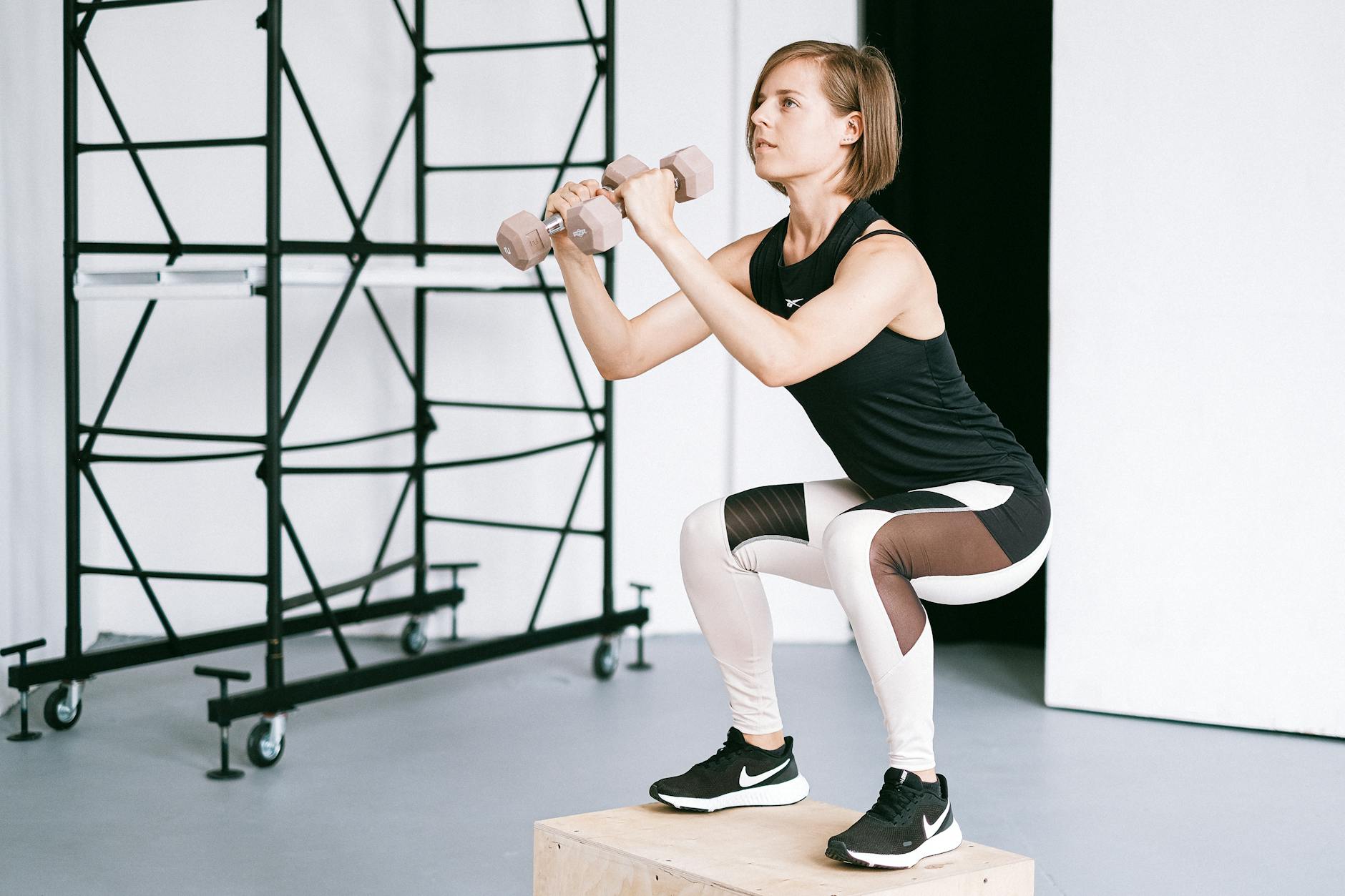
The authors of the new position stand reviewed 137 studies involving more than 30,000 participants. These reviews included healthy adults who completed resistance training programs lasting at least six weeks. Compared with doing no exercise at all, resistance training improved muscle strength, muscle size, power, muscular endurance, contraction speed, gait speed, balance, and several measures of physical function. In other words, lifting weights or doing other forms of resistance exercise helps people do more than just build muscle. It can also help them move better and function better in daily life.
One of the most important take-home messages is that almost any resistance training is better than none. In fact, the biggest jump in results happens when someone goes from no resistance training to doing any resistance training on a regular basis. That is an important reminder for people who feel overwhelmed by complicated fitness advice. You do not need the perfect workout; you just need a workout you will actually do consistently.
The updated guidance also shows that training can be adjusted based on your goal. For improving strength, heavier loads are generally best, especially around 80% or more of your one-repetition maximum, performed for two to three sets per exercise. Strength gains were also better when exercises were done through a full range of motion, earlier in the workout, and at least two times per week.
For muscle growth, the key appears to be doing enough total work. The review found that hypertrophy was enhanced by higher training volume, especially around 10 or more sets per muscle group per week. For power, the best results came from moderate loads, moved as quickly as possible during the lifting phase. Olympic-style lifts and other forms of power-focused resistance training were especially helpful for improving power, and this type of training also improved physical function.
Another message from the new position stand is that many of the “advanced” methods people hear about are optional. Training to momentary muscle failure, using one type of equipment instead of another, highly complex periodization plans, and several other specialized strategies did not consistently produce better outcomes for the average healthy adult. That should be reassuring to anyone who thinks they need a gym membership, expensive machines, or an elaborate workout plan to benefit. The point is that elastic bands, bodyweight exercises, and home-based programs can all be effective.
So what should you do with this information? Keep it simple. Train all major muscle groups at least two days per week. Progress gradually over time. Match the program to your goals, your schedule, and your comfort level. Most of all, focus on consistency rather than perfection. The best resistance training program is not the most complicated one. It is the one you can stick with.
That may be the strongest message of all. Resistance training is one of the most effective things healthy adults can do to improve strength, preserve muscle, enhance mobility, and maintain independence across the lifespan. And according to this new ACSM position stand, the path to those benefits is easier than many people think.


 Dr Parr Says...