
Many people in our area are still dealing with damage from Hurricane Helene and the overwhelming impact it is having on their lives. Hurricanes and other natural disasters can have a profound negative impact on our physical and mental health. From everyday pressures to the aftermath of natural disasters, finding effective coping mechanisms to deal with stress is crucial.
Exercise is a potent tool for stress relief and resilience, both in daily life and in the wake of catastrophic events. This is the topic of my Health & Fitness column in the Aiken Standard this week.
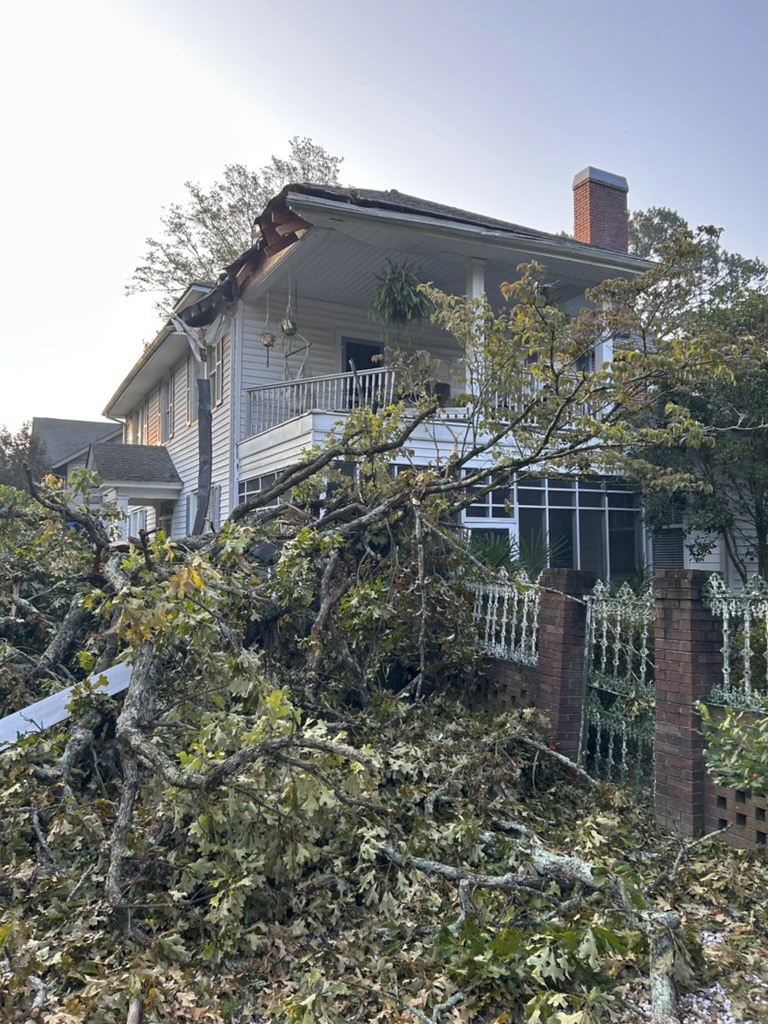
Research consistently shows that physical activity can mitigate stress. Engaging in regular exercise triggers the release of endorphins, neurotransmitters known for their mood-enhancing properties. Even moderate exercise can significantly reduce anxiety and depression, providing a natural antidote to stress. The benefits are not merely psychological; exercise also fosters better sleep and increases overall well-being, both of which are essential in managing stress.
Moreover, the effects of exercise extend to neurobiological changes. Physical activity increases brain-derived neurotrophic factor (BDNF), which plays a crucial role in neuroplasticity. This enhancement in brain function contributes to improved emotional regulation, allowing individuals to better cope with stressful situations. Thus, integrating exercise into daily routines can foster a more resilient mindset, equipping individuals with tools to face life’s challenges.
The resilience fostered by regular physical activity becomes particularly evident in the context of natural disasters. Events such as hurricanes, earthquakes, or wildfires not only threaten physical safety but can also leave lasting psychological scars. Following such traumatic experiences, individuals often grapple with feelings of helplessness, anxiety, and depression.
Physical activity after a disaster has been shown to contribute to psychological recovery. Communities that prioritize exercise, whether through organized sports, yoga classes, or simple group walks, foster social cohesion and support, essential elements in the healing process. Exercise serves as a communal activity, allowing individuals to share their experiences and emotions in a supportive environment.
Exercise can help re-establish routine and normalcy after a disaster. Simple activities like walking, running, or participating in fitness classes can restore a sense of control that often feels lost in the chaos of natural calamities. As people engage in physical activities, they are not only strengthening their bodies but also building a sense of community and shared resilience, vital for recovery.
Encouraging a culture of exercise can be a vital preventative measure against the effects of stress. Schools, workplaces, and community organizations should promote physical activities as part of their wellness programs. Initiatives that provide access to exercise resources can enhance community resilience, helping individuals cope with both everyday stress and the unique challenges posed by disasters.
In conclusion, exercise is a powerful tool for managing stress and cultivating resilience. Scientific evidence supports its effectiveness in reducing anxiety, enhancing mood, and fostering social connections. In the face of life’s inevitable challenges—especially the unpredictable nature of natural disasters—making physical activity a priority can empower individuals and communities to not only survive but thrive. By integrating regular exercise into our lives, we build a foundation of resilience that enables us to better face adversity.


 Dr Parr Says...