Tag Archives: half marathon

Get ready to run. How to prepare for the Run United race (or your next road race).

The Run United event, which consists of a 5K (5 kilometers or 3.1 miles), 10K (10 kilometers or 6.2 miles), a half marathon (13.1 miles), and a kids fun run, is this weekend. Maybe you are among the people in our area have been training for that or another event. As the event approaches, there are still some things you can do to make it a success, whether that means completing your first race or trying to set a personal best.

This advice is more relevant for people who are doing longer races but is general enough that it can help everyone. Keep in mind that it also applies to any event that involves running, walking, cycling, swimming, rowing, or hiking. This is the topic of my Health & Fitness column in the Aiken Standard this week.

119016_9950972_enm1264046533ram


You should cut back on your training in the week leading up to the event. This is called tapering, and it is helpful to promote recovery and reduce the risk of injury before the race. You should still stay active, but your training runs should be shorter and less intense during this time. And give yourself a rest day the day before the event.

What you eat before and during the race can also help you feel and perform better. You may have heard of carbohydrate loading, the practice of eating lots of carbohydrates before a race. This is important because it can help boost levels of muscle glycogen, an important fuel for exercise. Realistically, this process should involve more than a pasta dinner the night before the race and include a more carbohydrates for several days.

On race day, you should have something to eat and drink to make sure you are hydrated and to top off your carbohydrate stores. You should drink plenty of water leading up to the race, but not right before you start. You don’t want water sloshing around in your stomach while you run and should give yourself time to use the restroom, so you don’t need to go during the race.

If you chose to eat a small meal, it should be at least two hours before the race to make sure everything is digested and absorbed. Closer to race time, liquids are a better choice. The emphasis should be on carbohydrates, but realistically, most food will be fine.

What you do during the race mostly depends on the time you will be running and the weather conditions. If you are exercising for an hour or more, especially if it’s hot and humid,  you will certainly need water and taking in some carbohydrates is a good idea. Aid stations along the race course will have water and a sports drink like Gatorade, but you may also want to bring your own gel or other carbohydrate supplement. For events lasting less than an hour, drinking water is a good idea and even though carbohydrates may not help you, there is no reason not to have some if you want.

Something to keep in mind: Race day, and probably the evening before, is not the time to try new foods, drinks, or supplements. You definitely don’t want to learn that something you ate disagrees with you before the start or, worse, while you are running. This includes your clothing, too. A new pair of shoes or clothing can rub you the wrong way, causing blisters or chafing that, at the very least, will make your run less enjoyable. Always try out your shoes, clothes, and anything you will eat or drink during the race ahead to time to avoid an unpleasant race day surprise.

The most important thing is to have fun! Participating in a race is a celebration of your dedicated training and a chance to be part of an active, healthy community. Crossing the finish line is always a thrill whether this is your first race or not. Plus, you’ll get a cool t-shirt!


drparrsays blog footer

Off to the races: Running (or walking) in a race in your community is a great way to get motivated to exercise.

Most of us could benefit from getting more exercise and, with the warmer spring weather, this is a perfect time to get started. You can meet minimum health and fitness goals with a 30 minute brisk walk five days per week. You can get even greater fitness benefits by exercising for longer or by doing more vigorous activity, like running. A good goal is to be active every day for at least 30 minutes and include longer exercise sessions or more vigorous exercise when possible.

Many people are motivated by having a goal to start or add to an exercise program. You may find that training for an event is more rewarding than exercising for the sake of being active. An excellent goal is to prepare to walk or run in a race. Don’t let the word “race” scare you. Most people who enter these events have the goal of finishing, not winning. That should be your goal, too, as I explain in my Health & Fitness column in the Aiken Standard this week.

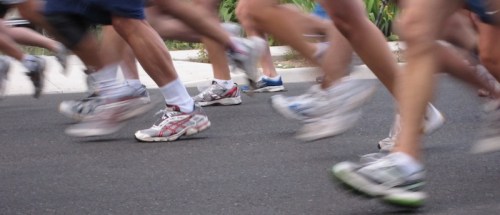
running legs


Now is a great time to start training for your first race. The warm weather is an incentive to be active outdoors, and it’s not too hot to be enjoyable. In addition, there are several events in our community in the upcoming weeks and months that are excellent opportunities for first-timers and more seasoned racers. Many events are linked to charities, so they are also good ways to raise money for a good cause.

If you are starting to walk for exercise, completing a 5K (5 kilometers or 3.1 miles) walk is a good goal. If you don’t currently exercise, start with a target of 20 minutes of walking per day. You can split this up into 10 minute segments, if necessary. After you are comfortable walking 20 minutes at a time, increase to 30 minutes per day. Continue increasing your walking time until you are up to 45-60 minutes per day, about how long it takes most people to walk three miles. If you already do some walking, gradually build up to this goal.

Maybe you already walk and are interested in trying running. Preparing for a 5K run is great motivation. Start by adding some jogging into your walking routine. Try alternating 5 minutes of jogging with 10 minutes of walking. Once you are comfortable with that, try 5 minutes of jogging for every 5 minutes of walking. Increase the duration of the running intervals over time, until you can run for 30–40 minutes consecutively. If running 3 miles is too much, you can always complete a 5K by alternating walking and running. There are apps for your smart phone that can help you make the transition from walking to jogging. One popular example is the Couch to 5K program and app.

To reduce the risk of injury you should progress slowly, whether you are walking or running. This is particularly important if you are building up to a longer event, like a half marathon or marathon. Obviously, training to walk or run 13.1 or 26.2 miles requires a good deal of time and motivation. Keep in mind that most people who complete their first half or full marathon started with a much shorter event.

Even if you don’t plan to participate in one of these events, the opportunity to get outdoors for a walk or run on a nice day is reason enough to be active. Exercising outdoors has benefits beyond the improvements in fitness or weight loss you would expect. Walking or running in a natural environment can give you a better workout and make you feel healthier and more energized.

Use this as an opportunity to get your friends and family moving with you. Kids can ride their bike while you walk or run and you can push younger children in a stroller. Older children may want to walk or run with you, and don’t forget to bring your dog!


Nutrition, exercise, and health information can be confusing. 
But it doesn't have to be that way.
What can I help you with?
 drbrianparr@gmail.com | http://twitter.com/drbrianparr