The case of the missing beach body

Now that spring has arrived you may have noticed that your eating and exercise habits over the winter (or past several winters!) haven’t been kind to your body. For some people this comes as a surprise, and they wonder where their beach body from last summer went. For others, their beach body may be long gone, but they want to lose some weight and get in shape before summer.

Obviously, this will mean making changes to what you eat and your exercise habits. If you want to lose 5–10 pounds and get back in shape, this means small changes to your diet and exercise designed to meet your fitness goals. If you have more significant weight to lose you will need a stricter diet and an exercise program that will help you to burn calories and build your strength, endurance, and flexibility.

This is the topic of my Health & Fitness column in the Aiken Standard this week.


missing beach body

While diet and exercise can help you get back in shape, staying in shape requires making lasting behavior changes. Here are some questions that will help you find your missing beach body now and not lose it again in the future.

When did you last see it?

Many people can identify a time in their life when their lifestyle changed and weight gain began. Commonly, this is getting married, starting a new job, or having children. Other people notice that they have gained weight, but can’t point to any specific reason why. In both cases, healthy eating and exercise routines get replaced with other less beneficial habits. The result for most people is gaining weight, either very quickly or slowly over time. Understanding what led to your weight gain is important for making changes to fix it.

How long has it been gone?

The longer you have been inactive and eating poorly, the longer you have been developing these unhealthy habits. The consequence is that it will be more challenging to undo the damage these habits have caused and teach yourself new habits that are consistent with better health. Your task is relatively easy if you have just gained a few pounds since last summer. Trying to reverse years or decades of inactivity and unhealthy eating is a bigger challenge, but one you simply must take on!

Where did you last see it?

The environment has a huge impact on our health, largely through influencing our activity and eating behaviors. In many cases, weight gain may be at least partly a consequence of where we spend our time. For example, a new job that involves long commutes by car and workdays spent sitting can make gaining weight almost inevitable. Quitting that job probably isn’t reasonable, but knowing how it has affected your health allows you to focus your efforts on increasing your activity outside of work. For many women, weight gain occurs after graduating from college, getting married, and having children. While there are many contributing lifestyle factors in this case, the change from an active college campus to a more sedentary environment certainly plays a role.

Once you figure out when and where you last saw your beach body you will have an idea of what you need to do to get it back. Keep in mind that the type of behavior changes you need to make to lose weight and get back in shape are difficult and will take time to adopt. While you shouldn’t expect any miracles in the next month or two, developing healthy eating and activity habits can have a miraculous effect on your weight, your health, and how you feel in the years to come!


drparrsays blog footer


You’re not “just kidding.” You’re just wrong. And that’s okay.

Recently a student asked me for an answer to a question on an assignment she was doing in my ECG Assessment class. I tend to answer questions with a questions, so I asked her, “what do you think the answer is?” After some discussion she came up with a response. Which was wrong. And she replied, “just kidding.” She wasn’t kidding, and she didn’t know the right answer.

Lol_smiley_face


This was far from an isolated incident. When a student answers a question incorrectly in class or  in conversations outside of class, the most common response is “just kidding.” I first noticed it years ago, mostly from female students. Now I hear it equally from male students. I even hear it from other “adults,” most recently when an acquaintance didn’t remember what grade my son is in—”just kidding.”

It’s as though being wrong is so unacceptable, it is turned into a joke. The message seems to be “I wasn’t wrong, I was joking, and I knew the right answer all along.” The problem is, most students who say this really don’t know the right answer.I worry that this lack of ownership will prevent students from identifying weaknesses and missing opportunities to fill gaps in their knowledge.

So, now when I hear a student say “just kidding” I say “no, you’re not just kidding, you’re just wrong, and that’s okay.” Then we work to find the correct answer.


drparrsays blog footer

On second thought: Nutrition advice that seemed like a good idea at the time, but wasn’t.

If you follow nutrition news you have no doubt noticed that recommendations change over time. Foods you thought were good for you can suddenly show up on a “never eat” list and foods you had learned to avoid are now recommended. This makes it challenging to follow a healthy diet, for sure. It may also make you question the advice of nutrition experts, who seem to change their minds periodically.

This is the topic of my Health & Fitness column in the Aiken Standard this week.


There are several reasons for this. First, carefully designed long-term studies of food and health are difficult to conduct. This means that small differences can appear to be more important than they really are and meaningful effects may not be statistically significant. Additionally, it is unreasonable to carefully control what people eat over years or decades, so “proving” that a food is either beneficial or harmful to health is almost impossible. This leads to health claims that probably shouldn’t be made as well as missed opportunities to make useful recommendations.

There are also political reasons why nutrition advice can change over time. The long-held belief that eating fat causes obesity and heart disease was largely based on decisions made by politicians. Importantly, these decisions were not based on good research. This led to a recommendation to eat more carbohydrates instead, something the food industry embraced.

Low-fat foods that were high in sugar became known as health food, despite evidence to the contrary. Even as evidence linking sugar intake with poor health accumulated, Congress forbid U.S. dietary guidelines to include an “eat less” recommendation. Only now are we changing our thoughts and behaviors to consume less added sugar and be less fearful of fats in our diet.

Here are two examples of nutrition advice that was well-meaning at the time but hasn’t worked out in the long run. In fact, these recommendations may actually have made us less healthy.

Low-Fat and Fat-Free Foods

The recommendation to eat less fat resulted in foods that normally would contain fat to be reformulated to have less, or no, fat. The fat was replaced by sugar and other additives leading to ingredient lists that read more like a chemistry experiment than food. We know now that these highly processed foods were no healthier and are thought to be a major cause of the obesity epidemic.

Sugar Free foods

Now that we have embraced the idea that we should eat less added sugar, there are sugar-free alternatives to most foods and beverages. The problem is that foods containing sugar are meant to taste sweet, so something must be added to replace the sugar. More often than not, the sugar is replaced by artificial sweeteners that contain no calories but still add sweetness.

There are two problems with this. First, although these foods tend to be calorie-free, they are still associated with weight gain. Second, they may be sweeter than the food they replace and alter our expectation of what food should taste like. This is especially true for children, who learn to expect that all food should be sweet. Furthermore, the alternative sweeteners used to replace sugar may not be as safe as we initially thought.

The bottom line is that all nutrients—carbohydrates, fat, and protein—are healthy within relatively broad ranges. And getting these nutrients, fats and sugar included, from real food is always preferable to eating processed foods. The key to good health is to balance what you eat with daily physical activity at work, at the gym, or at home. And remember that nutrition researchers and experts are doing their best to bring you reliable recommendations, even if it doesn’t come across that way in the news!


drparrsays blog footer


Candy & Soda for Breakfast: That’s just nuts! Many almonds are more like candy than a healthy snack.

Eating a healthy breakfast provides energy to start the day and is important for weight control. In children, a healthy breakfast is essential for proper growth and development and is linked to improved attention and learning in school. Breakfast is often thought of as the most important meal of the day, for good reason. Unfortunately, many common breakfast foods are more similar to candy and soda than a healthy meal to start the day.

I call this idea that unhealthy food makes its way onto our breakfast table Candy & Soda for Breakfast. And it’s not just breakfast, either. Lunch, dinner, and snacks frequently include foods that look like a healthy choice but really are candy and soda in disguise. One example is nuts, which can be a healthy snack… or candy in disguise.

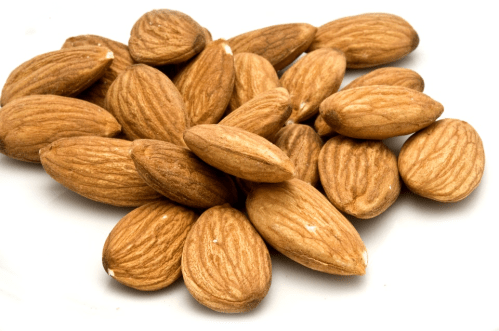
Almonds


Eating nuts can be a tasty way to make your diet more healthy. Nuts are beneficial because they are rich in healthy unsaturated fats, fiber, and essential vitamins and minerals. Nuts also contain omega-3 fats and natural plant sterols which, together, may help lower your blood cholesterol and reduce your risk of heaving a heart attack.

Although the specific nutrients vary among different nuts, all nuts are thought to be healthy. This includes tree nuts such as almonds, macadamia nuts, walnuts, and pecans, which have the most research to support their health benefits. But it also includes peanuts, which are actually legumes (like beans), not true nuts.

Keep in mind that you should focus on eating plain nuts to get the biggest benefits. Many nuts have added flavors in the form of coatings, glazes, and seasonings, which may be high in sugar and salt. Honey roasted peanuts and chocolate covered almonds are good examples of nuts that are essentially candy. These types of nuts should be eaten sparingly and for dessert, not as a snack. Check it out:

Plain almonds contain 160 calories with 14 g fat, 1 g sugar, 3 g fiber, and 6 g protein per 28 g (1 ounce) serving [source: Emerald Nuts Natural Almonds]. The fats are almost all healthy unsaturated fats with no trans fats. No question, plain almonds are a healthy snack or addition to any meal.

Many people consume almonds that are flavored or have sweet coatings. While these contain the beneficial nutrients of plain almonds, they also contain added salt and sugar. For example, honey glazed almonds have 140 calories with 10 g fat, 8 g sugar, 2 g fiber, and 4 g protein per 28 g (1 ounce) serving  [source: Emerald Nuts Honey Glazed Almonds]. That’s a lot of added sugar, which makes sense considering that sugar appears in four forms in the list of ingredients: sugar, tapioca syrup, sugar cane syrup, and dehydrated honey. The glaze is almost pure sugar and almost none of it is actually honey!

If you are curious why the honey glazed almonds have less fat, fiber, and protein compared to the plain almonds, this is why: The glaze makes the almonds heavier so there are fewer almonds per 28 g serving. Since the fat, fiber, and protein are in the almond itself, not the glaze, fewer almonds means less of these nutrients.

The honey glazed almonds are essentially candy-coated nuts. But since they would be right next to plain almonds on the shelf, it is reasonable that someone might think of them as a healthy option to the plain version. They aren’t. But at least they aren’t as bad as candy that contains almonds…or are they?

Chocolate covered almonds are delicious! But they also contain 158 calories with 15 g fat, 12 g sugar, 1 g fiber, and 3 g protein per 28 g (1 ounce) serving  [source: Dove Milk Chocolate  Almonds]. If you look at the ingredients you will see lots of added sugar, which is no surprise considering they are covered in candy!

What may be surprising is that the honey glazed almonds similar to the chocolate coated almonds in terms of added sugar. Another important point is the serving sizes. A 28 g serving of plain almonds contains about 28 nuts, about 1/4 cup or a small handful. There are fewer honey glazed almonds in the same serving size and there are only 9–10 of the chocolate covered almonds in one serving! How many people would stop after 10 almonds?

Based on this, plain almonds are an excellent snack. Even though chocolate covered and honey glazed almonds are essentially candy, they do have almonds inside, which makes them a better choice than many other candies or snacks. But don’t fool yourself, neither are the same as eating plain almonds!


drparrsays blog footer


Forget about low-fat or high-carb: Focus on food, not nutrients, for weight loss.

If you are confused or frustrated by the conflicting claims about whether a low-fat or low-carbohydrate diet is the best for promoting weight loss, you are forgiven. First, we were told that eating a low-fat diet was the best way to lose weight and improve heart health. Then, research suggested that low-carbohydrate diets were better.

Although there are hundreds of diets and weight loss plans you can follow, most fit into one of these two broad categories, reducing calories by cutting back on fats or by restricting carbohydrates.

A recently published study in the Journal of the American Medical Association compared low-fat and low-carbohydrate diets for promoting weight loss. The results say a lot about diets and weight loss in general and I interpret them to suggest that you should focus on food, not nutrients, to achieve your weight loss goal.

This is the topic of my Health & Fitness column in the Aiken Standard this week.


feet on scale

This study was a bit complicated, but it basically compared a low-carbohydrate diet with a low-fat diet for weight loss. After one year, both groups lost about the same amount of weight, showing that both diets were equally effective. This shows that restricting fat or carbohydrates didn’t seem to make a difference for promoting weight loss.


But it might be better to consider that what the two diets had in common is what made them both effective. In addition to the emphasis on fats or carbohydrates, both groups were encouraged to eat less added sugar, more vegetables, and fewer processed foods. It is likely that these factors played such major role in promoting weight loss that they outweighed the effect of which nutrients were restricted.


This isn’t much of a surprise, since eating less added sugar, more vegetables, and fewer processed foods are the three recommendations almost all diets and eating plans have in common. They are also among the very few things everyone seems to agree on when it comes to nutrition recommendations.


When it comes to picking the perfect diet, we should stop thinking on how they differ from one another and focus on what they all have in common. By faithfully following those key recommendations, it almost doesn’t matter what the rest of the diet includes. Avoiding processed foods and added sugar and making vegetables a major part of each meal will lead to healthier choices than simply cutting back on either fats or carbohydrates. In this way, food matters more than nutrients.


This study also demonstrates an important truth about weight loss. The average weight loss wasn’t impressive, only 6 kg in one year, or just a bit over 1 pound per month. I think that most people would be disappointed with this weight change after a year of effort. There was also a big range in weight loss, with some subjects losing over 60 pounds and some gaining about 20 pounds.


Modest average weight loss with some people losing significant weight and others losing very little or even gaining weight is typical for most weight loss programs. What you tend to hear about weight loss programs is the highest expected weight loss—”you can lose up to 40 pounds!” for example, but they don’t tell you what you should really expect. Be skeptical of promises of rapid, significant weight loss. Also be wary of diets that require you to avoid or emphasize certain nutrients like fats or carbohydrates, and remember that the real key to weight loss seems to be food, not nutrients.


drparrsays blog footer


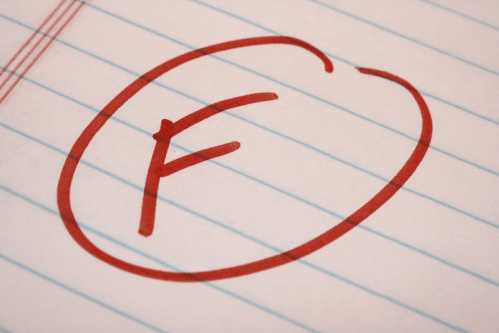
Five students came to see me about their exam. They were the wrong five students.

I gave my first exam in Exercise Physiology last week. Predictably, grades ranged widely, with some students doing very well and others, well, not. There were five students who failed. So, I sent them a friendly email asking them to meet with me to discuss their exam and, more importantly, what they can do to salvage their chances to pass the class.

And five students came to see me. But they were the wrong five students.

F grade

The students who came to see me all earned As or Bs on the exam and wanted to see what they missed or to talk about some of their answers. One student who earned a high A just wanted to find out what she got wrong (very little). None of them really needed help, but they still took the time to see me.

This is probably why these five students did so well. And why the other five didn’t.


drparrsays blog footer

Candy and soda for breakfast, audio version.

Eating a healthy breakfast provides energy to start the day and is important for weight control. In children, a healthy breakfast is essential for proper growth and development and is linked to improved attention and learning in school. Breakfast is often thought of as the most important meal of the day, for good reason. Unfortunately, many common breakfast foods are more similar to candy and soda than a healthy meal to start the day.

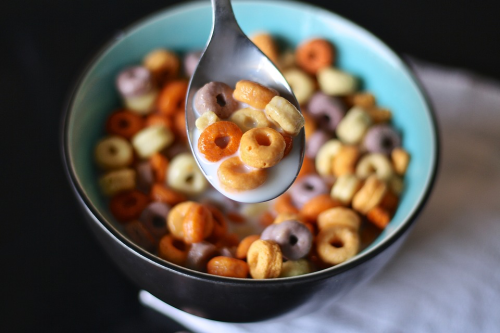
Cereal


I spoke with Melanie Cole on her RadioMD show, Train Your Body, about this topic back in 2015. Go ahead, check it out: Morning Nutrition: Kickstart Your Day in a Healthy Way

Melanie has a new show called Life’s Too Short, in which she shares practical, credible health information. Listen wherever you get podcasts.


drparrsays blog footer


SaveSave

Why and how: Warm-up before exercise.

The idea that you should warm up before exercise is common knowledge. Even if you don’t always warm up before a workout, you probably know that you should. What is less well understood is why a warm up is so important and how you should warm up before your next exercise session. This is the topic of my Health & Fitness column in the Aiken Standard this week.

woman-stretching-outdoors


The main purpose of warm-up is to increase muscle temperature to enhance the activity of enzymes that produce energy during exercise, so your muscles are ready to go. Also, pre-exercise activity will increase blood flow to the muscles so more oxygen and other nutrients needed to make energy can be delivered. The elevated blood flow also removed wastes from the muscle, including lactate, a by-product of energy production during intense exercise that can contribute to fatigue.

It’s not all about performance, though. Warming up also increases blood flow to the heart which can help reduce the chance of developing chest pain or having a heart attack at the onset of strenuous exercise. This is especially important for people who may have heart disease.

A good warm up should include the muscle groups that will be used during exercise, so focusing on legs for walking, running, or cycling and arms for rowing or other upper body exercise. In sports, the warm-up should be specific to the movements in the game. For example, a basketball player may warm up by doing some running and jumping as well as practicing passing and shooting. For most of us, simply walking or jogging for 5-10 minutes at a light-to-moderate intensity is a good general warm up for most activities.

While some athletes can spend an hour or more preparing for a game or event, the warm-up shouldn’t be so long and strenuous that it depletes stored energy or causes fatigue. It should also be done shortly before an event so the benefits of the warmup are still present at the start. Athletes who warm up too long before an event can get “cold” and may need to warm up again before they compete.

Two controversial topics related to warm-up include stretching and injury prevention. First, despite what your high school gym teacher or coach told you, stretching alone is not a sufficient warm-up. Increasing range of motion through stretching and other exercises can be part of a warm up, but they should not be the only activity. Furthermore, stretching to improve muscle and joint flexibility should be done after the muscles are warm, either after a good warm-up or exercise session.

It is also widely believed that warming up can reduce the risk of injury during exercise. While that makes sense intuitively, there is no consensus in the research. This is likely because many injuries result from extreme muscle and joint overloading or contact with the ground or other athletes that no amount of stretching can prevent. The bottom line is that warming up probably does reduce the risk of injury at least a little, so it is still worth doing.

The benefits of warming up go beyond the physical. Recreational and competitive athletes get psychological benefits from warm up, including improved focus, motivation, and confidence. For team sports, warming up together can enhance team dynamics. Warming up can put you in the right mindset for your typical workout, whether that is a challenging session in the gym or a walk around your neighborhood.


drparrsays blog footer

That coffee drink you had this morning? It’s not coffee, it’s a milkshake!

Eating a healthy breakfast provides energy to start the day and is important for weight control. In children, a healthy breakfast is essential for proper growth and development and is linked to improved attention and learning in school. Breakfast is often thought of as the most important meal of the day, for good reason. Unfortunately, many common breakfast foods are more similar to candy and soda than a healthy meal to start the day.

This is also true for breakfast drinks, including coffee drinks. Many popular coffee drinks are more similar to a chocolate milkshake than to actual coffee! Let’s check it out.


Take, for example, the grande (16 oz) Mocha Frappuccino Blended Coffee drink from Starbucks:

  • 410 calories
  • 15 grams of fat
  • 65 g carbohydrates, including 61 g sugar
  • 5 g protein

Let’s compare that to a small (16 oz.) McCafe Chocolate Milkshake from McDonald’s:

  • 530 calories
  • 15 grams of fat
  • 87 g carbohydrates, including 74 g sugar
  • 12 g protein

Sure, the calories and sugar in the coffee drink aren’t quite as outrageous as the milkshake, but it’s pretty close. The is especially clear when you compare the coffee drink to actual coffee, a grande (16 oz.) Pike Place Roast from Starbucks, which has 5 calories and no fat or sugar.

If you don’t really like coffee and prefer flavored coffee drinks, you might order one with nonfat milk and no whipped cream. Nice try, but it will still have 270 calories and 59 g sugar, even though the fat is reduced to just 1 g. That’s still a lot of sugar!

A better choice might be a grande Starbucks Cappuccino, which has 140 calories, 7 g fat, and 10 g sugar. Get one with nonfat milk and you cut out 60 calories from fat. If you are worried about how much sugar you consume and how many calories you drink—and you probably should be!—this is a much better coffee drink choice than a milkshake!


Does this mean you can’t enjoy a delicious coffee drink? Of course not. But don’t try to fool yourself by calling it coffee. Depending on what you order, it may essentially be a milkshake! And I think we can all agree that is not part of a healthy breakfast.

I call this idea that unhealthy food makes its way onto our breakfast table Candy & Soda for Breakfast. And it’s not just breakfast, either. Lunch, dinner, and snacks frequently include foods that look like a healthy choice but really are candy and soda in disguise.


SaveSave

Sports science in the 2018 Winter Olympics

The winter Olympics start later this week so we will soon be seeing some remarkable athletic performances. The competitors are among the fittest and most highly trained athletes in the world, both in terms of laboratory measures of fitness and in subjective evaluations of skill. Competing in the Olympics requires years of focused, intense training, and some good luck. This is the topic of my Health & Fitness column in the Aiken Standard this week.

Cross country skiing


First, let’s look at the fitness. This is most evident in the endurance events like cross-country skiing and speed skating. The key to performance in long-duration events like these is for the muscle to contract repeatedly and forcefully without fatigue. In order to do so, the muscle must have a steady supply of oxygen and nutrients. These nutrients are delivered through the blood, which is pumped by the heart. The muscle takes up and uses these nutrients to produce ATP, the form of energy used by the muscle.

After months and years of endurance training the heart gets bigger resulting in the ejection of more blood to the muscle. Within the muscle there is an increase in the number of capillaries, the small blood vessels that deliver blood to the muscle, and mitochondria, the part of the cell that produces most of the ATP. Together, these adaptations allow the muscle to produce more ATP without fatigue, allowing the athlete to sustain a higher intensity (skiing speed, for example) for a longer time without fatigue.

While all Olympic athletes are very physically fit, some events rely more heavily on skill, including figure skating and freestyle snow boarding. For example, in figure skating completing a triple axel involves leaping into the air, spinning three and a half times, and landing backwards. On a 4 mm wide blade. On ice. Or think about the triple cork 1440, a snowboarding trick that involves flipping three times in the air while doing four 360-degree turns.

The athletes who are able to successfully complete these maneuvers have practiced for years to develop the skill and confidence needed to perform them consistently in competition. These are some of the most obvious displays of athletic skill, but all events require good technique. The development of skill in addition to fitness is the main reason why athletes specialize in one area and you don’t see people competing in both downhill skiing and speed skating, for example.

Of course, there is a psychological aspect to Olympic performances. The motivation to put in the training time alone is remarkable. Even more impressive is the ability to focus on an event despite the distractions of the crowds, media, and pressure of competition. This combination of physical and mental preparation is rare—as rare as Olympic gold medalists!

But is training alone sufficient for Olympic-level performance? Could anyone who trains enough make it to the Olympics? The answer is no, because there is another important factor in athletic performance—luck. Luck refers to genetics, which determine potential for attributes like heart size and muscle characteristics. As much as 50% of performance in some events is attributed to genetics. One sports physiologist famously answered the question, “How do I become an Olympic champion?” with “pick different parents!”

Even though most of us will never become Olympic champions we can still experience many of the same benefits of training. All athletes train to develop strength, endurance, and flexibility, which is exactly what we should do, too. And those attributes will help us perform better at work (and play) and help us live a longer healthier life. It will also help us appreciate the training, dedication, and good luck that the athletes bring to the Olympic games.


drparrsays blog footer